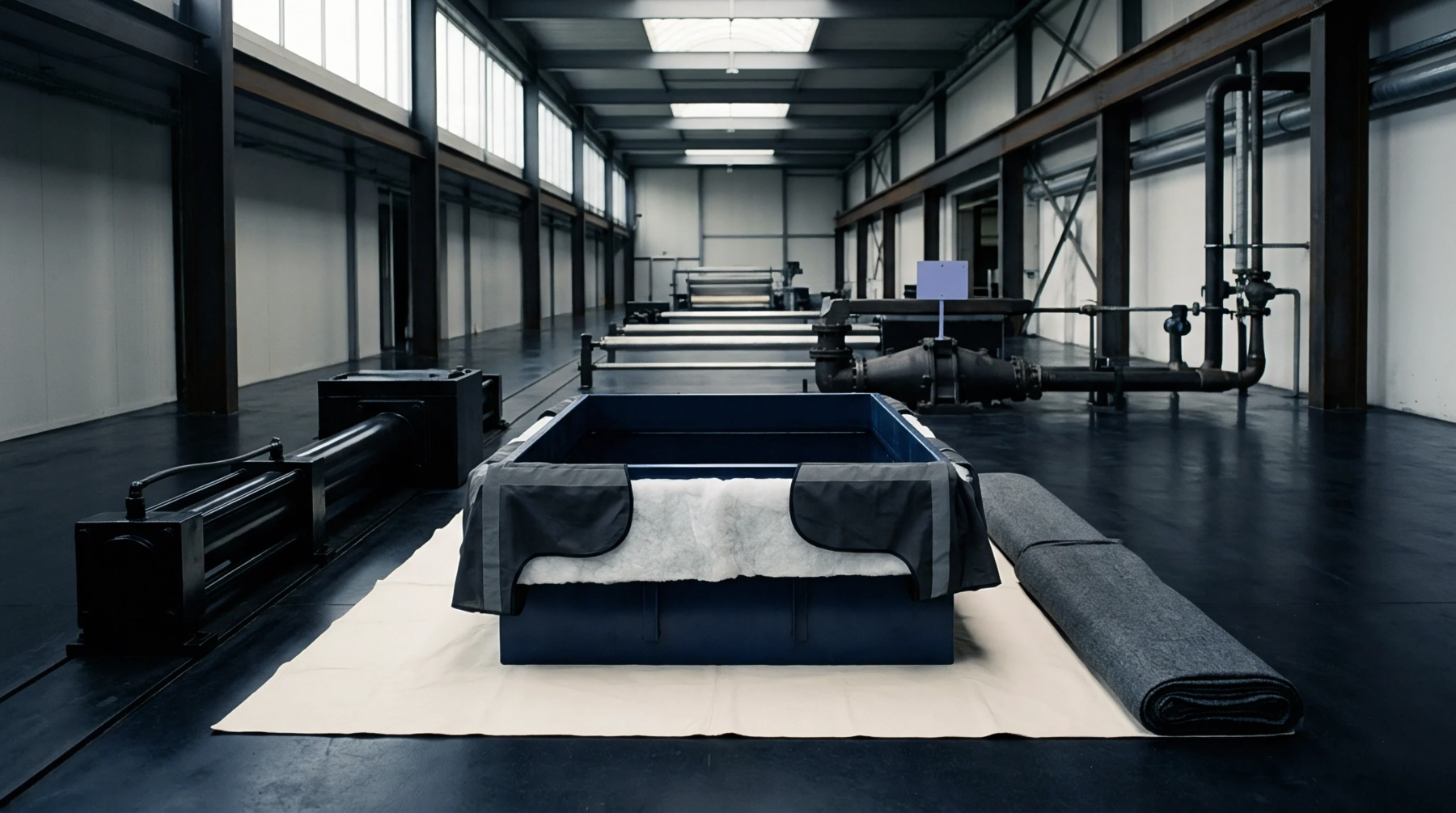
Polymer Crosslink Degradation in Cellulosic Fabric Wet Processing
Polymer crosslinks in cellulosic fabric wet processing degrade via acid-catalyzed glycosidic cleavage during high-temp baking and wet post-reprocessing cycles.
Polymer crosslinks in cellulosic fabric wet processing degrade via acid-catalyzed glycosidic cleavage during high-temp baking and wet post-reprocessing cycles.

Finishing overfeed and widthwise stenter tension dynamically shift finished warp ends per inch, defining final fabric mass and commercial acceptance thresholds.

Cover factor analysis requires direct conversion to Tex linear density and adjustment for fiber packing density before computing fractional surface area.
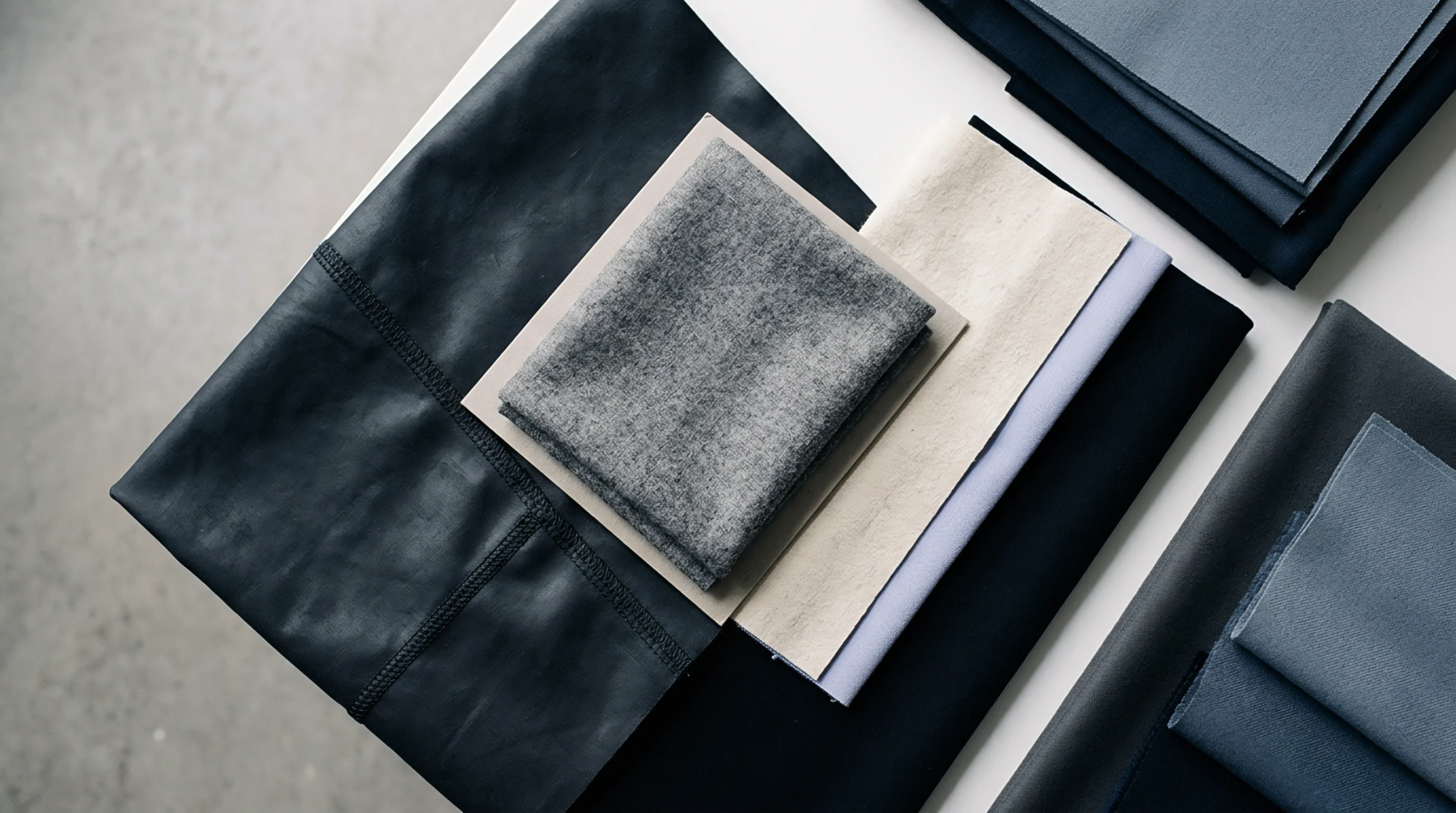
Warp cover factor quantifies yarn area coverage using thread density and yarn diameter equations to control fabric porosity, mechanical strength, and production speed.
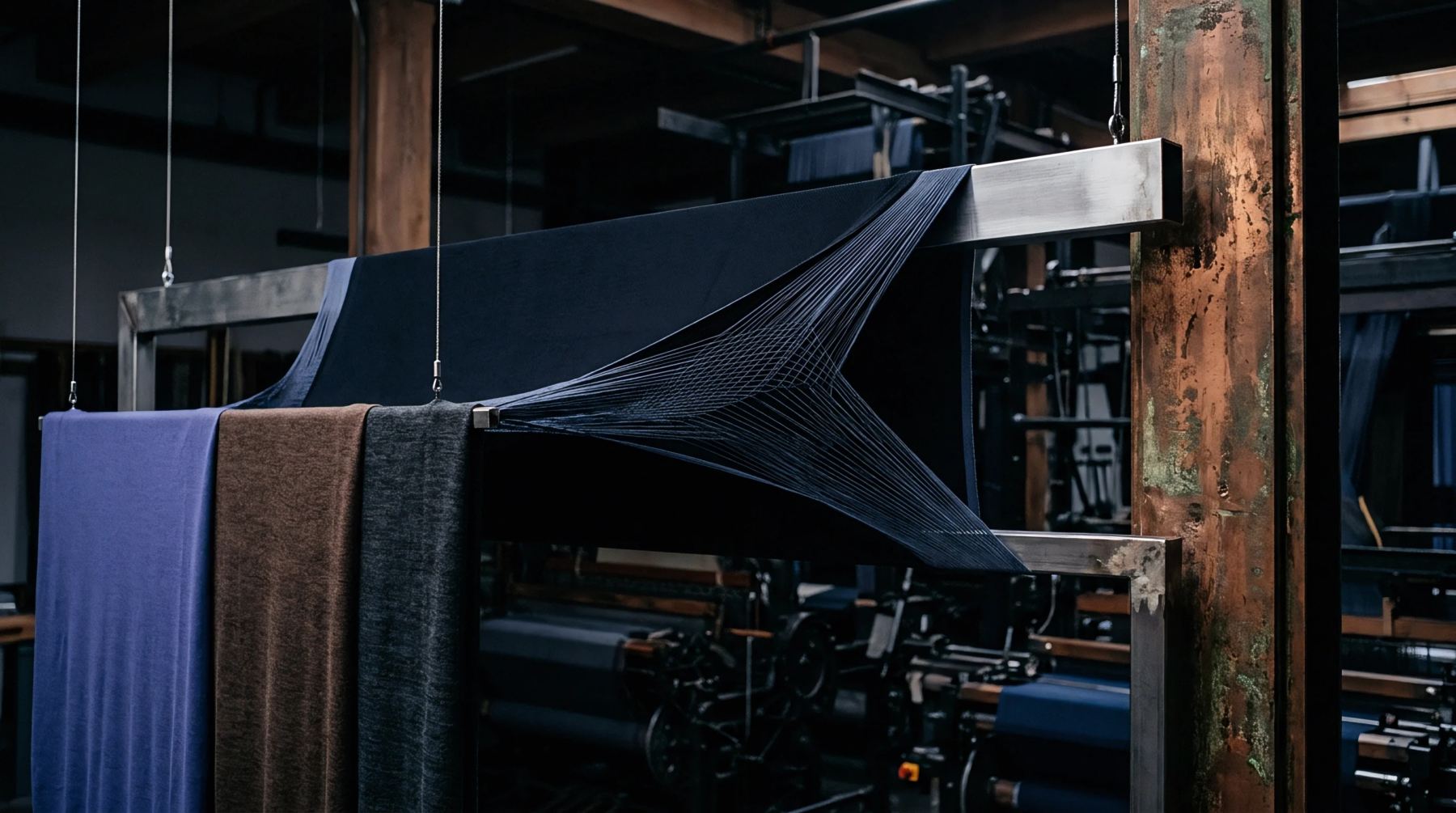
Loom warp tension, crimp interchange, and stenter overfeed directly govern finished fabric mass and dimensional yield stability across production runs.
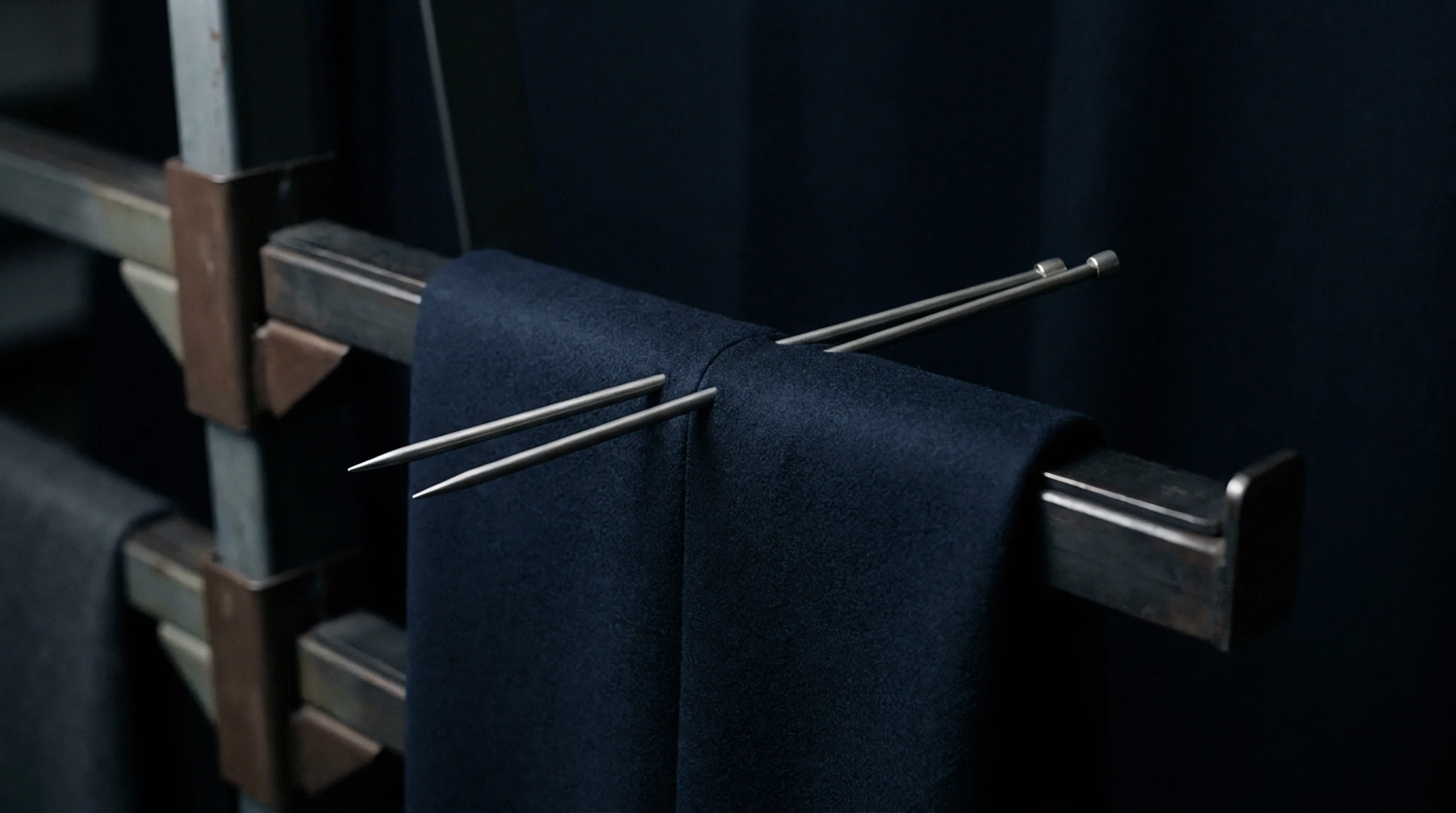
Cuttable width excludes defective margins, converting linear metres directly to true usable area and determining actionable garment output per bulk lot.
Expertise is a utility, not a secret. sentiention™ publishes its working knowledge as open reference: intelligence layer covering the materials it sources, the markets it enters, and the reference that serves both.