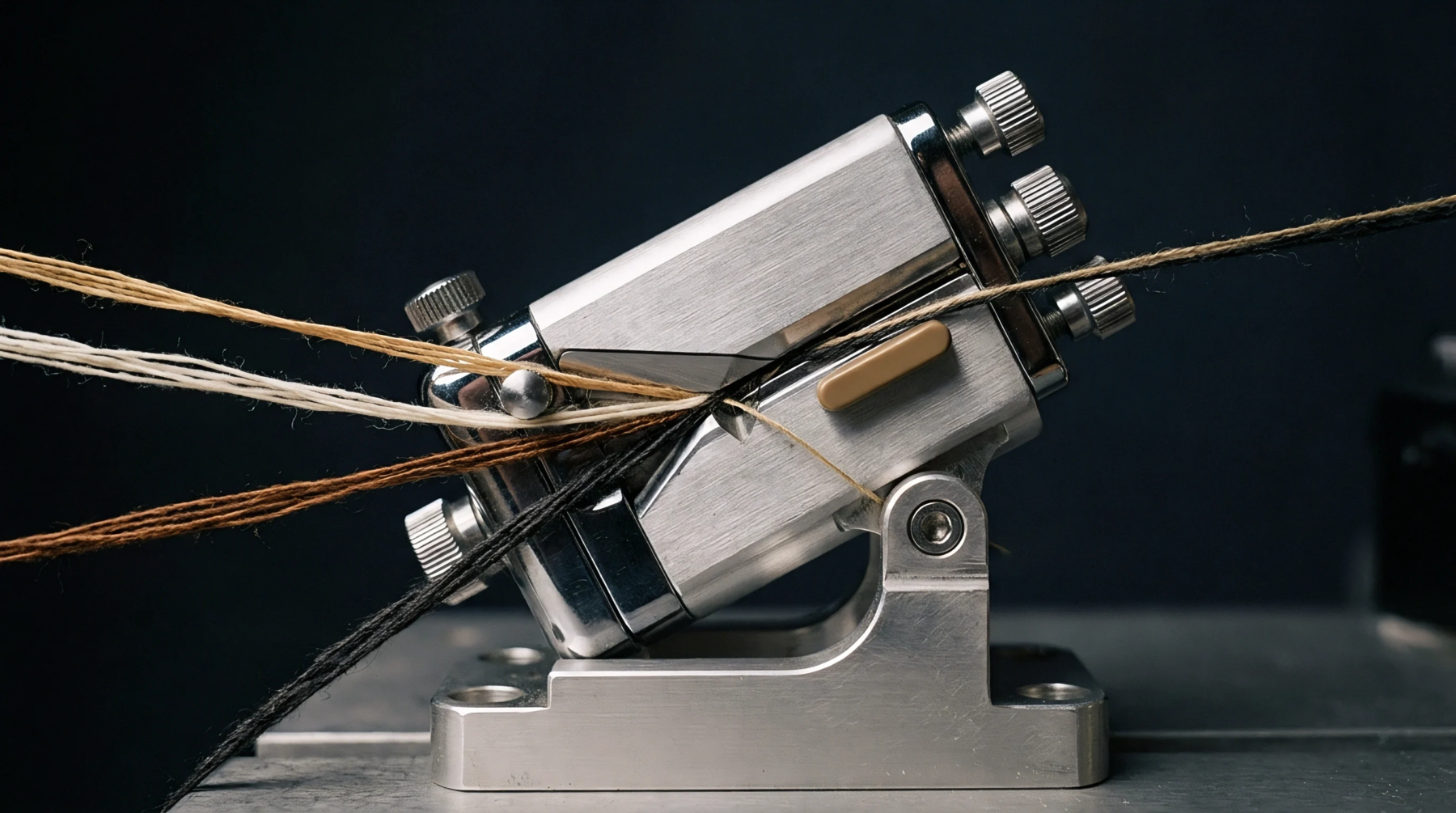
Measurement Instability
Gradual changes in the output of a color-measuring instrument over time or temperature variations lead to inconsistent reflectance readings from the same physical sample. This phenomenon, known as spectrophotometric drift, can distort dye recipe calculations and shade approvals across different production runs. Instrument consistency must be maintained to ensure color accuracy in the supply chain.
Daily calibration routines are designed to combat this issue.
Technical Cause
Temperature fluctuations in the laboratory and electronic component fatigue are the primary drivers of instrument drift. As the light source degrades, its emission spectrum shifts, which affects the sensor’s response. These changes occur slowly and are often invisible to the operator without systematic testing.
Verification Method
Colorists measure stable green and grey ceramic tiles at regular intervals to detect any drift in spectrophotometric performance. When the delta E difference between consecutive tile measurements exceeds a set threshold, the instrument requires service. This verification process should be documented to maintain the lab’s quality certification.
Prevention Protocol
Controlling laboratory temperature and humidity reduces the rate of electronic drift and stabilizes the internal optics. Technicians replace the measurement lamps after a specified number of flashes to prevent output degradation. Regular professional servicing ensures the spectrophotometer remains reliable.