Shielding Measure
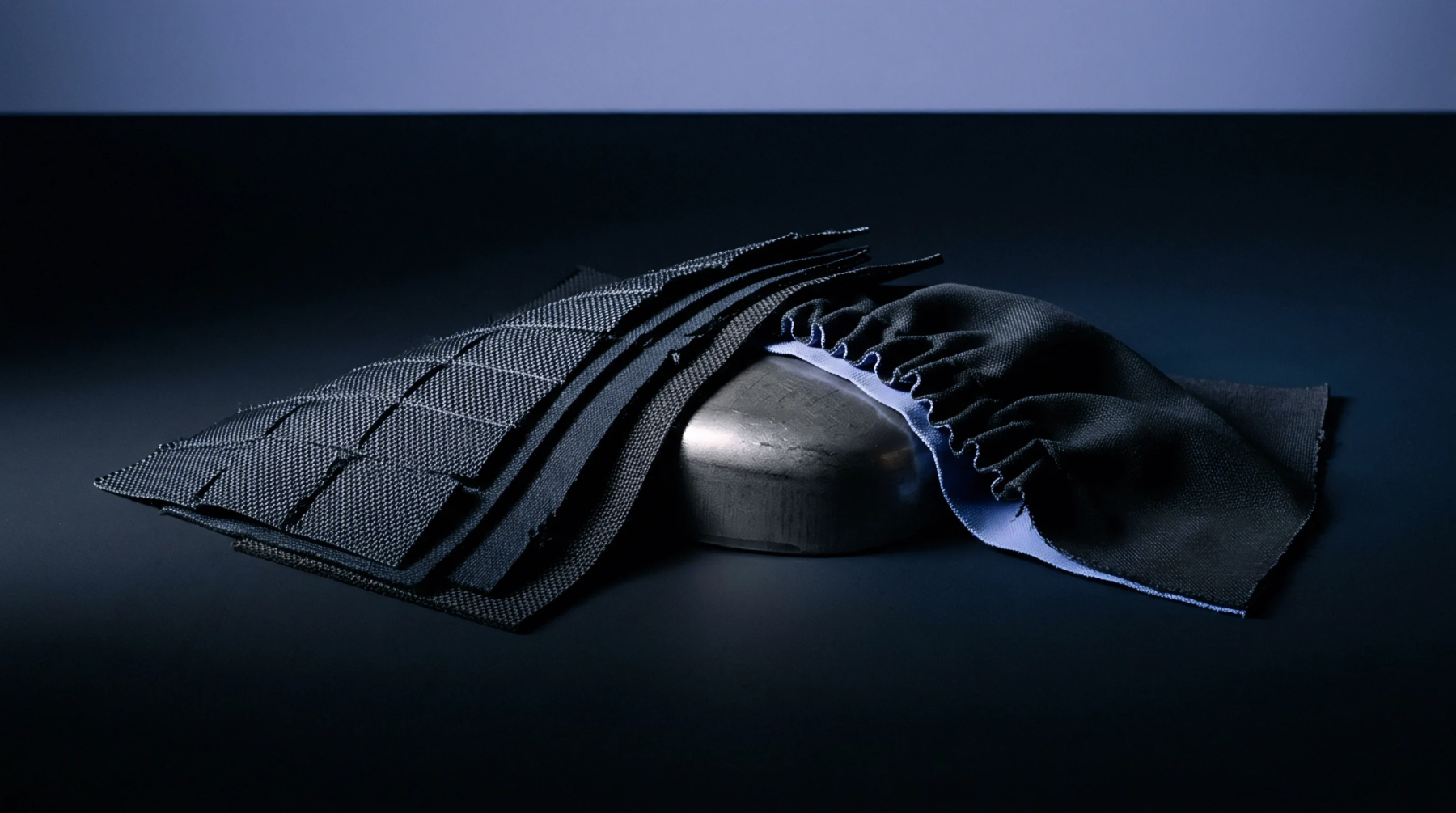
The degree to which a textile material prevents the transmission of light and obscures underlying patterns or skin defines the optical barrier of a finished garment. Maintaining fabric opacity is crucial for white and light-colored trousers and sportswear. Manufacturers measure this property to ensure garments remain non-translucent under varied lighting conditions.
High shielding prevents visibility of underwear and skin during wear, especially when the material becomes wet or stretched.
Physical Factor
Fibre chemistry and structural density directly determine the light-blocking capacity of the textile. Heavy yarns packed tightly together block more light than thin, loose structures. Adding titanium dioxide to synthetic polymer melts before extrusion increases the internal light scattering and enhances the fabric opacity from the fibre level onward.
Measurement Standard
Laboratory testing utilizes spectrophotometers with integrating spheres to measure the percentage of light reflected by the fabric against black and white backings. Contrast ratio calculations then yield a percentage where one hundred percent represents complete light blockage. Technicians perform these tests under standardized conditions to ensure comparable results.
Production Control
Quality assurance teams at the mill inspect finish batches to verify that compaction processes or chemical coatings have not degraded the opacity. Inadequate density triggers process adjustments in the loom or knitting machine parameters. Corrective actions must happen before bulk cutting begins.