Absolute Fiber Content
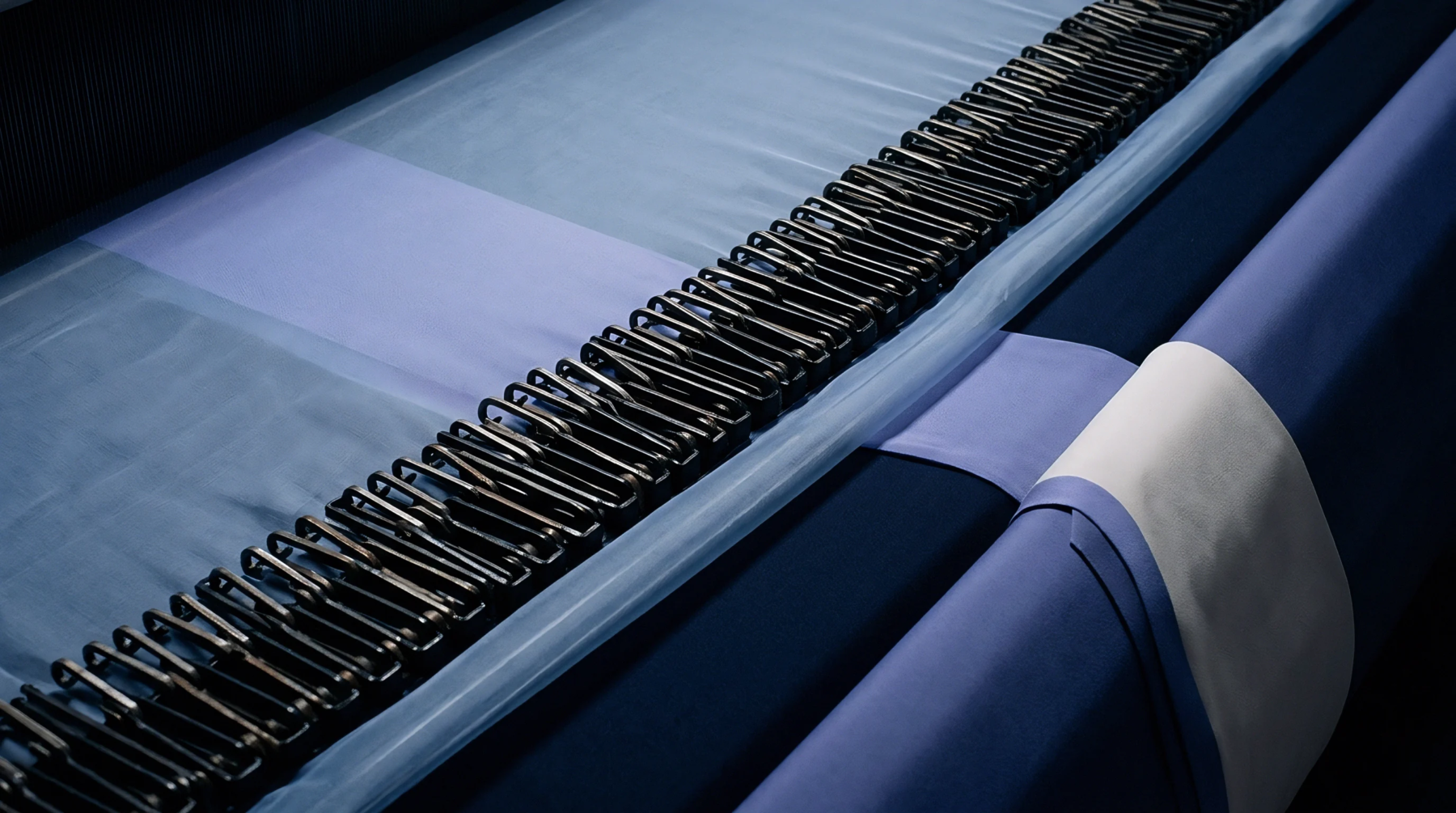
Precision measurements of textile weight define the mass of a material when every gram of absorbed water has been removed through continuous exposure to dry heat. Determining the oven-dry mass is the starting point for almost all standard moisture regain calculations and transactional yields. Technicians utilize a ventilated heating chamber set to approximately one hundred and five degrees Celsius to eliminate any latent humidity trapped within the fiber cores.
This state is reached only when two consecutive weighings show zero difference over a set interval of time. Achieving this level of dryness removes the environmental noise created by atmospheric fluctuations in the laboratory or on the factory floor. Accurate results enable the precise determination of actual fiber count and chemical percentages within a multi component blend.
Measurement Sequence Mechanics
Procedure steps for this determination involve placing the textile inside a non hygroscopic container to ensure weight is taken before any reabsorption occurs. The oven-dry mass results from a physical transition where water molecules are forced from the interstitial spaces of the polymer structure into the surrounding air. Because some synthetics dry faster than natural staples like wool, the duration of the heat cycle must be carefully adjusted to prevent charring.
Once the material is bone dry, it is moved to a precision balance that reads to the thousandth of a gram. This clean baseline allows analysts to verify if the fabric contains any foreign finishes or unwanted residues that would inflate the commercial mass later. Any failure to reach a steady state weight indicates an incomplete test and triggers a longer drying period.
Chemical and Financial Baselines
Derivations of moisture regain rely entirely on having a flawless oven-dry mass as the primary denominator in the mathematical formula. In financial settlements, this value provides the only stable reference for materials that are priced by the kilogram despite their natural thirst for water. Industry participants utilize these dry weights to ensure consistency across shipments moving through diverse climates during seasonal trade peaks.
If a lab report omits the dry weight baseline, it becomes impossible to verify if a shipment is underweight or overfilled with cheap humidity. The measurement also serves as the control for chemical tests where the proportion of finish to fiber must be identified. Correct logging of this metric prevents significant economic errors in high volume global contracts.
Boundary Condition Controls
Maintaining the accuracy of the final figure requires the mill to strictly observe temperature and timing rules defined by organizations like ISO. Oven-dry mass does not represent the weight of the garment in its usable consumer state but acts as a laboratory tool for scientific comparison. High heat can occasionally degrade specific heat sensitive filaments, so alternative low heat methods are applied in specialized synthetic cases.
This weight excludes any air buoyancy variables by using precise calibration routines on the high sensitivity scale. It is the definitive account of the solid matter present in a sample before any variables are reintroduced for shipping or processing. Consistent adherence to these protocols facilitates clear communication between mills, testing houses and buyers.