Thermogravimetric Drying Instrument
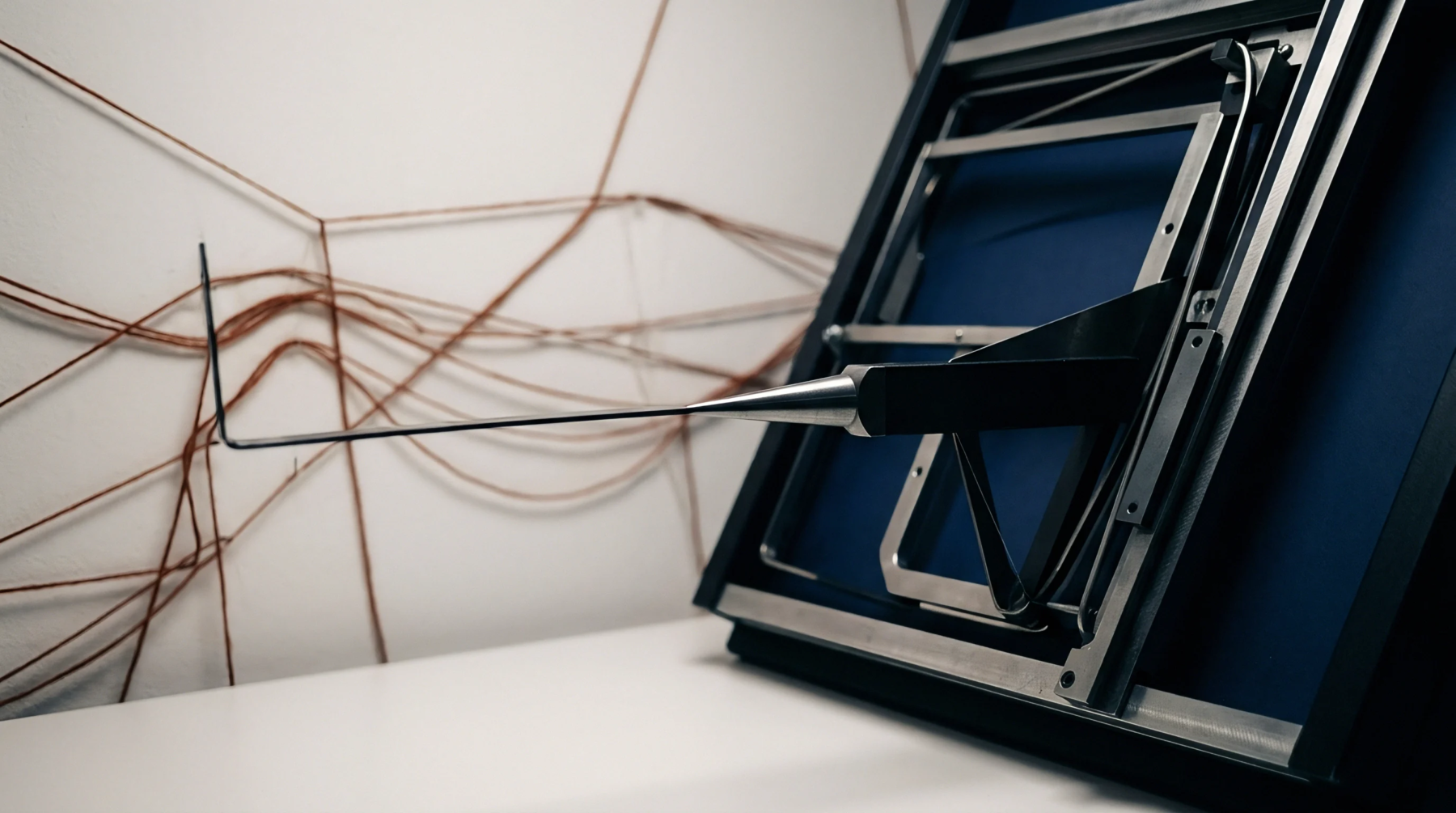
Electrically heated chamber equipped with forced-air ventilation and an integrated precision balance measures the moisture content and dry weight of textile materials by removing all unbonded water. In textile quality control, the desiccation oven establishes the dry mass of raw fiber bales, yarn cones, and finished fabrics by holding specimens at elevated thermal levels until successive weight readings show complete moisture removal. The apparatus governs commercial mass determinations, quantitative fiber blend analyses, and moisture regain audits, ceasing its analytical utility when non-aqueous volatile finishes decompose at testing temperatures.
Thermal Evaporation Dynamics
Constant circulation of clean, dry air at one hundred and five degrees Celsius evaporates absorbed water without charring organic polymer structures. Specimens are suspended inside perforated baskets or metal canisters that allow hot air to penetrate deep into densely packed fiber bundles. An external or built-in precision balance records the mass while the sample remains inside the heated zone, preventing atmospheric moisture reabsorption during the weighing phase.
When operating the desiccation oven, drying continues until successive weighings conducted at fifteen-minute intervals display differences under zero point zero five percent. Temperature regulation tolerances must hold within two degrees Celsius across the internal volume to eliminate hot spots that degrade natural proteins or melt low-temperature synthetics.
Apparatus Calibration Sequence
Regular verification procedures guarantee that airflow velocities and heating elements maintain uniform environmental conditions inside the testing chamber. Temperature sensors placed at multiple vertical tiers verify that air distribution fans prevent thermal stratification during high-volume testing cycles. Tare weight balances must undergo routine mechanical zeroing and calibration using certified brass weights to counteract thermal drift originating from nearby heating coils.
Air intake ports draw from controlled laboratory atmospheres to prevent pumping humid air across drying samples.
Commercial Dispute Adjudication
Financial settlements involving high-value fibers such as cashmere, scoured wool, and imported cotton rely on dry-weight certificates generated by this testing instrument. In situations where ocean shipments display condensation or excess moisture upon arrival at the destination mill, core borings enter the desiccation oven to determine the true bone-dry mass. Commercial moisture regains, such as eight point five percent for cotton or eighteen point two five percent for scoured wool, are then added back mathematically to compute the commercial invoice mass.
Test results from certified ovens serve as binding physical evidence in international maritime arbitration disputes and insurance claims.