Calculating Commercial Moisture Regain in Raw Import Multi Fiber Blends
Commercial mass equals oven dry mass multiplied by one plus the weighted sum of official fiber moisture regain allowances.
Oven
Drying textiles to constant mass forms the baseline for every cross-border financial settlement. Water moves invoices. When raw fiber containers clear port terminals, the weight recorded on the weighbridge reflects both solid polymer mass and environmental water absorbed during ocean transit.
A container packed in monsoon conditions in South Asia arrives at an import dock carrying hundreds of kilograms of excess water that evaporates once processed in conditioned spinning rooms. International trade resolves this physical variance by establishing commercial mass, an agreed calculation that replaces unpredictable atmospheric water with an official moisture allowance.
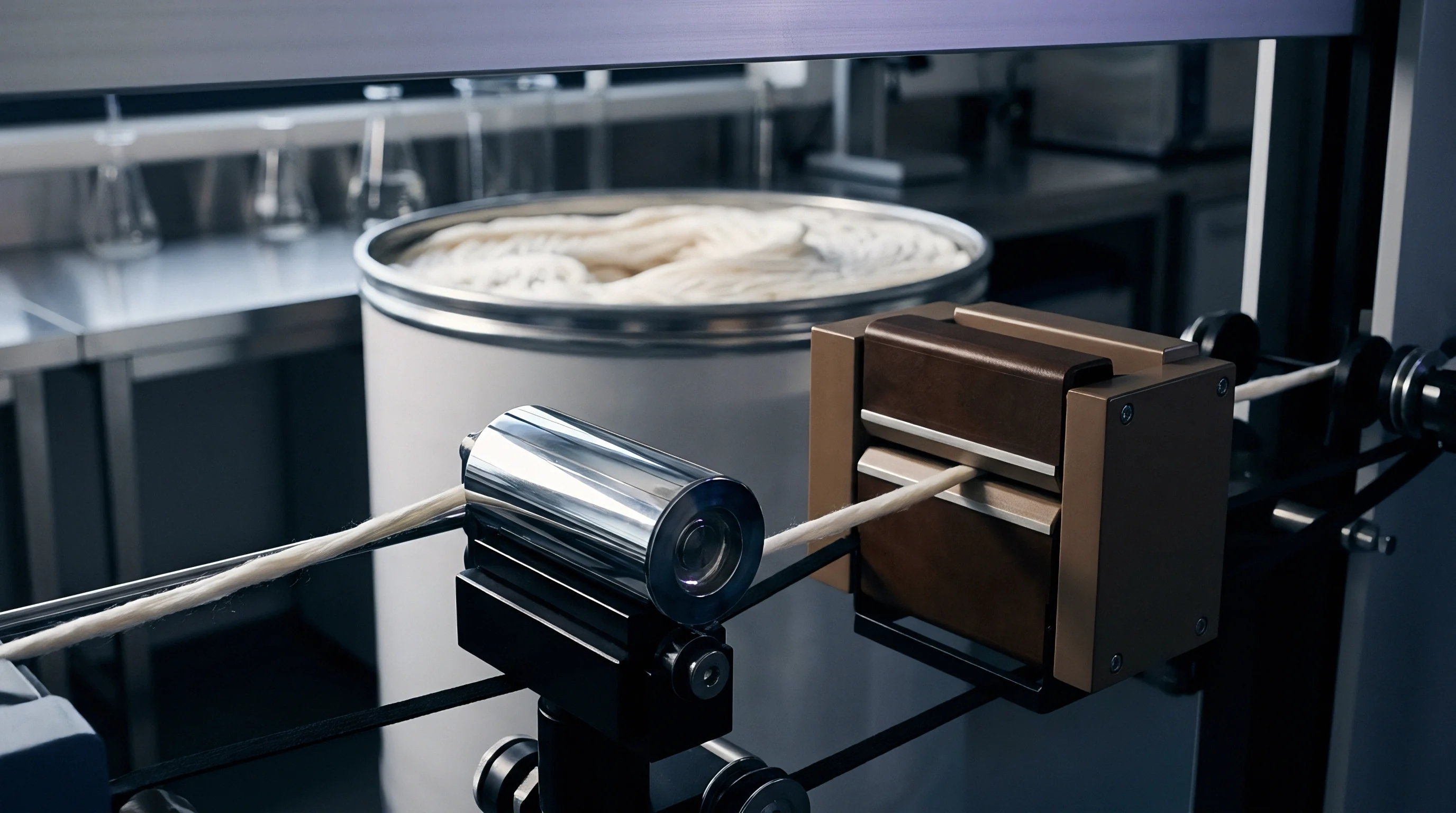
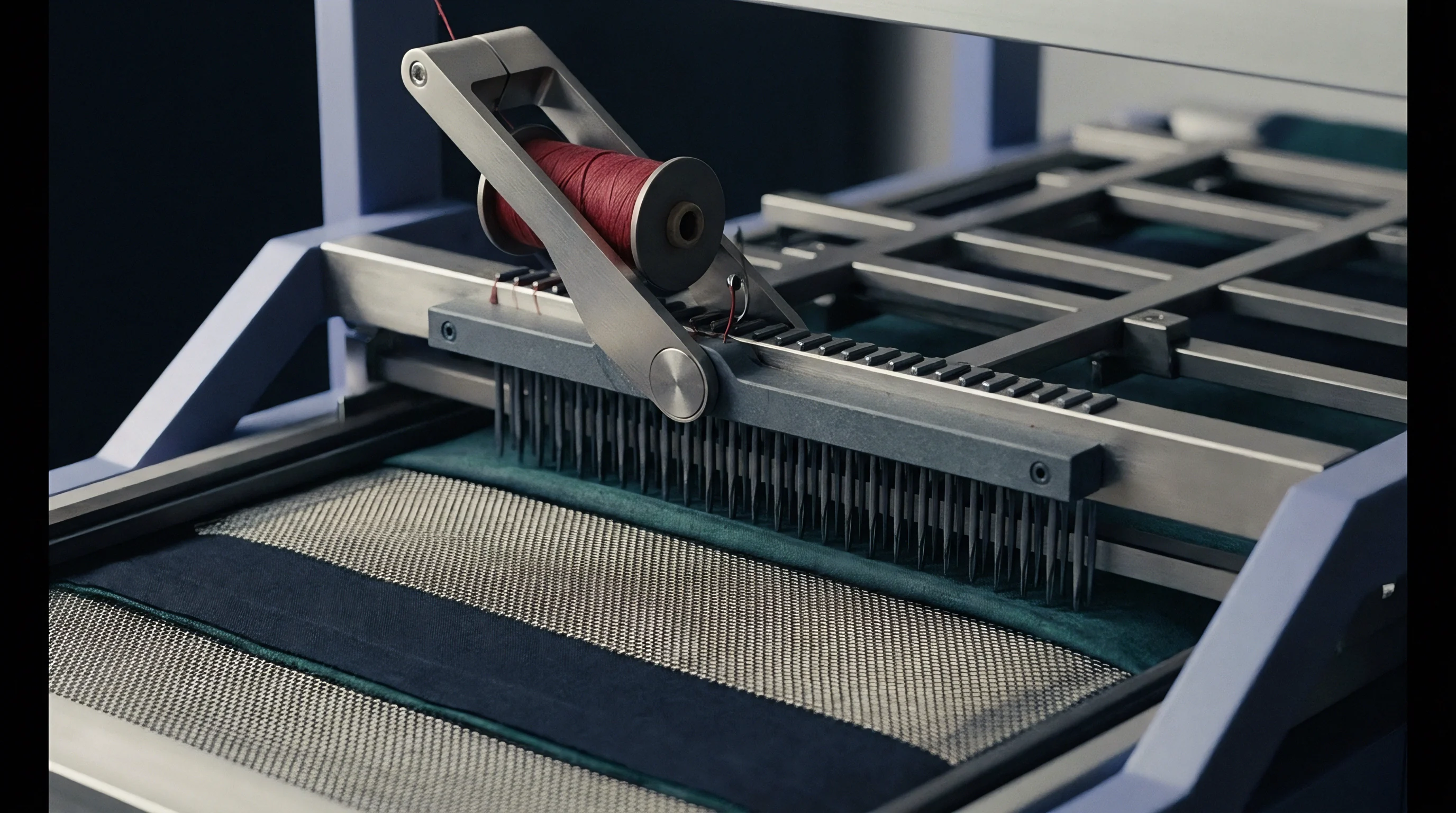
The standard testing sequence begins under ISO 6741 or ASTM D1576 by drawing representative samples across lot containers and placing them into ventilated drying chambers. Technicians heat the specimens to 105 degrees Celsius, maintaining airflow until successive weighings spaced fifteen minutes apart show a mass difference under 0.05 percent. This endpoint defines the clean dry mass, isolating pure textile substance from volatile moisture.
Volatile finishes, spinning lubricants, and natural grease also leave the specimen during thermal exposure or solvent pre-washing, which laboratories account for through quantitative desiccation procedures.
Atmospheric humidity changes the registered weight of raw fiber shipments without altering the quantity of usable polymer inside the container.
Clean mass remains constant. Calculating the true commercial weight from this desiccated baseline demands precise separation of moisture content from moisture regain. Moisture content expresses water mass as a percentage of original moist sample mass.
Moisture regain expresses that same water mass as a percentage of clean dry mass. Mixing these two mathematical bases introduces immediate valuation discrepancies into purchasing ledgers.
Industrial testing chambers apply high-precision balances coupled directly with internal drying carousels. Technicians weigh the hot basket without exposing dry fiber to ambient laboratory air, as hygroscopic fibers like wool and viscose pull moisture out of the air within seconds of chamber door opening. Heat drives out moisture.
Any exposure between drying completion and mass registration increases the observed dry mass, falsely reducing the calculated regain figure and cheating the buyer on invoice reconciliation.
Automated carousels maintain continuous dry air circulation across four to eight basket positions, registering specimen weights through external load cells calibrated to four decimal places. Once the carousel logs three stable readings across thirty minutes at 105 degrees Celsius, the technician seals the data log. The desiccated value enters the commercial calculation register as the absolute dry baseline for that production lot.
Fractions
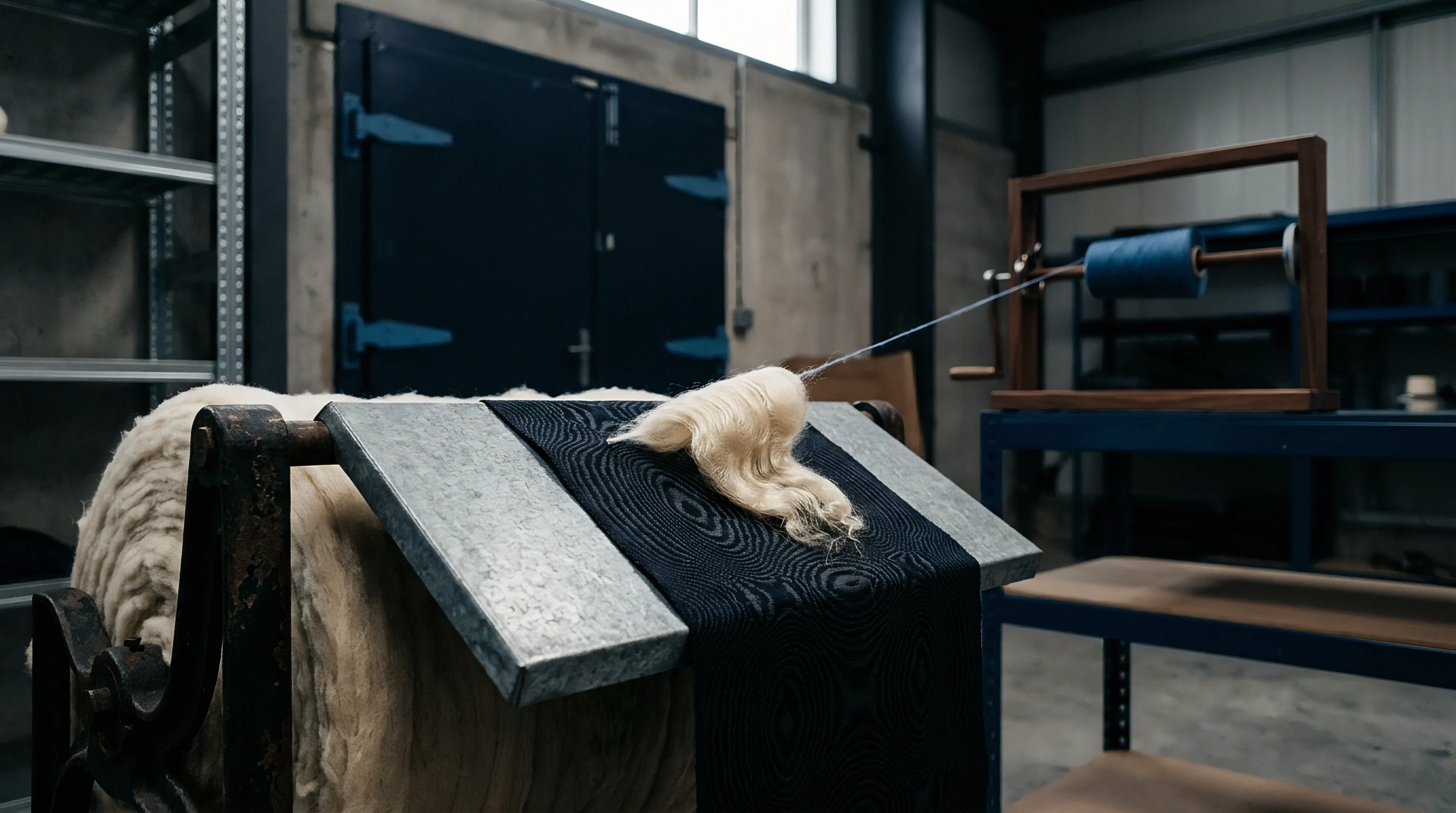
Quantitative analysis separates each fiber constituent before mathematical moisture adjustments take place. Cellulose absorbs ambient vapor. In hybrid yarn lots containing synthetic and natural components, technicians execute solvent extractions under ISO 1833 or ASTM D629 to determine exact dry mass proportions.
Acetone extracts secondary acetate, sodium hypochlorite dissolves wool, cold 75 percent sulfuric acid dissolves cotton, and boiling 85 percent formic acid extracts polyamide, leaving pure polyester residues untouched.
Each isolated component carries an internationally recognized commercial moisture regain value. Discrepancies between standardizing bodies require strict contractual agreement on which reference standard governs the transaction. The commercial regain value represents an agreed percentage added back to the clean dry mass, rather than the physical moisture level present inside the raw bale at the moment of shipping.
| Fiber Type | ISO 6741 Value | ASTM D1909 Value | BISFA Rule Value |
|---|---|---|---|
| Wool Clean Scoured | 17.00% | 13.60% | 17.00% |
| Cotton Carded Raw | 8.50% | 8.50% | 8.50% |
| Viscose Rayon Staple | 13.00% | 11.00% | 13.00% |
| Polyamide 66 Filament | 5.75% | 4.50% | 5.75% |
| Polyester Staple | 1.50% | 1.50% | 1.50% |
| Acrylic Dry Spun | 2.00% | 1.50% | 2.00% |
| Acetate Secondary | 9.00% | 6.50% | 9.00% |
Differences between standards produce material variations in total billed mass. An import shipment of wool and polyester tested under ASTM rules receives a lower allowable moisture addition than the same shipment evaluated under European ISO rules, shifting the final payable amount. Polyester resists moisture absorption.
Wool holds substantial water. Combining them creates an asymmetrical hygroscopic profile that shifts with ambient shipping climates.
A fifty-ton shipment of sixty-forty polyester and viscose evaluated at twenty degrees Celsius and sixty-five percent relative humidity carries an official moisture allowance of 6.10 percent under ISO standards.
Disputes frequently emerge from faulty laboratory execution during quantitative fiber separation:
- Chemical Degradation Error occurs when aggressive solvent concentrations degrade insoluble residual fibers during component washing cycles.
- Incomplete Extraction Residue leaves dissolved polymers bound to the filter crucible, artificially inflating the mass percentage of the undissolved constituent.
- Finishing Extractable Loss happens when topical spin finishes or processing lubricants wash away during solvent baths without separate mass accounting.
- Desiccator Equilibrium Failure takes place when warm crucibles absorb ambient atmospheric moisture inside unsealed cooling chambers prior to analytical balance registration.
Mills often claim that differences in laboratory separation results stem from normal spinning room humidity swings rather than incorrect raw component batching during initial blowroom carding.


Allowance
Calculating the collective commercial regain for a multi-component lot demands a weighted formulation based on the dry mass fraction of each fiber. Dry weight settles disputes. When an invoice quotes nominal percentages like fifty-fifty or sixty-forty, those numbers represent nominal blend targets rather than desiccated laboratory proportions.
Technicians apply mathematical weighting exclusively to clean dry proportions obtained from chemical separation tests.
The mathematical equation derives the collective percentage through individual fraction multiplication:
Commercial Regain Percentage = (Fraction A Dry Mass x Official Regain A) + (Fraction B Dry Mass x Official Regain B) + (Fraction C Dry Mass x Official Regain C)
Commercial Invoiced Mass = Clean Dry Mass x (1 + Commercial Regain Percentage / 100)
Applying this formula reveals how small errors in raw component analysis distort the final invoiced weight across large ocean shipments. Consider three representative commercial formulations evaluated under ISO 6741 standards.
| Formulation Blend Type | Tested Dry Ratio | Weighted Regain | Clean Dry Mass | Commercial Mass |
|---|---|---|---|---|
| Cotton and Polyester Lot | 60.0% / 40.0% | 5.70% | 42,500 kg | 44,922.5 kg |
| Wool and Polyamide Lot | 70.0% / 30.0% | 13.63% | 38,200 kg | 43,406.7 kg |
| Viscose, Acrylic, Polyester | 50.0% / 30.0% / 20.0% | 7.40% | 45,100 kg | 48,437.4 kg |
| Values calculated using ISO 6741 commercial moisture allowances based on 105 degrees Celsius oven desiccation. | ||||
Importers pay for water when shipments lack rigorous dry mass verification. When an incoming container registers 48,000 kilograms on the port scale but testing proves a clean dry mass of 42,500 kilograms for a sixty-forty cotton and polyester mix, the payable commercial mass is 44,922.5 kilograms. The buyer deducts 3,077.5 kilograms of excess environmental water from the ocean invoice.
Invoices adjust downward.

Where Does Commercial Allowance Override Measured Regain?
Contracts specify settlement based on commercial regain whenever natural moisture fluctuations make raw scale weights commercially unreliable. The measured moisture level inside a container might reach twelve percent following ocean transport through humid maritime corridors. The commercial allowance restricts payment to the negotiated rate regardless of how wet the shipment arrived at the warehouse gates.
The buyer pays for the solid fiber substance plus the agreed commercial allowance, rejecting excess liquid mass.
Settling commercial weight requires executing five laboratory calculation stages:
- Determine total container gross scale weight and subtract authenticated tare packaging weights to establish raw incoming mass.
- Extract representative composite fiber cores across ten percent of delivered bales in compliance with ISO 1130 sampling tables.
- Heat test specimens to 105 degrees Celsius until reaching mass equilibrium to determine lot moisture content and dry baseline mass.
- Execute chemical solvent dissolution under ISO 1833 to isolate individual fiber components and calculate their clean dry mass percentages.
- Multiply each dry component fraction by its official commercial moisture regain value to generate the composite allowance multiplier.
Commercial contracts citing International Wool Textile Organisation Core Test Regulations enforce commercial regain allowances as legally binding mass definitions, extinguishing all vendor claims based on raw container weighbridge certificates.

Skein
Yarn packages introduce physical geometry complications into sample drying and regain verification. Cargo absorbs container humidity. Cones, bobbins, and continuous filament skeins hold distinct moisture gradients between outer layers and inner cardboard cores.
When testing incoming yarn shipments, technicians strip outer yarn layers and wind standardized test skeins on precision wrap reels to achieve uniform thermal exposure inside desiccation ovens.
Hygroscopic hysteresis complicates mass verification. Fibers approaching ambient equilibrium from an absorption pathway hold less water at identical relative humidity than fibers approaching equilibrium from a desorption pathway. A yarn package manufactured in humid climates and dried during transport exhibits different physical moisture behavior than a lot dried during spinning and exposed to ocean dampness later.
Conditioning samples in standard atmospheres of twenty degrees Celsius and sixty-five percent relative humidity under ISO 139 eliminates physical hysteresis effects prior to chemical solvent analysis.
Natural absorption hysteresis creates measurable moisture content variations in identical yarn packages depending on their prior environmental exposure history.
Cardboard cones and plastic tubes absorb significant environmental water during sea voyages. Failing to strip yarn completely into free skeins distorts tare weights, causing tare deductions to register incorrectly. Lab tests expose variances.
Technical managers enforce strict reception verification checklists before validating incoming invoices:
- Tare Verification involves stripping sample packages completely, drying cores separately at 105 degrees Celsius, and confirming original tare allowances against supplier pack sheets.
- Core Sampling Depth isolates yarn specimens drawn from the middle third of bobbins, avoiding desiccated outer layers and oil-contaminated inner base wraps.
- Solvent Extractable Check strips oil lubricants, paraffin waxes, and antistatic chemicals that alter clean dry mass readings if left on yarn polymers.
- Balance Enclosure Sealing prevents convective airflow disturbances caused by hot oven carousels from shifting analytical balance draft shields during registration.
Omitting dry mass yarn testing on multi-fiber consignments leads directly to paying full fiber prices for cheap ambient water, producing compounding inventory write-downs across annual accounting cycles.
Contracts
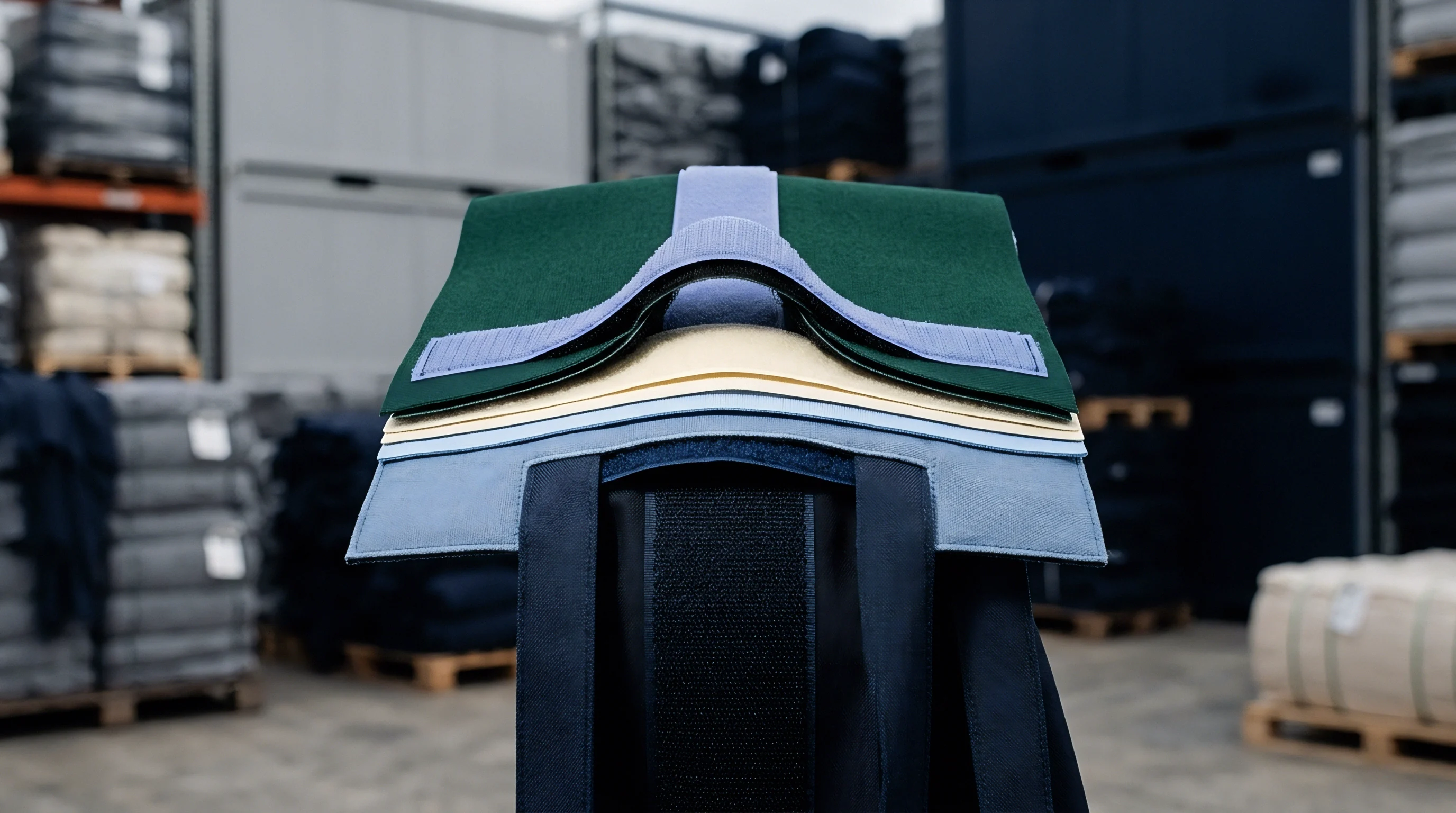
Procurement documents require precise moisture terms to prevent expensive supply chain disputes. Standard conditions dictate results. Purchase orders that state price per kilogram without defining moisture conditions leave the transaction exposed to variable weather at the shipping point.
Clear contracts establish whether pricing applies to gross shipping weight, conditioned weight, or commercial allowance weight calculated from dry mass testing.
Agreements should designate the testing standard, the accredited referee laboratory, and the financial tolerance thresholds governing invoice adjustments. If a buyer and mill agree on an allowable moisture regain of 5.70 percent for an intimate cotton-polyester yarn, the purchase order must specify whether ISO 6741 or ASTM D1909 governs the chemical separation. Standard commercial practice allows a half percent tolerance band between shipping documents and destination laboratory findings.
When verified destination regain falls outside that band, accounting departments adjust payments automatically based on certified dry weight.
International sourcing agreements that omit designated testing standards bind purchasing teams to raw scale weights recorded at vendor departure docks.
Thorough import documentation dossiers incorporate five verifiable technical items:
- Governing Standard Designation specifies ISO, ASTM, or BISFA testing rules governing desiccation temperatures and official regain tables.
- Sampling Protocol Reference defines the exact lot sampling density, core drill frequency, and sample container sealing requirements at arrival terminals.
- Tolerance Variance Band sets the allowable percentage deviation between factory certificate values and destination verification reports before price adjustments apply.
- Referee Laboratory Clause names the independent ISO 17025 accredited testing facility whose findings serve as final binding commercial judgment in payment disputes.
- Packaging Tare Schedule itemizes official deductions for container pallets, wooden crates, plastic cones, cardboard bobbins, and moisture barrier linings.
Experienced purchasing directors know that an unverified weight certificate is an open invitation for a supplier to ship wet fiber.

Border
Import customs authorities classify textile consignments strictly by chief weight, making moisture regain arithmetic decisive for tariff rates. Customs classifications follow mass. Under Harmonized System tariff rules, a yarn containing fifty-one percent carded cotton and forty-nine percent polyester staple falls into Chapter 52, whereas fifty-one percent polyester and forty-nine percent cotton falls into Chapter 55.
These tariff headings carry disparate customs duty rates, rules of origin, and trade defense measures across global jurisdictions.
Importers calculate component percentages on clean dry mass adjusted by official commercial moisture regain allowances under international customs guidelines. When raw fiber components are measured with unequal moisture levels, raw scale weights distort true legal composition. Natural fibers hold high moisture allowances, while synthetic fibers carry minimal allowances.
An unadjusted physical analysis might show a blend as chief weight synthetic, while legal commercial regain adjustments shift the official balance into a natural fiber heading, altering landed import duty liabilities.
| Fiber Blend Constituents | Tested Dry Mass | Commercial Regain Mass | Harmonized System Heading | Customs Duty Impact |
|---|---|---|---|---|
| Cotton 50.5% / Polyester 49.5% Dry | Cotton: 5,050 kg / Poly: 4,950 kg | Cotton: 5,479 kg / Poly: 5,024 kg | Heading 5205 (Cotton Yarn) | Chief Weight Cotton: 5.2% Tariff |
| Viscose 49.0% / Polyester 51.0% Dry | Viscose: 4,900 kg / Poly: 5,100 kg | Viscose: 5,537 kg / Poly: 5,176 kg | Heading 5510 (Artificial Yarn) | Chief Weight Artificial: 8.0% Tariff |
| Wool 48.0% / Polyamide 52.0% Dry | Wool: 4,800 kg / Polyamide: 5,200 kg | Wool: 5,616 kg / Polyamide: 5,499 kg | Heading 5106 (Wool Yarn) | Chief Weight Wool: 3.5% Tariff |
| Calculations apply ISO 6741 commercial moisture allowances: Cotton 8.5%, Polyester 1.5%, Viscose 13.0%, Wool 17.0%, Polyamide 5.75%. | ||||
In the second table scenario, the raw dry mass shows polyester predominating at fifty-one percent, which tempts a forwarder to classify the lot under Chapter 55 for synthetic staple yarns. Tariff rates track composition. Applying ISO commercial regain allowances reveals that viscose expands to 5,537 kilograms due to its thirteen percent allowance, while polyester reaches only 5,176 kilograms with its 1.5 percent allowance.
Viscose constitutes 51.7 percent of the legal commercial mass, shifting classification into artificial yarn headings and changing applicable duty obligations.
Border revenue agencies deploy quantitative chemical dissolution in their customs laboratories to verify declared blend percentages. When customs chemists discover that an importer used unadjusted scale weights or incorrect moisture standards to secure a lower duty rate, authorities issue penalty assessments, retroactive duty claims, and administrative seizure notices. Documenting exact commercial moisture regain calculations inside the customs dossier protects the importer against accusations of false trade declaration.
The unresolved question is how international customs courts will reconcile situations where national customs regulations mandate dry-mass classification while commercial trade agreements enforce destination-adjusted regain weights on the same border-clearing shipment.