
Standardizing Solvent Reflux Kinetics and Regain Adjustments in Cellulosic Analysis
Accurate cellulosic blend analysis requires pairing strict solvent reflux kinetics and d-factor scission corrections with standard commercial regain adjustments.
Accurate cellulosic blend analysis requires pairing strict solvent reflux kinetics and d-factor scission corrections with standard commercial regain adjustments.

Solvent extraction removes non-fibrous sizing and oils before applying statutory moisture regains to clean dry fibre masses for tariff classification.

Customs chief weight classification requires adjusting oven-dry fiber masses with official commercial regain allowances before calculating constituent ratios.

Commercial weight equals dry polymer mass multiplied by one plus the standard commercial regain percentage, converting tested moisture levels into trade invoices.

Commercial yarn weight verification relies on oven-dry mass determination modified by standard moisture regain percentages to determine billable weight.
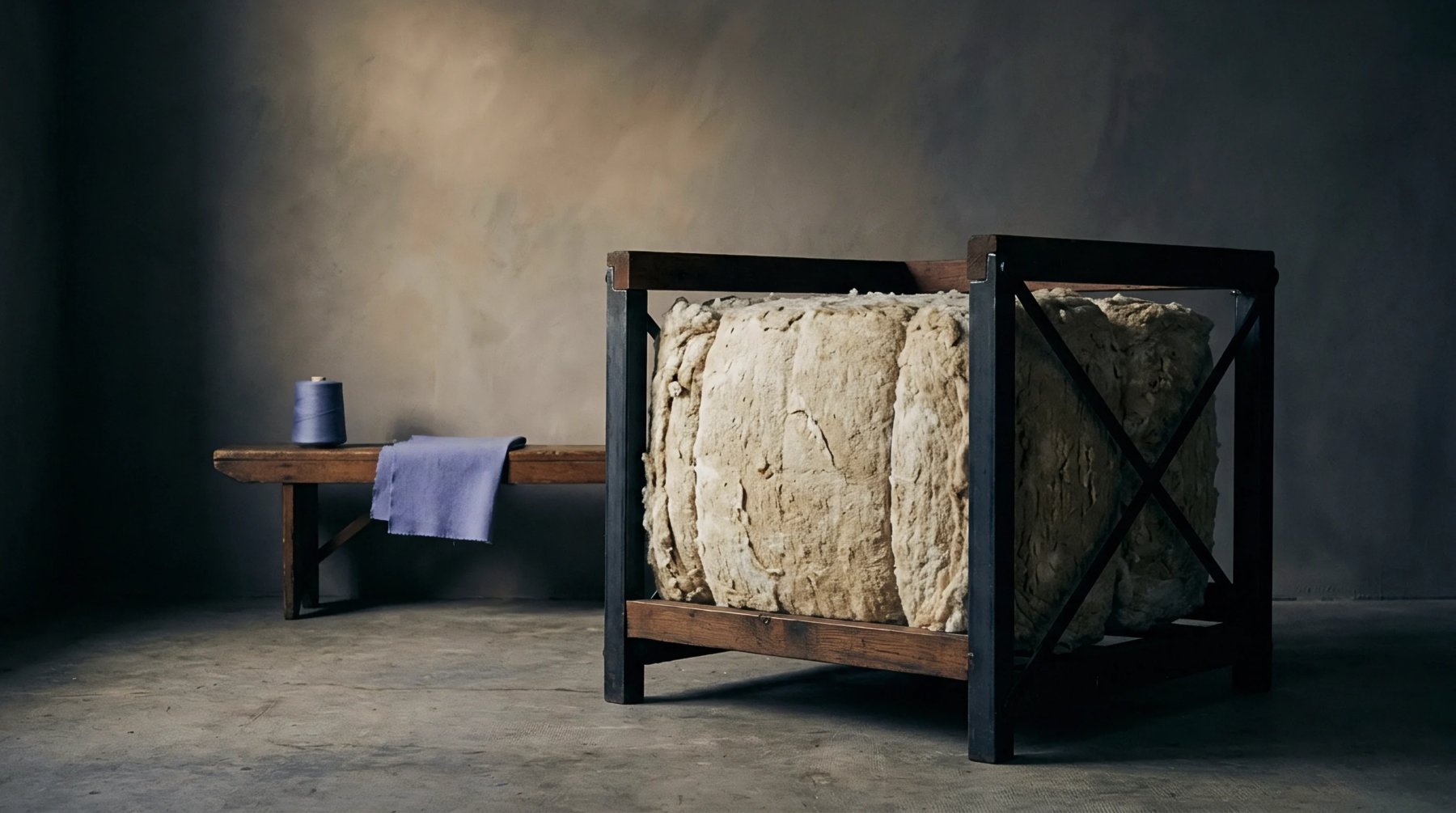
Determine commercial mass by calculating clean oven-dry mass from certified core samples and adding standard international commercial regain allowances to settle invoices.
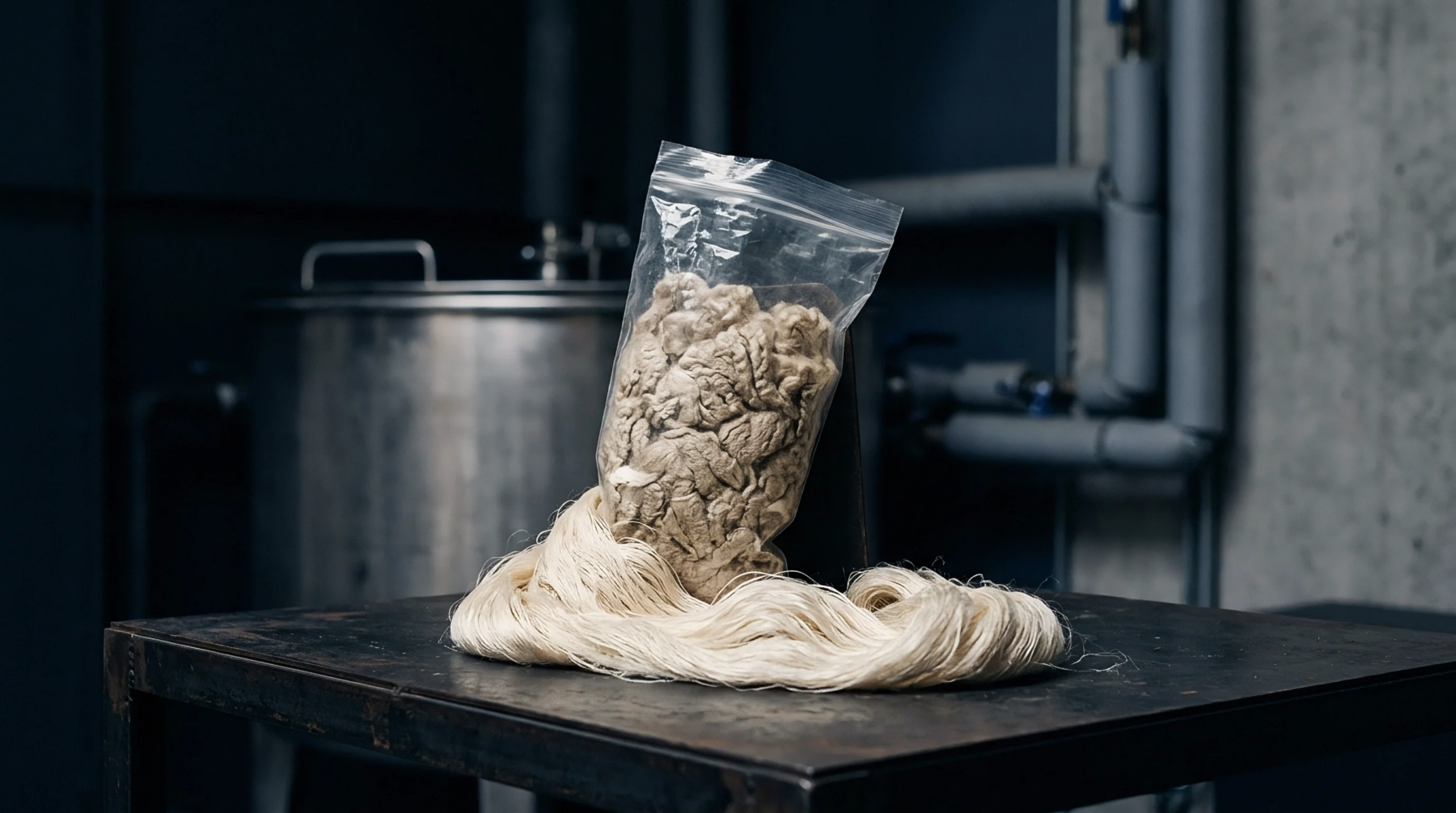
Commercial mass equals oven-dry mass multiplied by standard regain allowances, establishing an immutable billable weight independent of transit moisture shifts.

Fabric mass per unit area is calculated by combining yarn linear density, thread count, and crimp factors across conditioned warp and weft system dimensions.
Expertise is a utility, not a secret. sentiention™ publishes its working knowledge as open reference: intelligence layer covering the materials it sources, the markets it enters, and the reference that serves both.