Commercial Weight Recalculation Methods for Raw Textile Fiber Import Lots
Commercial weight recalculation adjusts raw fiber invoice mass by adding official contractual moisture regain allowances to laboratory verified oven-dry fiber mass.


Tare
The gross container weight recorded at a port terminal tells a buyer very little about payable mass. Bills of lading list a gross figure combining raw fiber with steel bands, wooden pallets, polyethylene wrapping, interior paper liners, and wire ties. Packaging mass also varies by season across containerized shipments ~ a dry floor can add twenty kilos of corrugated decking in winter packing runs, and mill scales weigh every gram of that deadweight as if it were usable stock.
Standard contracts require actual tare deductions based on sample units stripped directly from the manifest. The receiving warehouse pulls five percent of the containers, strips off the wrapping and strapping, and weighs all nonfibrous material on a calibrated static platform scale. That average packaging weight per bale is then applied across the manifest.
If the warehouse skips this step, estimated tare values on supplier packing slips end up replacing actual weight.
A physical tare check protects the buyer against paying fiber prices for discarded baling wire.
Packaging mass varies based on origin press specifications and transport setup:
- Galvanized steel straps cause deadweight variance whenever baling equipment switches between high-tensile wire and punched steel ribbon.
- Woven polypropylene wraps collect dust during drayage, shifting packaging weight by several hundred grams per bale.
- Solid timber skids pick up moisture during long dwell cycles in monsoon discharge terminals.
- Corrugated cardboard caps collapse under stack pressure and gather dirt inside export stuffing stations.
Small tare errors add up quickly on large contracts. A five-hundred-gram discrepancy per bale creates one thousand kilos of phantom weight across a standard two-thousand-bale shipment. Mills invoicing yarn against unverified gross weights end up taking inventory losses before the opening line even strips a wrapper.
Yields fall below target limits, and waste figures climb artificially because accounting logs count packaging weight as lost staple fiber.
Skipping packaging verification inflates initial raw material balances, driving up the landed cost per net kilo of clean stock before production starts.

Desiccation
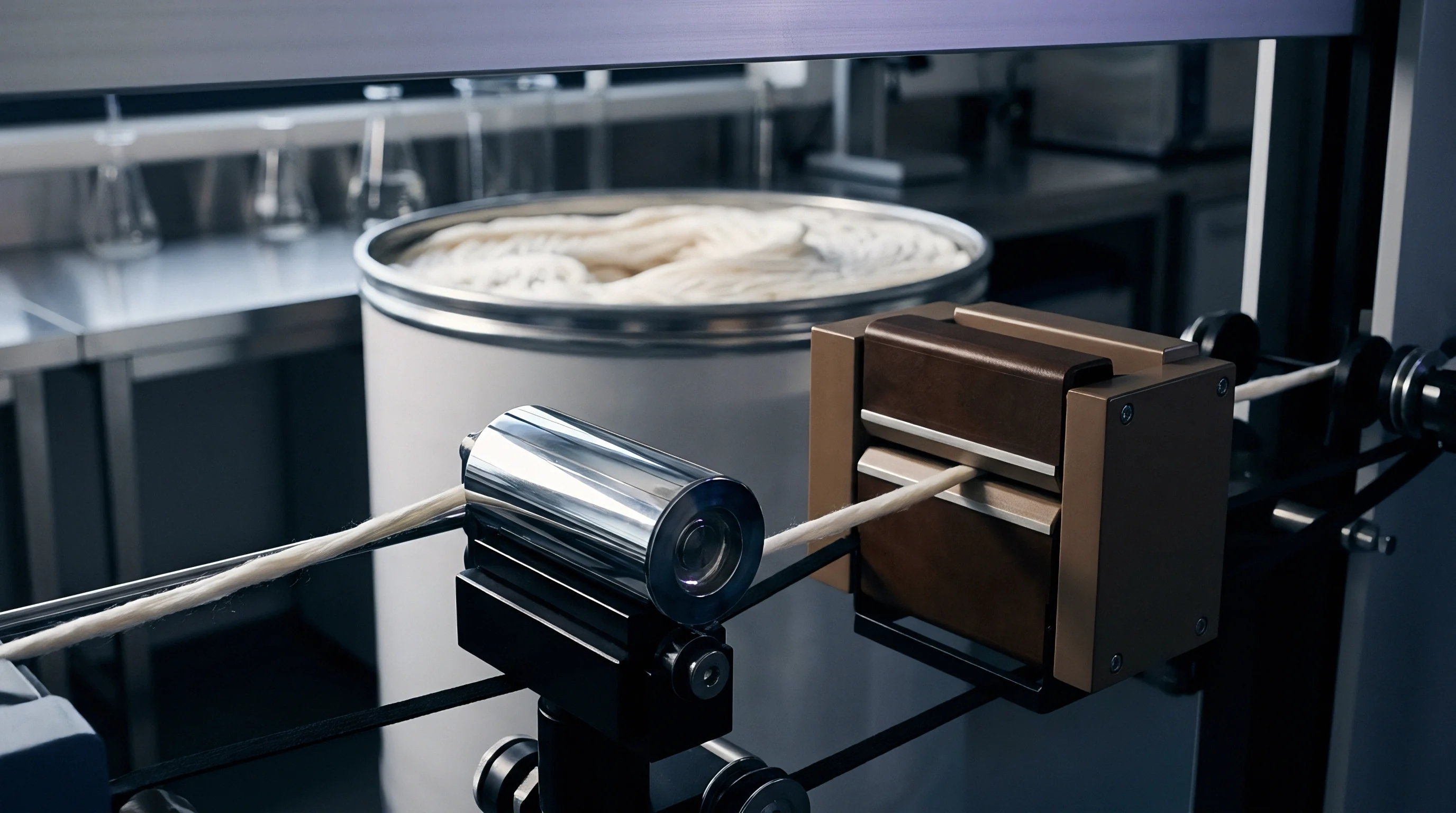
Circulating heated air expels unbound water from the cellular matrix of natural fibers and intermolecular voids of synthetics. Under ISO 6741-1 testing, specimens are taken from the center of freshly opened bales so ambient humidity doesn’t corrupt the moisture profile. Technicians use mechanical coring barrels with hardened rotary teeth to cut through compacted fiber layers.
The extracted cores drop into airtight metal canisters sealed with silicone gaskets for transport to the lab.
Absolute dry mass is determined in ventilated ovens held at one hundred five degrees Celsius. An analytical balance tracks weight loss until consecutive weighings fifteen minutes apart show a difference under zero point zero five percent, confirming volatile moisture is gone. If thermal chambers exceed set limits, fibers degrade ~ protein fibers like wool yellow quickly above one hundred five degrees, scorched chemically in a way that artificially alters dry mass.

Has Extraction Removed All Nonfibrous Matter?
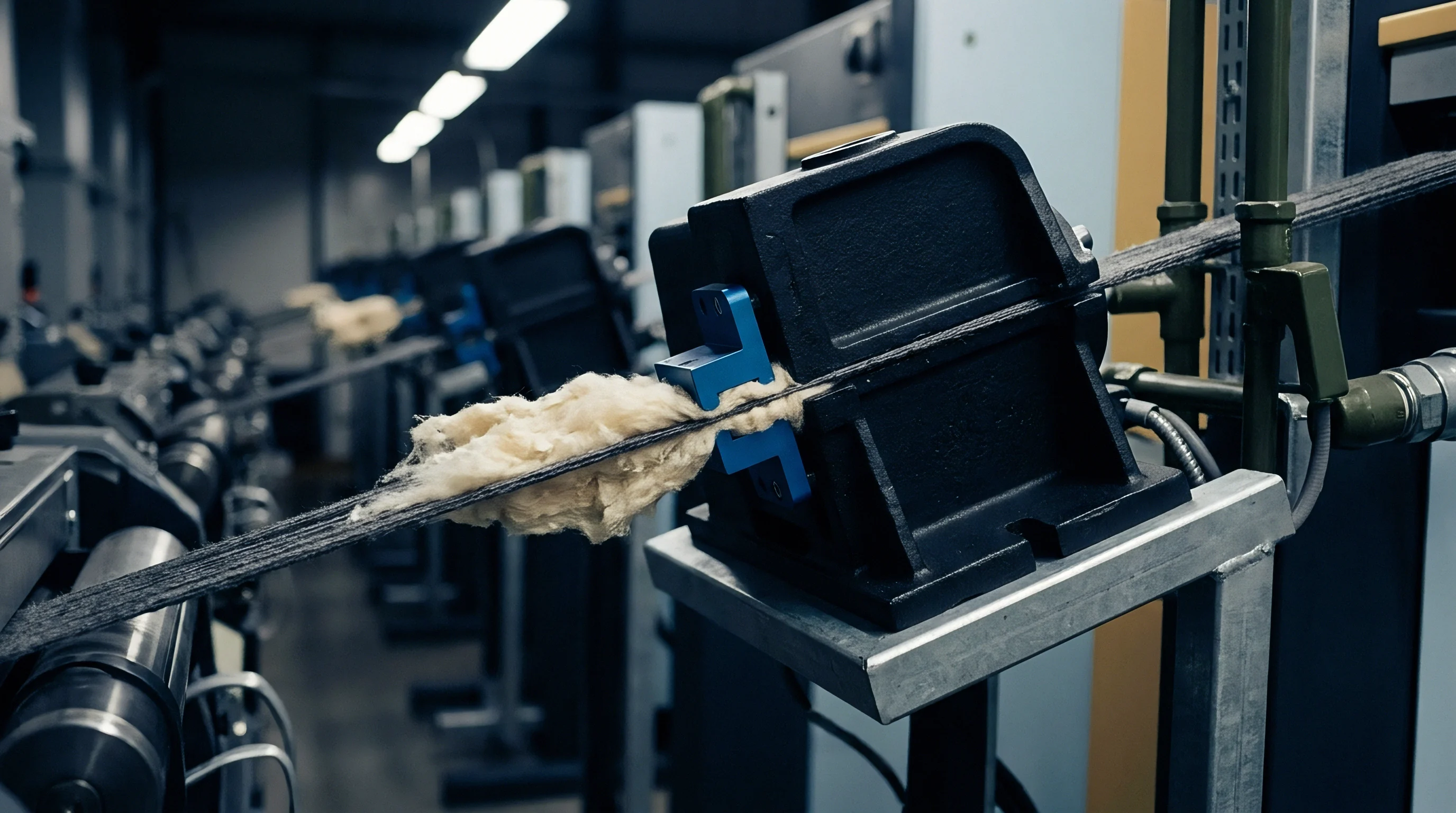
Organic solvent extraction removes fatty residues, spinning oils, and lubricants from commercial fibers. Scoured wool retains residual suint and grease that survive hot air drying. Labs process the dried fiber through twenty cycles of clean dichloromethane in Soxhlet extraction units to dissolve nonfibrous waxes.
The solvent is evaporated in a vacuum flask, leaving a residue subtracted from the oven-dry mass.
Water-soluble matter poses another testing hurdle. Core samples undergo repeated rinses in boiling distilled water to strip sizing agents and plant exudates. Clean cellulosic fiber requires an ash test if foreign mineral grit is suspected.
The testing sequence follows set mechanical steps:
- Airtight canister tare weighings establish the container base weight on an enclosed three-decimal analytical scale before coring.
- Rotary core extraction pulls sample plugs from randomly selected positions across ten percent of the manifest.
- Rapid thermal transfer places specimens into the preheated oven within three minutes of unsealing the canister.
- Continuous mass recording tracks weight until three successive measurements show zero residual unbound water.
- Organic solvent washing dissolves fatty residues to isolate clean dry fiber mass.
Ambient humidity during port unstuffing can restore moisture driven out by oven drying.
Allowance
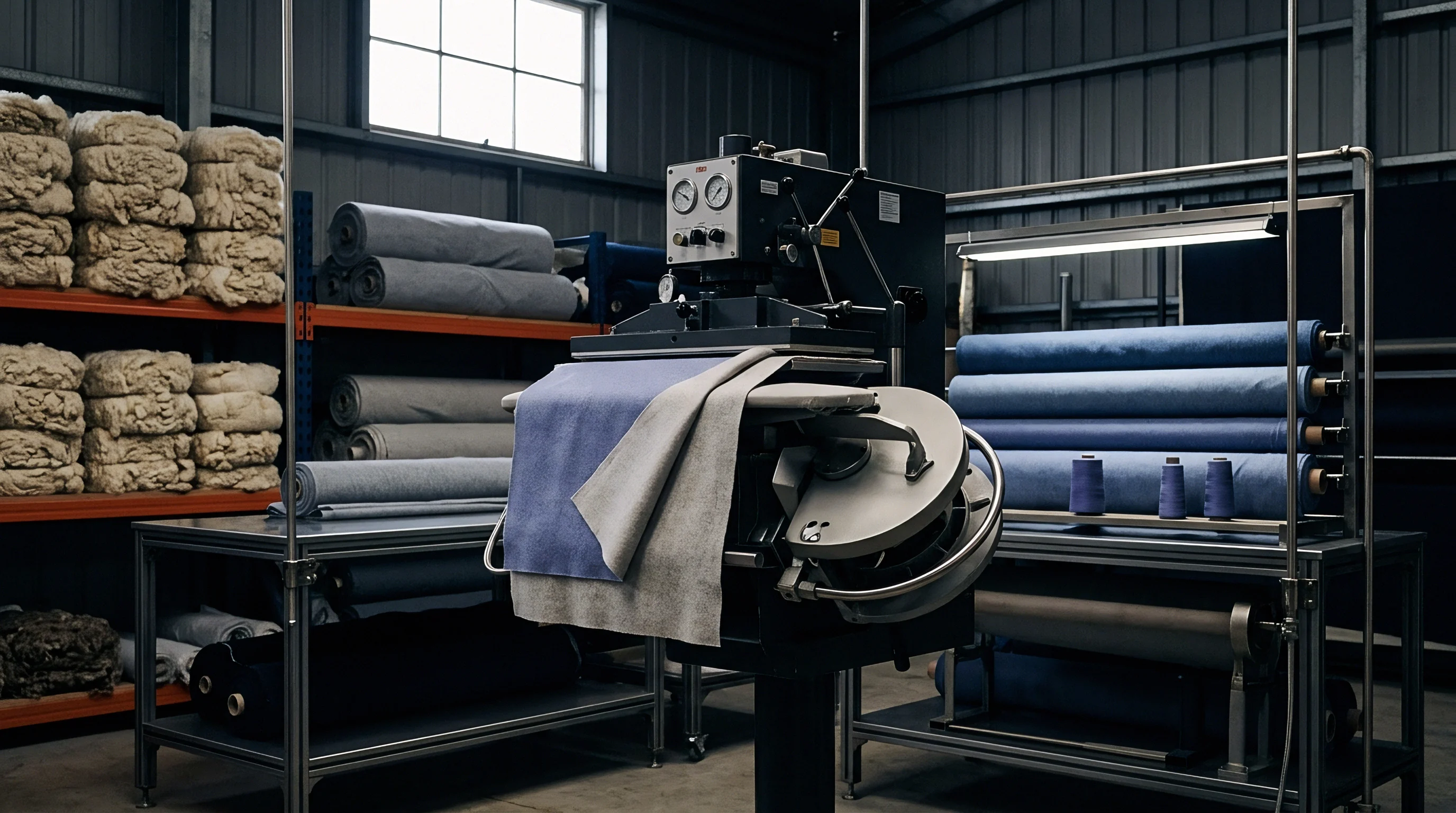
Standard moisture regain is an agreed commercial convention. Natural and regenerated fibers absorb ambient moisture at very different rates ~ wool has a natural regain exceeding sixteen percent, while polyester filament absorbs less than one half percent under the same relative humidity. Trading bodies set official commercial allowances to keep invoices consistent across different transit routes and climates.
Commercial regain is not the same as equilibrium moisture content. Equilibrium reflects actual moisture held at twenty degrees Celsius and sixty-five percent relative humidity in standard testing conditions. Commercial regain is a contractual figure used to standardize trading weight.
IWTO rules for wool specify eighteen point two five percent regain for clean scoured wool, while International Cotton Association rules set cotton at eight point five percent.
Under standard arbitration clauses, failure to specify the exact governing testing body automatically invalidates unilateral moisture recalculation claims.
Commercial allowances also include set percentages for natural fats, added lubricants, and chemical finishes applied during processing. Invoices account for these additives up to defined contractual limits.
| Fiber Classification | Governing Standard | Commercial Regain Percentage | Commercial Additive Allowance | Total Commercial Surcharge Percentage |
|---|---|---|---|---|
| Scoured Raw Wool | IWTO-19 | 18.25 | 0.00 | 18.25 |
| Raw Ginned Cotton | ICA Bylaws | 8.50 | 0.00 | 8.50 |
| Viscose Rayon Staple | BISFA Rules | 13.00 | 0.00 | 13.00 |
| Polyester Staple Fiber | BISFA Rules | 1.50 | 0.00 | 1.50 |
| Flax Clean Scutched | ISO 6741-2 | 12.00 | 0.00 | 12.00 |
| Nylon 6 Staple | BISFA Rules | 6.25 | 0.00 | 6.25 |
| Silk Raw Degummed | ISO 6741-2 | 11.00 | 0.00 | 11.00 |
Which Regain Standard Governs Composite Shipments?
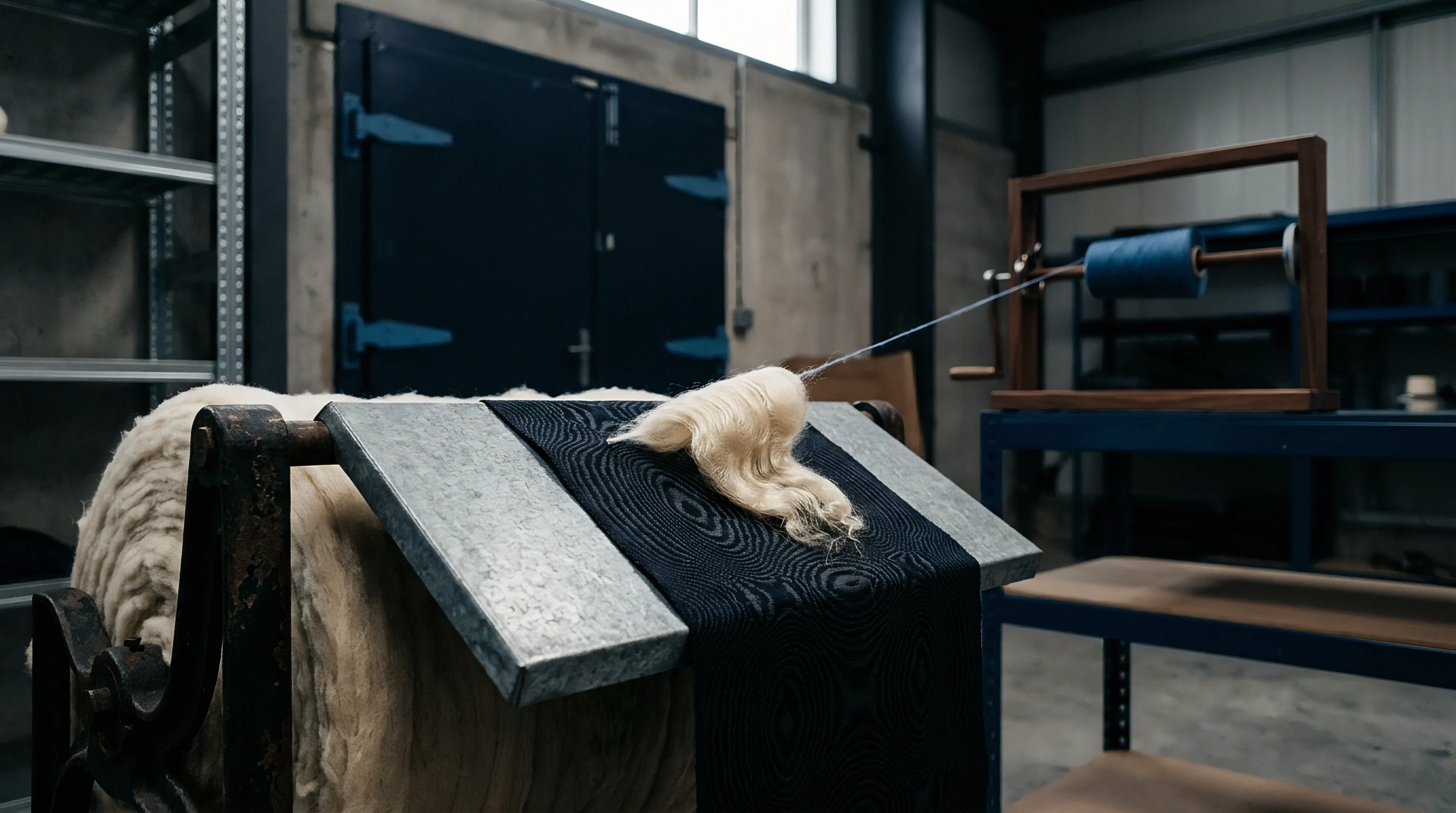
Blended lots complicate calculation when unspun fiber arrives in separate bales intended for yarn production. Applying a single blended regain average based on estimated yarn formulas is a common shortcut, but customs rules and import contracts require testing each bale lot separately by its primary fiber. A container with forty bales of scoured wool and forty bales of nylon staple requires separate drying tests and distinct regain adjustments before adjusting billing.
Trade agreements resolve conflicting standards by establishing clear priority between governing bodies. Referencing both ASTM D1909 and BISFA guidelines creates ambiguity because ASTM assigns thirteen point zero percent regain to modal staple while BISFA sets it at eleven point zero percent. Primary commercial terms must specify which standards organization applies.
Dry fibers absorb moisture rapidly, while saturated fibers surrender water slowly under identical ambient conditions.
Settlement
Final payment recalculations convert verified laboratory dry mass into legal commercial mass, matching invoiced net weight against sample loss. Once clean dry mass is known, commercial weight is calculated by applying the official regain and allowance percentages directly to that figure.
To calculate commercial mass, clean dry mass is multiplied by one hundred plus the regain and allowance percentages, then divided by one hundred. If a shipment carries extractable finish above the allowed limit, that excess percentage is deducted from the dry mass before determining final payable weight.
A container manifesting forty thousand net kilos at eleven percent moisture content holds only thirty-nine thousand one hundred kilos of payable mass under an eight point five percent contract regain.
Consider an imported consignment of scoured wool manifested at twenty thousand kilograms net under IWTO conditions, which allow an eighteen point two five percent regain. If core samples tested under ISO 6741-1 show the wool arrived wet at twenty-two percent moisture content on dry mass, the clean dry weight works out to sixteen thousand three hundred ninety-three point four kilograms. Applying the eighteen point two five percent commercial regain gives a recalculated mass of nineteen thousand three hundred eighty-five point two kilograms, allowing the buyer to deduct six hundred fourteen point eight kilograms of billed water from the invoice.
| Fiber Category | Stipulated Regain Percent | Tested Moisture Regain | Oven-Dry Fiber Mass (kg) | Commercial Weight (kg) | Invoice Mass Settlement (kg) |
|---|---|---|---|---|---|
| Scoured Wool Lot A | 18.25 | 22.00 | 16,393.40 | 19,385.20 | -614.80 |
| Scoured Wool Lot B | 18.25 | 15.00 | 17,391.30 | 20,565.21 | +565.21 |
| Raw Cotton Lot A | 8.50 | 11.20 | 17,985.61 | 19,514.39 | -485.61 |
| Raw Cotton Lot B | 8.50 | 6.80 | 18,726.59 | 20,318.35 | +318.35 |
| Viscose Staple Lot A | 13.00 | 15.50 | 17,316.02 | 19,567.10 | -432.90 |
| Polyester Staple Lot A | 1.50 | 2.80 | 19,455.25 | 19,747.08 | -252.92 |
Commercial recalculation works in both directions. If storage in an arid warehouse leaves fiber unusually dry, verified commercial weight will exceed manifested weight, resulting in an upward price adjustment. Because vendors often pack fiber damp to protect margins against dry-lot adjustments, the financial risk usually sits with the buyer.
Recalculations also affect landed customs declarations, as Harmonized Tariff Schedule duties apply to payable commercial mass rather than gross container weight. Duties paid on excess water become an unrecoverable loss once customs entries close without official moisture certificates.
Under International Chamber of Commerce rules, invoice totals adjust automatically based on accredited independent laboratory certificates, without requiring additional approval from the seller.

Dispute
Discrepancies between shipping documents and buyer lab results often lead to arbitration. Factory bench tickets may show outgoing lots met moisture specifications when stuffed, but a forty-day equatorial transit exposes containers to severe humidity shifts, driving water vapor into outer bale layers. Establishing a valid claim requires clear chain-of-custody records.
Trade rules set strict tolerance thresholds before financial adjustments apply. Under BISFA provisions, recalculation claims require calculated commercial mass to differ from invoiced net mass by more than zero point five percent. Variations within that window are ignored, leaving the original invoice unchanged to avoid minor disputes over small scale variations or atmospheric shifts.
When weight variance exceeds the threshold, arbitrators evaluate how samples were taken and handled. A buyer must provide full verification documentation collected upon arrival:
- Certified weighbridge tickets show initial gross vehicular mass alongside post-discharge unladen truck tare readings.
- Intact container seal logs record terminal verification numbers prior to container latch removal.
- Coring calibration records prove sampling barrel dimensions and balance maintenance intervals conformed to ISO standards.
- Sample transit logs verify core canisters remained hermetically sealed between warehouse receiving docks and laboratory testing benches.
- Independent testing certificates present numerical drying progressions alongside solvent-extracted nonfibrous residues.
Missing container seal logs will invalidate moisture claims in arbitration. Without proof that the container remained sealed until certified technicians arrived, arbitrators treat wet damage as having occurred during local drayage.
It remains debated whether rapid microwave drying instruments offer enough precision to replace traditional thermal convection balances during quick port clearance arbitrations.