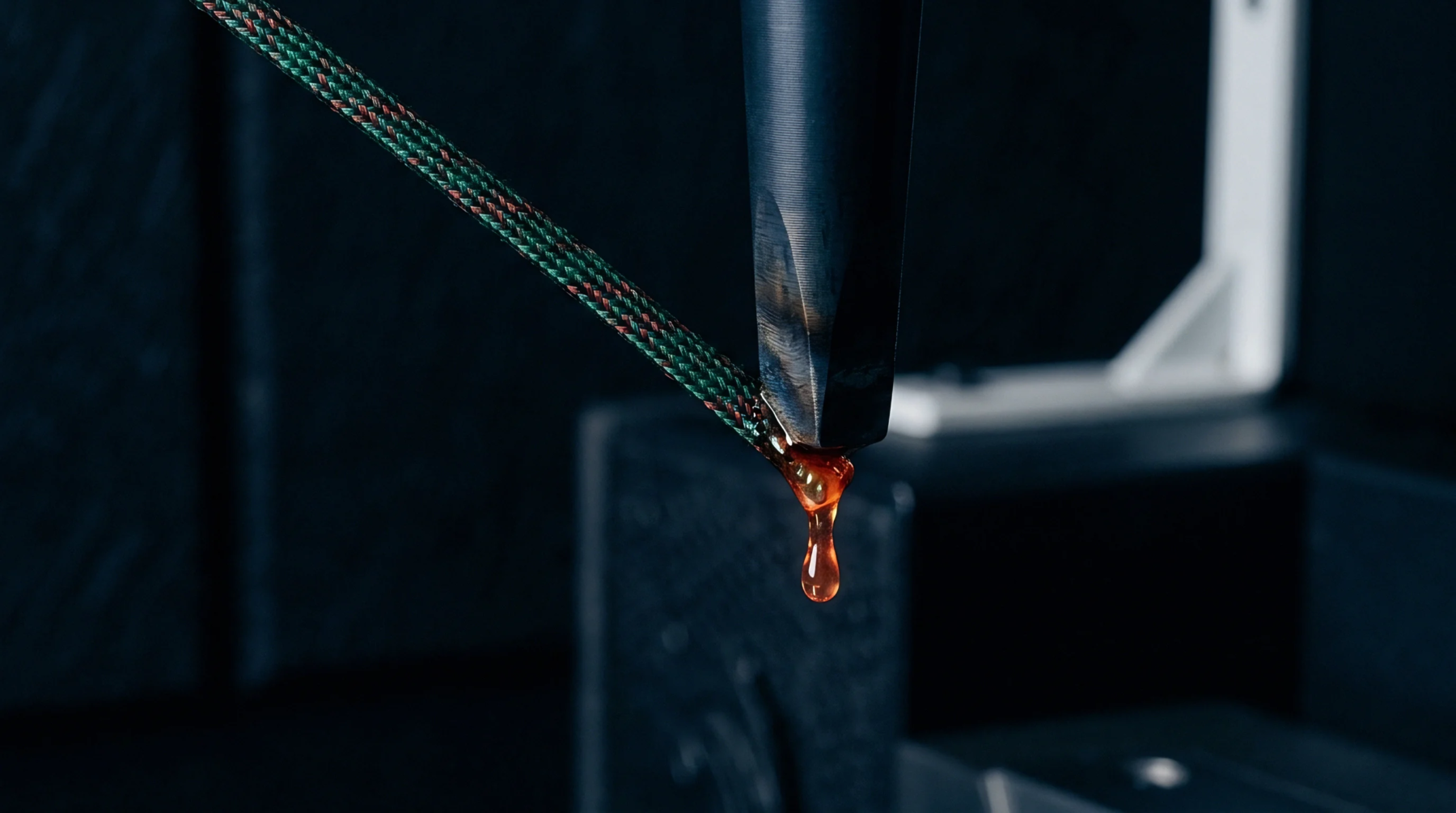
Controlling Surface Oligomer Migration during False Twist Texturing Operations
Controlling PET texturing oligomers requires low trimer chips, thermal zone optimization below 210C, and high stability spin finish surfactants.
Controlling PET texturing oligomers requires low trimer chips, thermal zone optimization below 210C, and high stability spin finish surfactants.

Quantifying cyclic trimer in textured PET yarn demands distinguishing surface deposits from bulk content using pre-washed HPLC-UV surface solvent extraction.

Accurate fiber quantification separates extractable finish silicones from base polymer oligomers using liquid chromatography mass balance before calculating dry mass.

Clean oven-dry mass calculations subtract moisture and non-fibrous extractables before applying standardized regain schedules to establish true commercial weight.
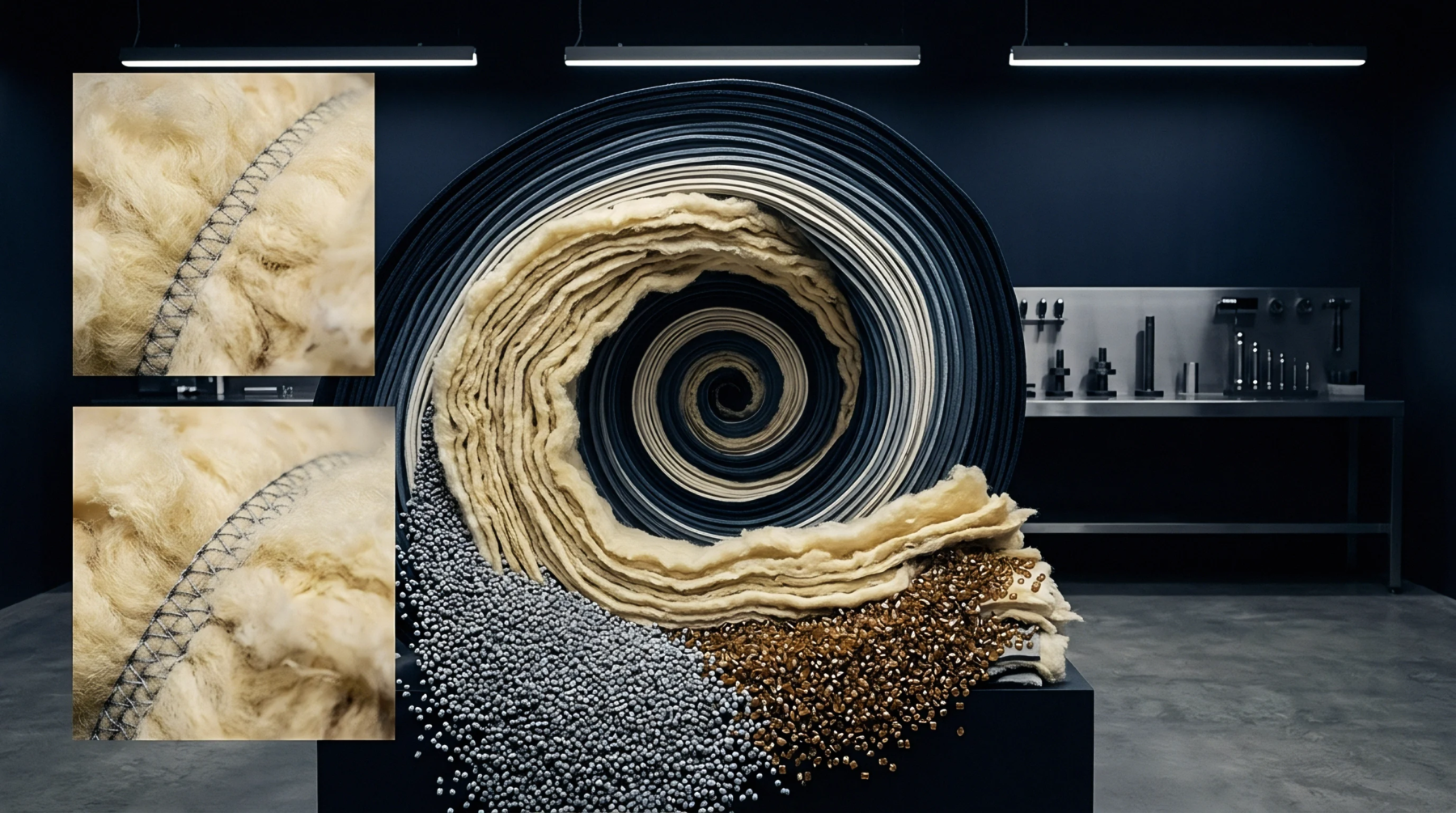
Reconciling dissected yarn crimp and non-fibrous finish loss requires subtracting chemical extractables from raw thread mass before calculating true bare Tex.

Core sampling raw cashmere bales under IWTO-38 provides objective scoured yield and micron data that prevents commercial overpayment before scouring.

PET oligomer solvent leaching reduces residue weight by up to 2.5%, distorting blend calculations unless corrected by empirical batch-specific d-values.

Chromatographic analysis isolates residual synthetic lubricants from natural wool grease, preventing downstream dye defects and verifying chemical specs.
ISO 6741 calculations determine billed yarn mass by applying official moisture regains to dry weights, preventing water weight disputes in global trade.
Commercial mass scales anhydrous oven-dry textile mass by adding standardized official moisture and extractable allowances for accurate settlement and customs declarations.
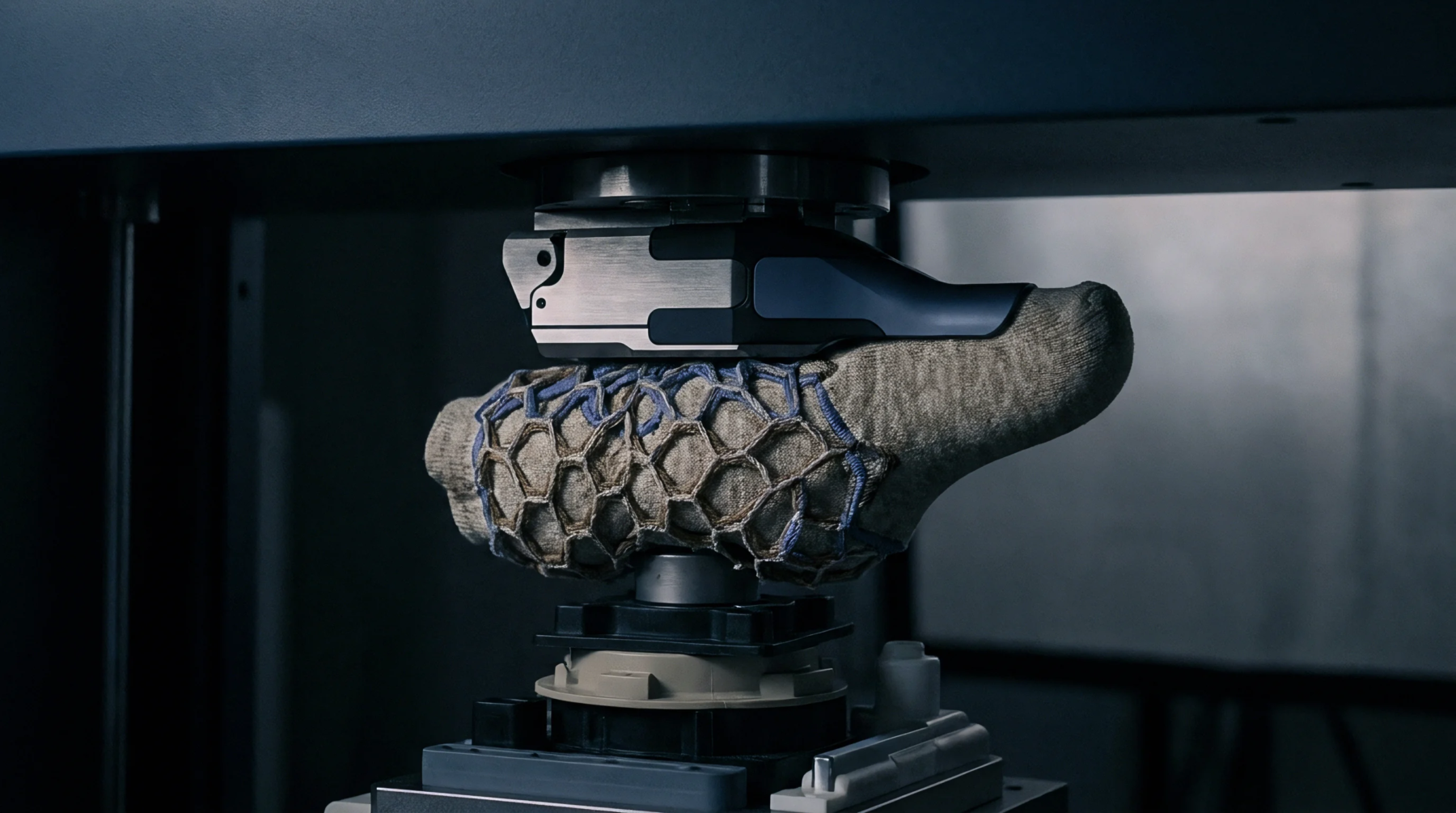
Solvent extraction on post-consumer yarn varies due to oligomer leaching and solvent choice; specify non-swelling solvents to isolate true topical oils.

Commercial weight recalculation adjusts raw fiber invoice mass by adding official contractual moisture regain allowances to laboratory verified oven-dry fiber mass.
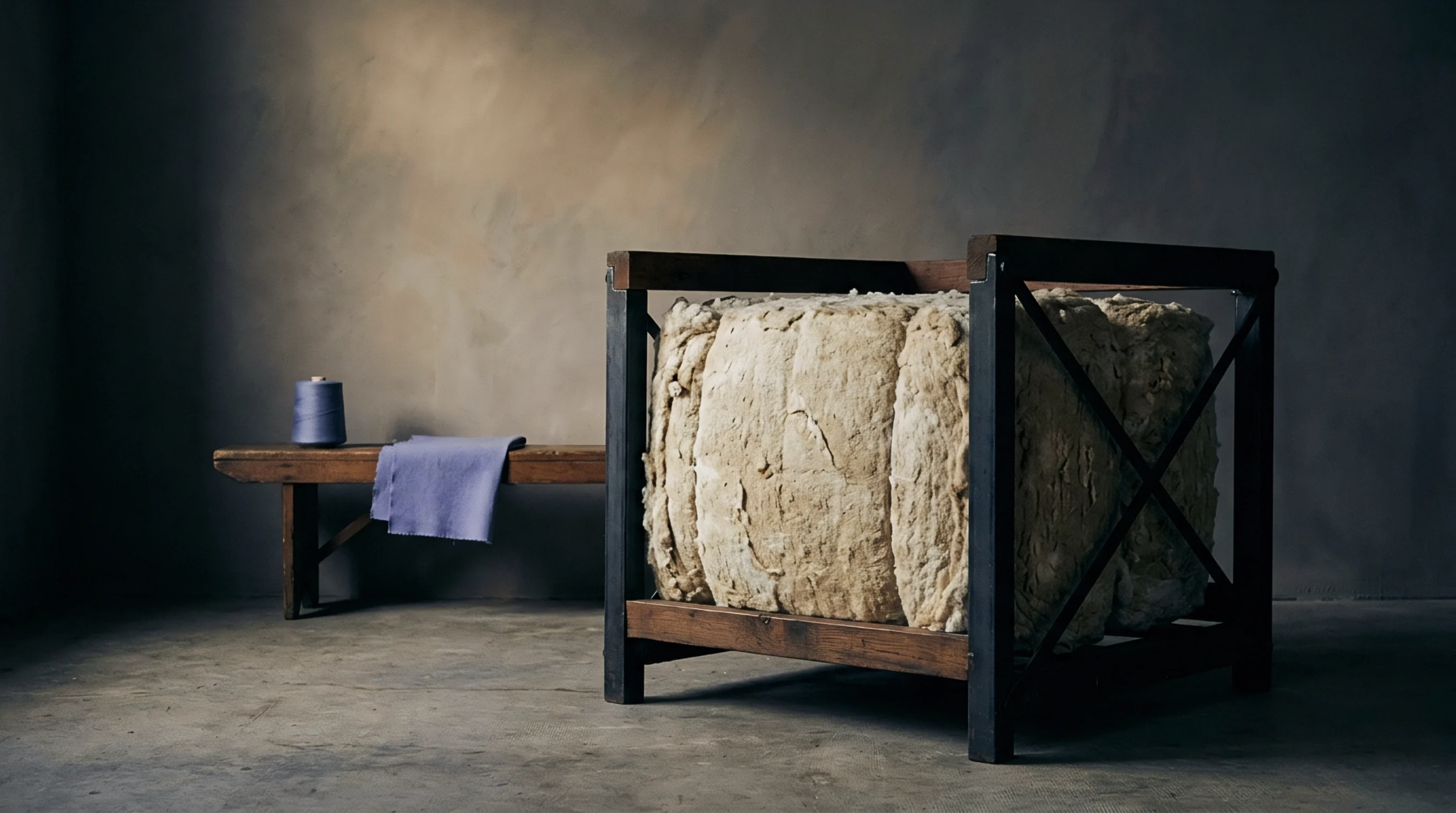
Determine commercial mass by calculating clean oven-dry mass from certified core samples and adding standard international commercial regain allowances to settle invoices.
Solvent degreasing of oriented yarns demands strict bath temperature control below depressed glass transition thresholds to prevent chain relaxation and tenacity decay.

Resolving cashmere diameter discrepancies requires specifying IWTO test methods, conditioning samples under ISO 139, and contracting binding referee arbitration.
Chlorinated solvent extraction of synthetic yarns leaches structural cyclic oligomers, requiring chromatographic baseline corrections to prevent inflated finish oil counts.

Weighted commercial regain calculations turn dry mass fractions and standard allowance rates into contractually enforceable net billable yarn shipment weights.
Calculating net dry mass adjustment factors requires converting port scale weights to oven-dry mass using ISO 6741 regain standards to prevent paying duty on absorbed water.
Expertise is a utility, not a secret. sentiention™ publishes its working knowledge as open reference: intelligence layer covering the materials it sources, the markets it enters, and the reference that serves both.