Pressure Reduction
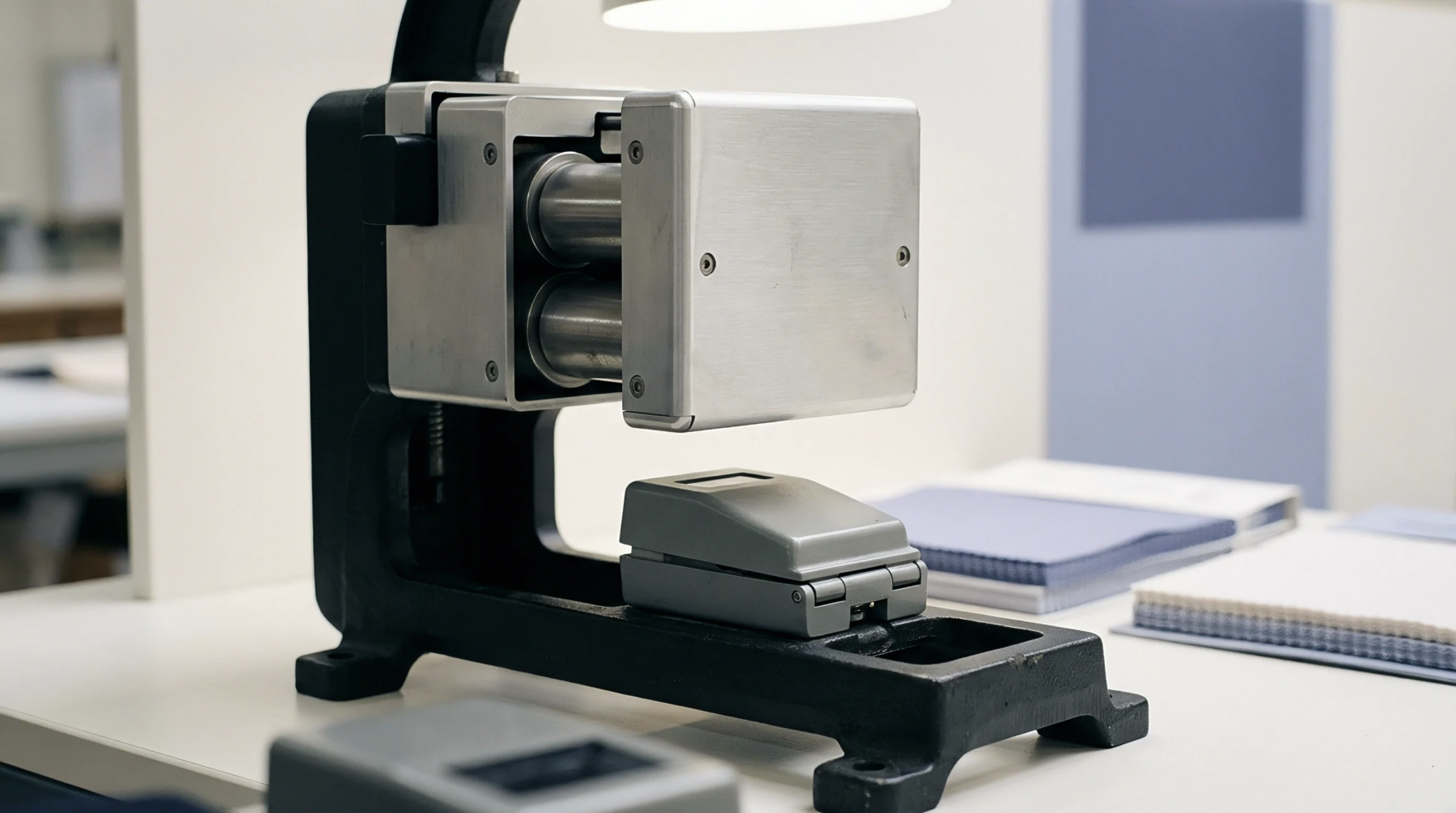
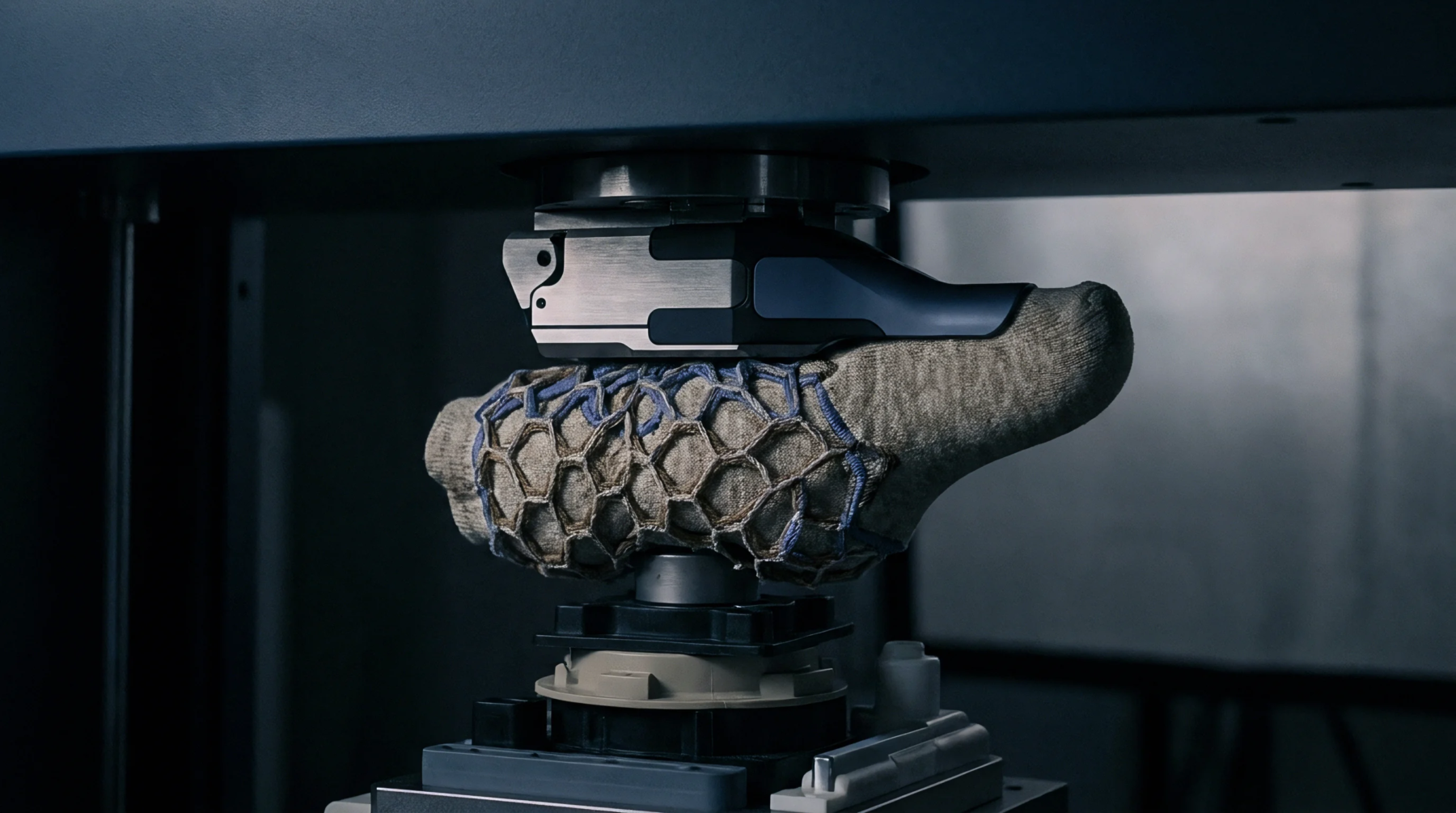
Reduced pressure drying apparatus accelerates moisture evaporation from hygroscopic textile specimens without exposing delicate fibres to elevated thermal degradation. Vacuum desiccation lowers the ambient pressure inside a sealed chamber, depressing the boiling point of entrained water molecules within fibre pores. Laboratory technicians utilize this low-temperature drying method when preparing heat-sensitive synthetic polymers or silk fabrics for quantitative moisture content determinations.
Vapor Depressurization
Mechanical vacuum pumps extract atmospheric gas from sealed glass or metal chambers containing dry desiccant materials like phosphorus pentoxide. In vacuum desiccation, the low internal chamber pressure forces water molecules to rapidly migrate out of the solid fibre matrix into the surrounding dry space. The desiccant material continuously absorbs water vapor, maintaining a steep vapor pressure gradient that drives complete specimen drying.
Temperatures inside the chamber remain at ambient laboratory levels, protecting delicate finishes or heat-labile dyes from thermal oxidation. Technicians monitor internal pressure gauges to ensure vacuum levels remain below targeted absolute pressure limits throughout the drying cycle.
Moisture Retention
Specimen mass stabilization under reduced pressure yields exact dry weight figures without thermal decomposition of fibre finishes or natural wax coatings. In vacuum desiccation, dry specimen weights provide an accurate baseline for calculating fibre moisture regain and moisture content values.
Laboratory Execution
Standardized testing protocols mandate vacuum drying when evaluating specialty technical fabrics treated with temperature-sensitive coatings. Conventional oven drying at high temperatures can volatilize functional finishes or scorch heat-sensitive elastomeric yarns, distorting dry mass measurements. Mills rely on precise moisture regain testing to establish accurate commercial invoice weights for bulk fibre shipments.