Lubricant Formulation
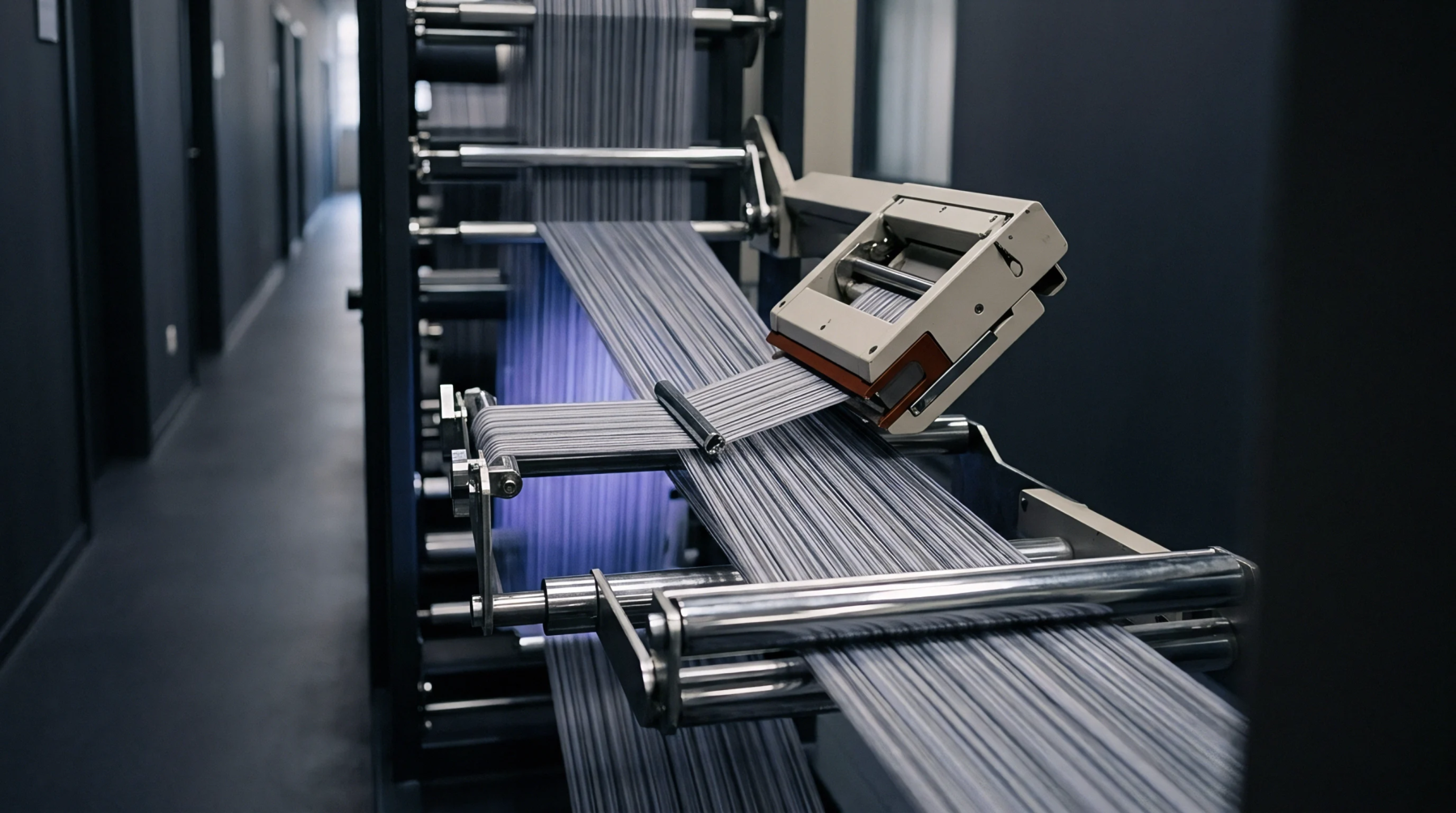
Synthetic organic compounds applied during fiber extrusion reduce friction against metal guides during high speed drawing operations. Filament stability relies entirely on uniform distribution across the running strand. Spin finish coats individual polyolefin filaments with a thin lipid layer before winding onto bobbins.
Excess deposition creates gummy deposits on carding machinery during subsequent staple processing. Insufficient coverage generates static charge accumulation and subsequent filament breakage in modern texturing units.
Thermal Stability
Volatilization occurs when residual oils encounter heated draw texturing heater plates operating above normal processing thresholds. Vaporized components condense inside exhaust ducts and cause environmental emissions violations at the mill boundary. Chemical composition determines the smoke point during high temperature drawing stages.
Nonionic emulsifiers prevent premature separation under extreme mechanical shear. Laboratory thermogravimetric analysis measures weight loss profiles up to three hundred degrees Celsius.
Friction Control
Surface lubricity governs the tension profile from creel to take up package without generating static electricity. Roller friction tests quantify the drag coefficient between moving yarns and ceramic guides. Static decay measurements verify additive conductivity on synthetic yarn bundles.
Low dynamic friction prevents filament rupture during aggressive high speed winding. High static friction induces localized heating and subsequent polymer degradation inside the extrusion zone.
Scour Removal
Subsequent wet processing stages require complete elimination of applied lubricants prior to dyeing operations. Aqueous baths containing specific surfactants detach residual lipids from hydrophobic polyester surfaces. Residual oils prevent uniform dye penetration and cause patchy color absorption across woven fabrics.
Spectrophotometric analysis detects residual chemical traces on finished goods before final customer acceptance. Effluent treatment facilities monitor chemical oxygen demand levels originating from wash water discharges.