Solvent Extraction Methods for NonFibrous Additives in Spun Yarns
Solvent extraction isolates spin finishes and waxes from spun yarns, preventing excess processing aids from inflating commercial mass and landed duty costs.
Flask
Solvent Selection Criteria for NonFibrous Extractions
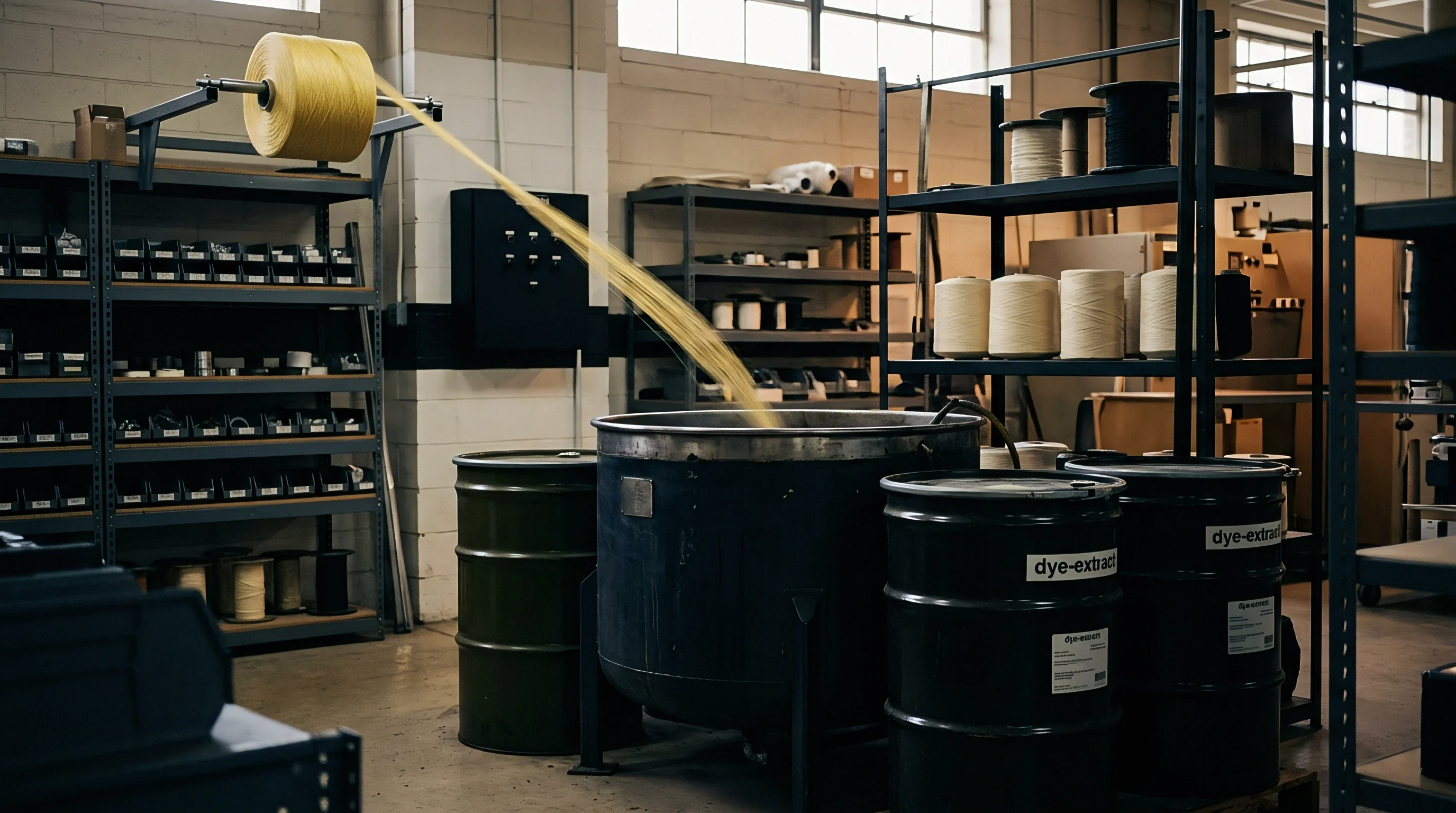
Quantitative determination of non-fibrous matter in spun yarns relies on selective dissolution: an organic liquid isolates applied lubricants, anti-static finishes, sizing softeners, and natural waxes without attacking the textile substrate. Standardized testing frameworks, including ISO 1833-1 and AATCC Test Method 20A, specify solvent systems based on chemical compatibility with target fiber polymers. Methylene chloride, also designated as dichloromethane, serves as the primary reagent for cotton, flax, and synthetic spun yarns due to its low boiling point of 39.8 degrees Celsius and strong solvency toward lipophilic compounds.
Petroleum ether, boiling between 40 degrees and 60 degrees Celsius, offers an effective alternative for extracting non-polar paraffin waxes and mineral oils while minimizing co-extraction of polar fiber degradation products. Solvents with elevated boiling points or high polarity introduce structural risk during analytical runs.
Acetone strips finishes effectively from cotton and polyester, but partially dissolves acetate, triacetate, and acrylic fibers, rendering gravimetric calculations invalid. Technical laboratories verify solvent purity prior to extraction runs through blank distillation, ensuring non-volatile residues remain below 0.001 percent by weight.
A solvent boiling above sixty degrees Celsius risks thermally degrading sensitive anti-static lubricants during extended reflux runs.
When selecting reagents for fiber blends containing elastomeric polyurethane or nylon, solvent dielectric constants determine whether the extraction medium penetrates the fiber core or operates strictly as a surface wash. Iso-propanol and methanol solubilize water-soluble sizing agents and glycol-based knitting lubricants, but swell hygroscopic fibers like viscose and wool. That swelling opens amorphous polymer regions, leaching low-molecular-weight oligomers into the extract and inflating non-fibrous content figures by 0.3 to 0.8 percent by weight.
Polymer Integrity under Chemical Extraction Conditions
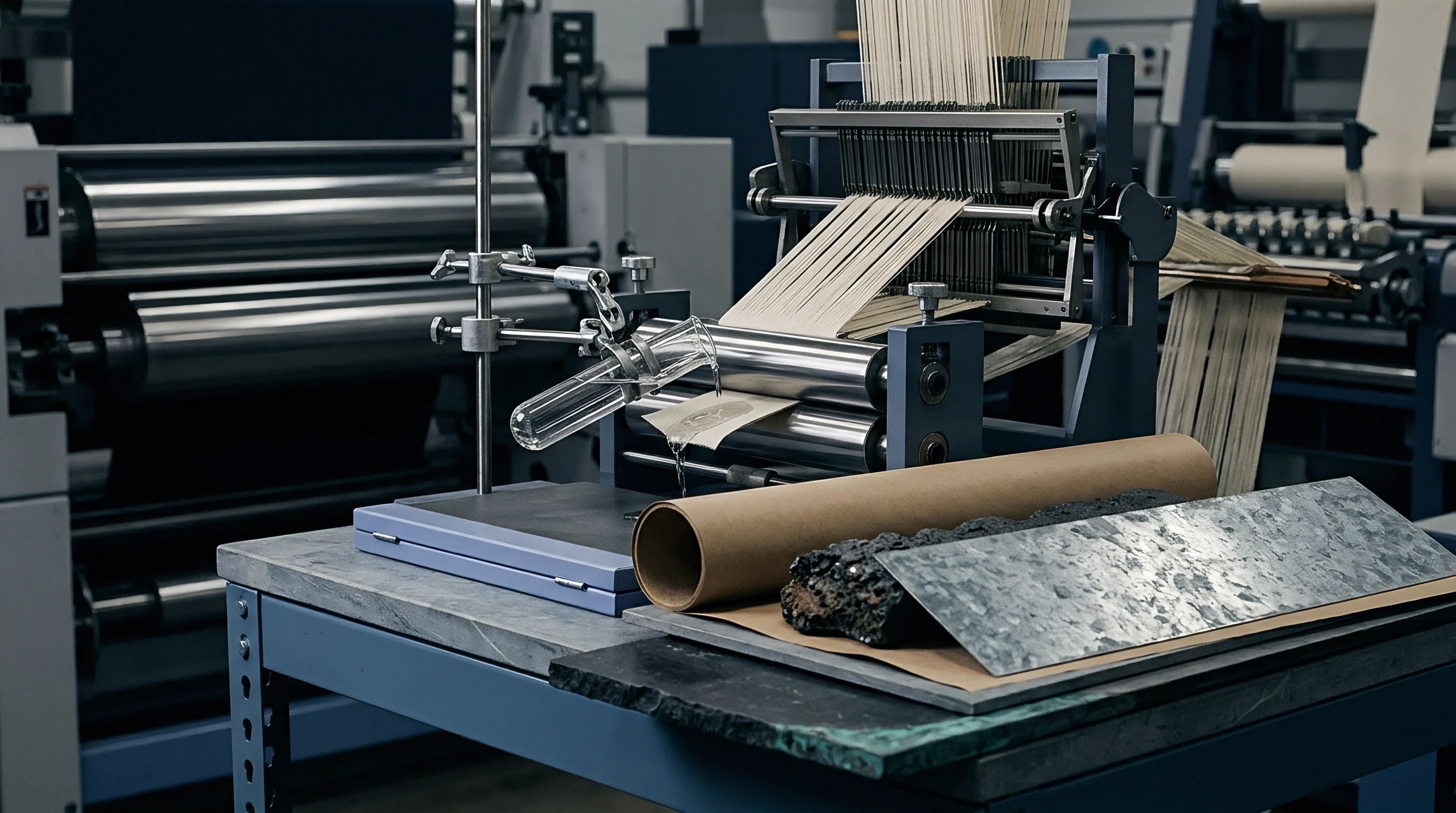
Determining non-fibrous content requires keeping the fiber backbone intact throughout reflux cycles. Cellulose, polyamides, polyesters, and protein fibers react differently when immersed in boiling organic media, which is why standard test protocols enforce strict exposure limits during solvent washing.
| Solvent Name | Boiling Point | Target NonFibrous Additive | Compatible Yarn Substrates | Incompatible Fiber Types |
|---|---|---|---|---|
| Dichloromethane | 39.8 C | Coning oils, paraffin, spin finish | Cotton, Viscose, Wool, Polyester | Cellulose Acetate, Polyurethane |
| Petroleum Ether | 40 to 60 C | Mineral oils, neutral fats, waxes | All Natural and Synthetic Yarns | None within standard reflux times |
| Methanol | 64.7 C | Polyethylene glycol, water-soluble sizing | Polyester, Acrylic, Polypropylene | Wool, Silk, Regenerated Cellulose |
| Diethyl Ether | 34.6 C | Wool grease, knitting lubricants | Wool, Cotton, Polyamide | Triacetate, Nitrocellulose fibers |
These operational limits dictate laboratory workflows during composition audits, where testing protocols isolate specific chemical groups through targeted solvent selection.
- Dichloromethane Application provides complete extraction of hydrophobic paraffin and synthetic spin finishes within four to six siphoning cycles per hour while preserving cellulosic cross-links.
- Petroleum Fractionation limits the co-extraction of natural plant pectins and resins during raw cotton yarn evaluations, isolating applied processing aids from native fiber constituents.
- Alcohol Extraction Cycles strip polar anti-static agents and emulsifiers from synthetic yarns, requiring strict temperature control to prevent polymer swelling in nylon substrates.
- Supercritical Fluid Washing utilizes carbon dioxide at 31.1 degrees Celsius and 73.9 bar pressure, leaving zero liquid solvent residues while extracting non-polar oils from hydrophobic continuous filaments.
In modified synthetic finishes, chemical structure can dictate whether dual-solvent extraction is required to achieve complete removal.

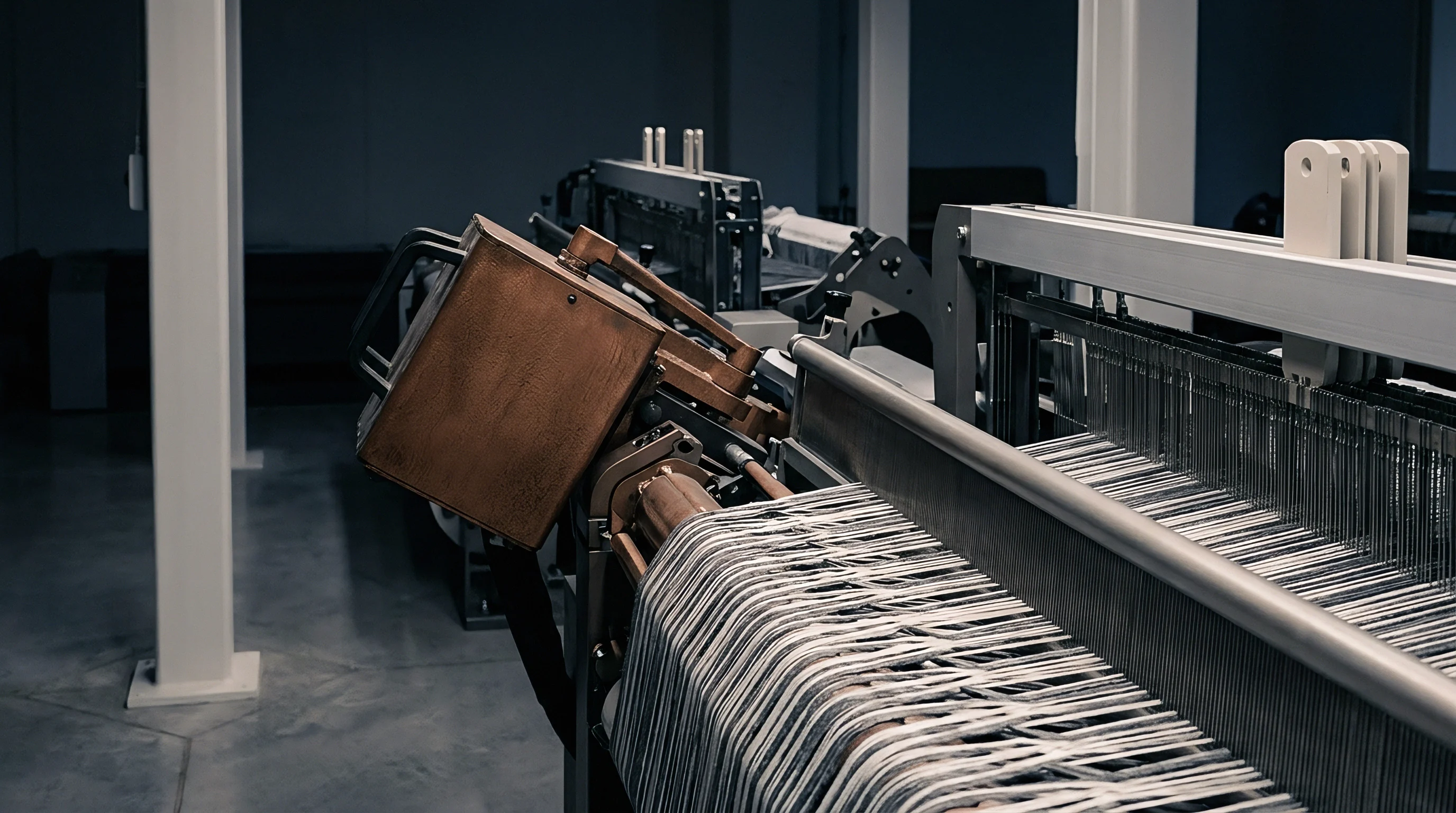
Leach
Reflux Rate and Thermal Kinetics in Soxhlet Systems
Solvent extraction dynamics depend on boiling kinetics and siphoning frequency inside classical Soxhlet apparatuses. Heating mantles adjusted to supply stable thermal flux maintain reflux speeds between four and eight cycles per hour. A slow reflux rate allows solvent inside the extraction chamber to cool below its effective dissolution threshold, resulting in incomplete removal of high-melting-point paraffin waxes.
Continuous condensation drips onto a cellulose or glass-fiber thimble containing the weighed spun yarn sample. Because wet extraction rates vary and cold solvent leaves residual waxes, consistent temperature management is vital. As liquid accumulates in the thimble chamber, dissolved additives concentrate at the bottom of the receiving flask.
Thermal degradation occurs if the boiling vessel runs dry or localized heating creates hot spots above the solvent decomposition temperature.
A four-hour extraction at six siphoning cycles per hour removes over ninety-nine percent of surface spin finishes without hydrolyzing synthetic filaments.
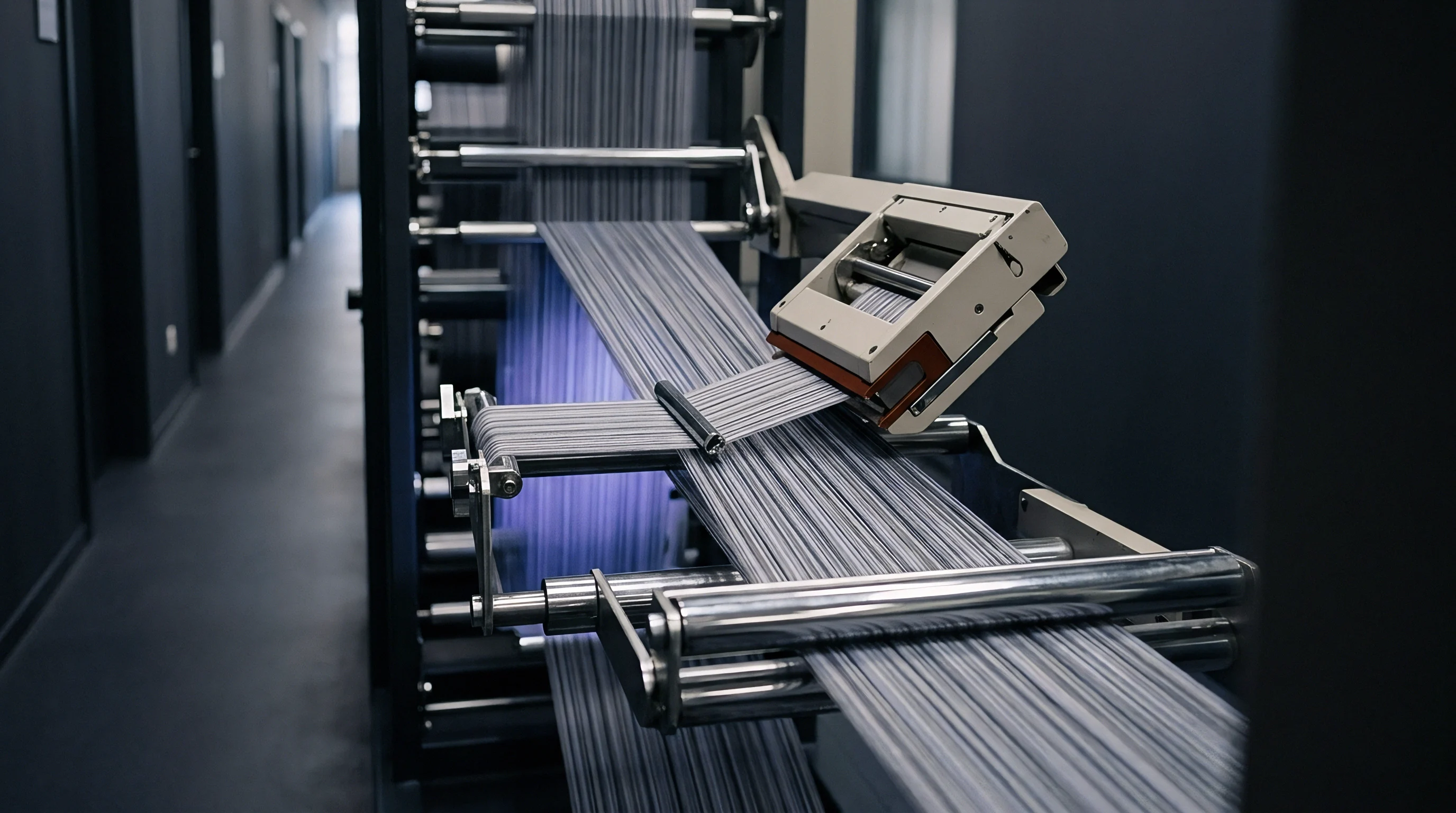
Pressurized Fluid and Automated Soxtec Methodologies
Automated extraction equipment accelerates additive isolation by combining hot solvent immersion with traditional Soxhlet rinsing steps. By submerging the yarn sample directly into boiling solvent during the primary stage, these systems accelerate mass transfer of processing oils from the fiber core into the liquid phase.
- Dry the yarn specimen at 105 degrees Celsius for two hours to establish initial dry mass.
- Place the conditioned sample into a pre-washed glass thimble and insert it into the boiling chamber.
- Submerge the thimble into boiling dichloromethane for fifteen minutes to dissolve surface oils.
- Raise the thimble above the boiling liquid level to enter the twenty-minute condensation rinse phase.
- Evaporate solvent for ten minutes, collecting vapor in a condenser loop for reagent recovery.
- Dry the extraction cup at 105 degrees Celsius for thirty minutes to remove trace solvent residues before final weighing.
Selecting incorrect boiling times or skipping the rinsing phase leaves dissolved fats on inner chamber walls, causing a downward bias in measured non-fibrous additive percentages and invalidating the analysis.

Tare
Why Do Residual Solvents Distort Gravimetric Weighing?
Mass measurement error represents the largest source of variation in non-fibrous additive determination. Traces of high-boiling solvent fractions trapped inside extracted fats retain volatile fractions unless dried in forced-draft ovens at 105 degrees Celsius. Weighing dishes cooling inside desiccators absorb atmospheric moisture if active silica gel or molecular sieves reach saturation, skewing dry weight calculations.
| Analytical Parameter | Classical Soxhlet Method | Automated Soxtec Method | Supercritical CO2 Extraction |
|---|---|---|---|
| Extraction Time per Sample | 240 to 360 minutes | 45 to 60 minutes | 30 to 45 minutes |
| Solvent Volume Required | 150 to 250 mL | 40 to 60 mL | 0 mL (Gas Liquid Transformed) |
| Siphoning Temperature | Sub-boiling (Cooling in chamber) | Boiling point immersion phase | 35 to 45 C Controlled |
| Typical Mass Reproducibility | Plus or minus 0.05 percent | Plus or minus 0.03 percent | Plus or minus 0.02 percent |
Gravimetric Desiccator Protocols and Standard Moisture Corrections
Determining total non-fibrous content requires calculating extract mass relative to oven-dry yarn weight or standard commercial mass. Desiccator seals block moisture absorption during cooling, while analytical balances reading to 0.1 milligrams eliminate rounding errors during tare determinations. Commercial mass calculations then adjust clean yarn weights using standardized regain factors published in ISO 6741.
- Oven-Dry Tare Mass establishes the true moisture-free baseline for spun yarns after thermal equilibrium at 105 degrees Celsius.
- Extract Dish Stabilization requires cooling metal or glass containers inside activated desiccators for exactly forty-five minutes prior to balance placement.
- Solvent Blank Corrections subtract non-volatile impurities present in commercial grade solvents from the total extract mass calculation.
- Commercial Regain Adjustments convert clean dry mass into commercial yarn weight by adding standard fiber moisture allowances.
Contracts operating under IWTO or ISO standards specify that extract percentages must be calculated against standard commercial mass, as detailed in specification clauses covering non-fibrous content limits.


Oil
Identification of Spin Finishes and Synthetic Coning Lubricants
Yarn manufacturing relies on chemical processing aids applied during carding, drafting, spinning, and winding. Synthetic continuous yarns and spun staple yarns carry distinct lubricant chemistries designed to control fiber-to-fiber and fiber-to-metal friction. Coning oils, composed mainly of low-viscosity white mineral oils or synthetic fatty acid esters, facilitate high-speed unwinding during knitting operations, while paraffin waxes modify frictional coefficients.
Fourier-transform infrared spectroscopy analyzes the evaporated extract to identify specific chemical functional groups. Paraffin oil extracts yield strong aliphatic C-H stretching absorption bands between 2850 and 2960 inverse centimeters, while silicone lubricants display distinct silicon-oxygen-silicon peaks near 1020 inverse centimeters. Antistatic agents wash out completely during the process.
Spin finish levels exceeding one point five percent by weight cause dye streakiness and finish buildup on knitting needles.
Wool Grease and Cotton Wax Quantitative Partitioning
Natural fibers enter spinning operations with inherent non-fibrous lipophilic compounds. Raw wool contains lanolin, a complex mixture of sterol esters, wax esters, and hydroxy acids. Scoured wool yarns carry residual grease ranging between 0.5 and 1.2 percent by weight.
Solvent selection determines whether analytical processes isolate native lanolin or applied spinning lubricants.
- Raw Cotton Wax Isolation separates hydrophobic surface layers from synthetic processing aids using petroleum ether fractions.
- Lanolin Residual Extraction uses diethyl ether to quantify remaining wool grease after commercial scouring operations.
- Synthetic Ester Profiling identifies high-speed winding lubricants applied to polyester and polyamide spun yarns.
- Water-Soluble Polyethylene Glycol Removal requires water washing prior to solvent extraction when calculating total finish loads.
Residual extract mass is frequently attributed to native plant waxes rather than added processing oils, even when infrared spectra reveal synthetic ester absorption peaks.
Yield
Commercial Weight Adjustments and Net Clean Mass Calculation
Calculating the true commercial mass of spun yarn shipments requires deducting extracted non-fibrous additives from gross weight totals. High additive concentrations artificially increase landed yarn mass, causing buyers to pay fiber prices for low-cost lubricants. Commercial agreements define maximum acceptable additive percentages, typically setting limits between 0.8 and 1.5 percent by weight depending on fiber type and end use.
For example, a 10,000 kilogram shipment of combed cotton hosiery yarn sold at $4.50 per kilogram based on standard commercial regain may show a non-fibrous extract content of 2.8 percent by weight using dichloromethane extraction, against a contracted specification limit of 1.0 percent. The excess non-fibrous additive mass equals 180 kilograms. Adjusting the invoice to reflect net clean yarn yield reduces payable lot weight to 9,820 kilograms, saving the buyer $810 in direct fiber costs before processing adjustments.
| Fiber Blend Composition | Declared Extract Percent | Tested Extract Percent | Invoice Weight Adjustment per Tonne | Landed Cost Difference per Kg |
|---|---|---|---|---|
| 100 Percent Combed Cotton | 0.8 % | 2.2 % | Minus 14.0 kg | Plus $0.063 |
| 50/50 Polyester Cotton Blend | 1.0 % | 2.5 % | Minus 15.0 kg | Plus $0.052 |
| 100 Percent Wool (Fine Worsteds) | 1.2 % | 2.8 % | Minus 16.0 kg | Plus $0.192 |
| 100 Percent Viscose Staple | 0.7 % | 1.9 % | Minus 12.0 kg | Plus $0.038 |

Customs Tariff Classifications and Additive Weight Deductions
International trade customs rules evaluate textile imports based on clean fiber content and dominant weight ratios under Harmonized System Chapters 52, 55, and 56, where tariff lines turn on clean weight. Non-fibrous additives exceeding two percent by weight alter the declared material percentage in high-density blends, risking misclassification penalties during customs inspections.
Because invoice weights reflect extracted mass, customs declarations must present accurate clean dry fiber weights combined with official moisture regains to ensure compliance with international import valuation standards.
Non-fibrous content testing protects cross-border yarn buyers against paying fiber tariffs on added processing oils.
A simple weight check on extracted residues provides reliable protection against purchasing excess spinning oil.