Quantitative Protocol
Analytical standards from the American Association of Textile Chemists and Colorists establish specific procedures for the identification and quantification of diverse fibre types within unknown material blends. Successful application of aatcc 20a determines exactly how much of each raw component exists in a sample to ensure that legal labels match the physical contents. This formal method relies on chemical solubility and physical separation where each fibre is isolated by using its unique reaction to specific solvent agents.
Technicians track the weight loss of the initial swatch after exposure to a sequence of chemicals that dissolve specific fibres one by one. The total mass remaining after each stage provides the data points needed for the final percentage calculation. A mill relies on this data to verify that a polyester and cotton mix adheres to the required mix ratio specified in a purchase order.
Precision stops at the edge of the chemical boundary where two components respond to the same solvent, necessitating alternate testing paths for accuracy.
Measurement Mechanism
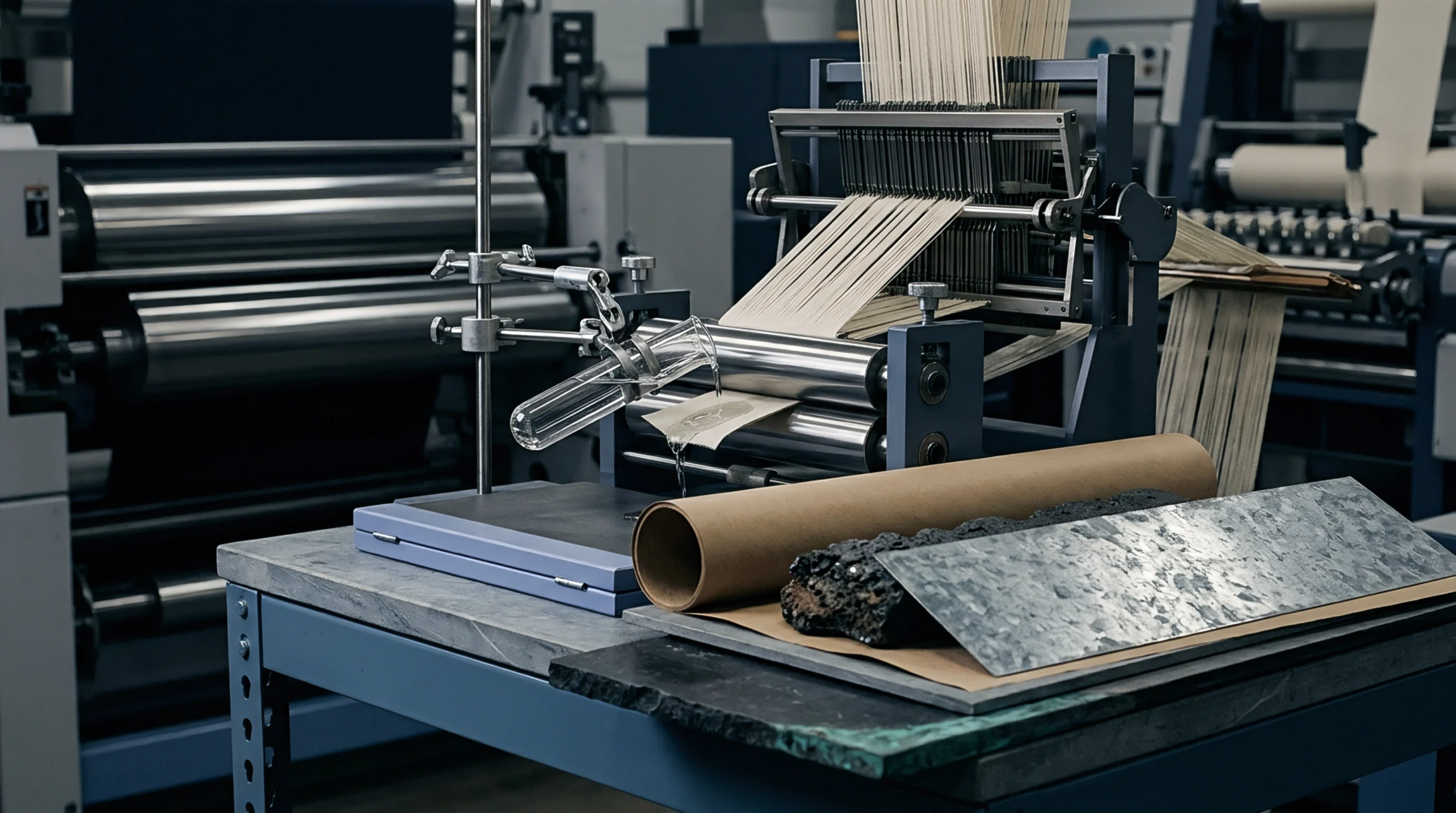
Laboratory technicians execute this test through a series of specific wash and weigh cycles to isolate components. The process begins by drying a conditioned sample to achieve a constant mass before the first chemical extraction. After immersion in a specified solvent, the remaining material is filtered, washed, and dried once again.
One crucial mechanism involves maintaining a precise temperature for the solvent to prevent it from attacking the fibres intended to remain in the residue. Variations in heat can trigger partial dissolution of non-target fibres, which skews the final results and forces a full retest. Calculating the percentage requires correcting the oven-dry mass for moisture content based on standard tables for each fibre type.
The final output is a percentage report that accounts for every gram of material used in the initial assembly.
Laboratory Performance
Maintaining consistency during testing requires strict adherence to standardized equipment and purified reagents to avoid contamination. Minor shifts in reagent concentration can alter the speed at which a protein fibre breaks down during the aatcc 20a sequence. Effective residue capture depends on high-quality filters that prevent small fragments from escaping during the rinse stage.
Because synthetic and natural blends are diverse, the method offers different solvent recipes suited for specific expected targets. A failure at this stage often indicates that the chemicals used were degraded or that the washing time was insufficient for complete extraction. Data from these cycles determines the commercial value of large bulk shipments of unfinished grey goods.
Verification Consequence
Results from this standardized identification test carry legal weight in the event of a trade dispute between a fabric supplier and a brand owner. If a shipment fails to meet the legal tolerance levels defined by aatcc 20a, the goods may be rejected at the port or require relabeling at great expense. Customs agents often use results from such testing to classify products under specific tariff headings that vary based on fibre prevalence.
Brands that rely on accurate reports avoid the risks associated with fraudulent claims of luxury content in lower-grade materials. The boundary of the test is clear in fabrics with deep coatings where mechanical removal of the finish is mandatory before chemical analysis begins. Valid data ensures that every stakeholder in the supply chain understands the true composition of the textile being traded.