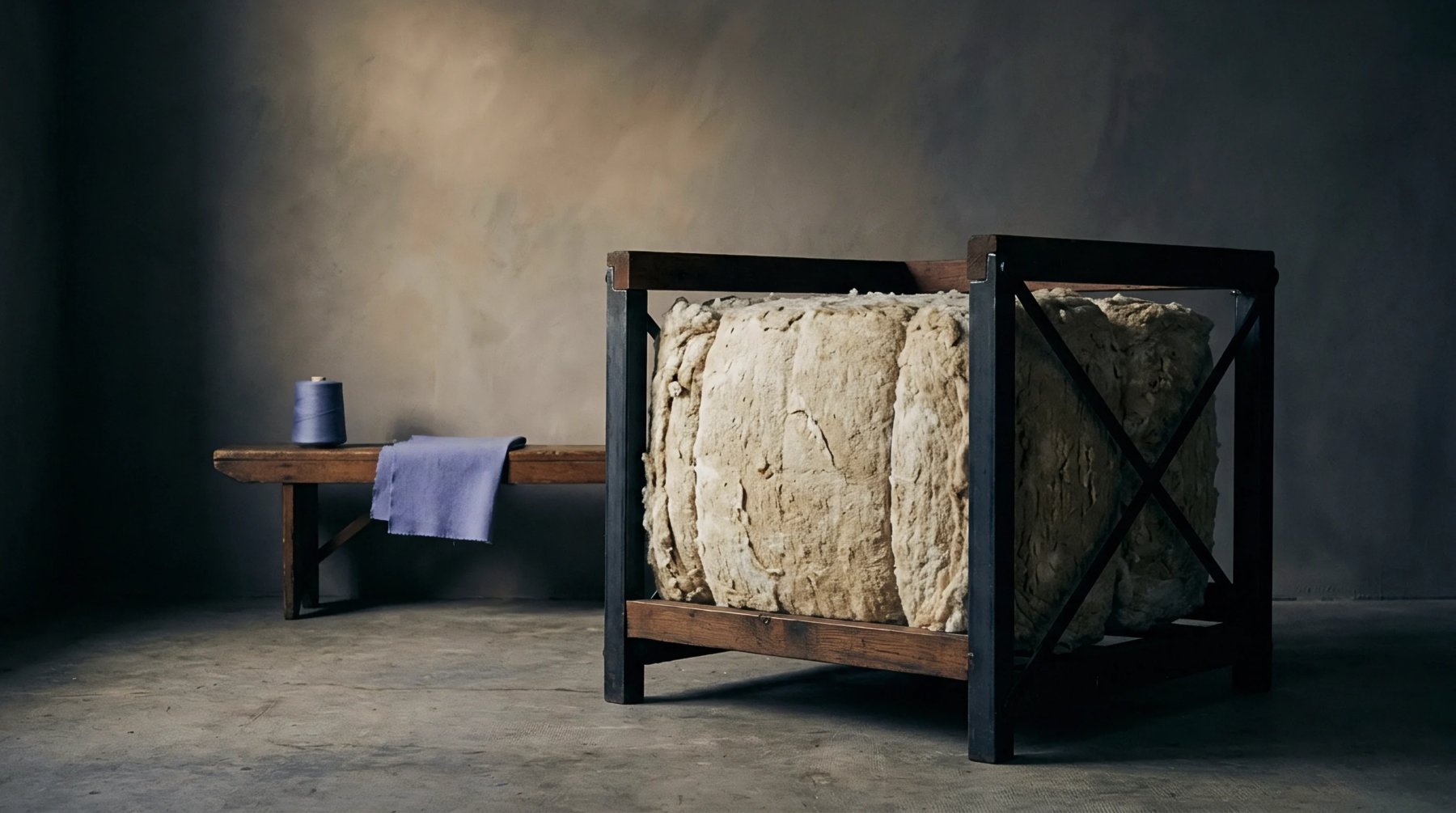
Wool Standard
International framework of regulations governing the testing and commercial transaction of raw wool and wool products ensures uniformity in global trade. Under these standards, iwto rules define the precise methods for sampling, measuring, and certifying wool yield and moisture regain. This provides a legal basis for bulk purchase contracts.
Trade Arbitration
Global merchants and spinners utilize these procedures to resolve quality discrepancies before yarn spinning begins. When contracts specify adherence to iwto rules, both buyers and sellers agree to accept the test certificates issued by licensed laboratories. This minimizes the risk of expensive trade disputes.
Testing Protocol
Core samples are extracted from wool bales according to a statistically defined grid pattern to ensure representative testing. These samples are washed to remove grease, dirt, and suint before being dried and weighed under strict laboratory conditions. The rules specify the exact oven temperatures, washing agents, and balance tolerances that must be used during this process.
In addition, they provide mathematical tables to calculate the clean wool content from the raw sample weight. Following these steps guarantees that the certified weight reflects the actual wool fibre content of the shipment.
Contractual Compliance
Quality certificates issued under this system are recognized worldwide by customs and banking institutions. They prevent financial losses due to moisture absorption during ocean transit. Adherence to these guidelines secures trade trust across borders.