Quantification Limits and Solvation Variance in Cross Border Chemical Compliance Audits
Solvation choices and matrix binding alter chemical extraction yields, making laboratory methodology details decisive in cross border compliance audits.


Lattice
Analytical yield from a synthetic textile substrate depends heavily upon the physical swelling of the polymer network during solvent contact. When testing finished cloth for restricted substances under REACH Annex XVII or brand chemical lists, target analytes like alkylphenol ethoxylates, phthalate plasticizers, and organotin compounds sit entrapped inside amorphous and crystalline fiber zones. Standardized laboratory methods specify nominal extraction media, yet differences in polymer density and crystallite orientation alter how deeply solvents penetrate.
A high-density polyethylene or heat-set polyester resists solvation, trapping target analytes within inner fibrils. Conversely, cellulosic structures expand readily in aqueous and polar media, releasing non-covalently bound chemistry at significantly higher rates.
Extraction rates vary. The physical architecture of synthetic fibers creates localized diffusion barriers. When an auditor sends swatch samples to two separate accredited facilities, the recorded analyte concentration often reflects the swelling capacity of the chosen solvent system rather than the total chemical mass present on the cloth.
Methanol swells polyamide fibers moderately, whereas tetrahydrofuran penetrates elastomeric polyurethane cores thoroughly. Consequently, an analyte embedded within a spandex blend yields drastically different quantitative values depending on whether the test procedure uses a polar protic solvent or a strong organic swelling agent.
| Fiber Substrate | Target Analyte | Solvent System | Temperature Profile | Mean Recovery Yield |
|---|---|---|---|---|
| 100% Polyester (PET) | Short-Chain Chlorinated Paraffins (SCCP) | Dichloromethane | 60 degrees C Soxhlet | 92 percent |
| 100% Polyester (PET) | Short-Chain Chlorinated Paraffins (SCCP) | Methanol | 40 degrees C Ultrasonic | 41 percent |
| Polyamide 6,6 | Alkylphenol Ethoxylates (APEO) | Methanol | 60 degrees C Soxhlet | 88 percent |
| Polyamide 6,6 | Alkylphenol Ethoxylates (APEO) | Acetonitrile | 40 degrees C Ultrasonic | 54 percent |
| Cotton / Elastane (95/5) | Di(2-ethylhexyl) phthalate (DEHP) | Tetrahydrofuran | 25 degrees C Stirred | 96 percent |
| Cotton / Elastane (95/5) | Di(2-ethylhexyl) phthalate (DEHP) | n-Hexane | 40 degrees C Ultrasonic | 63 percent |
Differences in heat setting, draw ratio, and surface finishing compounds compound this mechanical variation. A fabric heat-set at 190 degrees Celsius exhibits a tighter crystalline lattice than an un-set grayfield material, reducing solvent diffusivity by up to forty percent. Mill representatives frequently defend discrepancies by stating that their internal testing passed under standard wash conditions, omitting the reality that mild aqueous extractions fail to liberate deep-seated industrial processing aids.


Phase
Liquid extraction media govern the partition coefficient between the solid substrate and the fluid phase. In testing methodologies such as EN ISO 14362-1 for cleavage of azo dyes or EN 16711-1 for extractable heavy metals, the thermodynamic solubility of the target molecule determines final instrument signals. Solvents dictate yields.
If an analyte possesses high lipophilicity, a purely aqueous or alcoholic system leaves substantial residues bound to the hydrophobic synthetic fibers.

Solvent Selection and Temperature Profiles in Extraction
Temperature shifts recovery. Raising the extraction temperature alters the kinetic energy of the system, accelerating solvent diffusion into amorphous polymer regions while simultaneously increasing the solubility limit of the target compound. Under EN ISO 17234-1 testing for leather trims, reductive cleavage of azo colorants requires strict thermal control at 70 degrees Celsius.
A variance of five degrees inside an uncalibrated water bath alters the reductive breakdown rate of azo bonds, generating elevated background signals or incomplete precursor reduction.
Polar solvents strip surface chemistry efficiently while non-polar aromatic fluids swell synthetic polymers to release deeply entrapped processing additives.

Ultrasonic versus Microwave Assisted Cleavage Mechanics
Mechanical excitation methods transfer energy into the solvent vessel through distinct physical routes. Ultrasonic bath extraction relies on acoustic cavitation, generating micro-jets that scour fiber surfaces. Microwave-assisted extraction heats the solvent-sample mixture volumetrically, creating localized internal vapor pressure within the fiber structure that ruptures physical entanglements.
- Cut the representative textile swatch into uniform fragments measuring two millimeters by two millimeters to eliminate diffusion area discrepancies across test specimens.
- Weigh exactly one gram of prepared material into a borosilicate glass extraction vessel using a calibrated analytical balance accurate to zero point one milligrams.
- Introduce twenty milliliters of HPLC-grade tetrahydrofuran, ensuring complete submersion of all fabric fragments within the fluid column.
- Place the sealed vessel inside a temperature-controlled ultrasonic bath operating at forty kilohertz and fifty degrees Celsius for exactly sixty minutes.
- Decant the supernatant fluid through a zero point two micron PTFE syringe filter directly into an autosampler vial for liquid chromatography analysis.
Choice of extraction equipment dictates energy transfer uniformity across test batches. Ultrasonic bath energy attenuates with fluid distance and tank age, yielding up to fifteen percent variance in extracted mass between vials placed at the center versus the perimeter of a bath. Thermal gradients remain the primary driver of intra-laboratory solvation variance.

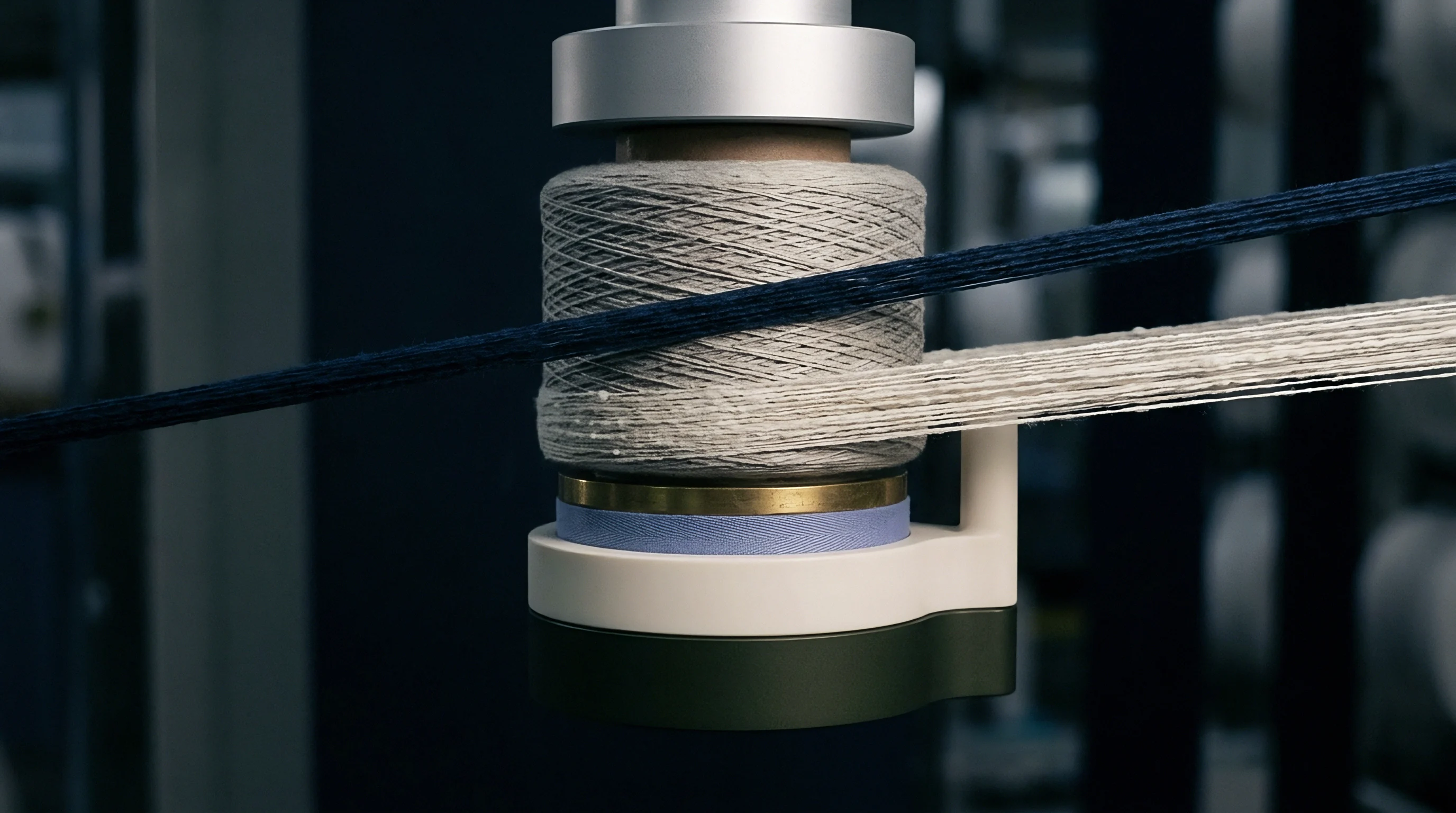
Limit
Analytical instrumentation operates across three distinct operational cutoffs that dictate legal compliance outcomes. The Limit of Detection defines the lowest signal statistically distinguishable from background noise, typically set at a signal-to-noise ratio of three to one. The Limit of Quantification marks the threshold where quantitative concentration measurements achieve acceptable precision, generally established at a signal-to-noise ratio of ten to one.
Regulatory frameworks and brand Restricted Substance Lists enforce a third parameter: the Reporting Limit.

Distinguishing Detection Thresholds from Actionable Reporting Cutoffs
Instruments register trace ions long before concentrations hit actionable compliance thresholds. High-sensitivity Triple Quadrupole Mass Spectrometers detect fluorinated surfactant traces at sub-part-per-billion levels. A laboratory reporting a positive hit at the Limit of Detection creates commercial panic when the regulatory enforcement boundary sits two orders of magnitude higher at the Reporting Limit.
Detection limits drop yearly. Standardized reporting formats mandate that laboratories report values only above the agreed Reporting Limit, preventing false-positive rejections born from instrumental background noise.
| Target Compound | Test Instrument Method | Limit of Detection (LOD) | Limit of Quantification (LOQ) | Standard Reporting Limit (RL) | OEKO-TEX Class I Limit |
|---|---|---|---|---|---|
| 4-Aminobiphenyl (Azo) | GC-MS (EN ISO 14362-1) | 1.5 mg/kg | 5.0 mg/kg | 20.0 mg/kg | 20.0 mg/kg |
| PFOA and Salts | LC-MS/MS (CEN/TS 15968) | 0.002 mg/kg | 0.010 mg/kg | 0.025 mg/kg | 0.025 mg/kg |
| Di(2-ethylhexyl) phthalate | GC-MS (EN 15777) | 10.0 mg/kg | 30.0 mg/kg | 50.0 mg/kg | 500.0 mg/kg sum |
| Extractable Lead (Pb) | ICP-MS (EN 16711-1) | 0.1 mg/kg | 0.5 mg/kg | 1.0 mg/kg | 0.2 mg/kg |
An analytical report specifying a result below the limit of quantification confirms the absence of actionable commercial liability under standard border surveillance protocols.

When Does Solvation Variance Trigger Border Rejections?
Cross-border customs enforcement laboratories often employ aggressive extraction protocols to maximize chemical recovery during screening. When an importer relies on a commercial test report generated using mild ultrasonic agitation, and a port authority employs microwave-assisted extraction with strong swelling solvents, reported concentrations cross the legal threshold. A fabric certified at eighteen parts per million alkylphenol ethoxylates in an origin laboratory yields thirty-two parts per million at the destination port, exceeding the REACH Annex XVII threshold of twenty parts per million.
The analytical result transforms from a compliant pass to a dockside seizure solely due to extraction severity.
Inter-laboratory variance at low concentration levels complicates compliance verification near the Reporting Limit. What absolute confidence interval applies to a liquid chromatography mass spectrometry result when solvent purity variations introduce a five percent drift in retention times across international border laboratories?


Border
Customs authorities operate under strict statutory mandates to intercept non-compliant chemical imports before clearance. Inspection officers target high-risk product categories using automated risk algorithms that evaluate country of origin, fiber blend, dye classification, and historical mill compliance. When a container selection occurs, border agents pull swatches from multiple rolls within the shipment, consolidating them into composite samples for rapid laboratory verification.
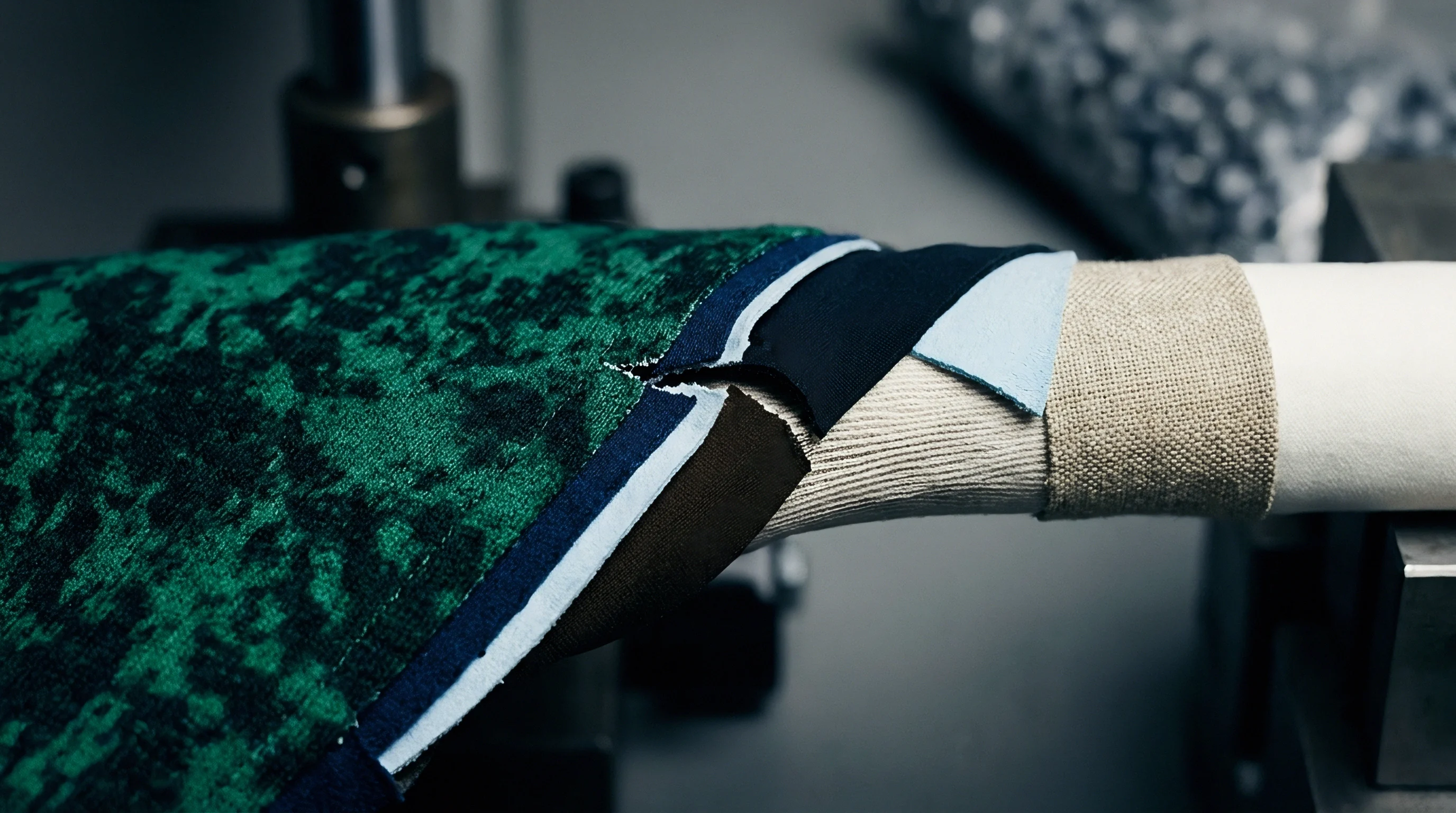
Cross Border Customs Inspection and Discrepancy Audits
Port laboratories operate under high throughput demands, favoring rapid automated extraction routines over long thermal digestions. Customs retests target imports. A port laboratory utilizing accelerated solvent extraction under elevated pressure extracts both surface finishes and deeply integrated structural additives.
This procedural divergence creates immediate conflicts with origin certificates based on standard atmospheric Soxhlet extractions.
Standardized scope certificates validate process capabilities at the facility while transaction certificates prove batch-level chemical conformity for the specific cargo cleared through customs.

Discrepancies between ISO 17025 Accredited Laboratory Certificates
Accreditation under ISO 17025 guarantees procedural quality control, yet it leaves solvent selection and preparation parameters open to interpretation within standard method boundaries. Two laboratories holding identical ISO 17025 scopes frequently produce conflicting quantitative findings for volatile or matrix-bound analytes.
- Methodology Scope Gaps occur when an accredited laboratory tests under an outdated standard version that lacks modern solvation protocols for complex synthetic blends.
- Solvent Grade Variance arises when testing facilities utilize technical-grade solvents containing trace impurities that interfere with mass spectrometry baseline calibration.
- Sample Moisture Fluctuation happens when imported cloth absorbs ambient humidity during maritime transit, altering the dry mass basis calculated during analytical weighing.
- Derivatization Inefficiency develops during aromatic amine testing when chemical reduction reagents age beyond their active shelf life, underreporting restricted dye cleavage.
When port testing reveals non-compliant chemical levels, customs authorities issue detention orders, halt clearance, and place the importer of record on notice. The financial burden shifts immediately to the buyer, who incurs demurrage charges, re-testing fees, and potential cargo destruction costs mandated by environmental protection regulations.


Disparity
Inter-laboratory round-robin studies regularly surface significant analytical spread among accredited facilities testing identical textile swatches. In round-robin trials for organotin compounds and chlorinated phenols, coefficient of variation metrics frequently reach thirty to forty percent across international laboratories. Matrix interferences drive a substantial portion of this variance.
Dyes, flame retardants, and water-repellent finishes contain complex organic molecules that co-elute with target analytes during chromatographic separation, suppressing or enhancing ionization signals in mass spectrometry detectors.
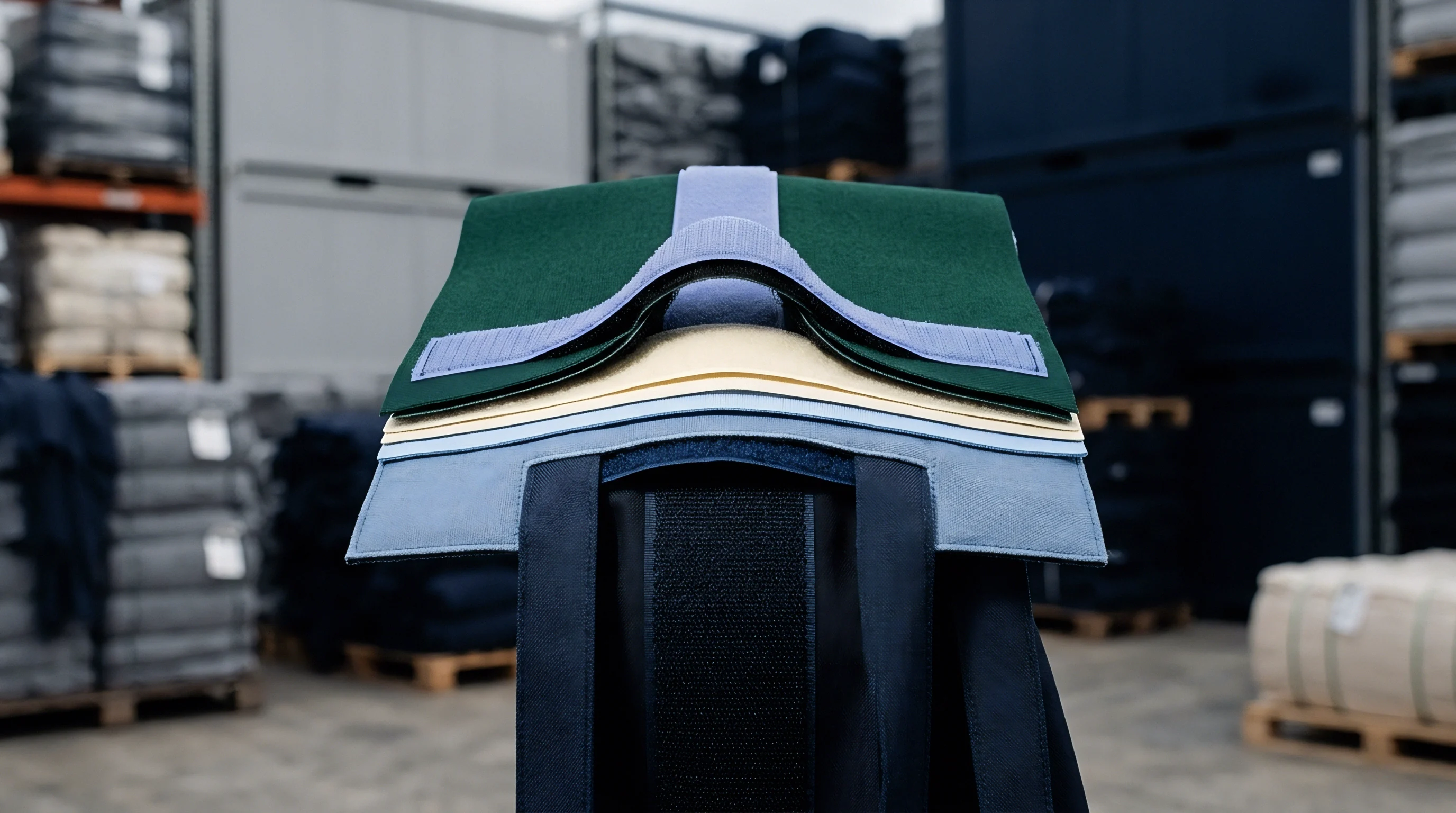
Inter Laboratory round Robin Variance and Matrix Interferences
Chromatographic peak suppression occurs when co-extracted matrix components enter the mass spectrometer source simultaneously with the target compound. In high-performance liquid chromatography tandem mass spectrometry, unseparated matrix compounds reduce ionization efficiency, causing the detector to register a fraction of the actual analyte present. Conversely, matrix enhancement effects inflate calculated concentrations by stabilizing volatile ions.
Without isotopic internal standards for every target analyte, quantitative matrix interference remains an unquantified source of analytical error.

Worked Sensitivity Model for Alkylphenol Ethoxylate Extraction
Assume a commercial shipment containing twenty metric tonnes of dyed cotton-polyester fabric imported into the European Union. Regulatory enforcement under REACH Annex XVII dictates a combined threshold limit of one hundred milligrams per kilogram for alkylphenol ethoxylates (APEO). The origin mill tests the lot using methanol ultrasonic extraction at forty degrees Celsius, yielding a reported concentration of eighty-five milligrams per kilogram, placing the lot inside compliant territory.
At the destination port, market surveillance authorities execute verification testing using tetrahydrofuran solvent swelling at sixty degrees Celsius. The stronger solvent system expands the polyester crystalline structure, releasing additional APEO trapped during high-temperature pressure dyeing. The destination laboratory records an extracted concentration of one hundred and twenty-five milligrams per kilogram.
The import fails compliance testing, triggering immediate detention.
The financial consequence unfolds through linear commercial escalation:
- Port Demurrage Fees accumulate at two hundred and fifty Euros per container per day during the mandatory fifteen-day quarantine period.
- Secondary Retest Charges cost one thousand five hundred Euros per analytical panel to execute official referee testing at a secondary state-accredited facility.
- Commercial Retainage Penalties trigger a contractually mandated fifteen percent invoice deduction applied by the downstream retail buyer for delivery delay.
To mitigate inter-laboratory variance disputes, buyer procurement contracts must stipulate explicit analytical parameters beyond bare standard citations.
- Mandatory Solvent Specification clause defining exact chemical grades and extraction fluid compositions for all RSL verification panels.
- Temperature and Duration Anchors restricting laboratory deviation to plus or minus one degree Celsius and two minutes of extraction time.
- Internal Standard Protocol Requirements mandating isotopically labeled internal standards for all mass spectrometry quantification runs.
- Referee Laboratory Pre-Designation identifying a mutually agreed tertiary ISO 17025 facility whose analytical findings bind both commercial parties during border disputes.
Standard purchase order terms referencing generic standard numbers fail to protect buyers against solvation-induced compliance failures; adding precise solvent, temperature, and referee laboratory clauses shifts legal exposure back to the manufacturing mill under standard commercial sales terms.
A certified compliance file requires batch-specific analytical chromatograms referencing matched internal standards rather than generic mill scope certificates.


Margin
Managing commercial exposure in cross-border textile sourcing requires shifting compliance verification from post-shipment border testing to pre-shipment batch validation. Importers of record carry sole legal liability for restricted chemical violations at the port of entry, regardless of mill guarantees or third-party hangtag claims. Financial protection relies on building an unassailable audit dossier that pairs batch-level transaction certificates with raw chromatographic evidence.

Commercial Exposure and Contractual Indemnity Allocations
Lab protocols diverge sharply. Standard supplier indemnification clauses routinely fail during chemical customs seizures due to jurisdictional enforcement hurdles. A buyer attempting to enforce a recovery claim against an overseas dyehouse faces protracted legal costs that quickly exceed the cargo value.
Effective compliance frameworks bind payment release directly to origin sample validation conducted by buyer-designated laboratories operating under locked solvation protocols.

Audit Dossier Construction for Regulatory Defense
A resilient chemical compliance dossier provides verifiable traceability linking specific container roll numbers to corresponding analytical test reports. Audit files require batch proof. When market surveillance authorities challenge a product listing, the importer presents the complete traceability file demonstrating due diligence under local consumer safety regulations.
The dossier proves that testing occurred on the exact production lot using standardized extraction procedures capable of detecting bound chemical residues.
Establishing explicit testing protocol agreements with manufacturing mills eliminates solvation-driven compliance disputes before cargo leaves the factory floor. Importers who define exact laboratory extraction parameters, enforce lot-specific transaction certificates, and maintain complete raw analytical data minimize border detention risks while securing clear contractual recourse against sub-tier processing failures.