
Acceptance Sampling Protocols for Coated Industrial Textiles
Acceptance sampling for coated textiles pairs ASTM D5430 visual classification with ANSI/ASQ Z1.9 variables plans for destructive barrier verification.
Acceptance sampling for coated textiles pairs ASTM D5430 visual classification with ANSI/ASQ Z1.9 variables plans for destructive barrier verification.
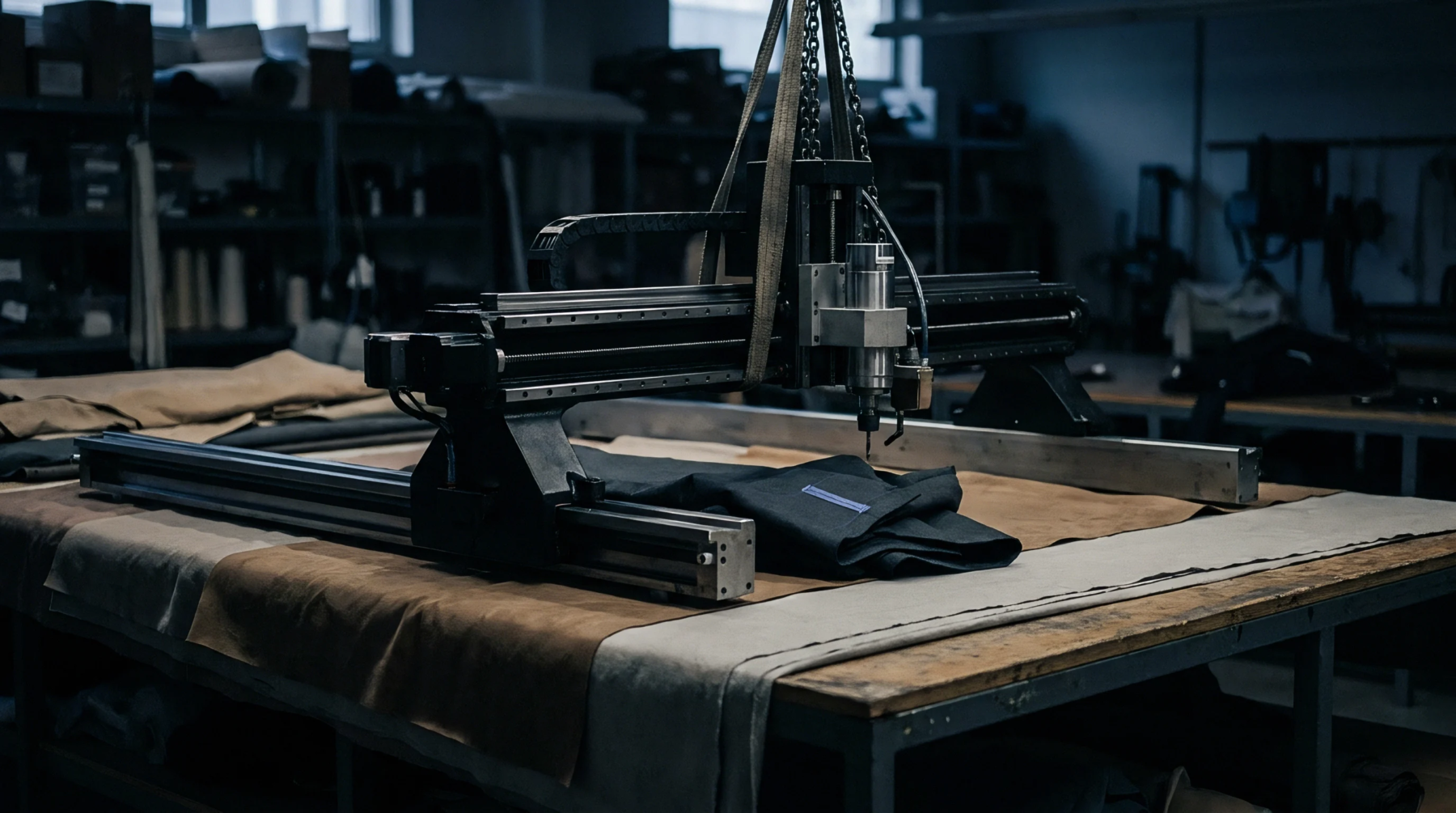
Automated potentiometric titration using double-junction glass electrodes resolves active hydroxide and carbonate alkalinity in high-salinity reactive dye baths.

Fabric swatch dispute resolution requires unbroken physical custody logs, transaction certificates matched to roll tags, and ISO 17025 split-sample testing.

Dimensional and cover loss disputes require binding retain-swatch testing under ISO 5077 to isolate mill finishing strain from spreading room tension.
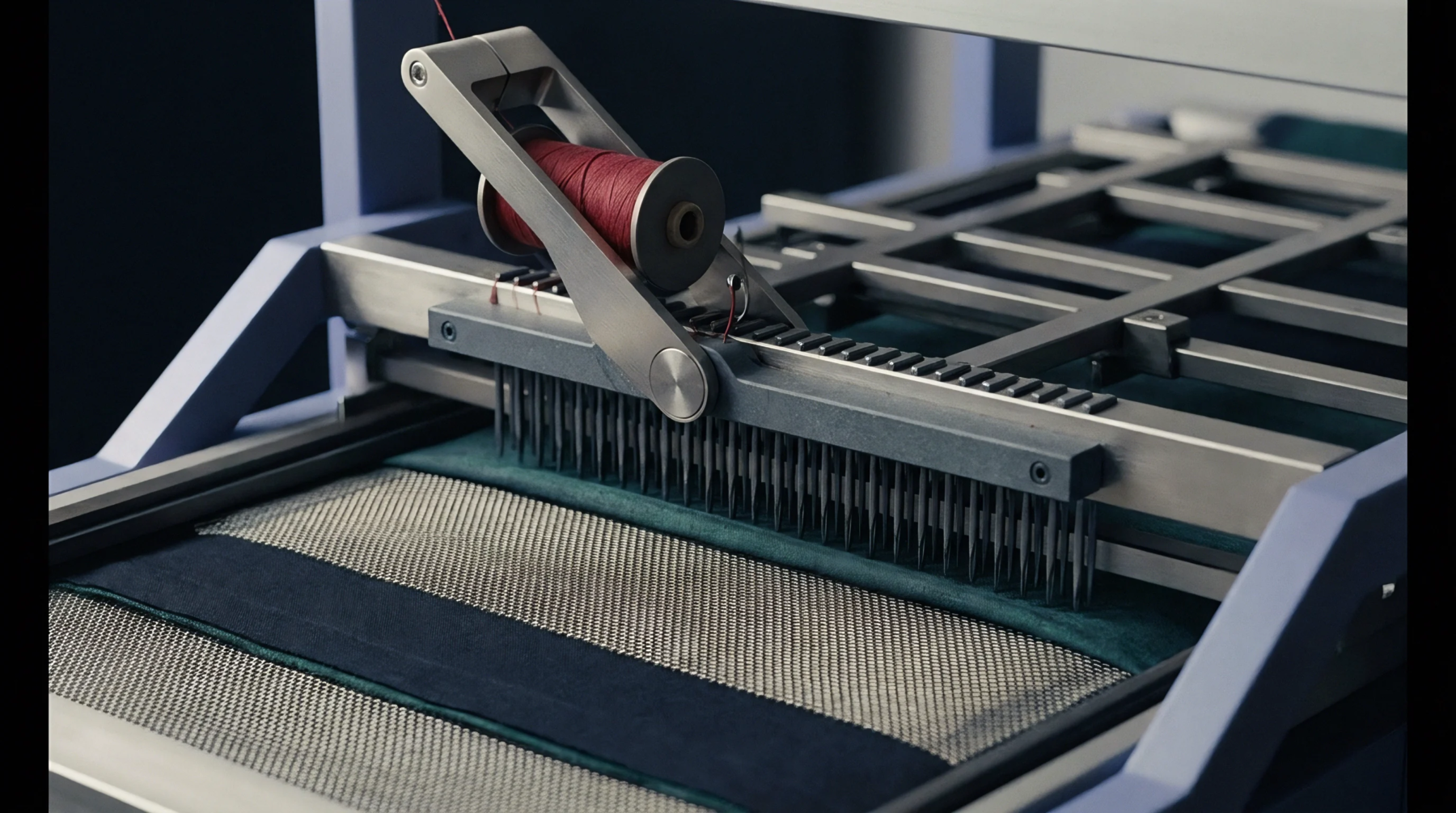
Unified chemical threshold matrices enable multi-market fabric clearance by harmonizing the strictest global limits into single-lot test protocols.
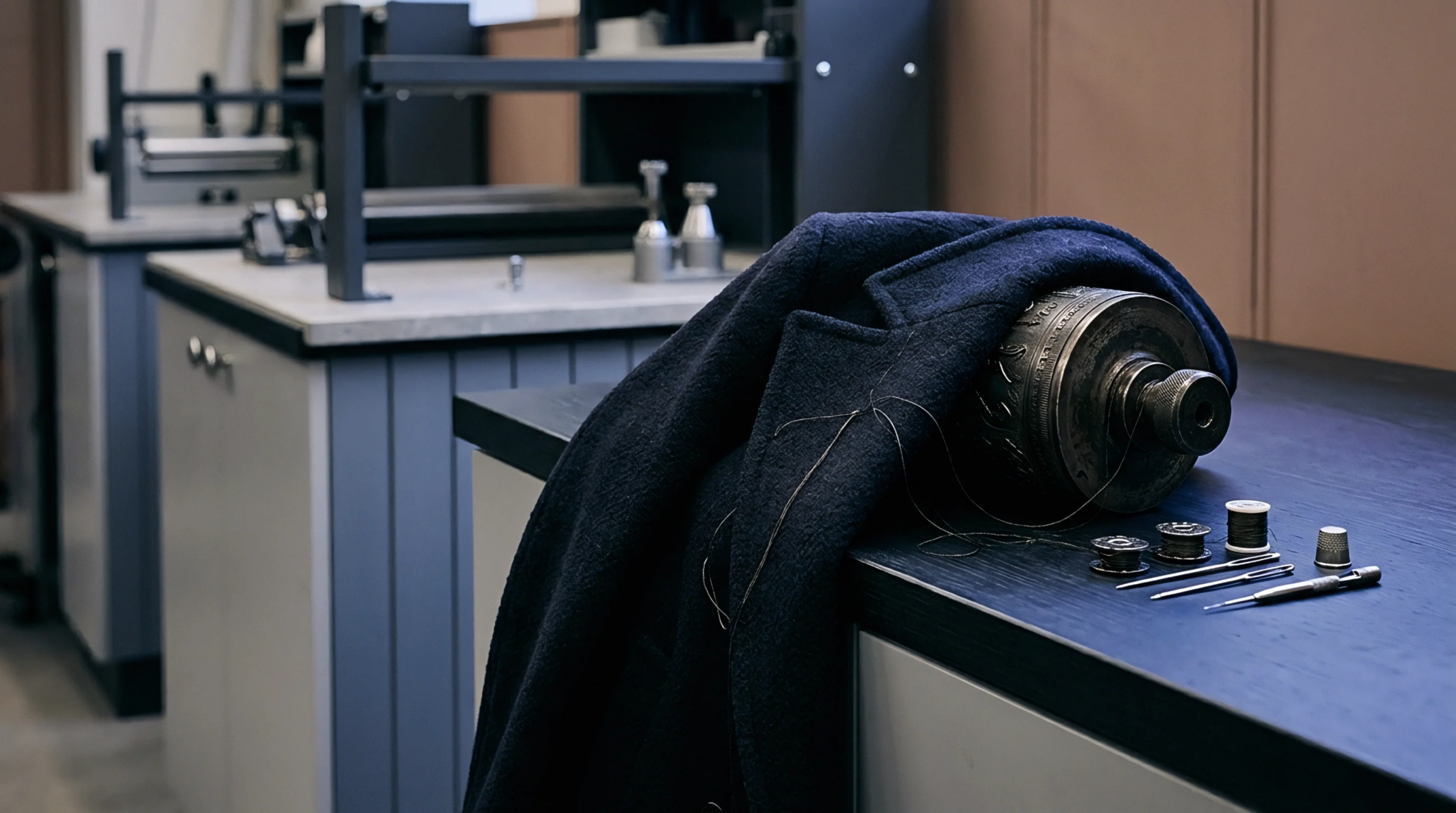
Cross-border restricted substance clearance demands aligning solvent extraction parameters, instrument detection limits, and batch sampling protocols across jurisdictions.

Reconciling trace contaminant migration across recycled fiber tiers requires combining partition-coefficient modeling with batch testing rather than relying on paper mass balance credits alone.

Global textile import compliance requires matching exact article specifications against legal chemical limits using lot-traceable ISO 17025 test dossiers.

Subcontracted dyehouse chemical risk requires binding PO flowdown clauses, batch-level ISO 17025 testing, and strict financial retainage mechanisms.
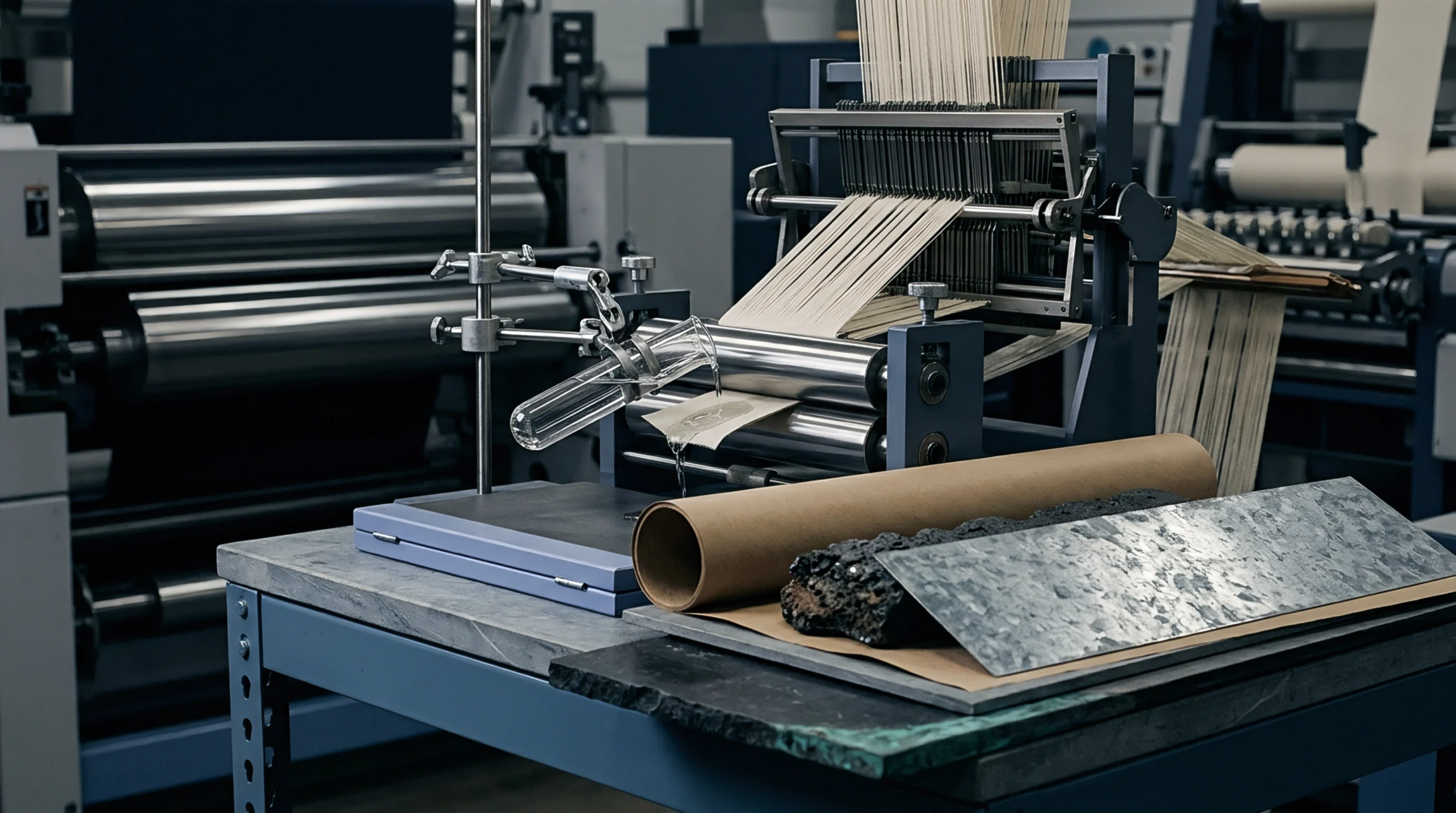
Quantitative solvent extraction defines yarn blend ratios by dry mass, determining tariff headings where a 1 percent shift alters landed duty costs.
Expertise is a utility, not a secret. sentiention™ publishes its working knowledge as open reference: intelligence layer covering the materials it sources, the markets it enters, and the reference that serves both.