Dimensional Protocol
AATCC 135 constitutes a technical laboratory procedure that evaluates the dimensional stability of textile fabrics subjected to repeated cycles of home laundering. Technicians utilize aatcc 135 to quantify the extent of shrinkage or growth in woven and knitted apparel materials after undergoing specified washing and drying parameters. Compliance requires strict adherence to standardized agitation speeds, water temperatures, and tumble drying cycles to ensure consistency across multiple test trials.
The methodology applies specifically to garments and yard goods meant for consumer maintenance within domestic environments, providing a baseline for acceptable size retention through the life of the product.
Launderability Metrics
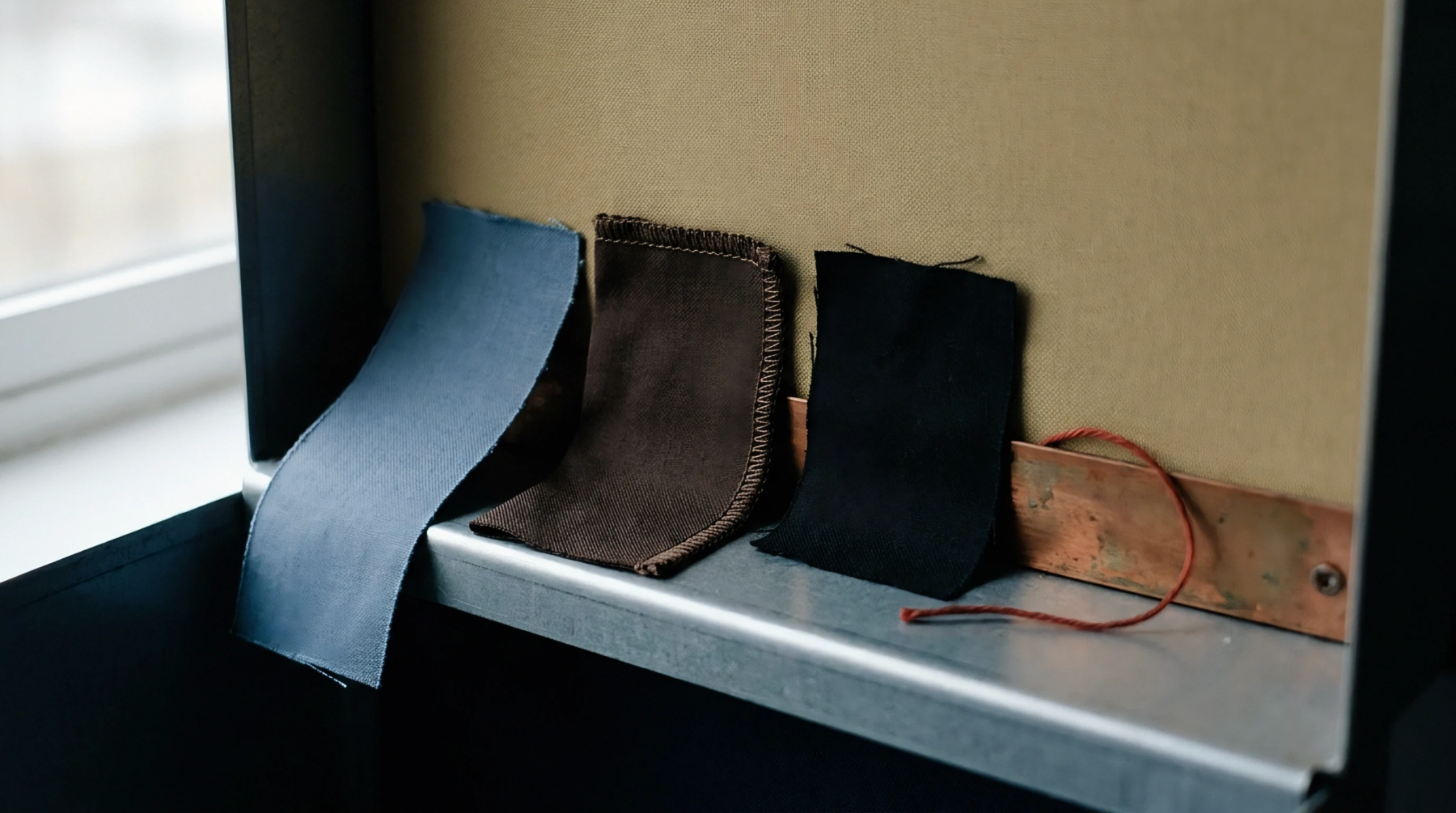
The operational framework governing aatcc 135 mandates that samples undergo a pre-conditioning sequence to reach equilibrium with atmospheric conditions before the initial measurement occurs. Operators mark reference points on the fabric specimens using indelible ink or permanent thread markers, establishing precise benchmarks for calculation. These markings allow the detection of minute shifts in thread density and structural geometry following the completion of the prescribed cycle.
The laboratory environment must maintain constant moisture levels to prevent uncontrolled fiber relaxation prior to the immersion stage. Machines cycle through water agitation, rinse phases, and mechanical drying until the requested number of cycles concludes. Subsequent to the final drying interval, the fabric sits in a controlled chamber for a duration sufficient to permit moisture recovery.
Measurement of the distance between benchmarks follows this cooling period, yielding data on linear alteration. Calculations convert these displacements into percentage change values for length and width.
Cycle Variations
Testing practitioners select from multiple washing options provided by aatcc 135 to align with the specific care instructions printed on garment labels. Durable press cycles vary in mechanical action compared to delicate or heavy duty settings, influencing the force applied to the fibers during wet processing. Adjustments to water temperature settings allow the simulation of cold, warm, or hot wash environments.
The drying phase also offers options between low heat, medium heat, and air fluff, which alter the thermal stress exerted on the structure. Each distinct combination of water and heat acts as a separate variable for assessing the resilience of the textile construction. Fabrics intended for frequent hot water exposure demonstrate different stability profiles than those composed of synthetic blends processed through cool cycles.
Validation Scope
Results from aatcc 135 inform quality control decisions during the prototyping stage of manufacturing. Retailers rely on the output to confirm that commercial products maintain their stated dimensions through standard home upkeep. Fabrics showing excessive variance after five cycles fail to meet the stability requirements for mass market distribution.
Deviations beyond established thresholds signal a requirement for adjustment in finishing steps or fiber composition. Technical documentation requires the report of all parameters used during the trial to ensure reproducibility. Proper performance on this bench test provides verification that the fabric maintains its fit and structural integrity throughout its intended lifespan.