Hybrid Architecture
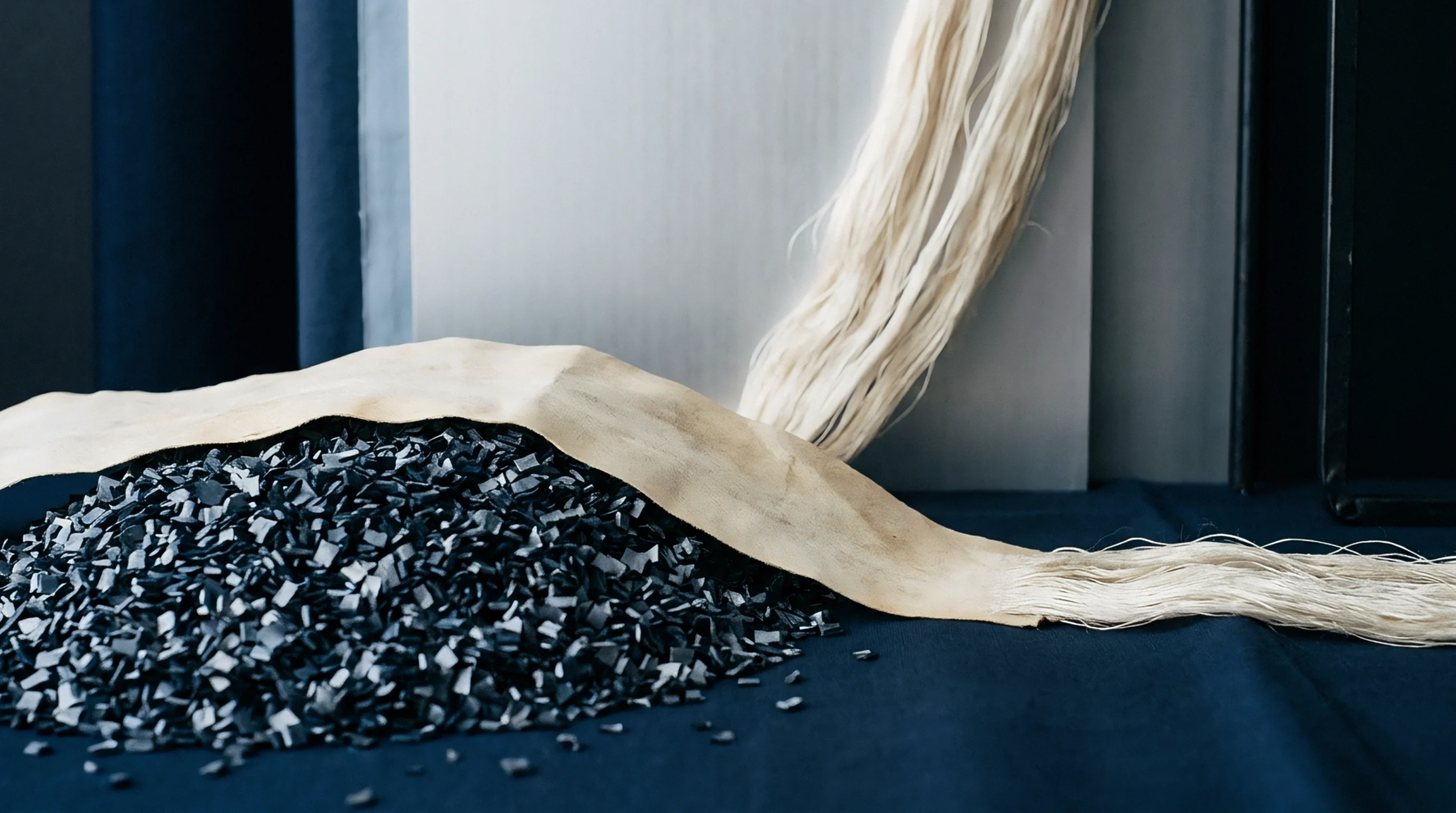
The construction consists of an inner filament or strand that is fully covered by an outer sheath of staple fibers. Using core spun yarn allows manufacturers to combine the structural properties of synthetic high-tenacity centers with the handle of natural exterior fibers. The internal member provides the tensile strength and elasticity while the outer layer provides the visual aesthetic and tactile comfort.
Production involves feeding the core under specific tension while the outer fibers are drafted and twisted around it. This term applies strictly when the covering is complete and no parts of the interior are visible through the gaps. It creates a material that looks like cotton but performs with the durability of polyester.
Mechanical Execution
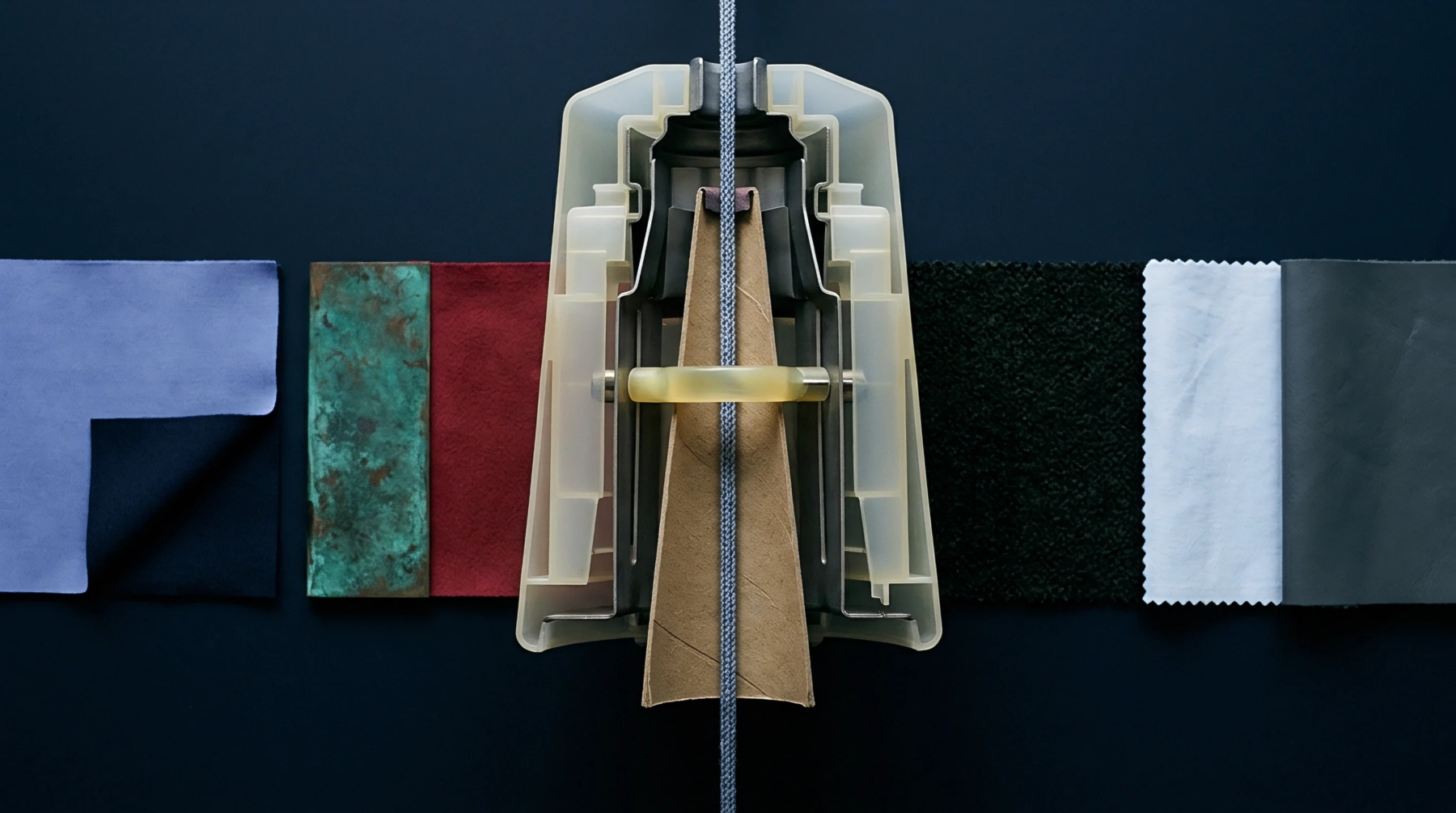
Integrating the center core requires a specialized feeder system mounted on a standard spinning frame to ensure the filament stays in the middle. As core spun yarn is formed, the twisting action locks the outer fibers into place using friction. Tension control is vital because variations in stretch will lead to puckering in the final woven or knitted goods.
If the sheath is not dense enough, the core may peek through in a defect known as striping. The ratio of fiber to core determines the ultimate weight and stretch properties of the resulting textile. Monitoring the speed of the spinning rotor ensures that the twist is uniform throughout the entire length of the bobbin.
Precise alignment prevents the filament from migrating to the surface during later processing steps.
Physical Resistance
Increasing the resistance to breakage and deformation makes this construction popular in technical apparel and stretch denim. Because core spun yarn houses a high-modulus filament, it can withstand significantly more laundering and abrasion than standard single yarns. The presence of the interior stabilizer reduces shrinkage while maintaining the breathability of the outer natural fiber content.
Engineers calculate the specific twist needed to prevent the outer sheath from sliding along the filament in a failure known as skinning. If the skinning happens, the functionality of the core is lost and the visual quality is destroyed. This assembly method is verified at the mill by stripping a small section to measure the proportions of each component.
High yarn consistency leads to better performance during intensive high-speed weaving operations.
Finished Performance
Choosing this assembly style allows for the creation of fabrics that retain their shape after extensive wear and heavy use. When using core spun yarn, the final product exhibits the absorbency of its exterior with the memory of its interior. This results in garments that do not sag or lose their fit over time during typical daily activities.
The mill must monitor the interaction between the core and the dye chemicals used on the sheath. If the two materials react differently to heat, it can cause internal stress that weakens the yarn structure. Final inspection looks for consistency in thickness to ensure that the fabric surface is smooth and even.
Uniformity in these properties marks the success of the hybrid spinning operation.