Quantifying Anti Friction Lubricant Protection Limits for Elastane Cores under High Drag Jet Processing
Sustaining a 1.8 percent ester lubricant film on elastane cores prevents elastomeric rupture when jet nozzle pressure exceeds 2.2 bar.

Film
Polyurethane core filaments inside stretch yarns require an unbroken lubrication boundary to survive the severe fluid dynamics of jet dyeing. Primary spin finishes applied during spinning ~ typically mineral oils, silicone polymers, or synthetic fatty acid esters ~ reduce friction during drawing and winding. Once elastic yarns enter wet processing, however, these initial surface coatings erode rapidly.
High-velocity liquor circulation in jet nozzles generates heavy fluid shear across the yarn exterior. If that shear opens the outer sheath, direct fluid drag pulls on the inner elastane core. Maintaining a continuous boundary film on the elastane filaments provides the mechanical cushioning required to prevent friction-induced degradation.
Yarn structure dictates how well a protective lubricant stays anchored to the elastic core during high-velocity wet processing. Spun staple sheaths on core-spun yarns offer partial mechanical shielding, but air-covered yarns feature micro-gaps through which circulating liquor scours the internal elastane strand directly. Friction between adjacent filament surfaces creates localized stress concentrations.
Without a low-shear interfacial lubricant layer, these contact points turn fluid turbulence into micro-mechanical abrasion, causing boundary lubrication to fail quickly.
Sheath Construction Mechanics and Core Protection
Twist distribution along core-spun ring yarns produces variable packing density, which affects how well lubricant is retained during hydraulic scouring. High twist multipliers compress the staple wrap tightly around the elastomeric center, restricting liquid exchange between the jet bath and interior core. This barrier slows lubricant stripping, but it also prevents fresh bath-applied anti-friction additives from reaching the core surface.
Low-twist constructions, by contrast, allow rapid chemical penetration but offer little mechanical protection against hydrodynamic shear. The staple fibers shift laterally under nozzle impact, exposing raw elastane to direct metallic abrasion along jet transport tubes.
Air-covered yarns present a completely different protective dynamic. Intermingled filament loops secure the elastomeric core at discrete tack points rather than providing continuous coverage. The gaps between these tack points leave long stretches of elastane exposed to surrounding fluid currents.
Hydrodynamic drag inside the jet venturi accelerates liquid flow relative to the moving rope, and this velocity differential creates boundary layer shear that can strip primary spin finishes from exposed elastane within minutes of bath circulation.
| Yarn Architecture | Core Mass Percentage | Initial Finish Loading (% OMF) | Post Scour Core Friction (μ) | Minimum Film Thickness (nm) |
|---|---|---|---|---|
| Cotton Core-Spun (CSY) | 3.5% – 5.0% | 0.85% – 1.20% | 0.18 – 0.22 | 45 – 60 |
| Polyester Air-Covered (ACY) | 7.0% – 10.0% | 1.50% – 2.10% | 0.32 – 0.42 | 85 – 110 |
| Polyester Double-Covered (DCY) | 4.0% – 6.0% | 1.10% – 1.50% | 0.14 – 0.18 | 30 – 45 |
| Nylon Single-Covered (SCY) | 8.0% – 12.0% | 1.80% – 2.40% | 0.28 – 0.36 | 70 – 95 |
| Values measured at 20 degrees Celsius using friction pin methodology ISO 13708 at 100 metres per minute contact speed. | ||||
Double-covered elastane structures provide far better physical isolation against bath erosion. Two opposing layers of filament yarn wrap the core under continuous tension to form a dual mechanical sheath. This tight spiral winding keeps circulating dye liquor from reaching high fluid velocities near the elastane surface, keeping fluid movement inside the core laminar even when the surrounding bath is extremely turbulent.
Applying synthetic ester lubricants at two percent mass loading on double-covered polyester elastane yarns yields a core friction coefficient of 0.14.
Sheath displacement during jet passage is the primary driver of core lubricant loss. As a textile rope enters the jet tube, radial compression forces liquor outward through yarn voids, washing away surface-bound siloxanes and esters. Higher jet nozzle pressures accelerate this washing, converting a steady boundary layer into an unstable emulsified zone.
Once the inner elastane core loses its sliding interface, internal fiber-to-fiber wear increases quickly.
Hydrodynamic Boundary Stabilization in Core Elastane Substrates
Viscous flow dynamics within the yarn bundle govern whether protective additives actually reach the elastomeric strand. Fluid velocity drops sharply inside the micro-channels between individual sheath filaments, transitioning from turbulent flow outside the bundle to pure capillary diffusion inside the core zone. This transition controls how quickly auxiliary lubricants in the dye bath replenish stripped spin finishes.
High bath concentrations of specialty anti-friction additives maintain an osmotic pressure gradient that drives active siloxanes inward toward the elastane surface.
Rule of thumb: Insufficient hydrodynamic boundary thickness allows direct metal-to-filament shear to peel the protective sheath before thermal equilibrium stabilizes the dye liquor.
Surfactant selection in scour and dye baths directly controls protective film stability. Anionic levelers and non-ionic wetting agents lower interfacial tension between hydrophobic lubricants and water. However, high concentrations of high-HLB emulsifiers solubilize boundary lubricants, stripping them from the elastane surface and holding them in emulsion within the bath.
Once stripped, the elastane core suffers direct contact friction against adjacent sheath fibers, causing microscopic abrasion, localized tension spikes, and premature loss of elastic recovery.
Boundary film retention depends on matching surface energy between the elastomeric core and the lubricant chemistry. Polyurethane-polyurea block copolymers contain both polar hard segments and non-polar soft segments. Unmodified mineral oils adhere weakly to the polar hard segments and are easily removed by mild scouring agents.
Modified polyorganosiloxanes with organic side chains bond much more tenaciously to both polyurethane segments, resisting emulsification under jet turbulence and elevated bath temperatures.
Temperature changes alter the dynamic viscosity of the protective film on the elastane core. As jet bath temperatures rise toward polyester dyeing thresholds of 130 degrees Celsius, fluid viscosity drops exponentially, causing thinning oil films to flow away from high-pressure contact points within the yarn structure. Without thermal stabilizers or high-viscosity ester additives, the lubricant layer thins past its critical load-bearing limit, allowing direct polymer-to-polymer contact under jet impact forces.
Inadequate core lubrication early in processing leads to cumulative structural damage during subsequent finishing passes. Frictional drag inside the jet nozzle stretches the elastane core past its yield point while high temperatures soften the polyurethane hard segments. Micro-cracks then propagate around the core filament circumference, creating initiation sites for total tensile failure during stenter drying and heat setting.
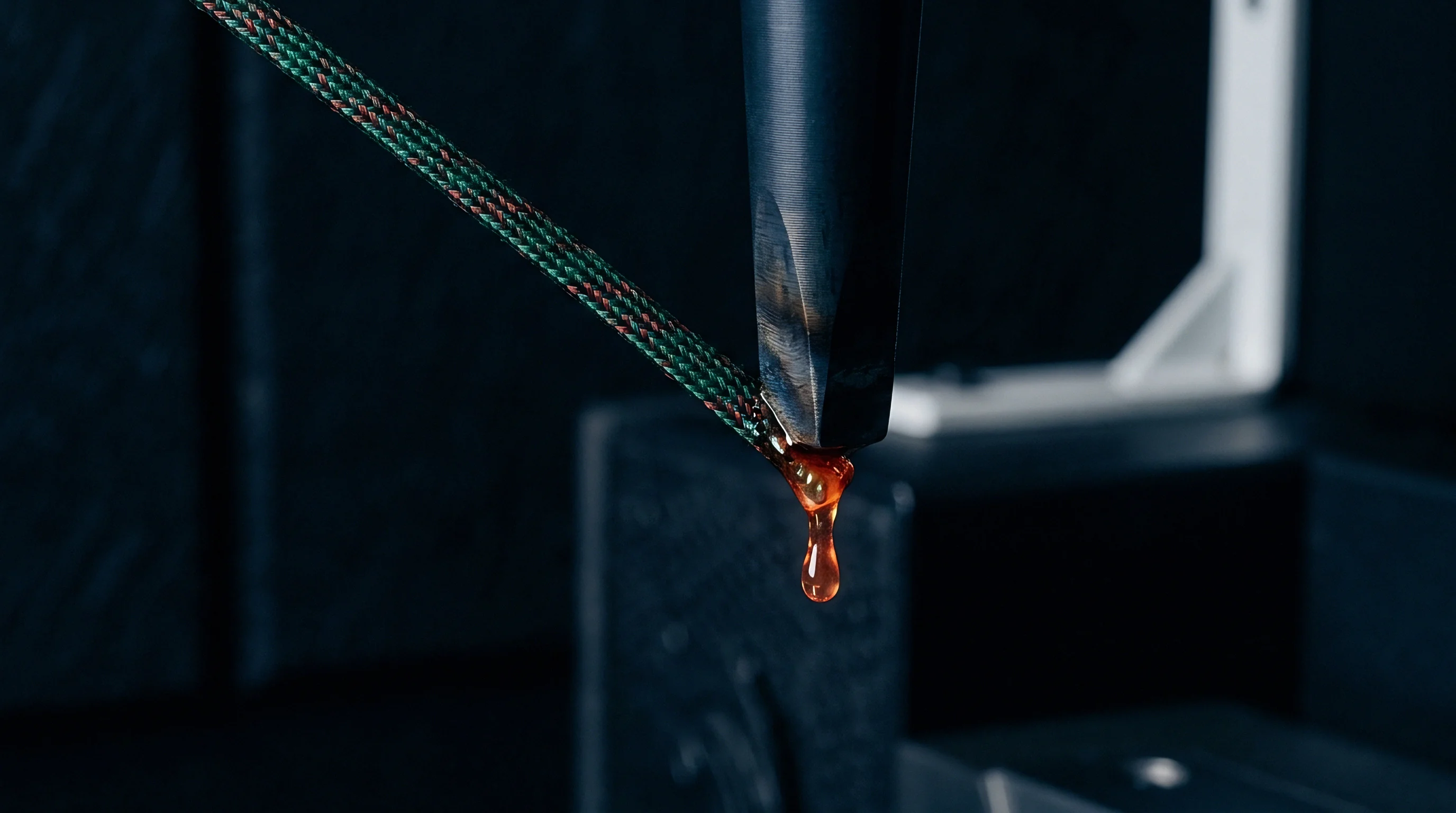
Drag
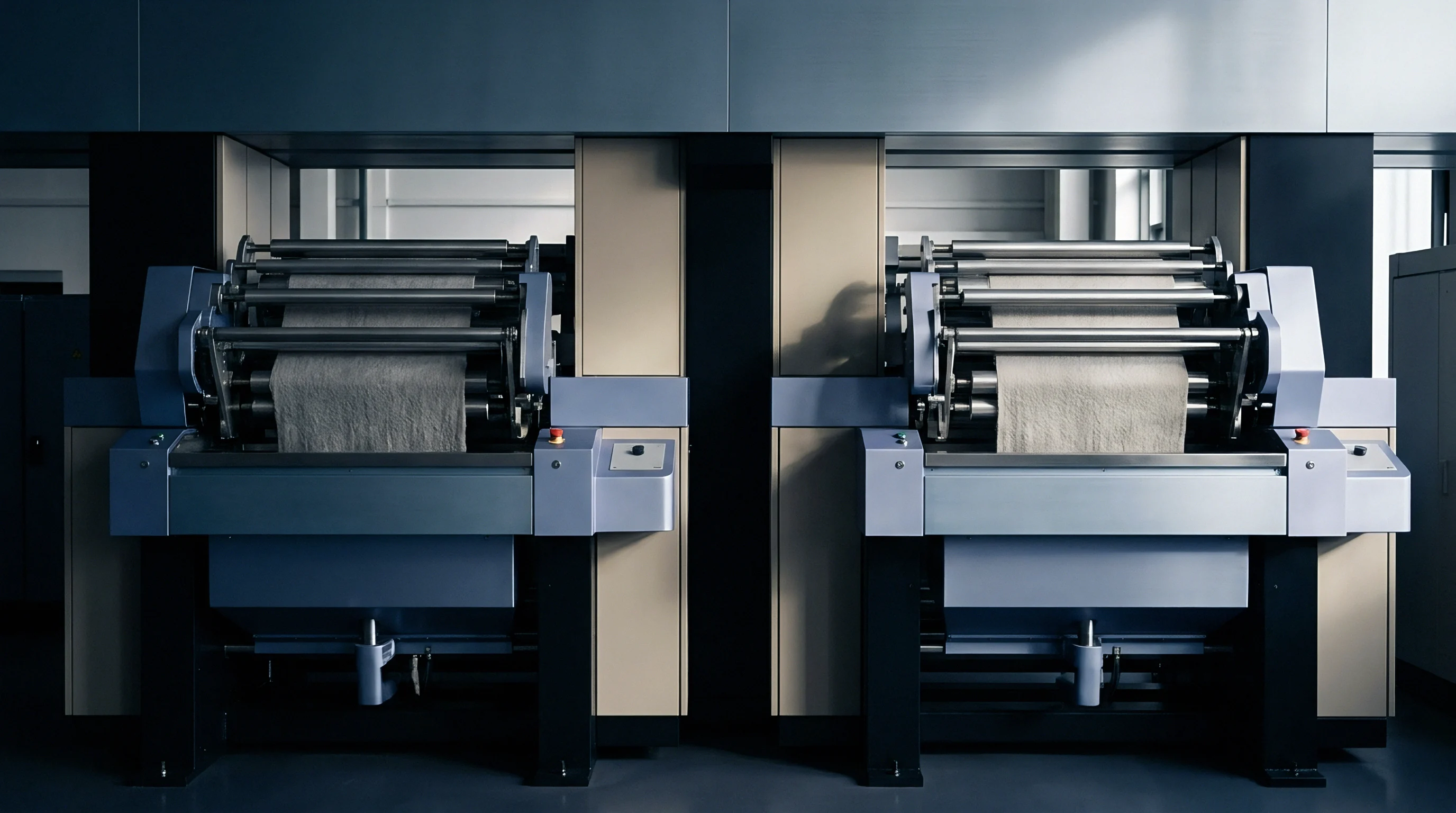
Mechanical propulsion in jet dyeing machinery relies on high-velocity fluid streams that generate heavy hydrodynamic forces against moving textile ropes. Venturi nozzles convert pump pressure into kinetic energy, forcing liquid through narrow apertures to pull material forward. This acceleration creates shear stress along the rope perimeter.
While these forces ensure smooth transport at speeds up to 500 metres per minute, they also subject constituent yarns to severe mechanical drag, pushing outer sheath filaments backward relative to the advancing elastic core.
Viscous drag calculations inside jet nozzles require analyzing fluid density, relative velocity, and nozzle geometry. Pressure differentials across the venturi throat often exceed 2.5 bar in high-drag configurations. This pressure drop accelerates liquor through the jet tube, driving localized turbulence.
The resulting wall shear stress acts directly on the outer surface of the advancing rope, generating intense friction that transfers deep into the yarn bundle.

Venturi Nozzle Dynamics and Hydrodynamic Shear Forces
Nozzle throat contraction ratios dictate how much mechanical shear reaches the substrate core. Narrow nozzle diameters compress the textile rope tightly, maximizing contact between outer fibers and fluid streams. This hydraulic packing force improves rope driving power, but it generates high normal forces against individual yarns.
Shear forces inside the venturi tube easily exceed the resistance of weakly bound spin finishes, peeling protective lubricant layers off exposed elastane filaments.
Liquor flow velocity relative to rope speed determines the hydro-abrasive severity of the jet cycle. When pump output drives liquor significantly faster than mechanical winch speeds, fluid drag scours the yarn surface. Conversely, when winch speed exceeds liquor drive velocity, the rope suffers abrasive mechanical drag against internal nozzle walls.
Either imbalance accelerates lubricant stripping and increases mechanical wear on elastane cores.
- Hydrodynamic compression packs the textile rope into a dense circular cross section inside the nozzle throat, forcing interstitial liquor out of yarn micro-channels.
- Velocity gradient shear strips boundary lubricants from exposed exterior filaments as fast-moving liquid streams wash over the advancing rope boundary.
- Shear displacement pushes sheath filaments backward relative to the elastane core, generating internal friction that heats and stretches the elastomeric center.
- Mechanical impact against jet transport tube elbows forces the unlubricated elastane core into direct contact with stainless steel surfaces under high normal loads.
Rope flexure at transport tube turns induces cyclic axial tension variations in the advancing substrate. As material travels from the main vessel up to the reel winch and down through the jet nozzle, tension fluctuates rapidly. These dynamic tension spikes repeatedly stretch the elastane core while it sits exposed to high-shear bath conditions.
Once stretched, the reduced cross-sectional area of the filaments lowers their resistance to concurrent mechanical drag forces.
During high-pressure cycles on the dyehouse floor, the physical sound of rope cavitation indicates excessive nozzle differential pressure. Cavitation bubbles collapse against the textile rope surface, sending microscopic shockwaves through the yarn bundle. These localized pressure impulses micro-fracture brittle spin finish matrices and force remaining lubricant droplets into emulsion with surrounding dye liquor, stripping the core completely of boundary protection.
Liquor Ratio Impacts on Hydrodynamic Drag Loading
Ultra-low liquor ratio jet machines decrease water consumption while dramatically increasing chemical and mechanical stress per unit mass of substrate. At liquor ratios of 1:4 or 1:5, liquor viscosity rises due to concentrated dyestuffs, auxiliaries, and dissolved spinning oils. Thicker, denser fluid circulation generates higher drag coefficients at identical pump pressures, subjecting textile ropes to elevated wall friction and intense internal fiber friction.
ISO 20932-1 test results following ten continuous jet cycles indicate core set values above eight percent flag boundary lubrication failure.
Mechanical winch speed settings must match fluid flow rates precisely to minimize shear accumulation along the elastane strand. Mismatched drive speeds cause the rope to slip over the winch drum, creating localized surface abrasion that penetrates through sheath fibers to the core. Friction against winch surfaces generates heat directly on raw elastane, causing thermal softening and permanent loss of elastic modulus.
Transport tube length and surface finish govern continuous sliding resistance after the rope exits the nozzle. Mirror-polished stainless steel walls reduce boundary friction early on, but accumulating oligomers and chemical residues increase wall roughness over extended cycles. These rougher tube walls strip auxiliary lubricants faster, forcing unlubricated elastane strands to slide against abrasive surface scale.
Internal chamber baffling and basket designs influence how the rope piles and relaxes in the storage vessel. High-drag processing packs the rope densely at the vessel bottom, requiring higher winch pull forces to extract material for the next loop. This extraction tension pulls individual yarns tight within the rope matrix, locking in mechanical shear and preventing auxiliary lubricants in the bulk bath from reaching depleted elastane cores.
Failure to optimize jet hydrodynamics leads directly to structural core destruction during high-drag runs. Unprotected elastane cores subject to excessive shear suffer localized necking, molecular disentanglement, and eventual strand fracture. Substrates exiting the jet vessel display severe elasticity loss, permanent length distortion, and uneven recovery across the fabric width.
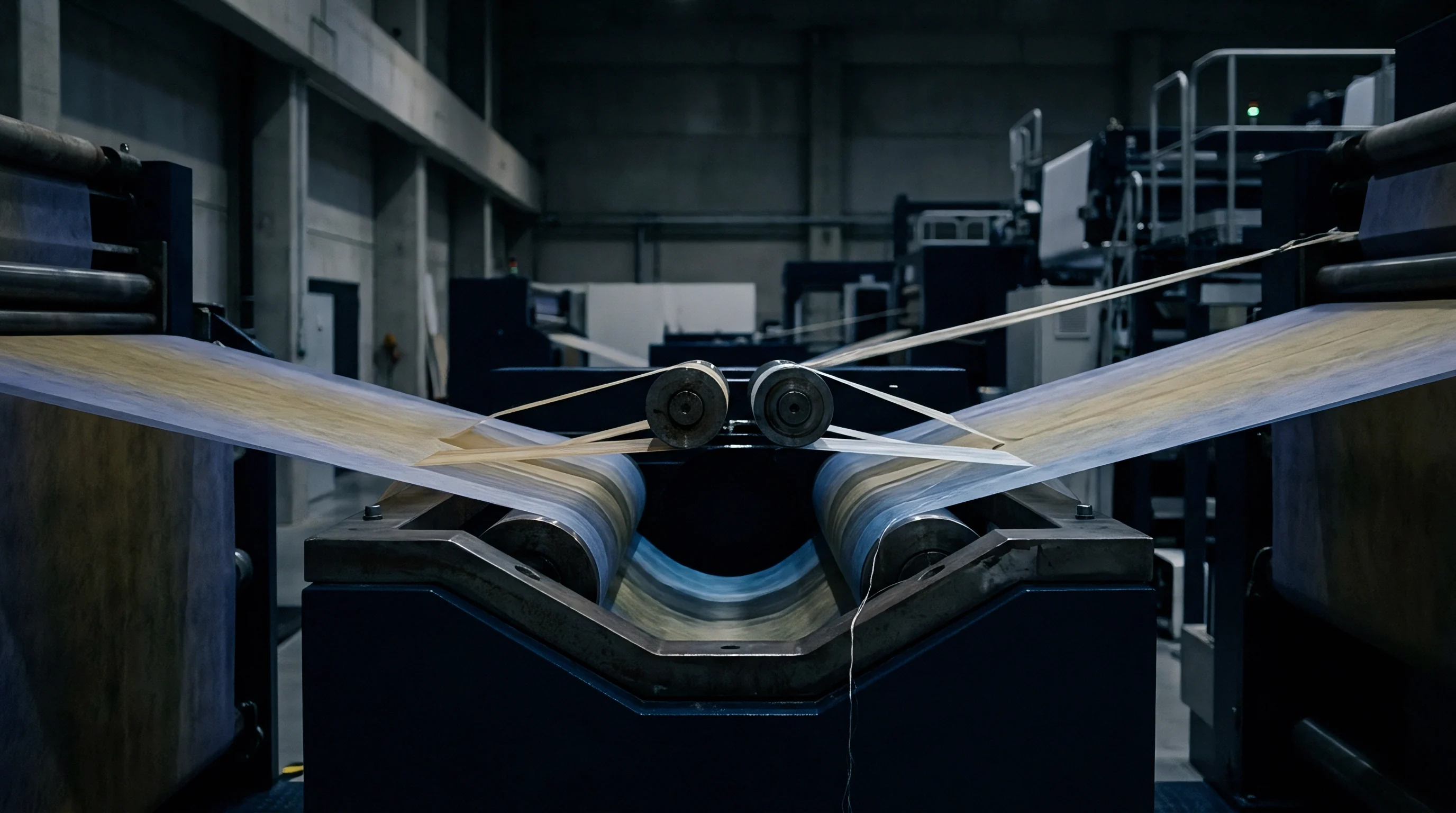
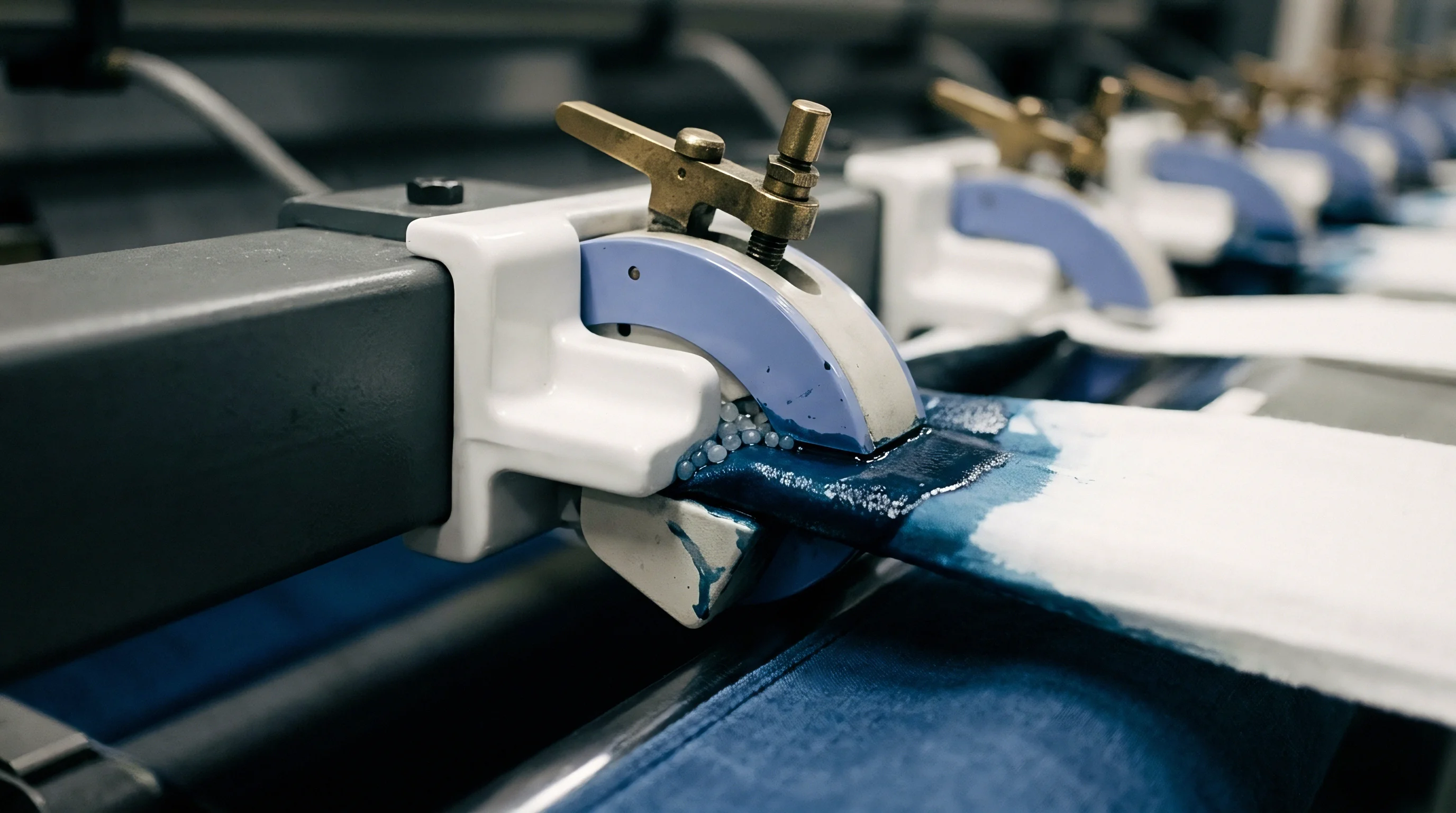
Esters
Formulating anti-friction auxiliaries for wet processing relies heavily on high-molecular-weight polyorganosiloxanes, synthetic fatty acid esters, and specialized emulsifiers. Unmodified mineral oils fail under elevated jet dyeing temperatures due to poor thermal stability and high susceptibility to surfactant stripping. Synthetic fatty acid esters, such as trimethylolpropane trioleate and isotridecyl stearate, offer high viscosity indexes, exceptional thermal-oxidative stability, and strong polar affinity for polyurethane chemistries.
These synthetic ester matrices form resilient boundary films that resist displacement under severe hydrodynamic drag.
Polyorganosiloxanes provide ultra-low surface energy interfaces that minimize friction between elastane cores and surrounding sheath fibers. Amino-functional siloxanes contain nitrogen atoms that interact electrostatically with polyurethane urea linkages in the elastane structure. This chemical anchoring holds the silicone polymer layer tightly against the elastomeric core, preventing bath surfactants from washing the lubricant away during long, high-temperature dye cycles.
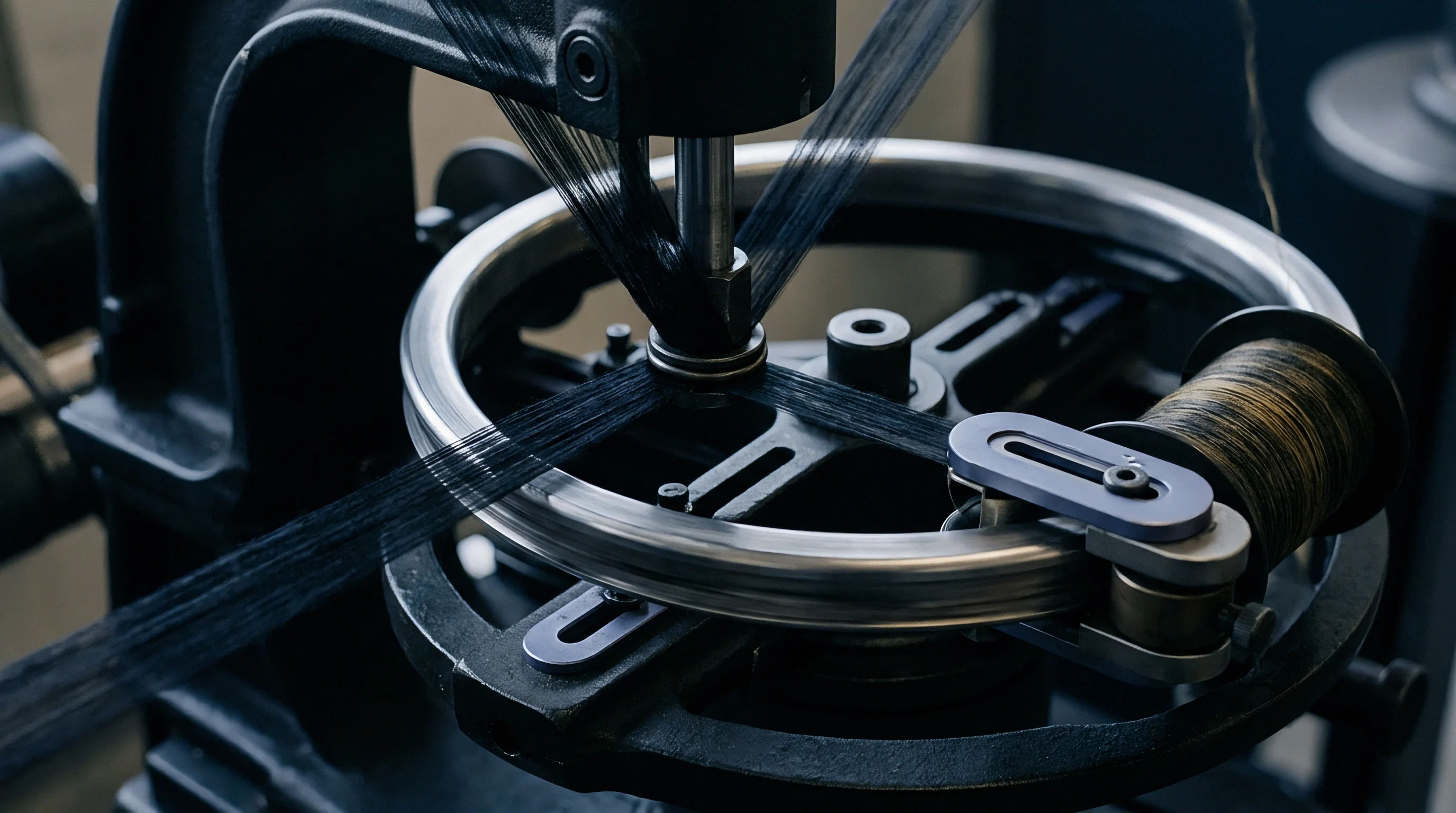
Can Hydrodynamic Drag Deplete Core Silicone Coatings?
Severe hydraulic turbulence combined with high venturi differential pressure forcibly strips poorly anchored silicone coatings off elastane cores. Standard dimethylpolysiloxanes lack polar functional groups, relying solely on weak van der Waals forces to adhere to the elastomeric strand. High-drag liquor streams easily overcome these weak physical bonds, emulsifying silicone oil into the surrounding bath.
Once stripped of siloxane protection, the bare polyurethane core experiences a rapid spike in friction coefficient, rising from 0.12 to 0.48.
Amino-modified siloxane emulsions prevent hydrodynamic stripping by forming cross-linked or highly oriented molecular arrays along the elastane surface. Positively charged amino groups anchor to polar hard segments of the polyurethane polymer, while hydrophobic siloxane chains align outward toward the liquid interface. This orientation creates a durable, slick barrier that deflects fluid drag and resists detergent displacement across extended dye cycles at 130 degrees Celsius.
- High emulsifier concentration strips silicone films off elastane cores by forming mixed micelles that solubilize non-polar lubricant polymers into bulk liquor.
- Alkaline bath conditions hydrolyze ester-based lubricants, breaking long-chain fatty acids into soluble soaps that lack boundary load-bearing capacity.
- High shear pump circulation breaks low-stability lubricant emulsions, causing oil spotting on substrate surfaces while leaving inner elastane cores completely dry.
- Thermal oligomer precipitation disrupts protective silicone layers, creating abrasive crystalline deposits directly along the elastomeric strand boundary.
Synthetic fatty acid esters complement siloxane chemistries by providing exceptional extreme-pressure lubrication within dense yarn bundles. Esters establish high-strength boundary films through polar interaction between their carbonyl oxygen atoms and hydroxyl groups present on fiber surfaces. These ester films withstand extreme compressive forces generated inside narrow jet nozzle throats, preventing direct metal-to-polymer and polymer-to-polymer contact under severe hydraulic compression.
| Lubricant Base Chemistry | Viscosity at 40°C (cSt) | Flash Point (°C) | Stripping Loss at 130°C (%) | Boundary Load Limit (N) |
|---|---|---|---|---|
| Refined Hydrocarbon Mineral Oil | 15 – 22 | 165 – 180 | 68% – 82% | 120 – 150 |
| Trimethylolpropane Trioleate Ester | 45 – 55 | 280 – 300 | 18% – 25% | 420 – 480 |
| Amino-Functional Polyorganosiloxane | 120 – 180 | 320 | 8% – 14% | 550 – 620 |
| Isotridecyl Stearate Synthetic Ester | 28 – 35 | 220 – 240 | 22% – 31% | 310 – 380 |
Emulsifier selection in auxiliary formulations determines bath compatibility and durability under jet shear. Ethoxylated fatty alcohols with low HLB values keep active ester and silicone components uniformly dispersed in water without aggressively solubilizing the film off the fiber surface. High-HLB surfactants added to dye baths as levelers or dispersants compete with lubricant molecules for adsorption sites, accelerating lubricant removal from elastane cores.
Finish qualification trials evaluate surfactant stripping rates across varying liquor ratios to determine chemical loss under jet flow conditions. High liquor turbulence forces surfactants into yarn micro-voids, scrubbing lubricant molecules off internal elastane surfaces. Formulations containing polyether-functional siloxanes maintain surface activity without forming permanent bath emulsions, ensuring active lubricant molecules re-adsorb onto exposed elastane cores throughout the dye cycle.

Thermal Stability and Viscous Boundary Retention
Elevated wet-processing temperatures weaken physical lubricant barriers through increased molecular motion and reduced fluid viscosity. As jet bath temperatures approach thermal fixation ranges, low-molecular-weight mineral oils volatilize or dissolve into surfactant micelles. Synthetic polyol esters maintain stable film thickness across temperature ramps, retaining enough dynamic viscosity to cushion elastane cores against continuous nozzle impacts.
Polyurethane structural breakdown accelerates when high heat joins unlubricated friction. Frictional heating at unlubricated contact points elevates local temperatures far above bulk liquor readings. These hot spots induce thermal-oxidative cleavage of polyether soft segments within the elastane polymer, permanently lowering elasticity.
Synthetic esters absorb and dissipate localized frictional heat, preventing thermal spikes along the elastomeric core.
Combining amino-siloxanes with high-viscosity polyol esters produces synergistic boundary protection inside jet machines. The ester provides extreme-pressure load capacity, while the siloxane delivers ultra-low friction coefficients and hydrophobic recovery. This binary active system keeps elastane cores lubricated even when jet drag forces compress yarn bundles tightly within nozzle throats.
General-purpose bath lubricity additives are often expected to protect elastic yarns against jet processing damage without requiring dedicated core-penetrating formulations. However, high-molecular-weight bath lubricants remain trapped on outer yarn surfaces, failing to penetrate staple sheaths or filament wraps. The inner elastane core remains unlubricated, suffering severe friction damage while the bulk dye liquor retains excess, unabsorbed lubricity chemical.
Rupture
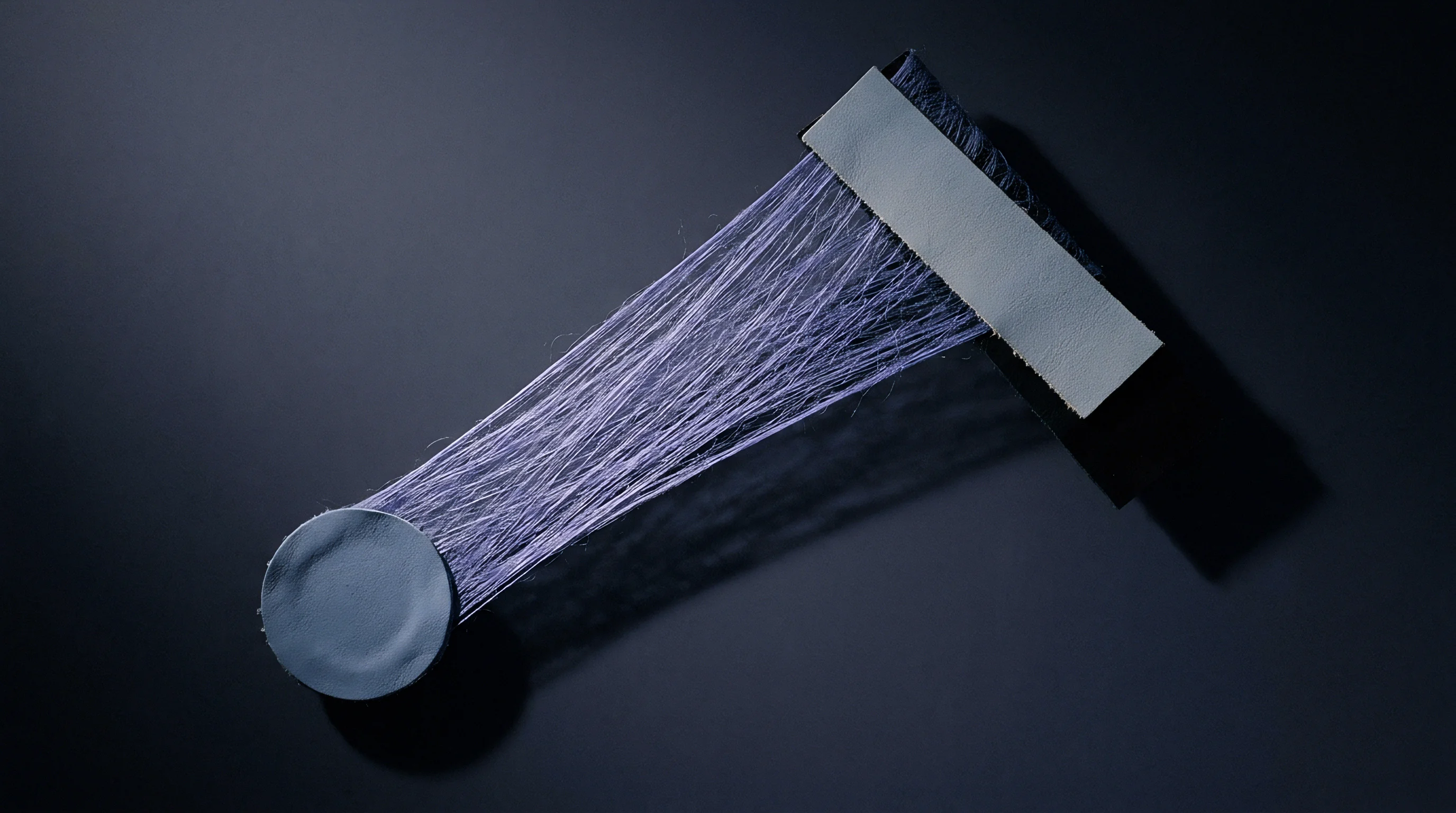
Mechanical overload on polyurethane core filaments produces distinct structural failure modes during high-drag processing. Continuous tensile strain coupled with unlubricated friction forces elastane strands past their ultimate tensile limit. Frictional wear strips outer micro-fibrils from the core surface, creating notched defects that concentrate applied stress.
When local strain exceeds polymer stretch capacity, micro-voids coalesce rapidly into complete transverse strand rupture. The broken core snaps back inside the sheath, leaving unreinforced sections of yarn that appear as stretch dead zones or barré lines in finished fabric.
Polyurethane morphology controls resistance to mechanical degradation under thermomechanical stress. Hard polyurethane segments provide physical cross-links that give elastane its elastic memory and tensile strength, while polyether or polyester soft segments deliver stretch capacity. Frictional drag in hot jet liquor disrupts soft segment orientation, causing molecular chains to slip past one another under tension.
Unlubricated cores experience permanent segment displacement, leading to permanent set and loss of recovery power.
Failure Analysis of Lubricant-Depleted Core Filaments
Scanning electron microscopy of jet-damaged elastane cores reveals characteristic surface morphology corresponding to specific breakdown mechanisms. Unlubricated cores subjected to mechanical drag show extensive longitudinal fibrillation, deep scoring, and ragged transverse fractures. Conversely, cores protected by intact siloxane or synthetic ester films retain smooth cylindrical surfaces with clean, ductile fracture faces that occur only under extreme tensile overload.
Frictional heating along unlubricated elastane cores causes localized thermal softening of polyurethane hard segments. Softened hard segments lose their cross-linking function, allowing soft segments to pull apart irreversibly under nozzle transport tension. This thermal-mechanical breakdown permanently reduces yarn modulus, causing fabric bagging, width instability, and severe loss of elasticity.
Decision criteria for assessing physical core degradation in jet-processed elastic yarns focus on quantifiable mechanical and morphological parameters:
- Tensile strength retention drops below eighty percent of raw yarn values when boundary lubrication films fail during high-temperature jet cycles.
- Permanent set values exceed ten percent after cyclic elongation testing ISO 20932-1 when polyurethane soft segment slippage occurs under jet drag.
- Core filament grinning becomes visible across substrate surfaces where elastane strands fracture and recoil into dense sheath pockets.
- Linear density variation spikes along extracted elastane strands due to localized necking caused by unlubricated sliding friction inside yarn bundles.
Sheath displacement mechanics exacerbate core rupture hazards during nozzle passage. Unlubricated sheath fibers grab raw elastane filaments through surface friction, dragging the core along as the sheath buckles inside the nozzle throat. This localized bunching creates massive tension spikes that break elastane strands right at entry points into the venturi tube.
Chemical degradation acts synergistically with mechanical drag to accelerate core breakdown. Heavy scouring agents, strong alkalis used in reactive dyeing, and oxidative bleaching agents attack polyurethane urea links at elevated temperatures. Stripping protective lubricant films exposes bare polymer surfaces directly to aggressive bath chemicals, lowering the threshold stress required to cause mechanical rupture.
Restoring elasticity to substrates damaged by core rupture is impossible during subsequent finishing operations. Continuous heat setting on stenter frames can stabilize dimensions, but it cannot repair severed elastane strands or rebuild broken polyurethane molecular chains. Preventing core degradation requires maintaining boundary protection throughout every high-drag wet processing step.
What fundamental molecular weight threshold must modified amino-siloxanes maintain to prevent complete thermal migration away from polyurethane core segments during prolonged dye cycles at 130 degrees Celsius?
Benchmark
Accurate quantification of residual anti-friction lubricant loadings on elastane cores requires rigorous extraction protocols and standardized mechanical testing. Simple gravimetric mass loss tests on bulk fabric fail to isolate core lubricant levels from sheath sizing residues, dyestuffs, and spinning oils. Analytical precision demands physical separation of sheath fibers from elastane cores or selective solvent extraction verified via spectroscopic characterization.
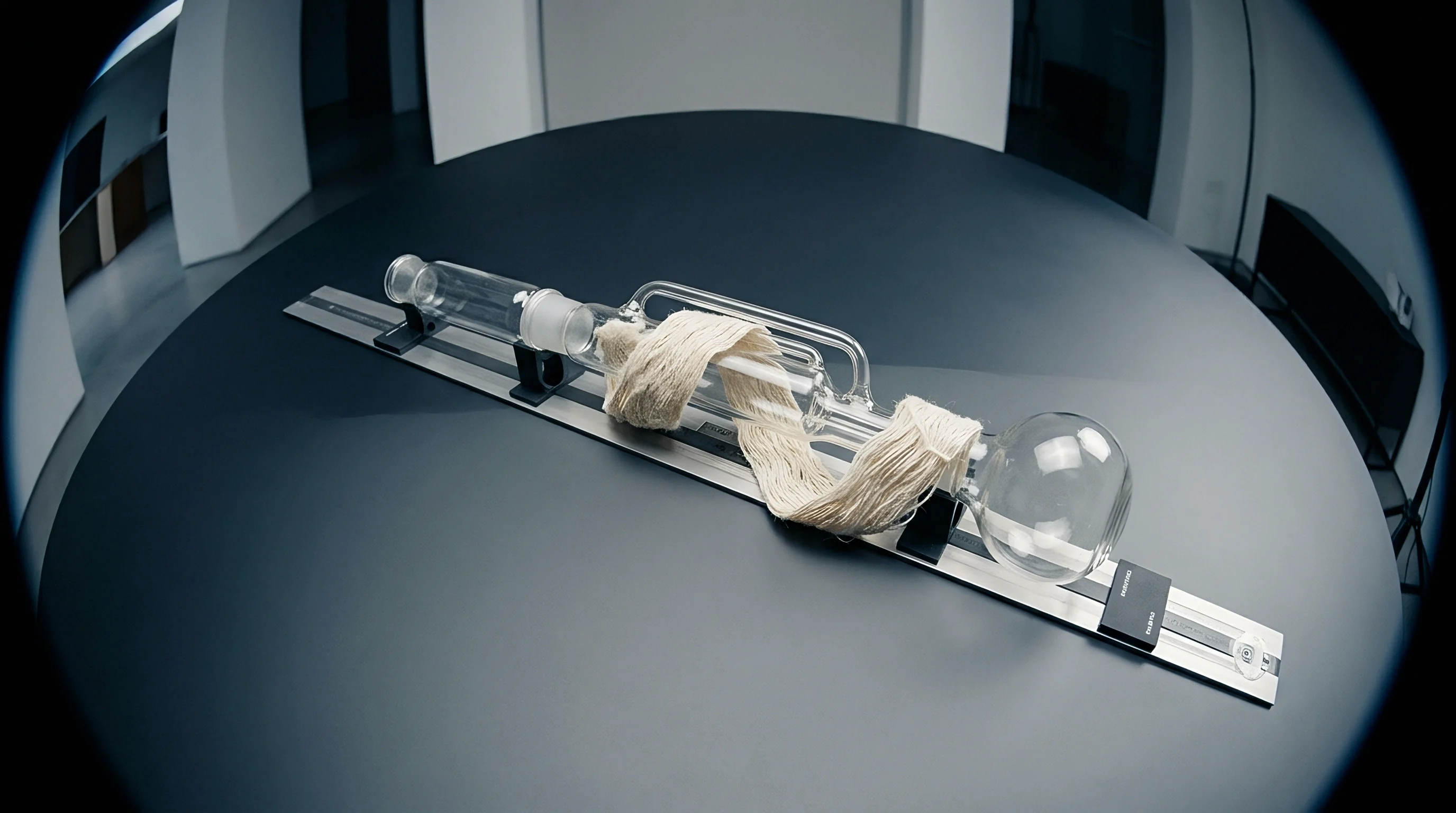
Soxhlet extraction using organic solvents serves as the baseline quantitative procedure for isolating non-bound active lubricant mass from extracted elastane strands. Dichloromethane efficiently dissolves hydrocarbon mineral oils, synthetic fatty acid esters, and polyorganosiloxanes without attacking the underlying polyurethane polymer matrix. Extract analysis via Gas Chromatography-Mass Spectrometry (GC-MS) or Fourier Transform Infrared Spectroscopy (FTIR) quantifies exact lubricant chemistry present down to milligram-per-gram core loading levels.
Quantitative Analytical Protocols for Core Finish Extraction
Analytical quantification of core lubricant loading relies on standardized Soxhlet extraction sequences to isolate active boundary chemistries from raw and processed substrate samples.
- Carefully remove sheath fibers from elastic yarn samples under stereomicroscopic guidance to isolate clean elastane core strands weighing at least two grams.
- Condition isolated elastane core samples in a controlled standard atmosphere at twenty degrees Celsius and sixty-five percent relative humidity for twenty-four hours to establish dry specimen reference mass.
- Place conditioned elastane specimens into glass extraction thimbles inside a standard Soxhlet apparatus equipped with dichloromethane solvent flasks.
- Execute extraction cycles continuously for four hours at a siphon rate of six to eight cycles per hour, fully dissolving all surface-bound siloxanes and synthetic esters.
- Evaporate solvent extracts inside a vacuum rotary evaporator under reduced pressure until reaching constant residue mass in the collection vessel.
- Calculate total active lubricant percentage on mass of elastane core by comparing dried extract residue mass against initial conditioned specimen mass.
FTIR spectroscopic calibration curves using characteristic siloxane absorption bands at 1020 cm⁻¹ (Si-O-Si stretching) and ester carbonyl bands at 1740 cm⁻¹ (C=O stretching) permit fast, high-accuracy verification of extract composition. Comparing sample spectra against pure reference lubricant standards confirms whether residual core finish consists of protective amino-siloxanes or residual mineral oil remnants from raw spinning steps.
Tensile stress-strain evaluation of extracted elastane cores following ISO 20932-1 provides direct verification of structural core health. Testing individual elastane strands on micro-tensile testers reveals exact changes in elastic modulus, ultimate elongation, and tenacity caused by jet processing drag. Tensile retention values below eighty percent indicate severe friction damage and loss of core protection during wet processing.
Standard delivery contracts specifying residual lubricant mass below one percent on weight of elastane core expose the finisher to catastrophic elasticity collapse during high-temperature jet cycles.
Extracting core residue using dichloromethane in a Soxhlet apparatus isolates active siloxane polymers during routine audit verification of incoming greige goods. Comparing extracted finish levels against jet drag thresholds identifies batches prone to elastane rupture before bulk production commits mill capacity. Incoming elastic yarns bearing under one percent active core lubricant loading require pre-treatment auxiliary additions to survive high-drag jet processing routes.
Cyclic elastic recovery testing measures permanent set accumulation across multiple stretch cycles. Unlubricated core strands subjected to high jet drag show sharp set increases after five consecutive loading cycles to three hundred percent elongation. Core strands protected by amino-siloxane films maintain low permanent set values, demonstrating intact polyurethane cross-linking and minimal internal friction damage.
Standard quality assurance clauses in commercial fabric purchasing agreements dictate that bulk elastic substrates must exhibit less than eight percent permanent elastic set after ten industrial washing and drying cycles. Specifying compliance with ISO 20932-1 under maximum extension limits of fifty percent establishes legal grounds for rejecting delivery lots where jet processing drag destroyed core elastomeric protection.

Margin
Commercial viability in wet processing plants depends on establishing operational windows that balance high throughput against defect rates. Operating high-drag jet machinery at maximum pump pressure and rope speed boosts daily output, but dramatically accelerates boundary lubricant depletion on elastane cores. Frictional core damage leads to fabric rejection, costly strip-and-redye operations, or complete batch scrapping.
Sourcing managers must model the landed cost per finished metre by factoring chemical auxiliary costs against expected yield loss from core failure.
Optimizing jet dyeing parameters requires matching machine settings to specific yarn sheath and elastane core architectures. Nozzle selection, pump flow rates, winch speed sync, and auxiliary lubricant dosing form an interdependent operating matrix. Adjusting one parameter without compensating across others alters fluid drag forces, threatening elastane boundary protection during critical high-temperature processing phases.
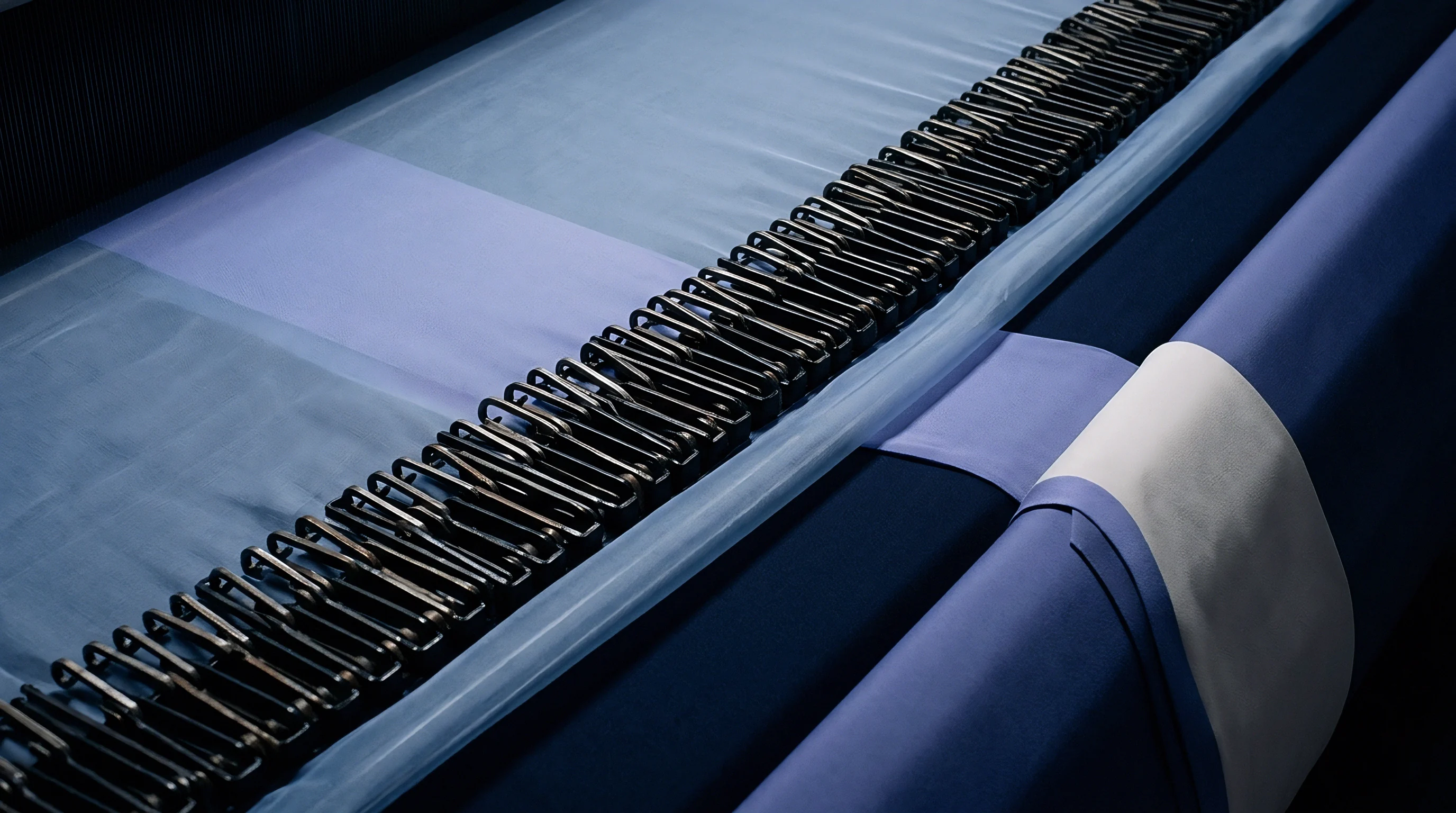
Operating Window Optimization for High-Drag Jet Dyeing
Jet nozzle diameter establishes the baseline mechanical compression and shear stress applied to advancing textile ropes. Oversized nozzles allow rope slipping, incomplete liquor turn, and winch abrasion. Undersized nozzles compress yarn bundles excessively, forcing interstitial liquor out and stripping core lubricants under high hydraulic normal forces.
Technicians choose nozzle sizes that yield a filling ratio between sixty and seventy percent of total nozzle cross-sectional area under operating bath flow.
Winch speed synchronization with liquor flow velocity prevents surface sliding friction between the drum and the moving rope. Setting winch speeds higher than liquid transport rates drags the rope over drum surfaces, generating localized frictional heat that softens elastane cores inside sheath structures. Automated winch controls tracking liquor flow meters maintain precise speed matching, holding mechanical rope tension under 0.05 cN/dtex throughout the cycle.
| Process Parameter Set | Nozzle Pressure (bar) | Rope Speed (m/min) | Auxiliary Dosing (% OMF) | Core Yield Retention (%) | Cost Impact ($/m) |
|---|---|---|---|---|---|
| High-Drag Unassisted Run | 2.8 – 3.2 | 420 – 480 | 0.0% (Nil) | 72% – 78% | + 0.42 (High Rework) |
| Standard Commercial Line | 2.0 – 2.4 | 320 – 360 | 0.8% – 1.2% Ester | 92% – 95% | + 0.08 (Baseline) |
| Optimized Boundary Protection | 1.5 – 1.8 | 260 – 300 | 1.5% – 2.0% Siloxane | 98% – 99.5% | – 0.12 (Low Waste) |
| Low-Ratio Ultra Shear Line | 2.5 – 3.0 | 380 – 420 | 0.5% Mineral Oil | 81% – 86% | + 0.28 (Moderate Rework) |
Chemical dosing schedules for auxiliary anti-friction lubricants must account for stripping rates across elevated dye cycle temperatures. A single-shot dose at cycle commencement leaves baths vulnerable to lubricant exhaustion during extended hold periods at 130 degrees Celsius. Dosing half the total auxiliary package during initial bath fill and injecting the remainder via automated metering pumps as temperatures reach 90 degrees Celsius maintains stable lubricant concentrations throughout high-shear dyeing phases.
Liquor ratio management directly influences chemical cost and boundary layer stability. Ultra-low liquor ratios reduce chemical consumption per kilogram of fabric, but elevate bath surfactant concentrations that promote lubricant stripping. Maintaining liquor ratios between 1:6 and 1:8 provides an optimal balance, supplying adequate fluid volume for rope cushioning while preventing high surfactant concentrations from solubilizing protective ester films off elastane cores.
Commercial rework penalties resulting from core elasticity failure eliminate profit margins on bulk dyeing contracts. Stripping dyed fabric to correct shade defects subjects elastane cores to a second high-temperature, high-drag cycle, removing whatever boundary lubricant remains. Re-dyed substrates suffer cumulative permanent elastic set values exceeding fifteen percent, rendering the finished material unfit for high-stretch garments.
Mill managers mitigate rework risk by investing in high-stability amino-siloxane bath lubricants that maintain core boundary integrity across extended processing cycles.
Production line auditing routines must enforce strict operating parameter boundaries to protect core elastomeric yield across bulk production runs. Standard operating procedures dictate continuous monitoring of jet differential pressure, nozzle velocity profiles, and bath auxiliary concentrations. Maintaining complete process logs provides verifiable proof of boundary protection compliance, securing commercial margins against unexpected substrate failure claims on delivered bulk goods.