Quantification Limits of Trace Non-Volatile Contaminants in Cross Border Chemical Recycling Claims
Cross-border chemical recycling claims require matrix-validated ICP-MS and LC-MS/MS testing to quantify trace non-volatile contaminants below regulatory limits.

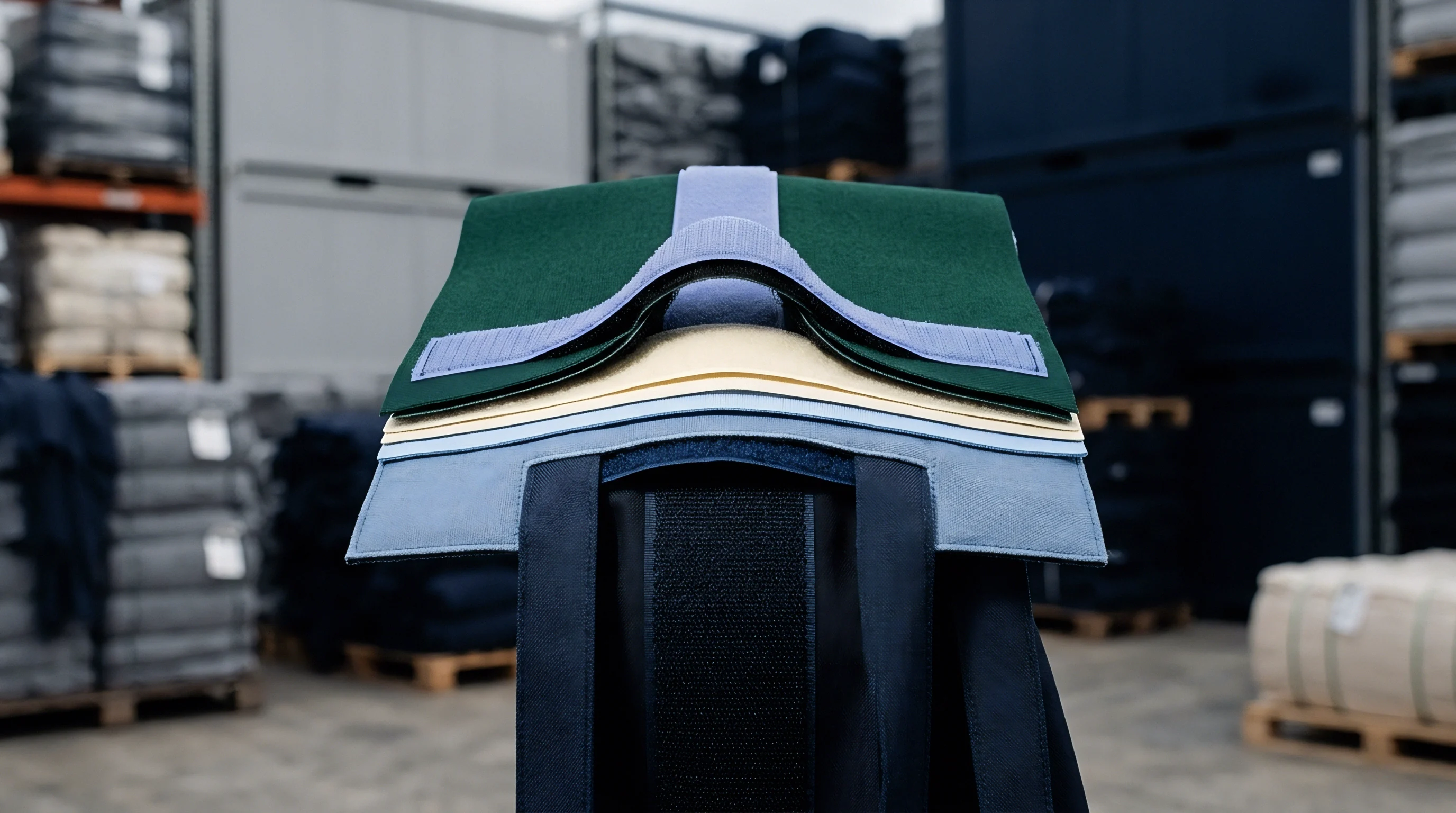
Monomers
Chemical depolymerization breaks down post-consumer polyester and polyamide waste into usable chemical intermediates. Thermal cracking, glycolysis, methanolysis, and enzymatic hydrolysis reduce long polymer chains to reactive monomers. These crude streams then pass through distillation columns, crystallization beds, or filtration units before repolymerization into virgin-grade resins.
While volatile organics flash off under heat, non-volatile compounds survive across sequential reaction stages. Organotin catalysts, heavy metal dye residues, brominated flame retardants, and fluorinated surfactants partition straight into liquid monomer cuts or concentrate in distillation bottoms.
Customs agencies and compliance desks inspect cross-border monomer shipments to confirm purity grades. A transaction certificate claiming chemical recycling origin demands analytical proof that non-volatile contaminants stay under regulatory thresholds. Restricted substance lists enforce concentration ceilings across four product categories: Class I covers items for infants under three years; Class II covers direct skin-contact goods; Class III covers articles without direct skin contact; Class IV covers decorative materials.
A lot of bis(2-hydroxyethyl) terephthalate made from post-consumer PET bottles might meet commercial polymer specs yet carry enough trace antimony or organotin to trigger a detention under Class I limits.
| Contaminant Class | Source Material Origin | Depolymerization Retention (%) | Regulatory Limit (mg/kg) | Standard Test Method | Target LOQ (mg/kg) |
|---|---|---|---|---|---|
| Antimony Trioxide | Polycondensation catalyst in PET bottle waste | 82 to 95 | 10.0 (Class I) | EN 16711-2 (ICP-MS) | 0.10 |
| Organotin Compounds (DNT, DBT, TBT) | Polyurethane coatings and heat stabilizers | 65 to 88 | 0.5 (Total Class I) | ISO 22744-1 (GC-MS) | 0.02 |
| Decabromodiphenyl Ether (decaBDE) | Back-coating flame retardants in upholstery | 40 to 75 | 10.0 (EU POPs) | EN 62321-6 (GC-MS) | 1.00 |
| Perfluoroalkyl Substances (PFAS) | Durable water repellent finishes | 55 to 90 | 0.025 (REACH Annex XVII) | CEN/TS 15968 (LC-MS/MS) | 0.005 |
| Cyclic PET Oligomers (Trimer, Tetramer) | Incomplete depolymerization side-products | 100 (Unpurified) | 500.0 (Internal Spec) | HPLC-UV / GC-FID | 5.00 |
Laboratories extract trace non-volatile contaminants using solvent protocols matched to each chemical matrix. These non-volatile fractions stay dissolved in liquid monomers or adhere to suspended micro-particulates. In PET methanolysis, dimethyl terephthalate crystallizes out while ethylene glycol stays in the mother liquor, concentrating heavy metal catalysts within the glycol loop.
Thermal pyrolysis of mixed polyolefins yields a heavier hydrocarbon mixture carrying dissolved waxes and spend catalysts. The limit of quantification marks the lowest analyte level measurable with acceptable precision under defined operating conditions. Test reports that state non-detectable levels without defining the limit of quantification leave importers exposed to unmeasured liability.
Problems emerge when recyclers label monomer shipments as virgin-equivalent without testing for legacy chemical additives. Textiles produced decades ago often carry heavy metal catalyst loads and halogenated flame retardants that current regulations ban. When this feedstock runs through basic depolymerization units, non-volatile additives slip past simple filtration.
Standard gas chromatography misses heavy metals and high-molecular-weight organometallics because the injector port cannot vaporize them. Inductively coupled plasma mass spectrometry and liquid chromatography-tandem mass spectrometry provide the necessary sensitivity for these inorganic and non-volatile organic fractions.
Antimony levels in depolymerized terephthalic acid batches range between 1.2 and 8.4 milligrams per kilogram depending on the efficiency of the post-glycolysis crystallization step.
High depolymerization temperatures do not destroy or volatilize inorganic additives and synthetic compounds, leaving non-volatile fractions intact throughout downstream processing.

Filtrate
Filtrates, wash liquors, and distillation heels retain high loads of organohalogens, heavy metals, and unreacted oligomers. Extracting trace residues out of these heavy chemical cuts introduces severe matrix interference. Polymeric residues, viscous waxes, and oligomers coat chromatography columns, suppress ion formation in mass spectrometers, and generate broad baseline noise.
Validating a quantification limit requires stripping out matrix interferences during sample prep. Microwave acid digestion decomposes the monomer matrix so remaining metals stay dissolved in aqueous acid for plasma analysis, while non-polar organics require targeted liquid-liquid or solid-phase extraction to separate target analytes from background hydrocarbons.

Is Pyrolysis Oil Purified beyond Detection Limits?
Pyrolysis oil from post-consumer mixed textiles carries non-volatile residues through primary condensation towers. Halogenated additives, organophosphorus compounds, and metal pigments distribute across several distillate cuts. When these fractions move across borders for hydrotreating or repolymerization, receivers must screen them against restricted substance lists.
Unchecked non-volatile contaminants poison hydrotreater catalyst beds and carry restricted species directly into finished resins.
- Matrix Ion Suppression occurs when co-eluting non-volatile oligomers reduce the ionization yield of target contaminants in liquid chromatography mass spectrometry source chambers.
- Column Stationary Phase Contamination happens when high-boiling non-volatile waxes deposit irreversibly onto capillary columns during gas chromatography runs.
- Incomplete Mineralization Digest results when complex organometallic compounds resist microwave acid digestion, producing low recovery rates for heavy metal analyses.
- Calibration Drift develops when non-volatile matrix residue accumulates on the ion cones of inductively coupled plasma mass spectrometry instruments.
An audit-ready prep protocol for non-volatile screening follows a fixed sequence. Quantifying trace organotins and heavy metals in liquid monomer batches requires six mechanical steps:
- Homogenize the bulk monomer sample at 40 degrees Celsius using an ultrasonic bath to dissolve settled crystalline fractions.
- Weigh exactly 500 milligrams of homogenized liquid into a high-pressure fluoropolymer microwave digestion vessel.
- Add six milliliters of concentrated nitric acid and two milliliters of hydrogen peroxide to digest organic components.
- Run a multi-stage microwave heating program reaching 200 degrees Celsius and hold for twenty minutes.
- Dilute the digested solution with deionized water to fifty milliliters in a volumetric flask.
- Aspirate the sample directly into an inductively coupled plasma mass spectrometer calibrated against certified reference materials.
Getting a representative sample remains difficult in commercial plants. Non-volatile contaminants settle out during transport, forming vertical concentration gradients over long transit routes. Pulling material only from the top tanker valve produces an artificially clean read, while bottom drains show heavy contamination.
Reliable verification requires taking composite samples from upper, middle, and bottom tank levels before running analytical digestion.
Composite sampling across three tank levels reveals a fourfold concentration gradient in non-volatile organotin residues after seven days of ocean transit.
A sample drawn from the surface of a liquid monomer container never represents the contaminant profile of the settled batch.

Instrumentation
High-resolution mass spectrometers and plasma atomic emission systems measure contaminants down to parts-per-billion levels. Quantifying non-volatile compounds requires matching the instrument to the physical traits of the target molecule. Inductively coupled plasma mass spectrometry determines trace heavy metals ~ lead, cadmium, mercury, chromium, and antimony ~ at microgram-per-kilogram levels.
Liquid chromatography coupled to triple quadrupole tandem mass spectrometry isolates polar, non-volatile organics such as perfluoroalkyl substances and alkylphenol ethoxylates. Gas chromatography with electron capture or mass spectrometric detection handles volatile and semi-volatile halogenated flame retardants, though higher-molecular-weight species require thermal desorption or chemical derivatization.
| Analyte Name | Instrument Configuration | Limit of Detection (LOD) | Limit of Quantification (LOQ) | OEKO-TEX Class I Ceiling | REACH Annex XVII Ceiling |
|---|---|---|---|---|---|
| Antimony (Sb) | ICP-MS (Standard Mode) | 0.01 mg/kg | 0.05 mg/kg | 10.0 mg/kg | Not Restricted |
| Cadmium (Cd) | ICP-MS (Collision Cell) | 0.002 mg/kg | 0.01 mg/kg | 0.1 mg/kg | 100.0 mg/kg |
| PFOA / PFOS | LC-MS/MS (ESI Negative) | 0.001 mg/kg | 0.005 mg/kg | 0.025 mg/kg | 0.025 mg/kg |
| Dibutyltin (DBT) | GC-MS (Derivatized) | 0.005 mg/kg | 0.02 mg/kg | 0.1 mg/kg | 1000.0 mg/kg |
| decaBDE | GC-MS/MS (NCI Mode) | 0.05 mg/kg | 0.20 mg/kg | 10.0 mg/kg | 10.0 mg/kg (POPs) |
The gap between instrument detection limits and accredited reporting limits causes friction during customs audits. An instrument detection limit reflects the lowest signal recognizable against background baseline noise in clean solvent. The limit of quantification accounts for matrix suppression, sample dilutions, and background drift common to industrial feedstocks.
Testing facilities without specific accreditation for recycled monomer matrices frequently report baseline instrument detection limits in place of true sample quantification limits. When border authorities re-test lots using accredited, matrix-matched methods, restricted contaminants that were hidden by baseline noise become evident.
ISO/IEC 17025 accreditation underpins chemical testing certificates for regulatory compliance. Accompanying scope documents state approved matrix types, instrument operating parameters, and method validation ranges. An accreditation scope for virgin PET resin does not cover depolymerized monomer liquids or pyrolysis oils.
Non-volatile oligomers in recycled streams warp calibration linearity, skewing concentration readings downward near regulatory ceilings. Importers who rely on non-accredited reports assume full financial liability whenever authorities carry out independent check-testing.
Laboratory reports using unvalidated matrix methods understate fluorinated surfactant concentrations by up to sixty percent due to competitive ionization suppression.
Unquantified cyclic oligomers in monomer liquids undermine the mass balance calculations required by international certification programs.

Mass
Chain-of-custody protocols for chemical recycling track raw input tonnage against finished resin volumes. Mass balance frameworks like ISCC PLUS and RED II allow plants to assign recycled content credits to product lots on a proportional basis. These allocation models rely on strict mass balance accounting across clear system boundaries.
Non-volatile impurities, side fractions, and physical losses reduce the usable monomer yield during depolymerization. Failing to subtract non-volatile waste streams from total input tonnage inflates recycled content claims, breaching supply contracts and commercial regulations.
A commercial plant processing post-consumer polyester textiles through glycolysis illustrates the volume changes across stages. The run begins with 50 tonnes of baled textile waste containing non-polyester fibers, dyestuffs, hardware, and moisture. Setting the actual recycled content percentage requires subtracting all non-volatile residue purges throughout the run.
- Initial Waste Input ~ 50,000 kilograms of baled post-consumer polyester fabric.
- Non-Polyester Moisture and Trim Loss ~ 4,000 kilograms removed during mechanical pre-sorting (8 percent loss).
- Glycolysis Input ~ 46,000 kilograms of sorted polyester fabric fed into the reactor.
- Glycolysis Yield ~ 52,900 kilograms of crude bis(2-hydroxyethyl) terephthalate monomer (including reacted ethylene glycol mass).
- Heavy Fraction and Non-Volatile Purge ~ 3,170 kilograms of filtration residue containing heavy metal catalysts, dyes, and oligomers (6 percent purge).
- Purified Monomer Yield ~ 49,730 kilograms of polymer-grade monomer available for polycondensation.
- Finished Polymer Output ~ 43,260 kilograms of repolymerized PET resin, with off-gassed volatiles and process water removed.
Calculating the true mass balance allocation requires dividing net polymer output by the initial raw input tonnage. The raw yield calculation shows an 86.5 percent gross conversion rate. Deducting the 3,170 kilograms of non-volatile hazardous filtration purge lowers the net chemical recycling yield to 78.2 percent.
Allocating 100 percent recycled content credits without accounting for these heavy bottom purges introduces an 8.3 percent credit deficit into the supply chain ledger.
A complete dossier for cross-border recycling claims contains verified records that customs officers and auditors review to confirm physical material flow and chemical compliance:
- Scope Certificate issued by an accredited body confirming the facility’s authorization to process specific waste categories.
- Transaction Certificate linking the physical shipment quantity to corresponding mass balance inventory credits in the registry.
- Analytical Test Report demonstrating non-volatile contaminant levels sit below restricted thresholds for the target product class.
- Mass Balance Yield Reconciliation Ledger detailing raw input weights, process losses, non-volatile purge masses, and net output credits.
- Bill of Lading and Customs Declaration matching the physical article numbers, HS codes, and tonnage listed on transaction documents.
Mass balance attribution calculations that omit non-volatile distillation purges inflate certified recycled content credits by over eight percent per production cycle.
Standard purchase agreements for recycled polymer resins incorporate ISO 22095 chain of custody definitions, binding the seller to deduct all non-volatile waste purges prior to issuing transaction certificates.
Tariffs
Customs officials compare tariff classifications against hazardous waste manifests during entry reviews. Chemically recycled monomers and oils occupy distinct Harmonized System codes. Pyrolysis oil entering under HS Code 2710 undergoes testing for halogens and heavy metals to ensure the cargo does not constitute hazardous waste under the Basel Convention.
Purified monomer streams under HS Code 2917 (dimethyl terephthalate) or 2905 (ethylene glycol) clear under standard chemical tariff schedules. Misdeclaring crude depolymerization products as pure monomers to avoid hazardous waste controls or secure lower duty rates triggers cargo detentions and customs penalties.
| Regulatory Jurisdiction | Applicable Standard / Law | Mandatory Testing Trigger | Primary Contaminant Focus | Non-Compliance Consequence |
|---|---|---|---|---|
| European Union | REACH / POPs Regulation | Every imported chemical batch | PFAS, decaBDE, Heavy Metals | Container rejection, destruction order, market ban |
| United States | TSCA Section 5 / FTC Green Guides | Annual or process modification | PFCs, legacy catalysts, toxic substances | Civil penalties up to $51,744 per day, seizure |
| China | GB 18401 / Solid Waste Law | Port of entry sampling | Aromatic amines, heavy metals, ash | Mandatory re-export, administrative fines |
| Japan | CSCL (Chemical Substances Law) | Pre-manufacture / import filing | Persistent organic pollutants, oligomers | Import prohibition, public disclosure |
Enforcement of environmental marketing claims has moved into statutory trade regulation. The European Union Green Claims Directive and the United States Federal Trade Commission Green Guides penalize companies marketing recycled goods without clear analytical proof. Providing a mass balance certificate without matching test data for non-volatile residues qualifies as a deceptive commercial practice.
Importers bear primary legal responsibility for the goods they declare. If border testing uncovers restricted substances above statutory limits, the importer faces liabilities well beyond the invoice value of the shipment.
Financial exposure includes container demurrage, mandatory re-testing, cargo destruction costs, and the suspension of trade certification credentials. Port storage accumulates while shipments wait on secondary laboratory results. If follow-up tests confirm excessive contaminant loads, customs agencies require high-temperature incineration at licensed hazardous waste facilities at the importer’s cost.
Replacing the rejected stock with virgin resin and withdrawing commercial claims adds substantial operational expense.
Customs detention costs for a ten-container shipment held for secondary mass spectrometry analysis exceed four thousand dollars per day in demurrage and storage fees.
Importing chemical recycling products backed by incomplete analytical dossiers leads directly to container detentions, mandatory hazardous waste destruction orders, and the immediate forfeiture of commercial import privileges.
Substantiation
A complete compliance dossier links laboratory test reports to transaction certificates and customs entries. Maintaining an audit-ready file requires an unbroken record from initial scrap collection to the final polymer delivery. Each participant in the supply chain contributes specific data: waste collectors provide source declarations, recyclers submit depolymerization yield data and contaminant profiles, converters supply repolymerization quality logs, and compliance teams assemble the documentation into a final declaration of conformity.
Setting up a defensible substantiation system depends on clear liability terms in feedstock purchase contracts. Buyers protect themselves by requiring batch-specific test reports from accredited third-party laboratories. Warranties need to state unequivocally that non-volatile contaminant levels comply with regulatory limits in the destination market.
Indemnity clauses reassign costs for customs detentions, re-testing, and product recalls to the supplier if concealed contaminants appear during port inspection.
Verifying recycled chemical claims requires regular batch testing rather than annual certifications. Post-consumer waste streams shift in quality, composition, and contaminant levels throughout the year. An analytical report from six months prior cannot confirm that a current production run meets restricted substance limits.
Continuous incoming batch testing for non-volatile contaminants allows cross-border shipments to clear ports without delay, preserves the accuracy of mass balance registries, and defends the commercial value of recycled product claims.