Polymer Breakdown
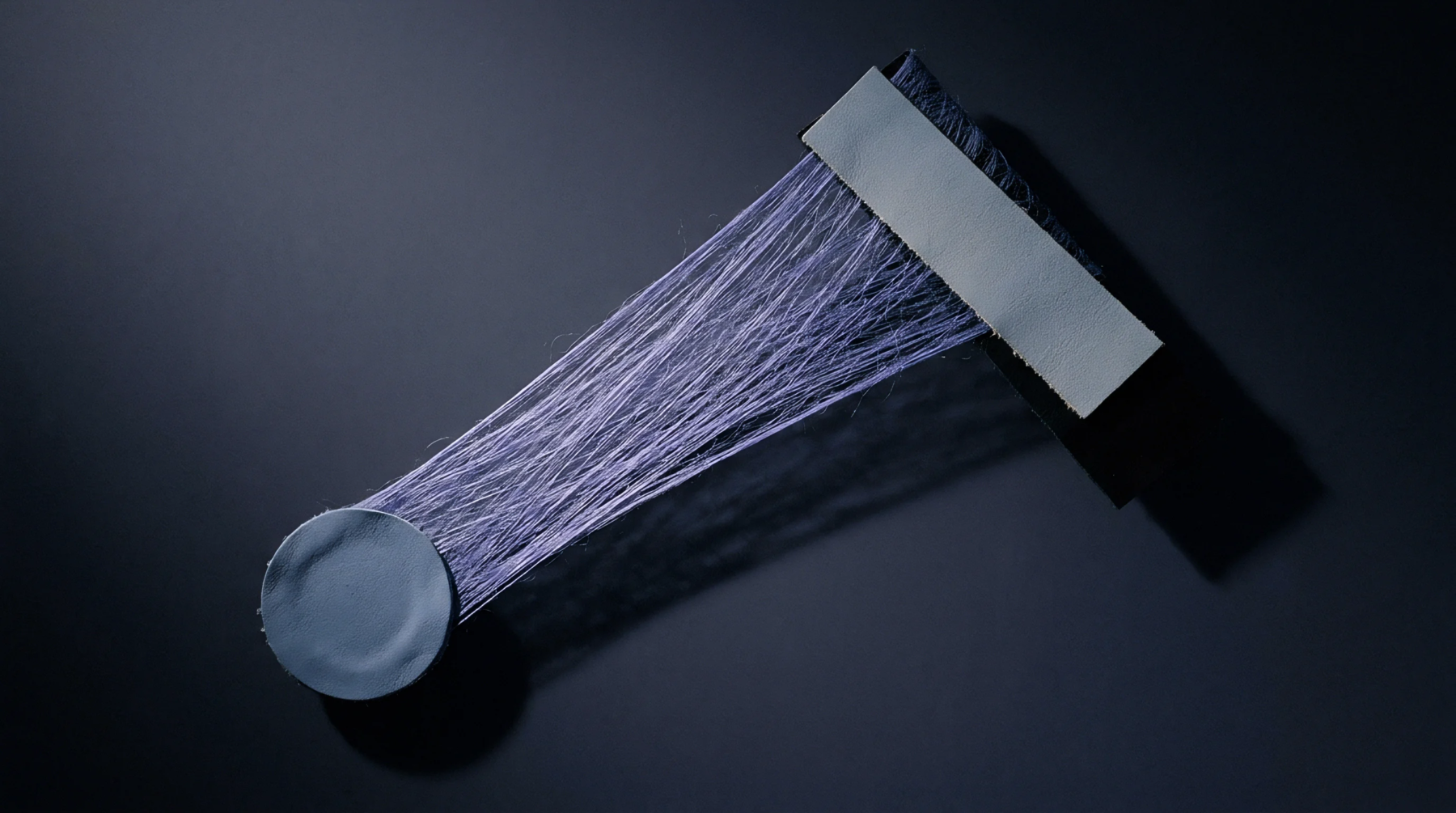
Thermochemical processing returns synthetic fibres to their constituent monomers through controlled molecular cleavage. With chemical recycling, polyamide or polyester chains lose their structural integrity under high temperatures or solvent exposure, allowing the recovery of virgin grade feedstock. This procedure shifts the supply chain focus away from petroleum dependency and toward the infinite loops of textile waste.
Production Logic
Denaturation separates mixed material streams which mechanical grinding fails to sort. Facilities use depolymerization reactions to isolate pure input streams from contaminated synthetic blends containing dyes or finishings. Removing these impurities enables the production of high tenacity filament that matches the physical properties of original polymers.
Input Requirement
Feedstock variability dictates the efficiency of these recovery units. Synthetic waste requires sorting by polymer identity and the removal of attached metal components or non-synthetic coatings before the reaction chamber receives the material. A failure to perform this pre-processing results in low yields and downstream degradation of the resulting output.
Energy Consideration
Thermal demand for these systems remains higher than traditional melt-extrusion methods. Operating temperatures reach several hundred degrees Celsius to maintain the required reaction kinetics for full dissociation. The high heat input creates a significant carbon footprint that manufacturers must offset through renewable energy sourcing to maintain the environmental benefits of the circular output.