Establishing Baseline Chemical Retesting Metrics for Woven Textile Imports
Baseline chemical retesting metrics for imported woven textiles require statistical lot sampling, matrix-matched analytical methods, and clear retest clauses.

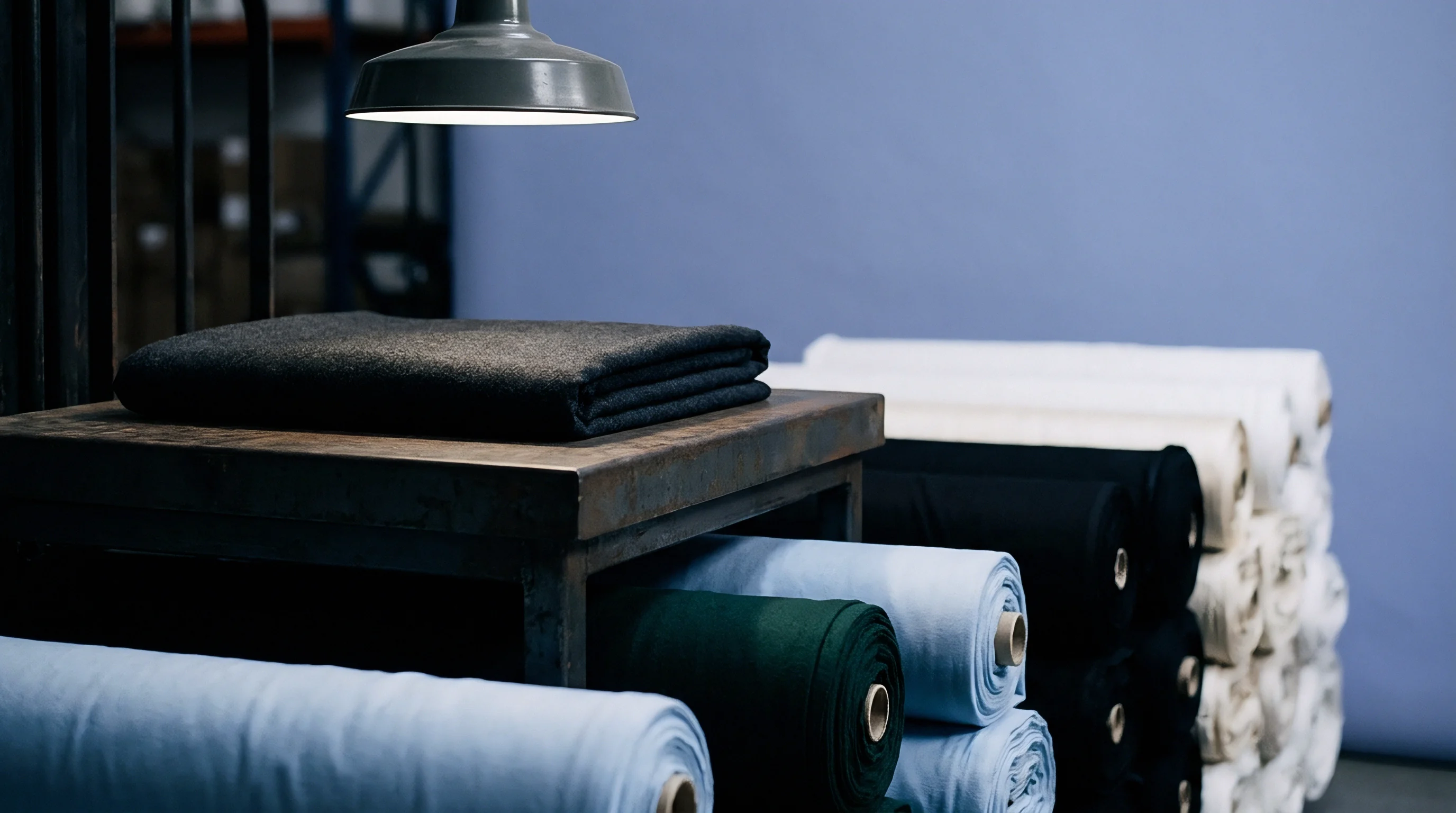
Loom
Most chemical risks in imported woven textiles originate in the wet-processing auxiliaries used during yarn sizing, dyeing, and functional finishing. Dyehouses frequently adjust these auxiliary formulations without notice. High-speed air-jet and rapier looms depend heavily on synthetic sizing agents, lubricants, and anti-static compounds that leave organic residues on greige fabric.
As these greige goods move through scour baths, bleaching agents, and dye liquor, secondary chemical risks accumulate. Setting useful retest metrics requires categorizing imports by fiber origin, yarn preparation, and final functional treatment rather than relying on generic apparel safety standards.

Fiber Chemistry and Finishing Process Hazards
Raw material origin dictates the initial chemical screening needed before commercial release. Cellulosic fibers demand thorough testing for organochlorine pesticides, glyoxal-based resins, and heavy metals. Synthetic wovens made of polyester or polyamide carry minimal pesticide risk, but frequently contain residual antimony catalysts, carrier solvents like chlorobenzenes, and thermal stabilizers.
Blends introduce separate complications, since formulations applied to polyester often contaminate cotton yarns during high-temperature thermosol dyeing. Sizing agents themselves can also leave heavy metal residues.
Functional wet finishes carry the highest risk of non-compliance. Water repellents, stain-resistant coatings, and flame retardants often rely on compounds restricted by strict international standards. Fluorinated water-repellent treatments contain per- and polyfluoroalkyl substances (PFAS), including perfluorooctanoic acid (PFOA) and perfluorooctane sulfonate (PFOS), both held to near-zero tolerance limits under European Union Persistent Organic Pollutants (POP) regulations.
Alkylphenol ethoxylates (APEOs), particularly nonylphenol ethoxylates (NPEOs) and octylphenol ethoxylates (OPEOs), are widely used as scouring surfactants and dye dispersants. Because their breakdown products are highly toxic to aquatic life, they are capped at 100 mg/kg under Annex XVII of REACH.
Standard OEKO-TEX STANDARD 100 Annex 4 certification fails to cover water-repellent fluorinated chemistry unless explicit Annex 6 testing for total fluorine is specified in the purchase order.

Target Analytes across Natural and Synthetic Wovens
Azo dyes that cleave into carcinogenic aromatic amines during reductive processing are a major compliance hazard in dyed wovens. Standard testing under EN ISO 14362-1 screens for twenty-two regulated aromatic amines, enforcing a cap of 30 mg/kg per amine. Formaldehyde from wrinkle-free resins and pigment print binders is also strictly limited, ranging from 16 mg/kg for infant products to 75 mg/kg for direct-skin apparel and 300 mg/kg for interior decorative fabrics.
| Fiber Composition | Wet-Processing Finish | Target Analytes | Regulatory Limit | Default Retest Interval |
|---|---|---|---|---|
| 100% Cotton Woven | Pigment Print & Softener | Aromatic Amines, Formaldehyde, APEOs | Amines: 30 mg/kg, Formaldehyde: 75 mg/kg | Every 5,000 meters |
| 100% Polyester Woven | Disperse Dye & Anti-Static | Disperse Dyes, Antimony, Chlorobenzenes | Antimony: 260 mg/kg, Chlorobenzenes: 1.0 mg/kg | Every 10,000 meters |
| Polyester/Cotton Blend | DWR (Durable Water Repellent) | PFAS (PFOA/PFOS), NPEO/OPEO, Free Formaldehyde | Total Fluorine: 10 mg/kg, APEOs: 100 mg/kg | Every batch lot |
| 100% Wool Woven | Moth-Proofing & Acid Dye | Permethrin, Heavy Metals (Cr, Cu), Azo Amines | Permethrin: 30 mg/kg, Chromium VI: 1.0 mg/kg | Every 3,000 meters |
Setting realistic retest metrics depends on identifying chemical risks tied to specific mill inputs. Skipping an audit of the mill’s auxiliary inventory leaves buyers testing for irrelevant compounds while missing restricted chemicals present in the finishing bath. Every trade-name chemical used in the finishing facility should be mapped against candidate lists of substances of very high concern (SVHC).
- Azo Colourants create severe toxicological risks when breaking down into restricted carcinogenic aromatic amines during reductive dyehouse processes in cotton and synthetics.
- Alkylphenol Ethoxylates remain as residual surfactants from scouring and washing baths, clinging to woven substrates when mills cut back on rinse water volume.
- Perfluorinated Compounds linger in durable water-repellent coatings, making total fluorine combustion screening essential to detect restricted short- and long-chain fluorinated compounds.
- Extractable Heavy Metals migrate from acid dyes, metal-complex dyes, and mordants, concentrating in protein and cellulosic fibers during exhaust dyeing.
- Chlorinated Paraffins serve as secondary plasticizers and flame retardants in heavy synthetic fabrics, facing broad import bans under global persistent pollutant regulations.
Washing cycles at the mill naturally reduce residual surfactant levels below detection thresholds before container loading.


Grid
Verifying chemical compliance across imported textile shipments requires structured sampling plans based on statistical lot sizes rather than arbitrary swatch selection. Pulling a single roll from the front of a container tells you nothing about the chemical uniformity of a forty-thousand-meter consignment. Chemical distribution across a lot shifts as dye liquor exhausts, finishing bath concentrations drop, and yarn dyeability varies.
Building reliable baseline metrics requires a clear statistical grid to guide sample selection, retest schedules, and lot acceptance.

Statistical Lot Sampling and Verification Frequencies
Calculating how many rolls to sample in a shipment relies on square-root lot sizing rules from ISO 2859-1. Because analytical chemical assays are destructive and expensive, verification typically uses single normal sampling plans at General Inspection Level S-3. A shipment of one hundred rolls requires sampling eight distinct rolls picked randomly across production shifts and dye lots.
Swatches should be cut at least one meter from the roll end and taken from both the center and selvage to catch cross-loom finishing gradients, with any batch variation triggering an immediate retest.
The standard deviation of analyte concentrations across roll positions sets the baseline retest frequency. If initial lab results show a standard deviation exceeding twenty percent of the target threshold, the lot is flagged as heterogeneous. That classification forces double sampling rates on future shipments from the mill.
Conversely, when concentrations remain consistent across five consecutive batches with a standard deviation below five percent, the mill qualifies for a skip-lot testing program.
- Calculate total shipment volume in linear meters and divide by roll length to determine total roll units inside the container.
- Apply ISO 2859-1 Inspection Level S-3 to find the minimum number of rolls needing physical swatch sampling at the mill or port.
- Cut three swatches per selected roll ~ from the left selvage, center strip, and right selvage ~ to check for uniform chemical distribution across the width.
- Combine specimens into composite laboratory samples by fiber type, keeping synthetic and natural fibers separate during extraction.
- Submit samples to an accredited laboratory for high-performance liquid chromatography or gas chromatography against target substance limits.
- Compare analytical results against acceptable quality limits, recording mean concentrations and standard deviations in the vendor compliance log.

Skip Lot Algorithms and Supplier Risk Tiers
Suppliers earn reduced testing frequencies by maintaining a documented track record of passing third-party lab tests. Skip-lot algorithms adjust retest intervals based on historical pass rates, mill audit scores, and raw material stability. Under a standard baseline framework, a Tier 1 low-risk supplier is tested once every five shipments (a twenty percent audit rate), while a Tier 2 medium-risk supplier is tested every second shipment (fifty percent frequency).
Tier 3 high-risk suppliers ~ and all new converters ~ must undergo one hundred percent shipment testing until ten consecutive batches pass full screening without a single excursion, significantly lowering compliance overhead once earned.
| Supplier Risk Tier | Historical Pass Rate | Audit Score | Retest Frequency | Roll Sample Ratio (ISO 2859-1) |
|---|---|---|---|---|
| Tier 1 (Certified Low-Risk) | 100% over 20+ lots | 90-100% | 1 in 5 shipments (20%) | Level S-2 (Reduced) |
| Tier 2 (Moderate Risk) | 95-99% over 10+ lots | 75-89% | 1 in 2 shipments (50%) | Level S-3 (Normal) |
| Tier 3 (High Risk / New) | Under 95% or New Mill | Below 75% | 100% of shipments | Level S-4 (Tightened) |
| Tier 4 (Probationary) | Failure in last 3 lots | Audit Failed | 100% + Multi-swatch per roll | Level General II (Strict) |
Any supplier changing its auxiliary chemical vendor without prior written notice automatically forfeits its position in the reduced testing tier.


Bench
Standardized lab protocols define the exact extraction solvents, temperature settings, and chromatographic techniques used to measure chemical residues. These analytical methods must match the regulatory rules of the destination market. A test report using an incorrect extraction method or an insufficient detection limit offers no legal protection during a border detention or regulatory audit.
Service agreements with laboratories should explicitly specify ISO, EN, and AATCC standards so baseline data stands up in court and under audit.

Analytical Methods and Quantitation Thresholds
Verifying restricted aromatic amines from azo dyes requires gas chromatography-mass spectrometry. Testing follows EN ISO 14362-1 for standard woven textiles and EN ISO 14362-3 for polyurethane-coated or synthetic leather components. Samples undergo reductive cleavage with sodium dithionite in a buffered aqueous solution at seventy degrees Celsius, followed by liquid-liquid extraction into t-butyl methyl ether.
Limits of detection (LOD) must reach 5 mg/kg and limits of quantitation (LOQ) must hit 20 mg/kg ~ well under the statutory limit of 30 mg/kg ~ keeping in mind that choice of extraction solvent and instrument type directly influences final yields and detection thresholds.
Testing heavy metals requires separating total metal content from extractable metal content. Total metal analysis uses acid digestion and Inductively Coupled Plasma Mass Spectrometry (ICP-MS) under DIN EN 16711-1. Extractable heavy metals, which mimic leaching into human sweat, use synthetic acid sweat solutions per DIN EN 16711-2.
Hexavalent chromium (Cr VI) in leather trims or blended wovens requires alkaline extraction (pH 7.5 to 8.0) followed by ion chromatography with post-column derivatization and UV-Vis spectrophotometry per EN ISO 17075-1, keeping quantitation down to 0.5 mg/kg.

How Do Matrix Interferences Distort Chemical Test Verification Results?
Polyurethane coatings, fluorinated oil-repellents, and other complex finishes release co-extracted compounds during sample preparation. These extractions trigger signal suppression or enhancement during Liquid Chromatography-Tandem Mass Spectrometry (LC-MS/MS) screening for APEOs or perfluorinated acids. Similarly, dense synthetic wovens with dark dyes can create background noise on gas chromatography signals, hiding target aromatic amines or causing false positives when non-restricted pigments degrade thermally in the GC injection port.
| Chemical Category | Standard Test Method | Analytical Instrumentation | Target Limit of Detection | Primary Matrix Interference |
|---|---|---|---|---|
| Azo Aromatic Amines | EN ISO 14362-1:2017 | GC-MS / HPLC-DAD | 5.0 mg/kg | Isomer co-elution, thermal degradation |
| APEOs (NPEO/OPEO) | ISO 18218-1:2023 | LC-MS/MS | 1.0 mg/kg | Polymer matrix background noise |
| PFAS Compounds | CEN/TS 15968 / ISO 23702 | LC-MS/MS | 0.01 mg/kg | Fluorinated finish co-extraction |
| Extractable Metals | DIN EN 16711-2:2016 | ICP-MS / ICP-OES | 0.1 mg/kg | Dyestuff metal-complex dissociation |
| Formaldehyde | ISO 14184-1:2011 (Free) | UV-Vis Spectrophotometry | 16.0 mg/kg | Color intensity background absorbence |
Workarounds for matrix interference depend on matrix-matched calibration standards or isotopic internal standards. When analyzing fluorinated finishes, labs clean up samples with solid-phase extraction (SPE) cartridges to separate perfluorinated carboxylic acids from silicone matrices. Requesting raw chromatographic data and signal-to-noise ratios is critical whenever analyte concentrations come within twenty percent of regulatory limits.
Laboratory test reports dated before the final chemical finish application fail to document the compliance status of the shipped woven fabric.
Section 7.8.2 of ISO 17025 rules specifies that test reports apply only to the precise swatch submitted, which makes generic mill certificates legally worthless for unlinked purchase orders.


Dock
Clearing woven textile shipments through customs depends on documentation that matches port bill-of-lading entries down to the line item. Unaccredited lab reports invite immediate detention, and any gap in the chain of custody invalidates the certificate. Authorities like U.S. Customs and Border Protection (CBP) and European market surveillance agencies target shipments based on importer risk ratings and origin profiles.
Failing an inspection leads to entry rejection, mandatory re-export, or destruction of the goods at the importer’s expense. Setting up strict retest metrics creates the traceability file needed to get flagged containers released quickly.

Customs Clearance Protocols and Laboratory Scope Audits
Border inspections review both the chemical report and the testing facility’s credentials. Customs officers check whether the issuing lab holds ISO/IEC 17025 accreditation covering the exact methods on the document. A general accreditation certificate is not enough; specific standards like EN ISO 14362-1 or ISO 18218-1 must be listed in the lab’s formal scope of accreditation from an ILAC-MRA signatory body.
Reports generated by a mill’s in-house, unaccredited lab carry no weight when challenging a hold.
Verification protocols also need to check report dates. Test reports lose validity quickly; standard terms set expiration at twelve months from issue, provided raw materials and chemical inputs remain unchanged. If a mill swaps dyestuff vendors or finishing suppliers within that window, existing test reports immediately become void for future shipments.
- Scope Verification matches the analytical method code on the test report directly against the lab’s published ILAC-MRA accreditation schedule.
- Sample Traceability confirms that swatch numbers on test documents align with purchase order and roll tags.
- Date Calibration checks that the test issue date comes before container loading while remaining inside the twelve-month window.
- Analyte Coverage verifies that the test panel includes all recently added restricted substances for the target port.

Dossier Construction for Import Clearance
Building a valid compliance package requires clear linkages between raw yarn purchase orders and finished fabric batch certificates. Importers of record need a centralized compliance dossier for every arriving container. That folder should hold the bill of lading, commercial invoice, material safety data sheets (MSDS) for all chemical auxiliaries, third-party ISO/IEC 17025 test reports, and the sampling log signed by an auditor or port inspector.
A single missing link breaks the chain, giving customs cause to hold cargo while daily demurrage charges build up.
Failing to verify lab accreditation scopes before shipments arrive leaves importers exposed to border holds, duplicate testing fees, and forced destruction orders.

Margin
Setting retest metrics comes down to balancing lab costs against the catastrophic financial risk of container seizure. Port demurrage mounts daily, purchase order terms dictate who pays, and unverified mills push risk downstream. Many importers under-budget for chemical compliance, treating lab tests as an annoying operational tax.
Yet a single recall, write-off, or indemnity claim can wipe out years of profit from fabric imports. Strategic buyers model financial exposure to set retest budgets grounded in lot values, risk probabilities, and contractual terms.
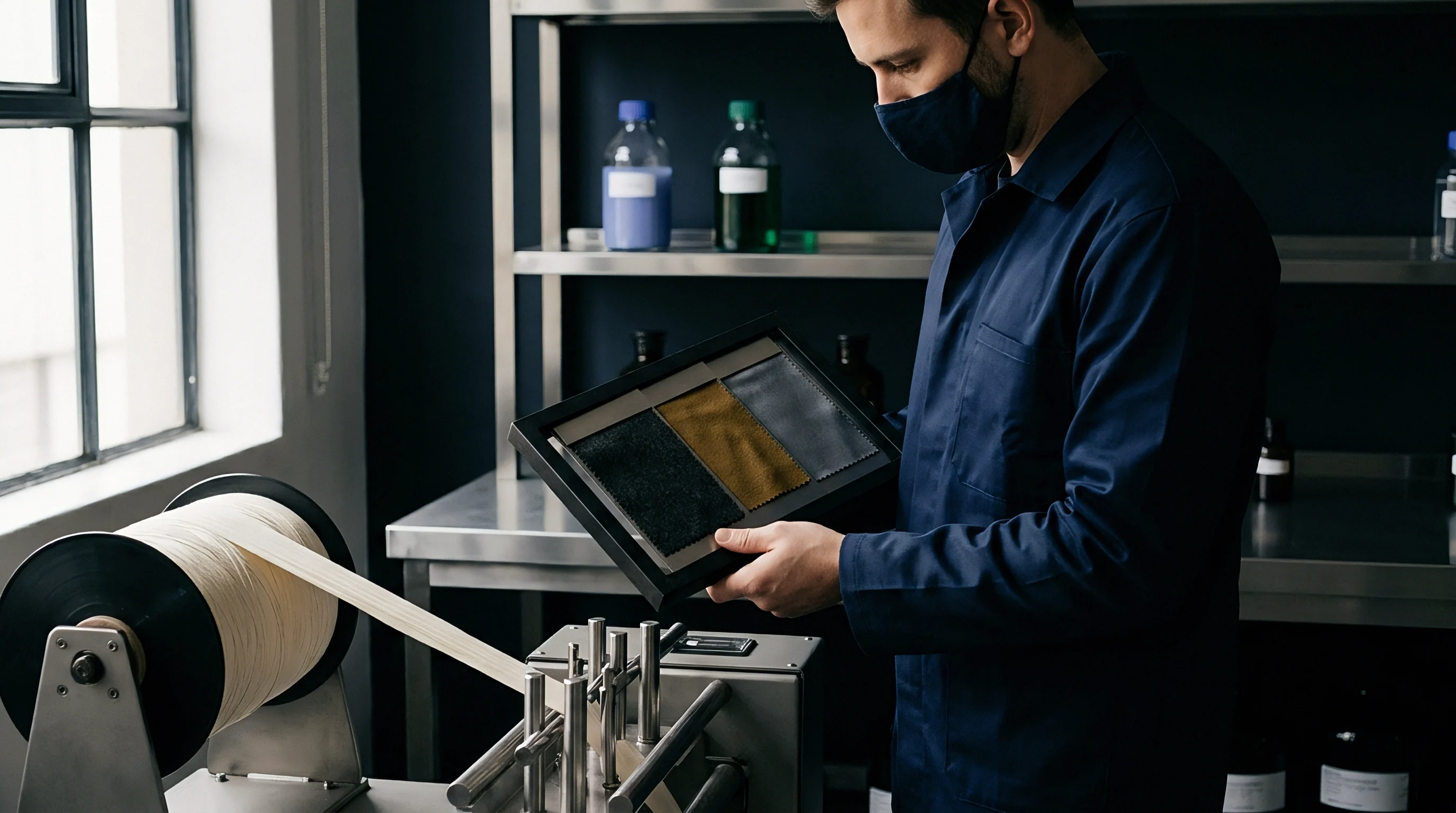
Financial Modeling of Retest Schedules versus Border Detention
Lab testing fees represent only a small fraction of what non-compliant fabric costs when caught at the port. Full RSL screening for a woven fabric sample runs between $600 and $1,200, depending on finishing complexity (such as adding PFAS or organotin panels). Skip-lot programs optimize that spend by shifting testing funds dynamically toward high-risk suppliers and novel finishes, lowering compliance overhead by forty to sixty percent without raising statistical risk.
Modeling financial exposure must account for port demurrage, warehouse storage, retesting fees, bonded freight transfer, and legal representation. Demurrage charges routinely exceed $300 per container per day once free time expires. When customs detains a multi-container shipment over documentation flaws, administrative reviews take four to eight weeks ~ accumulating storage costs that can easily surpass the commercial value of the fabric itself.
Importers of record bear absolute financial liability for customs detentions regardless of mill-issued compliance certificates.

Worked Retest Cost Allocation Scenario
A forty-thousand-meter shipment of woven polyester illustrates how these cost mechanics play out. At a landed value of $4.50 per meter, total shipment value reaches $180,000. The purchase agreement mandates baseline testing where one composite sample undergoes full chemical screening per batch.
Testing costs $850 for a full analytical panel covering azo dyes, heavy metals, APEOs, phthalates, and chlorobenzenes. Testing every shipment across ten annual deliveries brings total compliance spend to $8,500 on $1,800,000 worth of fabric ~ an assurance cost of 0.47% of goods value. Once the mill earns Tier 1 status through consistent compliance, skip-lot rules cut testing to 20% of shipments (2 tests per year), reducing annual testing spend to $1,700, or 0.09% of fabric value.
Consider the alternative: an unverified shipment tests positive for NPEOs at 350 mg/kg, exceeding the 100 mg/kg REACH Annex XVII limit. Financial losses stack quickly: secondary lab confirmation costs $1,200; container demurrage for 21 days during administrative review adds $6,300; bonded freight transfer to a secure warehouse costs $2,500; fabric re-processing or destruction runs $14,000; and lost margin from missed retail delivery windows hits $45,000. Total losses reach $69,000 ~ 38.3% of the shipment’s value.
A single $850 baseline test provides immediate ROI by protecting against a $69,000 liability event.
Whether international arbitration can effectively force overseas mills to reimburse landed demurrage costs remains an unresolved legal challenge for textile buyers.