Chemical Residue
Perfluorooctanoic acid acts as a synthetic surfactant in industrial manufacturing to repel water and oil from surfaces during the production of specialized textile finishes. Manufacturers utilize pfoa as a processing aid during the polymerization of fluoropolymers that coat technical fabrics for outdoor gear. The compound attaches to the surface structure of yarns to provide durable water repellency without altering the base hand or drape of the textile.
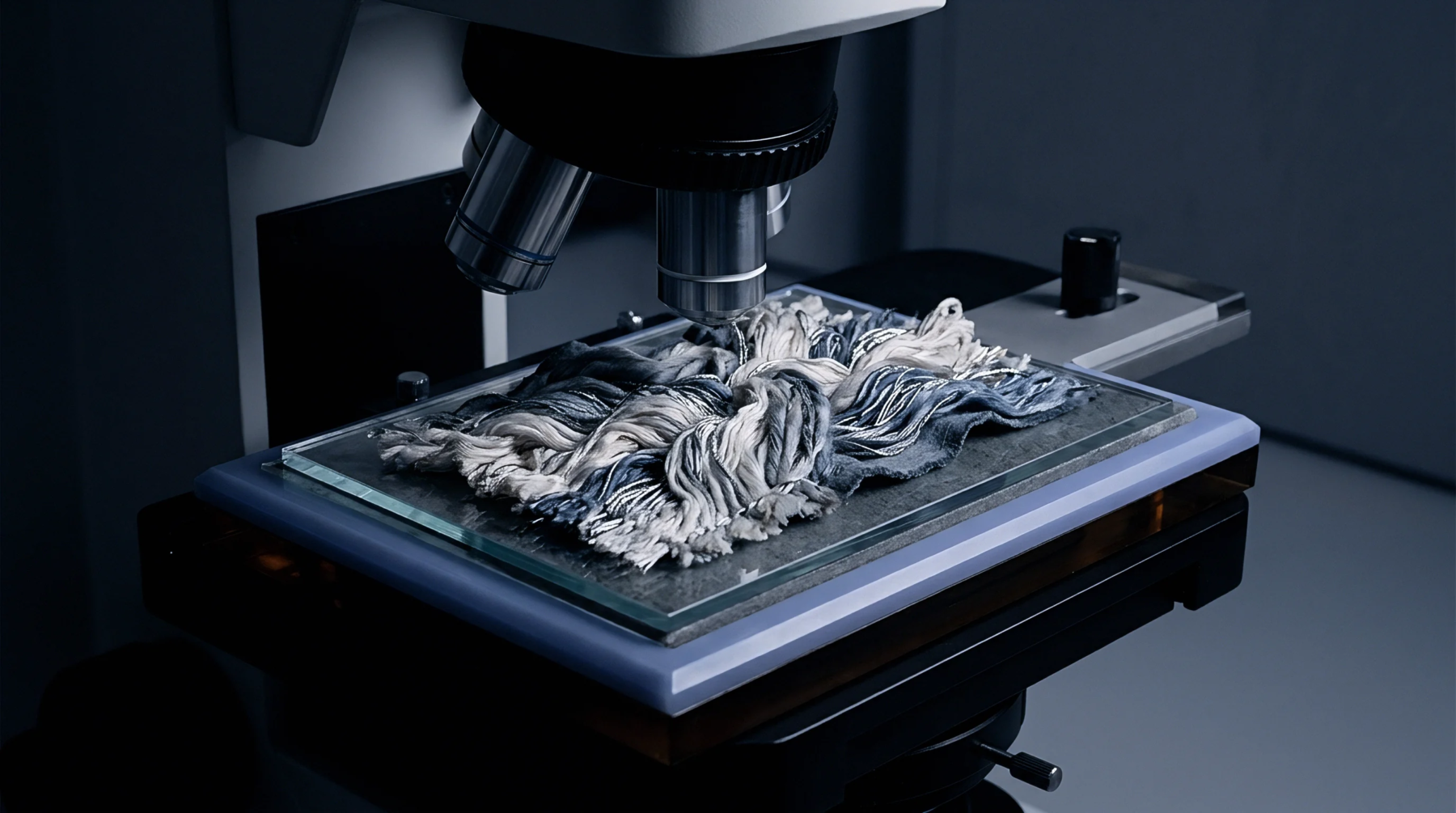
Residual amounts often remain on the fibre after the finishing process completes, leading to strict oversight during quality control inspections at the mill.
Regulatory Threshold
Compliance standards limit the concentration of these substances within finished consumer apparel to prevent skin irritation and environmental contamination. Testing laboratories apply mass spectrometry to verify that the parts per billion count remains under the established safety limit. Mills submit swatches from every production run to independent auditors who confirm that the chemistry aligns with current restricted substance lists.
Failure to meet these criteria forces a quarantine of the entire lot until the supplier cleanses the fibre. Such protocols guard against the migration of chemicals from the fabric into the wider environment through domestic laundering or industrial discharge.
Application Mechanism
Textile engineers introduce the compound during the finishing stage by emulsifying it within the aqueous bath that treats the woven or knitted material. Heat set temperatures facilitate the bonding of the fluorinated chains to the synthetic polymers within the fabric structure. The process requires precise control of the bath concentration to ensure that the chemical adheres to the fibre surface while minimizing excess waste.
Improper curing leads to uneven distribution of the repellent finish, which degrades the performance of the technical gear in wet conditions. Technicians monitor the surface energy of the fabric through contact angle measurements to ensure that the treatment meets the desired repel levels. High energy states indicate that the finish effectively blocks moisture penetration across the textile surface.
Environmental Impact
Disposal of processing effluent carries substantial risk because the molecules resist natural degradation processes in water systems. Facilities utilize activated carbon filtration systems to trap the lingering particles before the wastewater leaves the factory site for municipal treatment. Specialized membrane technology separates the remaining synthetic agents from the discharge stream to recover materials for incineration.
Industrial systems that lack these high-performance filtration components allow the substances to enter surrounding waterways where they persist indefinitely. The molecular stability of these carbon fluorine bonds ensures that the chemistry remains intact even after exposure to harsh light or heat over long time intervals. Global supply chains mandate that manufacturers identify alternative finishing chemistries to replace existing fluorinated surfactants in response to heightened environmental concern.
Future production methods rely on fluorine-free coatings to eliminate the presence of these stable compounds in textile effluent. Technical limitations exist regarding the durability of these new finishes when compared against the historical performance of fluorinated chemistries. The ongoing shift toward safer alternatives creates technical challenges for mills trying to maintain high waterproof standards across diverse performance fabrics.