Resolving Analytical Matrix Interference in Composite Testing Procedures for Recycled Synthetic Textile Clearance
Resolve matrix interference through solvent precipitation, isotope dilution, and single-roll testing when composite readings reach half the clearance limit.

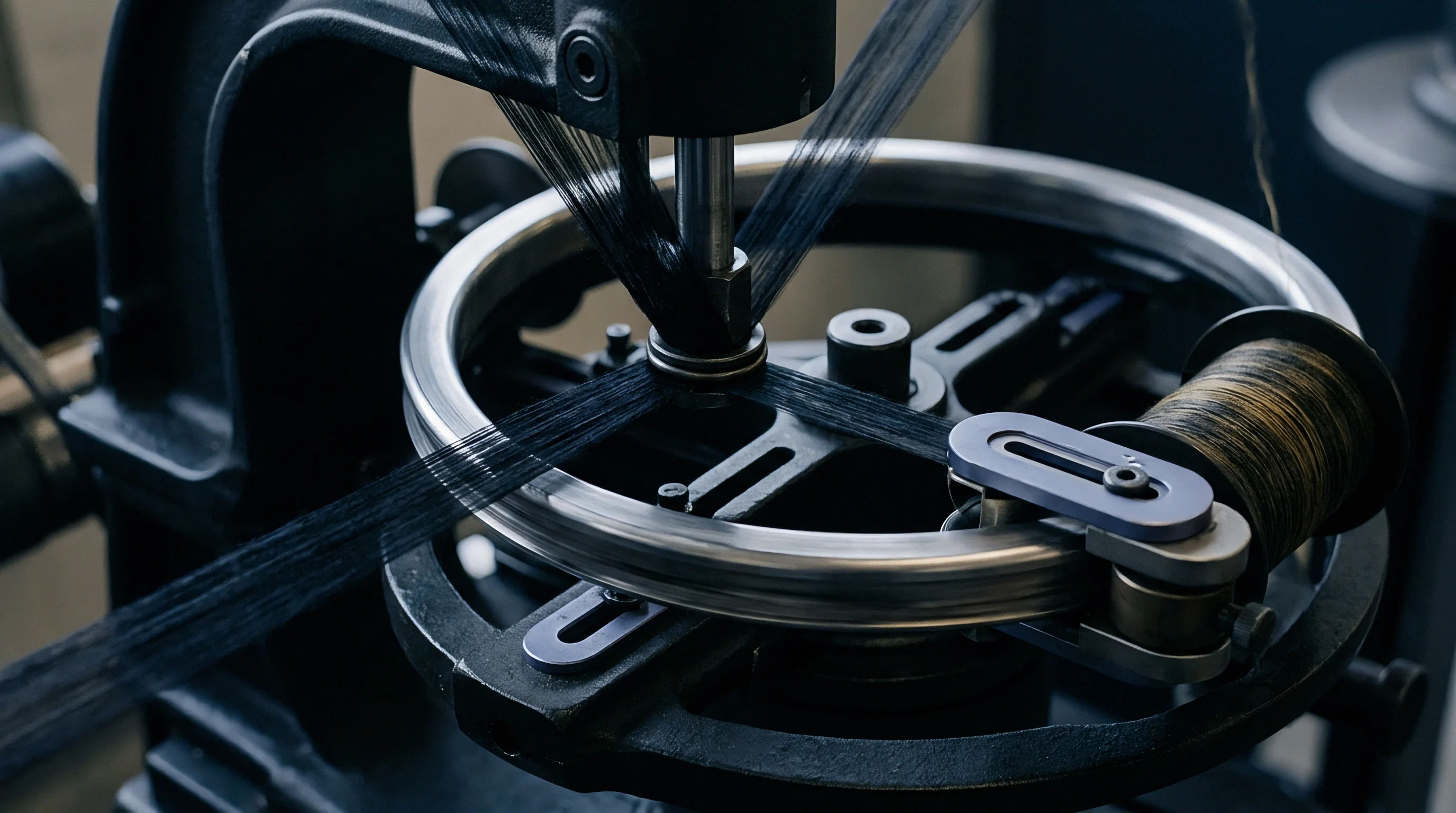
Flake
Post-consumer mechanical yarn bundles arrive at dyehouses containing variable fractions of non-polymeric contamination. Recovered synthetic textiles originate from sorted garments, industrial trimmings, and shredded beverage containers. The physical shredding and pelletizing steps concentrate residual processing aids, thermal stabilizers, and environmental contaminants alongside the primary polymer chains.
Testing laboratories clear these shipments against restricted substance lists such as the AFIRM RSL and OEKO-TEX Standard 100 before port entry. Analytical chemistry faces serious impediments when screening recycled synthetics. Recycled polyester carries heavy residual oligomers.
These cyclic trimers, tetramers, and pentamers dissolve in extraction solvents alongside target restricted substances, creating massive background signals during chromatographic separation.

Recycled Resin Impurities and Polymer Debris
Mechanical shredding of post-consumer bottles and recovered garments introduces thermal stabilizers, print carriers, and polyolefin bottle-cap fragments into the extrusion stream. Polyethylene terephthalate flake retains up to two percent cyclic oligomers by weight. Solvent extraction strips these fragments.
Standard solvent extraction using dichloromethane, tetrahydrofuran, or methanol solubilizes these oligomeric fractions alongside regulated plasticizers, alkylphenols, and flame retardants. When the raw extract enters an analytical instrument, the co-extracted polymer debris coats injector liners, fouls chromatographic columns, and competes for ionization energy inside mass spectrometer sources.
- Cyclic polyester trimers precipitate inside analytical transfer tubes and degrade mass spectrometer inlet sensitivity.
- Residual polyolefin contamination from consumer bottle caps introduces branched paraffin waxes that co-extract with non-polar solvents.
- Fatty acid ethoxylate finishes suppress electrospray ionization currents during liquid chromatography detection runs.
- Aromatic amine cleavage fragments from legacy disperse dyes trigger spectral overlap during gas chromatography mass spectrometry analysis.
Cyclic oligomers from post-consumer polyethylene terephthalate enter the extract during solvent reflux and quench ion currents at the spray capillary.

Degradation Byproducts across Multiple Thermal Cycles
Repeated melt extrusion shears high-molecular-weight chains into shorter polar acids and vinyl esters. Thermo-mechanical degradation generates vinyl benzoate, benzoic acid, and diverse terephthalate derivatives. In recycled polyamide six and six-six, repeated thermal exposure breaks peptide linkages, yielding cyclic monomer caprolactam residues, linear amine dimers, and oxidized cyclopentanone derivatives.
These compounds exhibit strong chromatographic retention profiles that frequently align with target analytes such as regulated alkylphenols, chlorinated benzenes, and dimethylformamide. The yarn spinner routinely asserts that secondary melt filtration removes all non-polymeric matter before extrusion, dismissing solvent-soluble oligomer spikes as harmless laboratory artifacts inherent to recycled goods.


Dilution
Laboratories pool textile cut-outs to compress testing expenses for commercial clearance dossiers. Composite testing blends equal masses of three or five distinct fabric rolls, trims, or garment panels into a single specimen vessel. This blended matrix undergoes a single extraction and analysis cycle to clear multiple colorways or production lots simultaneously.
Composite schemes reduce bench costs. The analytical math creates a severe sensitivity penalty that magnifies matrix interference. When five swatches are combined, any restricted substance present on only one swatch enters the extraction solvent at one-fifth of its original concentration.
The analytical instrument detects an artificially diluted concentration while the matrix background remains at full physical strength.

Composite Weighting and Math Adjustments
Testing three or five cut specimens together divides the actionable limit value by the sample count. If the regulatory limit for nonylphenol ethoxylates sits at one hundred milligrams per kilogram, a five-part composite requires an adjusted screening threshold of twenty milligrams per kilogram. Detection limits drop immediately.
The baseline noise generated by recycled oligomers and finishing oils does not dilute proportionally because every component swatch contributes its own background contamination to the shared extraction vial. The background matrix noise multiplies while the target chemical signal diminishes.
| Restricted Substance Class | Individual Limit (mg/kg) | 3-Part Composite Limit (mg/kg) | 5-Part Composite Limit (mg/kg) | Instrument Method | Primary Recycled Matrix Interferent |
|---|---|---|---|---|---|
| Alkylphenol Ethoxylates (NPEO/OPEO) | 100.0 | 33.3 | 20.0 | LC-MS/MS | Polyethylene glycol oligomers |
| Per- and Polyfluoroalkyl Substances | 0.025 | 0.0083 | 0.0050 | LC-MS/MS | Fluorinated spin finish surfactants |
| Short-Chain Chlorinated Paraffins | 50.0 | 16.7 | 10.0 | GC-ECNI-MS | Degraded polyolefin waxes |
| Extractable Heavy Metals (Antimony) | 30.0 | 10.0 | 6.0 | ICP-MS | Residual polymerization catalyst debris |
| Regulated Azo Aromatic Amines | 20.0 | 6.7 | 4.0 | GC-MS | Disperse dye thermal degradation products |
| Organotin Compounds (DBT/DOT) | 1.0 | 0.33 | 0.20 | GC-MS | Heat stabilizer breakdown fractions |
A five-part composite lowers the effective detection threshold for extractable nonylphenol to two milligrams per kilogram against a ten milligram legal cap.

Screening Thresholds against Baseline Quantitation Limits
Analytical instruments possess physical sensitivity boundaries below which electronic noise mimics chemical presence. In standard single-swatch analysis, the method detection limit sits comfortably below regulatory clearance caps. When running composite specimens of recycled polyester and polyamide, the adjusted threshold approaches or falls below the instrument limit of quantitation.
Analytical signals suffer severe suppression. An adjusted limit of four milligrams per kilogram for cleavable aromatic amines under EN ISO 14362-1 pushes the gas chromatography detector into a baseline region filled with co-extracted plasticizer fragments and dye cleavage debris. An analyst inspecting the chromatogram cannot reliably distinguish genuine 4-aminobiphenyl from co-eluting matrix hydrocarbons.
- Single polymer verification confirms that composite cut-outs share identical base resins to avoid cross-matrix suppression spikes between incompatible fibers.
- Component mass equivalence balances each swatch within two percent tolerance to prevent analyte dilution below the adjusted reporting floor.
- Colorway grouping isolates heavy disperse-dyed yardage from undyed base yarns to preserve spectral baseline integrity.
Failing to account for composite dilution ratios leads straight to customs confiscation, mandatory port-side re-testing fees, and total brand contract termination upon detection of illicit chemical residues.


Quenching
Electrospray ionization sources convert dissolved analytes into gaseous ions through energetic charge transfer. This atmospheric pressure ionization technique powers the liquid chromatography tandem mass spectrometry systems tasked with quantifying perfluorinated chemicals, alkylphenols, and organophosphorus flame retardants. Ionization relies on droplet evaporation and surface charge density.
When a sample contains abundant co-eluting non-volatile compounds, these matrix constituents monopolize the droplet surface. Target ions vanish under noise. The non-volatile matrix suppresses the formation of target gas-phase ions, leading to catastrophic signal loss.
Recycled synthetics amplify this phenomenon because mechanical melt history leaves abundant short-chain surfactants and spin finishes within the yarn core.

Where Does Matrix Suppression Invalidate Screened Batches?
High concentrations of co-extracted spinning oils compete aggressively for available charges on developing aerosol droplets. In liquid chromatography running target perfluoroalkyl acids under EN ISO 23702-1, co-extracted polyester oligomers elute in the same retention window as perfluorooctanoic acid. The mass spectrometer detector receives twenty percent of the electronic signal that the same mass of perfluorooctanoic acid produces in a neat solvent standard.
The instrument calculates a falsely depressed analyte concentration. False negatives pass noncompliant yardage. A batch carrying eighty micrograms per kilogram of restricted perfluorinated substance registers as sixteen micrograms per kilogram in a five-part composite, slipping below the clearance boundary and releasing illegal cargo to global retail shelves.
| Polymer Composition | Regulated Target | Instrument Configuration | Interfering Matrix Compound | Observed Failure Mode |
|---|---|---|---|---|
| 100% Recycled PET | Octylphenol / Nonylphenol | LC-ESI-MS/MS | Cyclic PET trimer (m/z 577) | Ion suppression exceeding 75% |
| Recycled PET / Elastane Blend | Dimethylformamide (DMFa) | GC-MS (Headspace) | Polyurethane chain extenders | Chromatographic peak broadening and ghost peaks |
| 100% Recycled Polyamide 6 | Short-Chain Chlorinated Paraffins | GC-ECNI-MS | Caprolactam cyclic dimer | Isobaric mass fragment overlap |
| Recycled Polyamide 6,6 | Arylamines (EN 14362-1) | GC-MS (EI) | Adipic acid diamide fragments | Elevated baseline obscuring 2,4-toluenediamine |
| Post-Consumer PET Yarn | Organotin Compounds | GC-MS (PICI) | Phthalate plasticizer isomers | Co-elution with dibutyltin derivatives |

Isobaric Coelution and Signal Attenuation Mechanics
Electron ionization fragmentation frequently yields common hydrocarbon ions at mass-to-charge ratios forty-three, fifty-seven, and seventy-one. When screening recycled synthetic fabrics for plasticizers and chlorinated carriers using gas chromatography mass spectrometry, the chromatogram displays an elevated baseline hump known as an unresolved complex mixture. This hump contains thousands of branched hydrocarbons, waxes, and lubricating oil residues.
Target ions such as the mass-to-charge ratio one hundred forty-nine fragment from phthalate esters merge directly into this baseline elevation. Baseline drift hides critical peaks. The detector cannot establish a stable baseline for automated integration, forcing laboratory technicians to manually draw baseline boundaries.
Different integration choices shift calculated concentrations by more than fifty percent. Analytical chemists still debate whether mild solid-phase partitioning can isolate trace dimethylformamide residues from elastane-polyurethane yarn blends without stripping the volatile solvent prior to chromatographic injection.


Separation
Preparative sample cleanup isolates regulated molecules from high-molecular-weight background polymer clutter. Direct injection of crude fabric extracts into liquid or gas chromatographs guarantees rapid detector contamination and severe matrix interference. Resolving analytical interference in recycled synthetic composites demands selective extraction techniques that exploit solubility differences, molecular dimensions, and polarities.
Laboratory workflows employ solid-phase extraction, gel permeation chromatography, and cold solvent precipitation to strip cyclic oligomers and processing lubricants before chromatographic analysis begins. Cleanup stages restore instrument response.
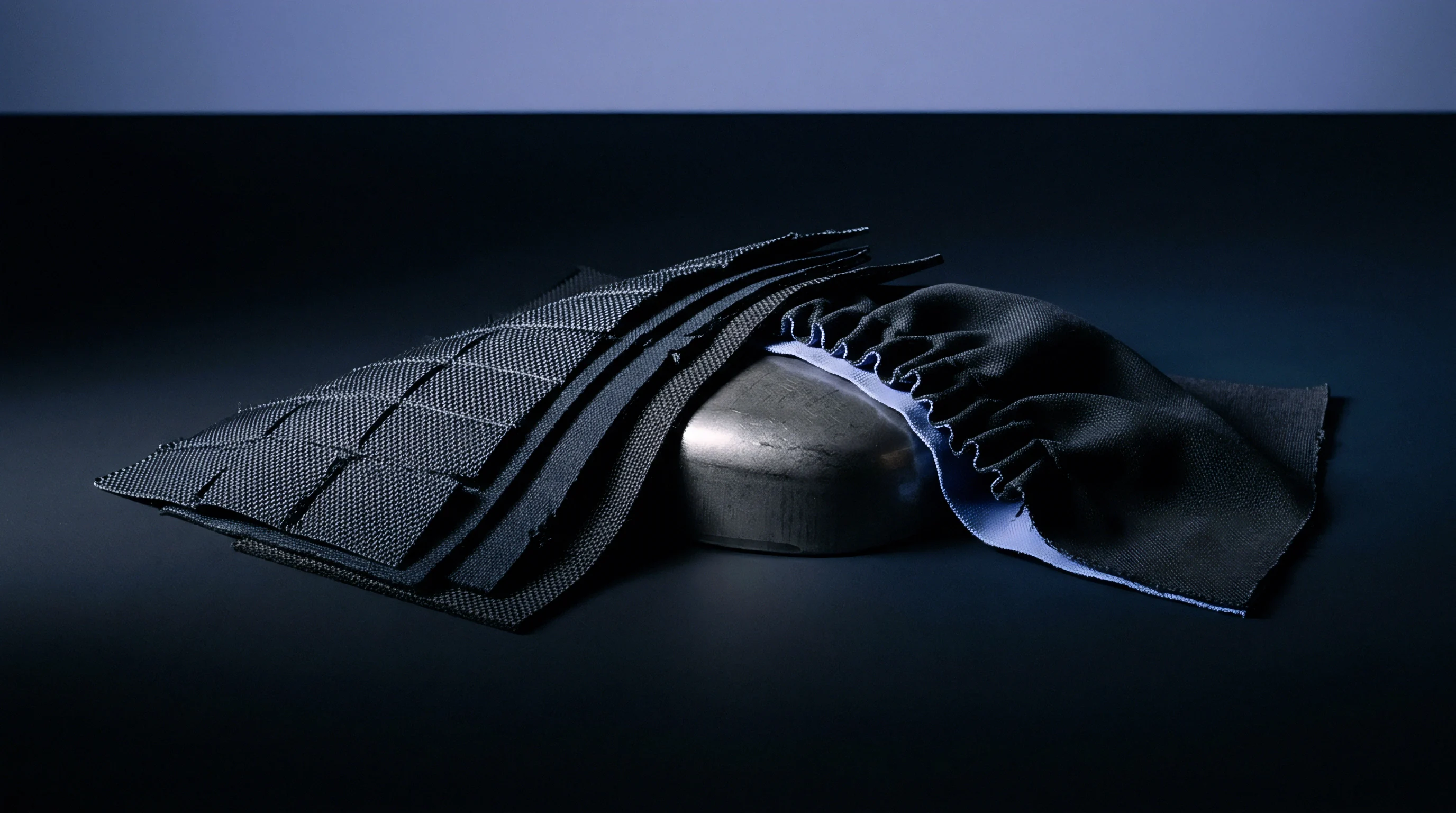
Solid Phase Extraction and Gel Permeation Cleanup
Reversed-phase polymeric sorbents retain long-chain hydrocarbons while allowing polar target compounds to pass cleanly into collection vials. Hydrophilic-lipophilic balance sorbent beds capture alkylphenols, bisphenols, and fluorinated acids from aqueous extracts while washing away non-polar polyolefin debris and particulate dyes. Gel permeation chromatography separates extract components strictly by hydrodynamic volume.
High-molecular-weight polyester oligomers with molecular weights above five hundred Daltons elute through the size-exclusion column before the smaller restricted substances emerge. This preparative fractionation removes cyclic trimers from the analytical stream, preventing ion suppression inside the liquid chromatography source.
- Weigh two grams of composite fabric cut into two-millimeter squares and transfer the material into a glass centrifuge tube.
- Add ten milliliters of cold HPLC-grade acetone to precipitate insoluble cyclic polyester trimers from the yarn matrix.
- Sonicate the mixture at forty degrees Celsius for thirty minutes to extract target restricted substances without dissolving the polymer substrate.
- Centrifuge the suspension at four thousand revolutions per minute for ten minutes to pelletize suspended particulate debris.
- Pass the supernatant through a conditioned hydrophobic-lipophilic balance cartridge before instrumental injection.
Compliance under DIN EN ISO 17025 demands demonstrated recovery between seventy and one hundred twenty percent before an accredited laboratory signs off on an amended composite clearance report.

Does Isotope Dilution Correct Analyte Signal Attenuation?
Stable analogs share identical chromatographic retention times and chemical behaviors with target compounds. Isotope dilution mass spectrometry spikes known quantities of carbon-thirteen or deuterium-labeled versions of target restricted substances directly into the fabric matrix before solvent extraction. If cyclic oligomers suppress the electrospray ionization response of native perfluorooctanoic acid by sixty percent, the carbon-thirteen labeled internal standard experiences the exact same sixty percent ionization reduction.
Internal standards track this suppression. The ratio between the native analyte peak area and the labeled analog peak area remains constant regardless of matrix attenuation, providing mathematically verified quantitation down to sub-part-per-billion levels.
| Sample Cleanup Technique | Target Interferent Removed | Matrix Removal Efficiency | Analyte Recovery Band | LOQ Improvement Factor |
|---|---|---|---|---|
| Cold Acetone Precipitation | Cyclic PET trimers and tetramers | 88% to 94% | 82% to 96% | 4.2x |
| HLB Solid Phase Extraction | Fatty acid ethoxylates and finishes | 91% to 97% | 78% to 91% | 6.5x |
| Gel Permeation Chromatography | Degraded oligomers and dyes (>500 Da) | 95% to 99% | 71% to 88% | 8.0x |
| Silica Gel Column Fractionation | Paraffin waxes and mineral oils | 84% to 92% | 75% to 89% | 3.8x |
Clean extracts produce transparent baselines, and any visible yellow tint in the final autosampler vial warns of incoming detector suppression.

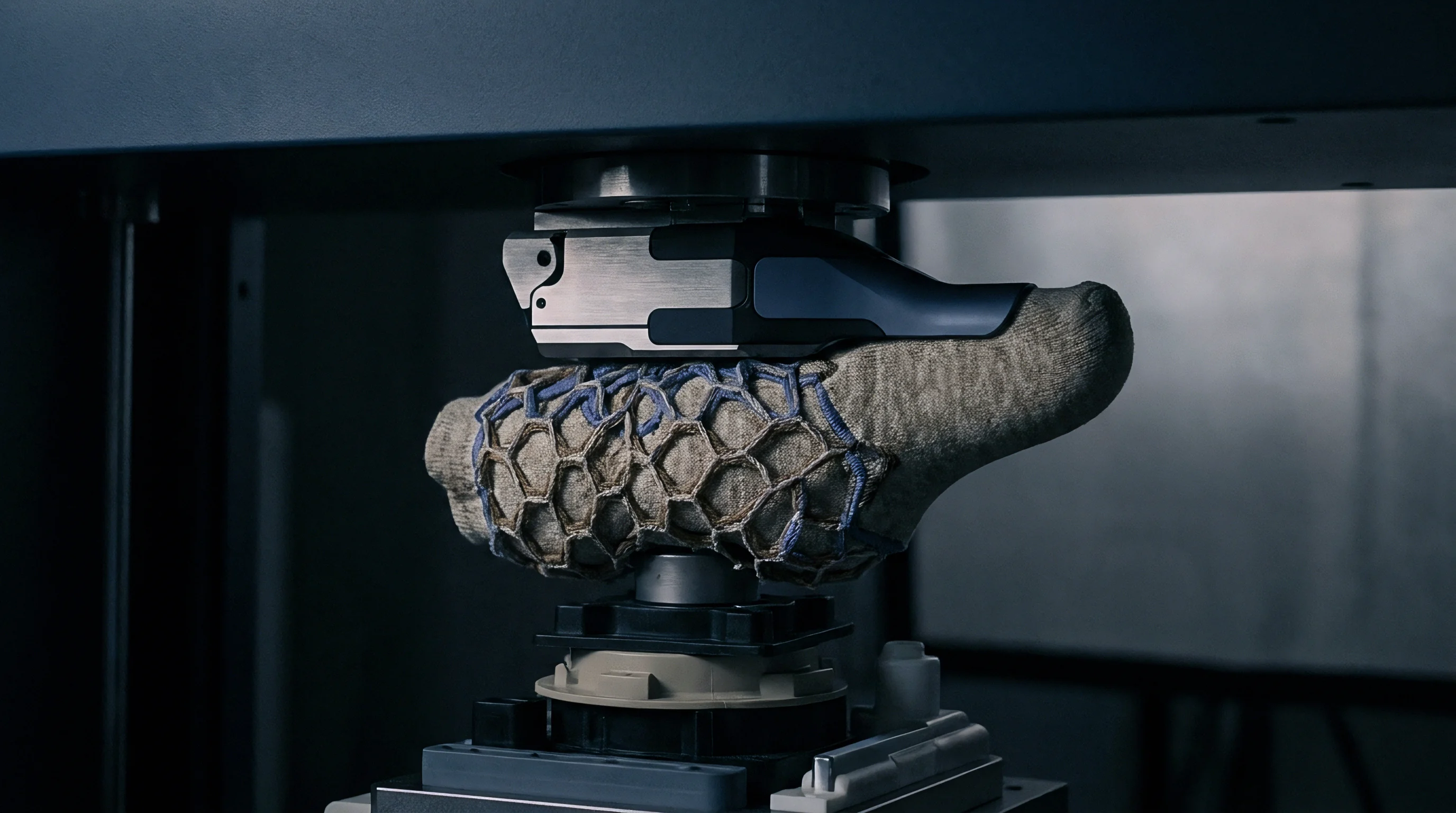
Settlement
Port clearance documents demand unambiguous chemical proof before customs authorities grant free circulation. Surveillance authorities under the European Union REACH Regulation and United States Consumer Product Safety Commission scrutinize composite laboratory certificates submitted for recycled textiles. When test certificates state composite results hovering near adjusted screening limits without documented cleanup procedures, enforcement auditors classify the documentation as unverified screening.
Customs inspectors reject composite dossiers. Border agencies demand individual tests. The detention clock runs daily.
Demurrage charges compound at container yards. Releasing detained containers requires immediate individual testing of every single roll represented in the original composite file.

Customs Dossier Integrity and Retest Allocations
Import authorities in the European Union and North America cross-examine composite laboratory reports against commercial packing lists. If five rolls of recycled nylon lining clear through a composite report indicating nonylphenol concentrations at eighteen milligrams per kilogram against a twenty milligram screening ceiling, the border agent flags the shipment for potential dilution fraud. The true concentration in one component roll may sit at ninety milligrams per kilogram.
Commercial risk remains with importers. Customs border procedures mandate roll de-compositing whenever an analytical result exceeds fifty percent of the adjusted composite limit. Single roll testing settles disputes.
Port entry documentation stands entirely on the individual roll test whenever composite baseline noise obscures the reporting boundary.

Commercial Purchase Order Risk Distribution Clauses
Supply agreements govern financial accountability when imported synthetics trigger secondary bench verifications. Retest bills double invoice costs. Purchase orders specifying recycled synthetic fibers allocate testing expenses and detention liabilities directly between buyer and vendor.
Standard contracts mandate that the supplier pays for composite screening failures and all subsequent individual swatch evaluations. These commercial agreements require laboratories to run matrix spike recoveries alongside every composite batch. Incorporating DIN EN 14362-1 Annex A provisions directly into purchase orders establishes that any unresolved chromatographic shoulder automatically triggers individual specimen verification at the vendor’s sole expense.