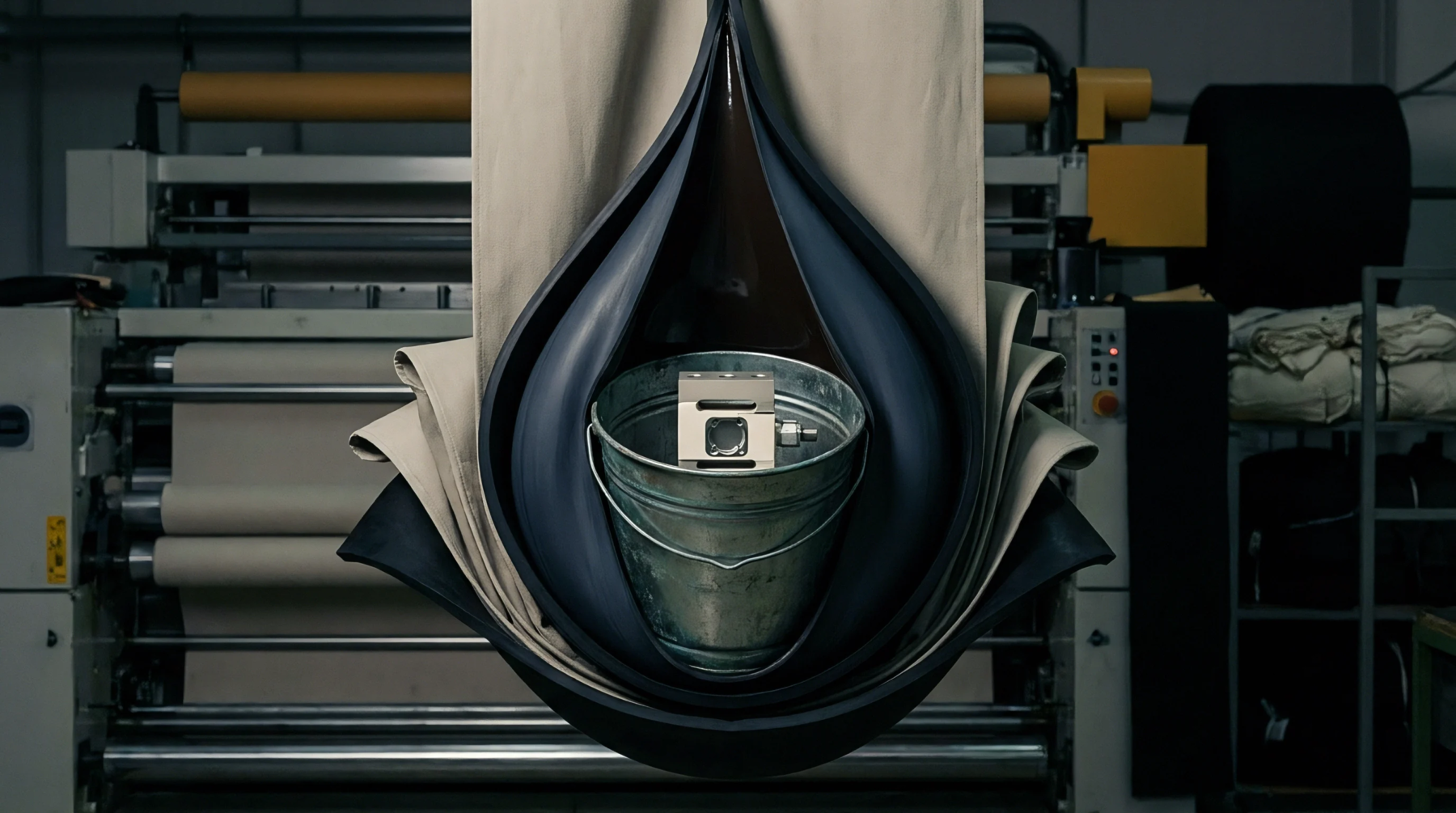
Extraction Mechanism
Chemical analysis uses matrix solid-phase dispersion to isolate analytes from complex semi-solid or solid textile specimens. Technicians blend the sample with a sorbent material to create a homogeneous mixture that facilitates efficient solvent elution. This physical transformation converts the bulk matrix into a disrupted state which increases the surface area for contact between the target substance and the extracting liquid.
Such action ensures that pesticides or finishing agents trapped within polymer chains reach the solvent phase rapidly.
Procedure Protocol
Preparation begins by grinding the fibre or fabric substrate into small particles to achieve a consistent particle size distribution. Analysts load this mixture into a chromatographic column containing a bonded-phase support. Applying pressure drives the elution liquid through the column to wash away non-target materials while capturing the analytes.
Gravity or vacuum forces control the flow rate during this passage through the packing material.
Performance Expectation
Efficiency depends on the chemical affinity between the stationary phase and the extracted components. Proper selection of the solid sorbent determines the recovery rate for specific chemical classes found in textile applications. Consistent results require exact control of the solvent polarity and the sample to sorbent ratio.
Deviations in the mechanical blending of the sample frequently cause variability in the final yield.
Analytical Boundary
Laboratory protocols for quality control verify that residues meet regulatory thresholds set for apparel imports. Practitioners rely on the method to detect trace contaminants where traditional liquid-liquid extraction fails due to emulsion formation. Solvent consumption remains lower compared to exhaustive techniques such as Soxhlet extraction.
Precision in this quantitative process supports the compliance testing required for international distribution of finished goods.