
Bifunctional Reactive Dye Fixation Ratios under Variable Dyehouse Alkali Dosing
Controlled progressive alkali dosing prevents premature vinyl sulfone hydrolysis and maximizes heterobifunctional reactive dye covalent fixation on cotton.
Controlled progressive alkali dosing prevents premature vinyl sulfone hydrolysis and maximizes heterobifunctional reactive dye covalent fixation on cotton.
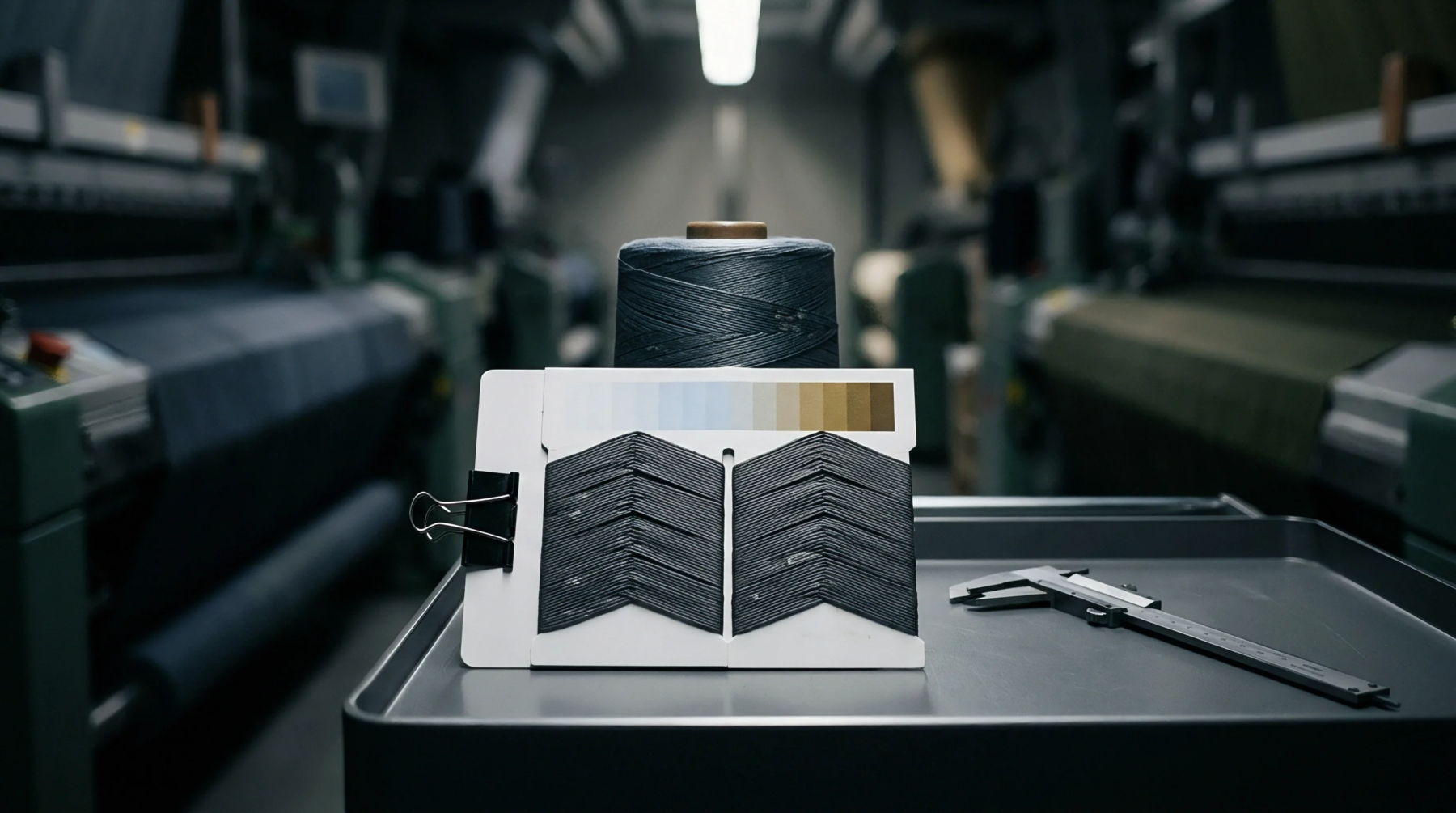
Exhaust cellulosic dyeing demands progressive alkali dosing and strict pH control to prevent glycosidic cleavage from destroying fabric bursting strength.
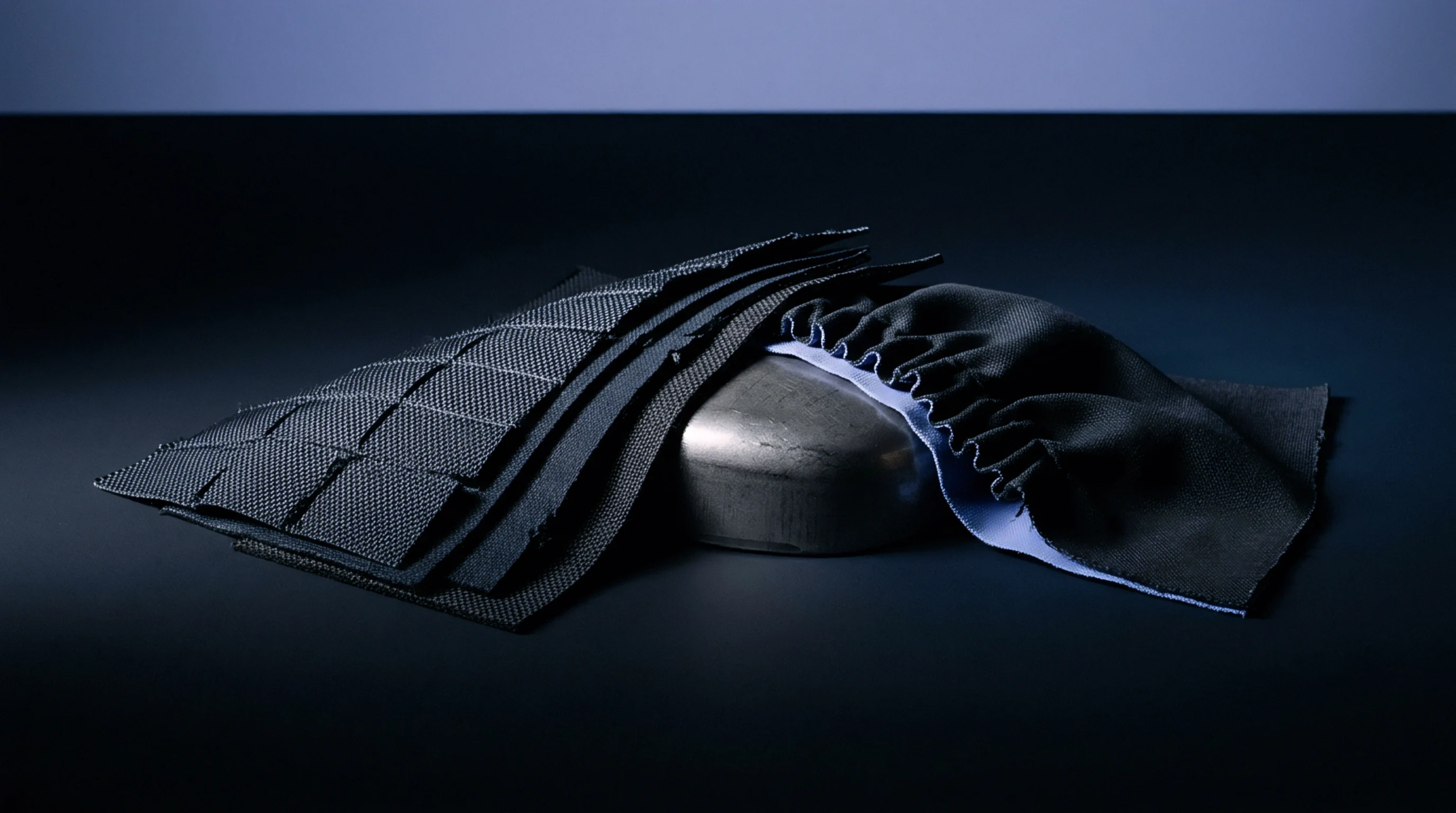
Boundary layer mass transport limits in ultra-dense mercerized twills demand continuous high-velocity liquor shear to prevent surface ring dyeing.

Declining repeat volume forces shifts from continuous to exhaust routes, driving up unit setup waste, expanding liquor ratios, and requiring wider shade tolerances.

Nozzle pressure limits in jet dyeing protect sensitive fiber strands from kinetic liquid shear abrasion while maintaining stable fabric propulsion speeds.

Commission dyeing defect liability requires contractual tripartite agreements, pre-process greige verification gates, and analytical fault isolation.

Verify binary cotton polyester ratios using 75.0% sulfuric acid at 50 °C with calibrated d-factor corrections and official regain conversion to secure customs tariff compliance.

Low liquor ratio cotton dyeing demands progressive alkali profiling to suppress early hydrolysis, match bath exhaustion, and eliminate bulk shade streakiness.
Optimizing liquor ratios requires balancing steam and salt savings against pump turnover rates to prevent severe shade unlevelness and mechanical creasing.

Mechanical volumetric dosing calibration requires gravimetric cross-verification and pressure-balanced manifolds to prevent shade tailing in pad dyeing.

Sustaining a 1.8 percent ester lubricant film on elastane cores prevents elastomeric rupture when jet nozzle pressure exceeds 2.2 bar.
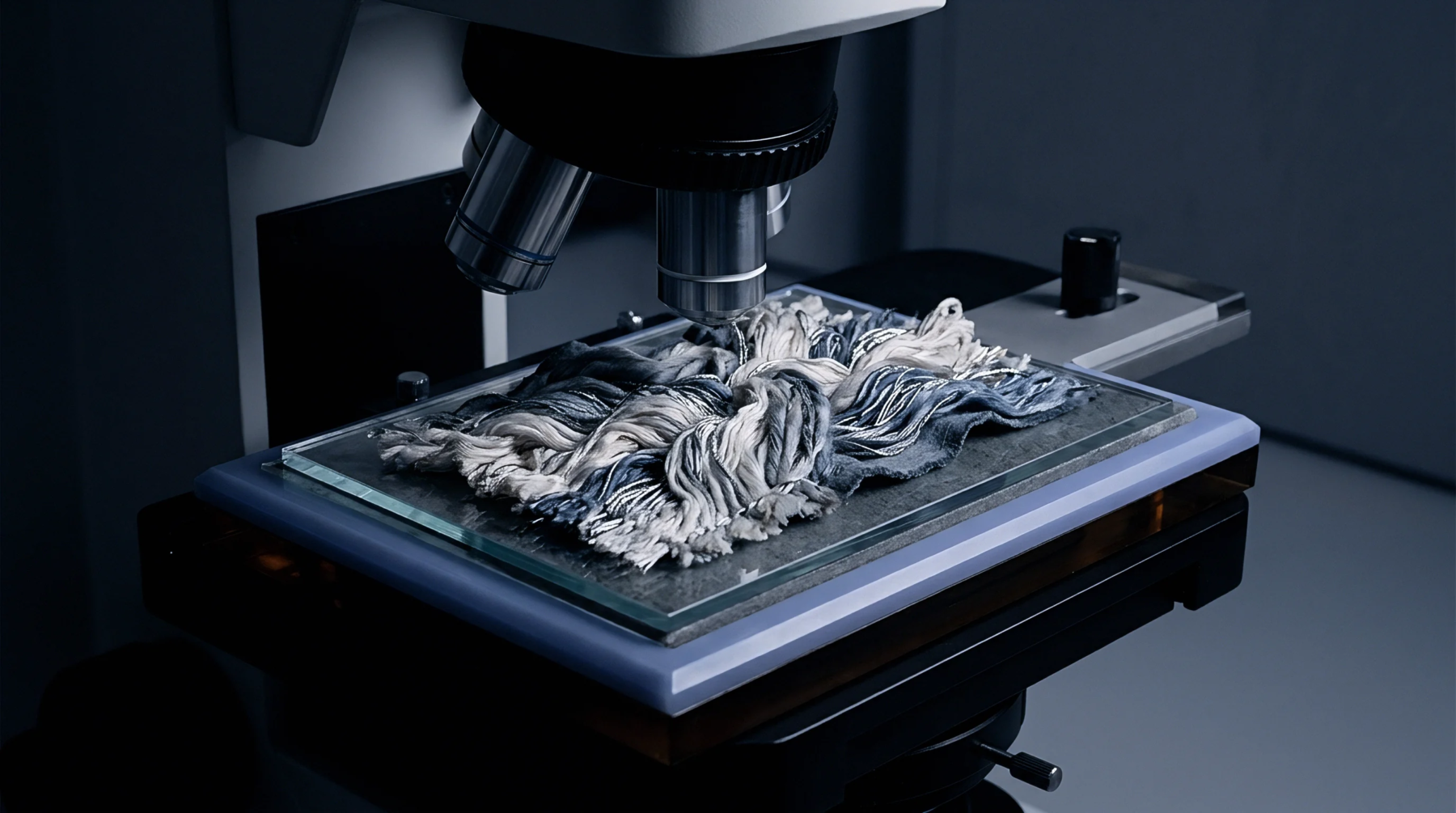
Flowing restricted substance lists to subcontracted dyehouses demands batch-level chemical tracking, verified bath controls, and explicit back-to-back testing indemnity.
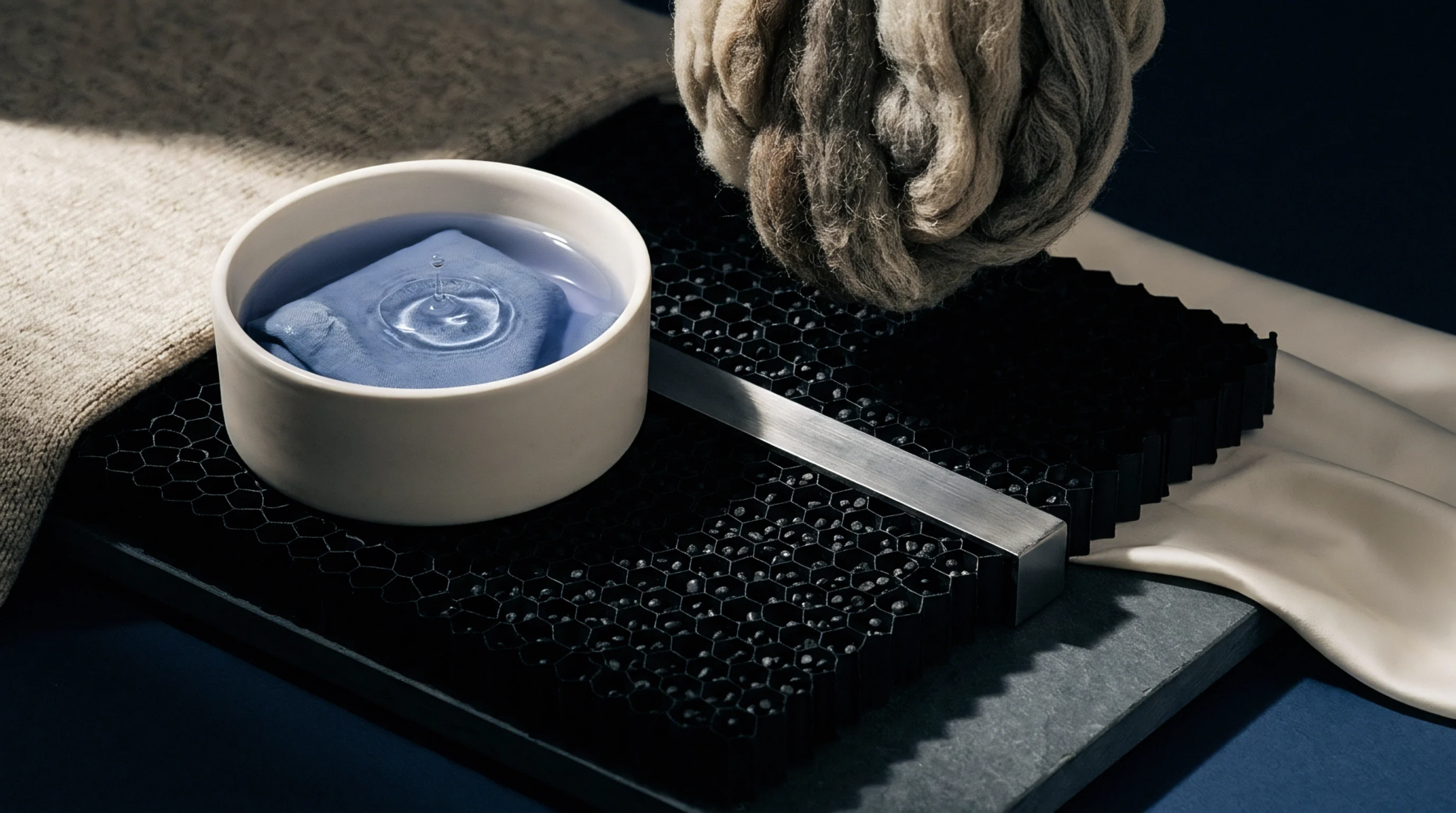
Cellulosic reactive exhaust dyeing requires strict pH and temperature ramp control to minimize nucleophilic hydrolysis, maximize covalent yield, and prevent fastness failure.

High warp cover factors reduce fabric liquid permeability, requiring wider rectangular nozzles and slower heating ramps to prevent surface shade unlevelness.

High cover factor twills restrict intra-yarn mass transport, requiring wash-off temperatures above 85 degrees Celsius to desorb trapped hydrolyzed reactive dye.
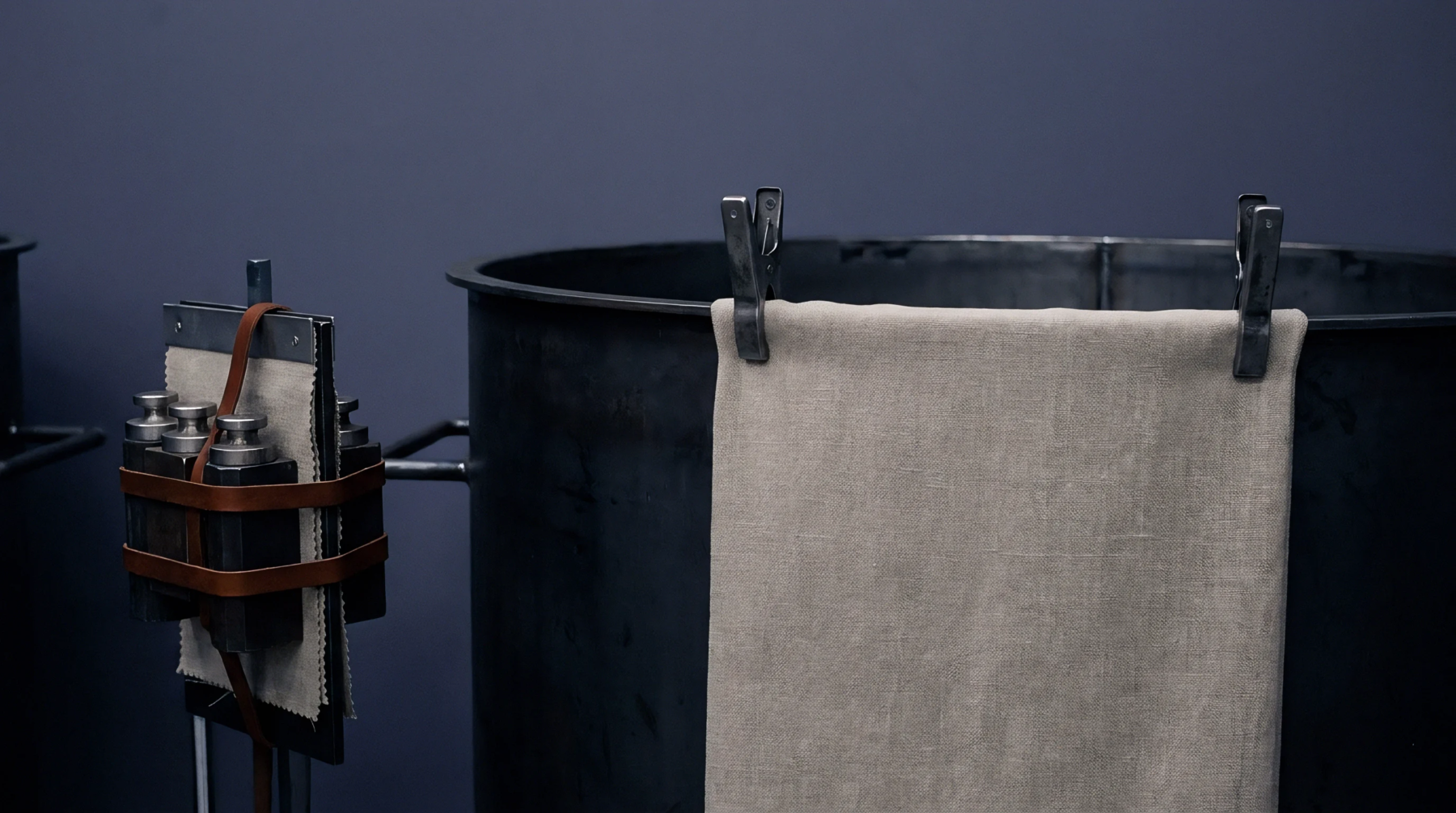
Reconciling master greige orders across multi-tube jet vessels requires matching greige linear mass to individual tube capacities while maintaining fixed liquor ratios across all operational runs.
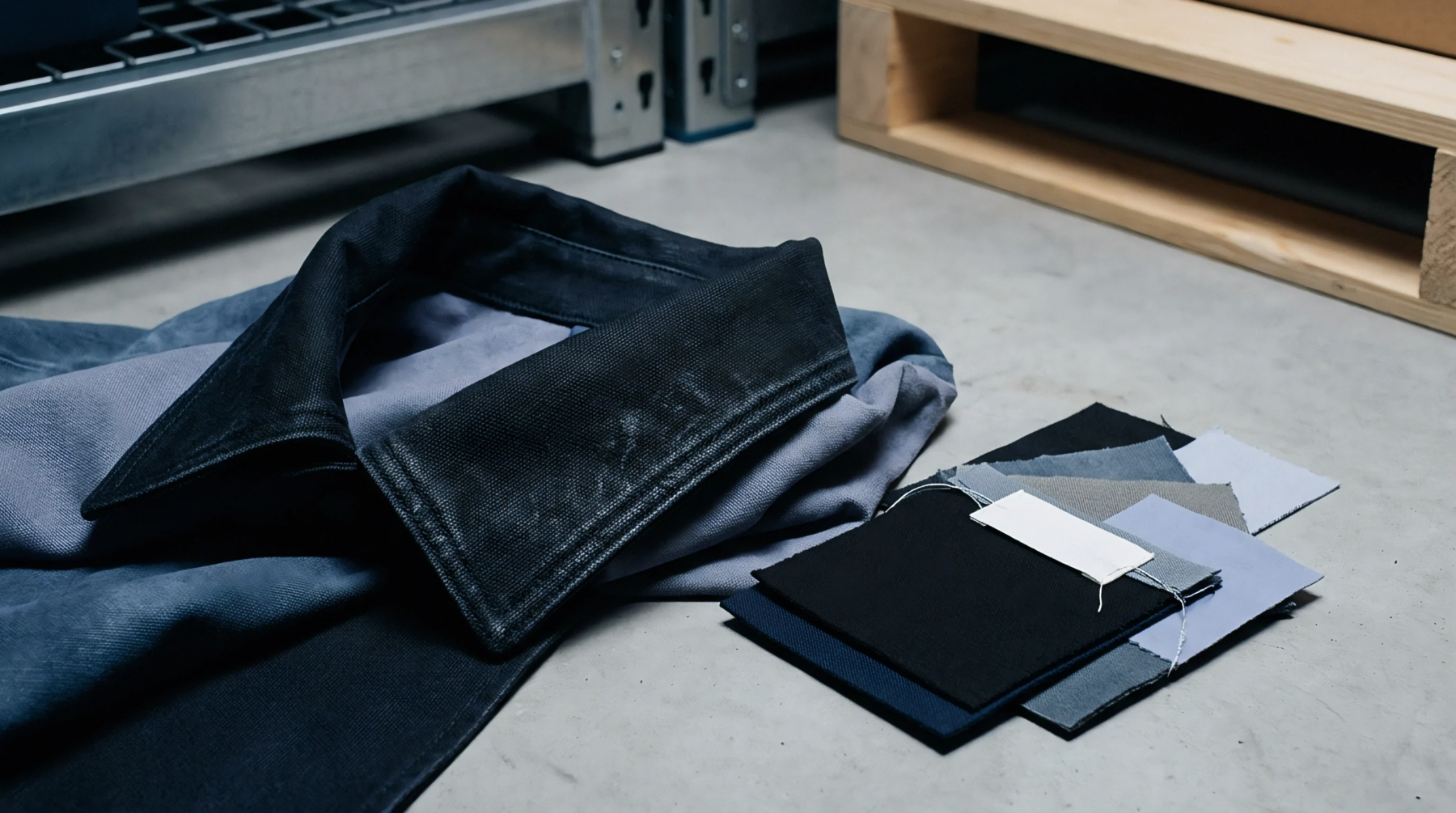
Progressive exponential salt dosing prevents surface strike spikes and forces reactive dye penetration into heavy cotton duck yarn cores.
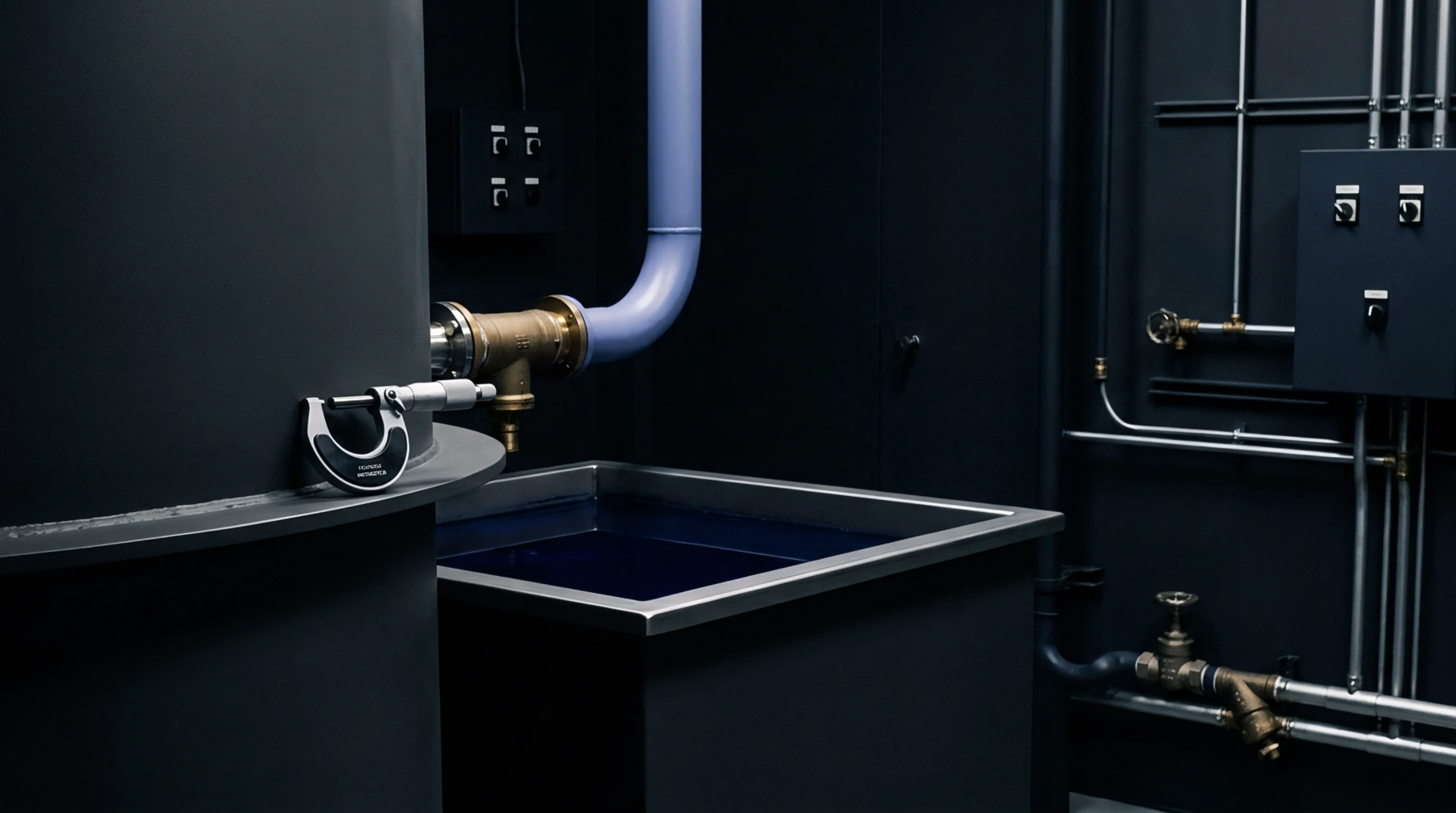
Dye lot conversion schedule reconciliation requires matching greige bulk density and nozzle hydraulics to vessel capacity, preventing pump cavitation and shade drift.

Lowering liquor ratios elevates dye exhaustion efficiency in heavy twills but demands precise flow control to prevent core-ring shading and crocking failure.

Aligning woven greige warp minimums with dyehouse vessel capacities requires calculating dry mass yields and vessel fill limits to prevent shade variation.

Cold pad-batch dyeing prevents crease marks and cuts energy costs on heavy cotton twill, whereas jet dyeing risks surface friction damage in dark shades.

Minimum colour quantities set dye vessel efficiency and enforce range plan fabric allocations long before garment sketches reach the pattern desk.
Expertise is a utility, not a secret. sentiention™ publishes its working knowledge as open reference: intelligence layer covering the materials it sources, the markets it enters, and the reference that serves both.