Controlling Reactive Dye Exhaustion Kinetics on Combed Cotton
Controlling reactive dye exhaustion kinetics on combed cotton requires controlled electrolyte dosing, metered alkali introduction, and optimal liquor flow.
Strand
Eliminating short fibers through mechanical combing alters the internal void volume and accessible surface hydroxyl density of cellulose. Combing removes short cotton staple. The mechanical action removes up to 18 percent of short fibers, parallelizing the remaining long staples and reducing the count of protruding fiber ends.
This structural alignment alters the capillary wicking behavior and the hydrodynamic boundary layer surrounding individual yarns. Carded cotton contains irregular voids, unaligned fiber segments, and elevated nep counts that cause localized turbulence and uneven initial dye absorption. Combed structures display a uniform packing density that creates predictable pore radii throughout the yarn body.
Cellulose Accessibility in High-Count Combed Yarns
Mechanical processing removes immature staple and aligns long filaments parallel to the yarn axis, reducing specific surface area while raising core packing density. Combed yarns possess tight cores. In fine counts such as Ne 40/1 or Ne 60/1, the tight packing ratio increases tortuosity for incoming dye liquor.
Dissolved reactive dye molecules encounter a denser secondary wall network in combed cotton. Adsorption onto the fiber surface occurs rapidly, yet internal migration toward the lumen slows down in response to the reduced inter-fiber distance. Fiber alignment alters dye diffusion rates.
This spatial restriction demands controlled exhaustion kinetics to prevent surface ring dyeing, where dyestuff exhausts onto outer fiber perimeters before migrating into the yarn core.
| Yarn Structure | Combing Noil (Percent) | Crystallite Orientation Index | Apparent Diffusion Coefficient (cm2/s x 10-9) | Initial Exhaustion Rate (E-Percent/min) |
|---|---|---|---|---|
| Carded Ne 30/1 | 0.0 | 0.82 | 4.12 | 2.85 |
| Combed Ne 30/1 | 12.5 | 0.89 | 3.45 | 1.92 |
| Combed Ne 40/1 | 15.0 | 0.91 | 2.98 | 1.54 |
| Combed Ne 60/1 | 18.0 | 0.94 | 2.10 | 1.18 |

Morphological Differences across Carded and Combed Assemblies
Comparative dye-uptake trials demonstrate distinct diffusion coefficients when short-staple content falls below eight percent. High orientation of cellulosic crystallites in combed yarns increases the activation energy required for dye molecules to penetrate amorphous regions. The absence of neps removes primary sites of localized dye accumulation, eliminating the dark specks common in dyed carded goods.
However, the higher average degree of polymerization in combed fibers means fewer free chain ends are available at the fiber surface. This structural characteristic lowers the initial passive adsorption rate compared to carded stock. Bath ratio dictates electrolyte concentration.
A combed Ne 40/1 ring-spun yarn exhibits a 14 percent higher initial dye adsorption velocity than an equivalent carded count at 50 degrees Celsius due to uniform crystallite orientation.
Finer combed counts require slower electrolyte addition than coarse carded structures because tight fiber packing delays internal liquor movement through the yarn core.

Dosing
Electrolyte concentration in the dye bath neutralizes the negative zeta potential of cellulosic fibers, allowing anionic reactive dye molecules to approach hydroxyl groups. Salt suppresses fiber negative charges. In an un-salted aqueous bath, cotton fibers carry an electrical double-layer potential between negative 15 and negative 25 millivolts.
Sodium chloride or sodium sulfate screens these repulsive charges. Controlling the rate of salt entry establishes equilibrium between dye molecules in solution and dye molecules adsorbed onto the outer fiber wall.
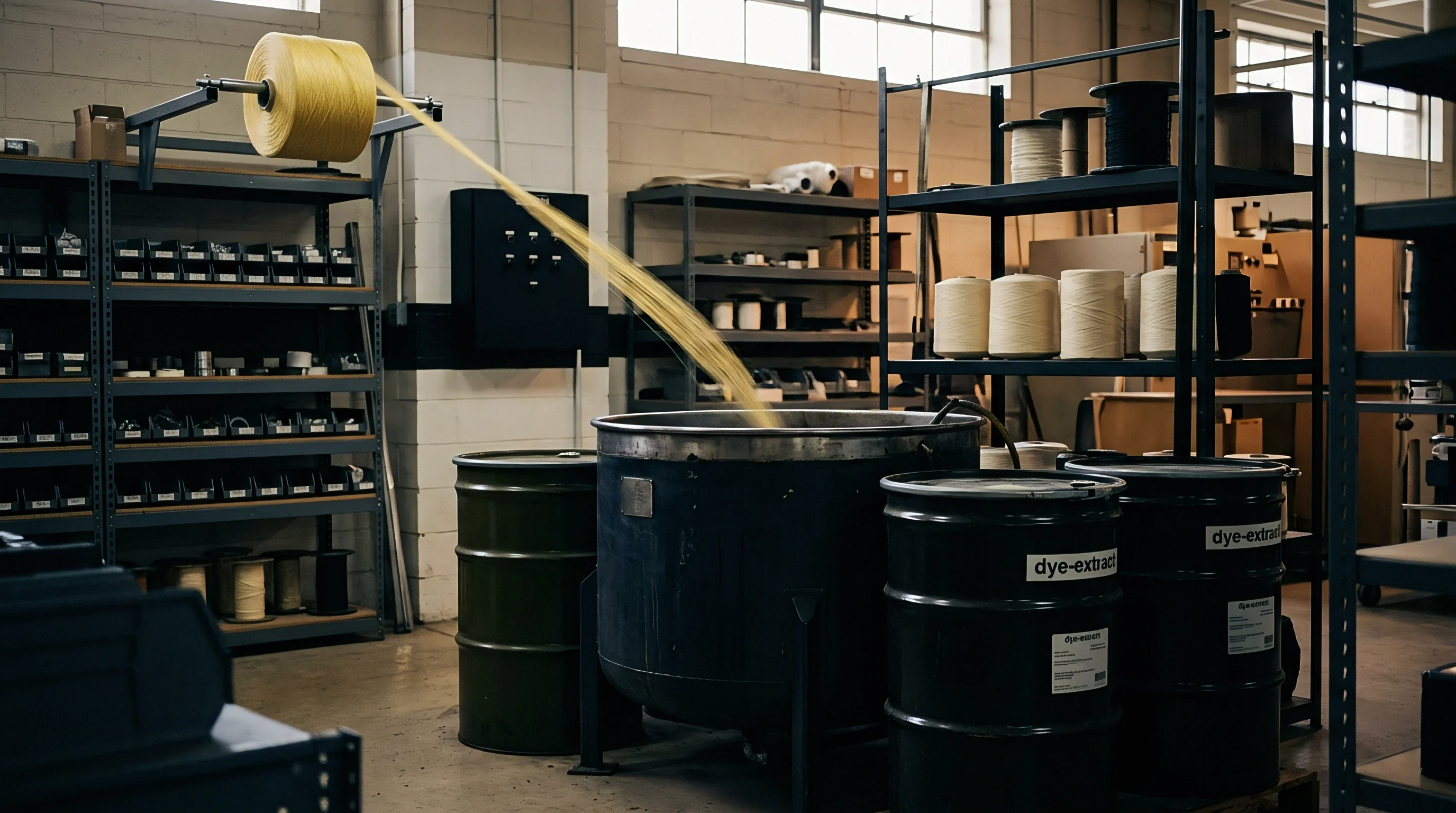
Electrolyte Addition Profiles and Exhaustion Velocity
Linear salt ramping risks localized strike rate spikes when salt concentration exceeds critical aggregation thresholds in the bath. Rapid strike creates color streaks. Utilizing a progressive exponential dosing profile maintains a constant dye exhaustion velocity across the neutral adsorption phase.
During exponential dosing, electrolyte enters slowly at first, accelerating as bath dye concentration decreases. This progressive concentration shift maintains a steady chemical potential gradient between the bath and the substrate. Controlling exhaustion speed within 0.5 to 1.0 percent dye uptake per minute prevents levelness failure in dark shades.
- Uncontrolled initial strike causes localized shade migration across package inner coils during early bath circulation.
- Precocious bath exhaustion leads to surface ring dyeing where dye molecules deposit on outer yarn perimeters without core penetration.
- Hydrolysis acceleration occurs when alkali enters before salt migration reaches internal equilibrium across all fiber voids.
- Tail-to-head shading arises during jet operations when electrolyte additions outpace bath turnover times.
Bimodal Alkali Metering for Ph Stabilization
Sodium carbonate introduction drives the nucleophilic substitution or addition reaction between activated dyes and ionized cellulose hydroxyls. The bath pH rises from neutral to an operational range between 10.8 and 11.4. Adding alkali too rapidly creates immediate localized fixation, freezing dye molecules in place before migration completes.
A bimodal dosing strategy splits alkali addition into a linear dose of sodium carbonate followed by a metered injection of dilute sodium hydroxide for deep shades. This split preserves migration capacity while providing the hydroxyl ion activity needed for full covalent yield.
| Dosing Method | Initial Exhaustion (Percent E) | Migration Index (Percent M) | Final Fixation Yield (Percent F) | Levelness Index (Delta E) |
|---|---|---|---|---|
| All-In Direct Addition | 68.4 | 42.1 | 58.2 | 1.85 |
| Linear Step Addition | 54.2 | 61.5 | 67.4 | 1.12 |
| Exponential Salt / Linear Alkali | 38.9 | 84.2 | 76.1 | 0.34 |
| Controlled Dosing Pump Array | 31.5 | 89.6 | 79.8 | 0.21 |
Progressive exponential addition of alkali prevents localized dye precipitation while maintaining uniform nucleophilic binding across dense yarn packages.
Uncontrolled strike rates produce permanent shade unlevelness and severe streakiness across knitted rolls, forcing full batch stripping and re-dyeing that damages fiber tensile strength.

Circulation
Hydraulic energy within jet vessels and package machines transports dissolved dyestuff through the interstitial spaces of combed yarn walls. High flow velocity prevents leveling failures. Mechanical circulation replaces stagnant boundary layers around fibers with fresh, concentration-rich dye liquor.
The volume of liquor passing through a given weight of fabric per unit time defines the contact frequency, directly influencing the kinetic rate constant of exhaustion.
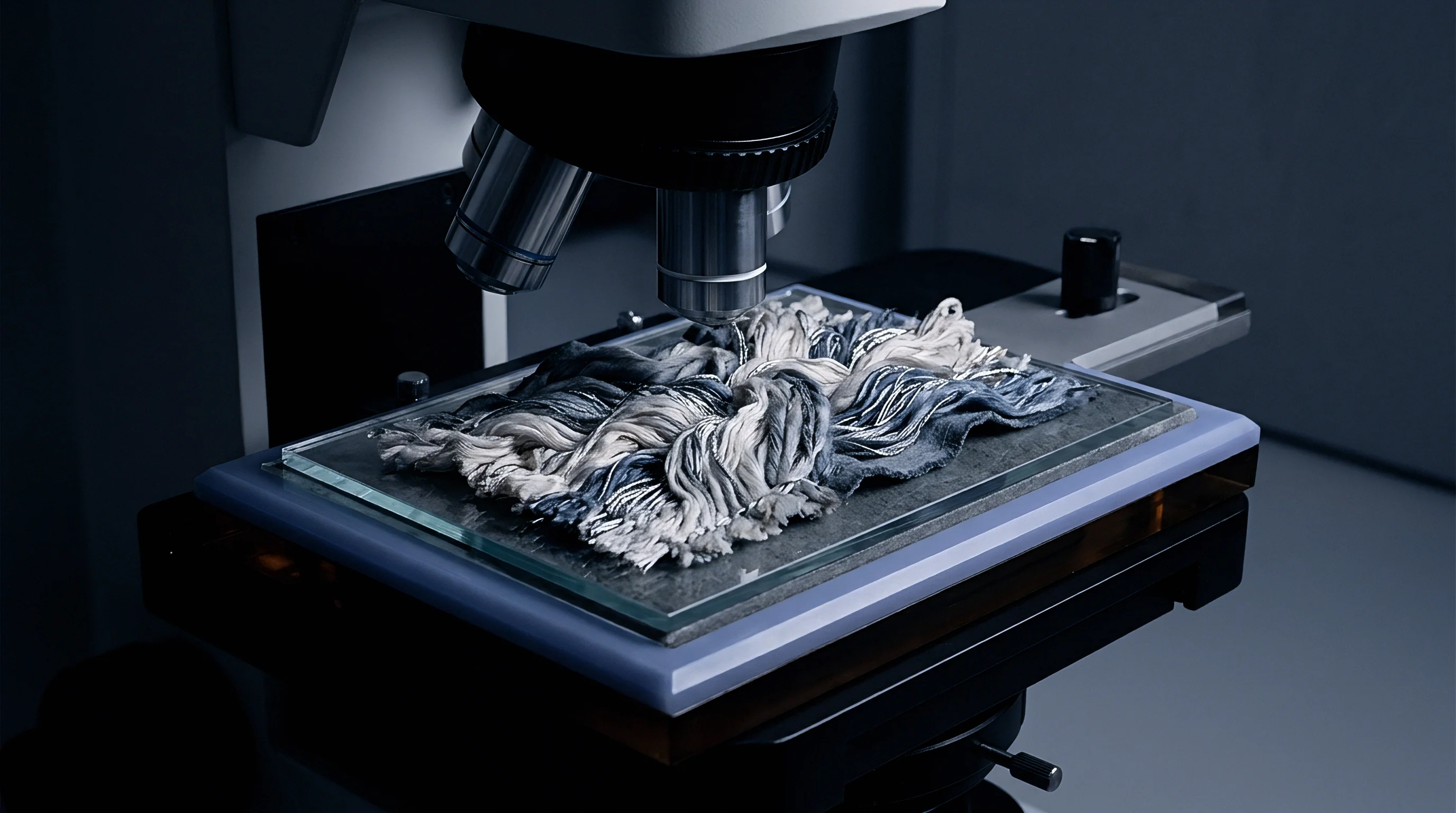
Why Does Package Density Alter Dye Distribution Rates?
Dense yarn winding restricts fluid velocity, creating differential pressure gradients between inner and outer package layers. Pump pressure drives inner penetration. When package density rises above 0.40 grams per cubic centimeter, flow resistance increases exponentially.
Dye liquor follows paths of least resistance, causing preferential flow through soft zones and leaving dense zones under-dyed. Maintaining package density between 0.35 and 0.38 grams per cubic centimeter ensures uniform fluid resistance and equal dye distribution throughout the bobbin volume.
- Measure package density across three random cones using a spring-loaded durometer to verify target values between 0.35 and 0.38 grams per cubic centimeter.
- Adjust pump inverter frequencies until differential pressure across the spindle header registers between 1.2 and 1.5 bar.
- Set main liquor pump flow rates to yield a minimum of four complete bath turnovers per minute during salt addition phases.
- Verify jet nozzle diameter matches fabric rope weight to prevent mechanical chafe while maintaining linear speed at 350 meters per minute.

Nozzle Pressure and Rope Turnover Kinetics
Mechanical transport speeds in soft-flow jets govern the contact frequency between moving fabric ropes and recirculating bath liquor. In jet dyeing of combed cotton knits, fabric rope speed must match the kinetic exhaustion rate. If a rope completes one cycle every two minutes while dye exhausts at two percent per minute, four percent of the total dye load deposits on the fabric in a single pass.
This imbalance causes transverse shading bars. Increasing rope speed to achieve a turnover cycle under 45 seconds distributes exhausting dye across a larger surface area per unit time.
Equipment vendors frequently attribute shade unlevelness to raw cotton maturity variations rather than acknowledging pump flow degradation and inadequate bath turnover rates.

Fixation
Alkaline activation converts neutral cell-OH groups into cell-O anions, initiating covalent bonding with reactive dye functional groups. Dual anchors improve fixation yields. The chemical reaction competes directly with dye hydrolysis, where hydroxyl ions in water react with the dye to form an unreactive, spent compound.
Controlling temperature, pH, and dwell time maximizes cell-O attachment while minimizing water reaction products.

Bifunctional Reactive Chemistries and Hydrolysis Competition
Dyes incorporating both monochlorotriazine and vinylsulfone reactive anchors exhibit superior exhaust-fixation yields under variable bath temperatures. Temperature shifts govern hydrolysis rates. The vinylsulfone group forms an ether linkage with cellulose at 60 degrees Celsius under moderate alkaline conditions.
The monochlorotriazine group reacts via nucleophilic substitution at elevated temperatures or higher pH levels. This dual-action mechanism provides a wider processing window for combed cotton, compensating for localized temperature drops inside dense yarn packages.
- Vinylsulfone monochlorotriazine hybrids provide high exhaustion efficiency and excellent wash-off properties for dark shade depths.
- Heterobifunctional fluorotriazine structures allow lower fixation temperatures, reducing thermal energy requirements during 60-degree hold phases.
- Bis-monochlorotriazine chemistries demand elevated bath temperatures up to 80 degrees Celsius to achieve adequate covalent reactivity.
- Homobifunctional vinylsulfone systems demonstrate high salt sensitivity, requiring precise progressive electrolyte dosing to avoid shade pooling.
Temperature Ramping Protocols during Alkali Phasing
Heating rate adjustments between 60 and 80 degrees Celsius dictate the competitive equilibrium between covalent bond formation and dye inactivation. Raising the temperature lowers bath viscosity and increases dye diffusion speeds within the cellulose matrix. However, thermal energy also accelerates the hydrolysis reaction rate constant.
Maintaining a controlled temperature ramp of 1.0 degree Celsius per minute during the alkali fixation step holds the kinetic reaction within the desired fixation corridor.
Compliance with ISO 105-C06 test condition C2S mandates a minimum color fastness rating of 4-5, which remains unreachable if unfixed hydrolyzed dye residue exceeds two percent on finished combed knit goods.
Adherence to ISO 105-X12 rubbing fastness requirements obliges dyehouses to implement double hot-wash soaping sequences at 95 degrees Celsius to strip non-covalently bound dyestuff prior to batch release.
Ledger
Operating costs in combed cotton wet processing depend directly on cycle duration, chemical consumption, and first-time-right shade matching percentages. Cold rinsing removes surface salt. Washing steps consume excess steam.
Level dyeing reduces rework costs. Every extended hold phase, additional wash cycle, or shade correction adds direct steam, water, electrical, and chemical overhead to the landed cost per kilogram of dyed fabric.
Water and Energy Footprint Breakdown
Thermal energy demands escalate rapidly during multi-stage hot soaping wash-off sequences required for deep shade reactive formulations. Hydrolyzed dye removal requires boiling soaping cycles at 95 degrees Celsius. Decreasing the liquor ratio from 10:1 to 6:1 reduces total water consumption by 40 percent and slashes thermal energy demands for bath heating.
High exhaustion efficiency directly cuts the volume of rinse water needed to achieve fastness compliance standards.
| Processing Parameter | Uncontrolled Standard Profile | Kinetic Dosing Profile | Variance / Savings (Percent) |
|---|---|---|---|
| Total Dye Cycle Time (Minutes) | 420 | 310 | -26.2 |
| Water Consumption (L/kg Fabric) | 85 | 52 | -38.8 |
| Thermal Steam Demand (kg/kg Fabric) | 4.2 | 2.8 | -33.3 |
| First-Time-Right Match Rate (Percent) | 81.5 | 96.2 | +18.0 |
| Effluent Total Dissolved Solids (ppm) | 14,500 | 8,200 | -43.4 |

Commercial Economics of Kinetic Optimization
Reducing overall dyeing profile times from seven hours to five hours increases daily vessel throughput by 28 percent without requiring capital expenditure. Higher plant utilization lowers fixed overhead absorption per meter of finished combed cotton fabric. Furthermore, elevating the first-time-right shade matching rate from 81 percent to 96 percent eliminates costly stripping and re-dyeing operations, which consume triple the energy of a standard dye cycle while reducing fabric bursting strength.
Lowering liquor ratios from 10:1 down to 6:1 reduces salt consumption by 40 percent while simultaneously increasing dyestuff exhaustion kinetics due to higher bath concentration.
Minimizing total dissolved solids in dyehouse effluent lowers biological and chemical wastewater treatment charges, yielding direct savings on every metric ton of finished combed cotton fabric delivered to the cutting room.