Fiber Separation
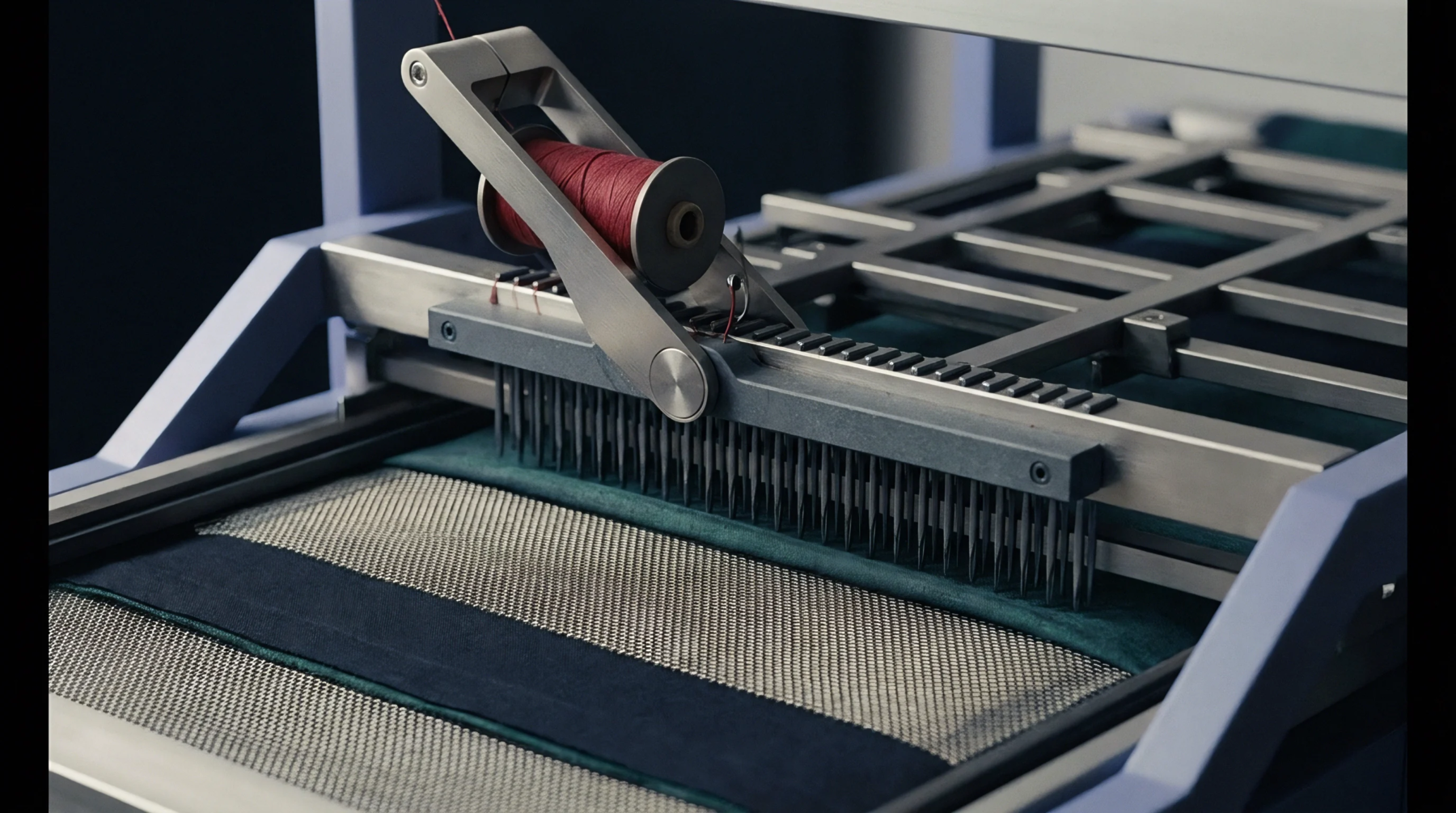
Mechanical processing removes short staple cotton fibers and lingering impurities through fine teeth operation before yarn spinning begins. Combed cotton represents a refined intermediate stage in textile manufacturing where rotating cylinders pull out remaining foreign matter and align parallel strands. Mills execute this procedure on carded slivers to produce smoother yarns with higher tensile strength and reduced pilling tendencies on finished apparel surfaces.
Production supervisors verify staple uniformity at the lap delivery frame before roving frames draw the material further.
Yarn Regularity
Mechanical alignment during this mechanical operation minimizes diameter variations across the entire length of the spun yarn. Fine spinning frames draft combed cotton into slender profiles that exhibit exceptional structural consistency during high speed weaving and knitting operations. Fabric manufacturers rely on this predictable geometry to eliminate weak spots that cause loom breakages and irregular dye uptake in piece goods.
Quality control laboratories test sample bogs for mass variation under controlled atmospheric conditions before dyehouse release.
Fabric Smoothness
Finished textiles constructed from parallelized staple fibers present a flat surface with high luster and clean stitch definition. Apparel brands specify combed cotton for lightweight garments because dense fiber packing allows tighter construction without increasing total fabric mass per square meter. Subsequent chemical finishing treatments penetrate uniform yarn structures evenly to achieve lasting dimensional stability and color fastness.
Retail distribution centers inspect finished garments under standardized light boxes to confirm surface purity and defect limits.
Consumer Performance
Garments manufactured from fine parallel fibers maintain structural integrity through repeated laundering cycles without excessive shrinkage or surface fuzzing. Apparel retailers market these items for high end knitwear and shirting applications where softness against skin remains the primary purchasing criterion. Laboratory abrasion tests confirm that oriented staple arrangements withstand mechanical friction significantly better than carded alternatives in daily wear conditions.
Finished textile properties depend entirely upon the precision of initial mechanical separation at the spinning mill.