Solvent Wash
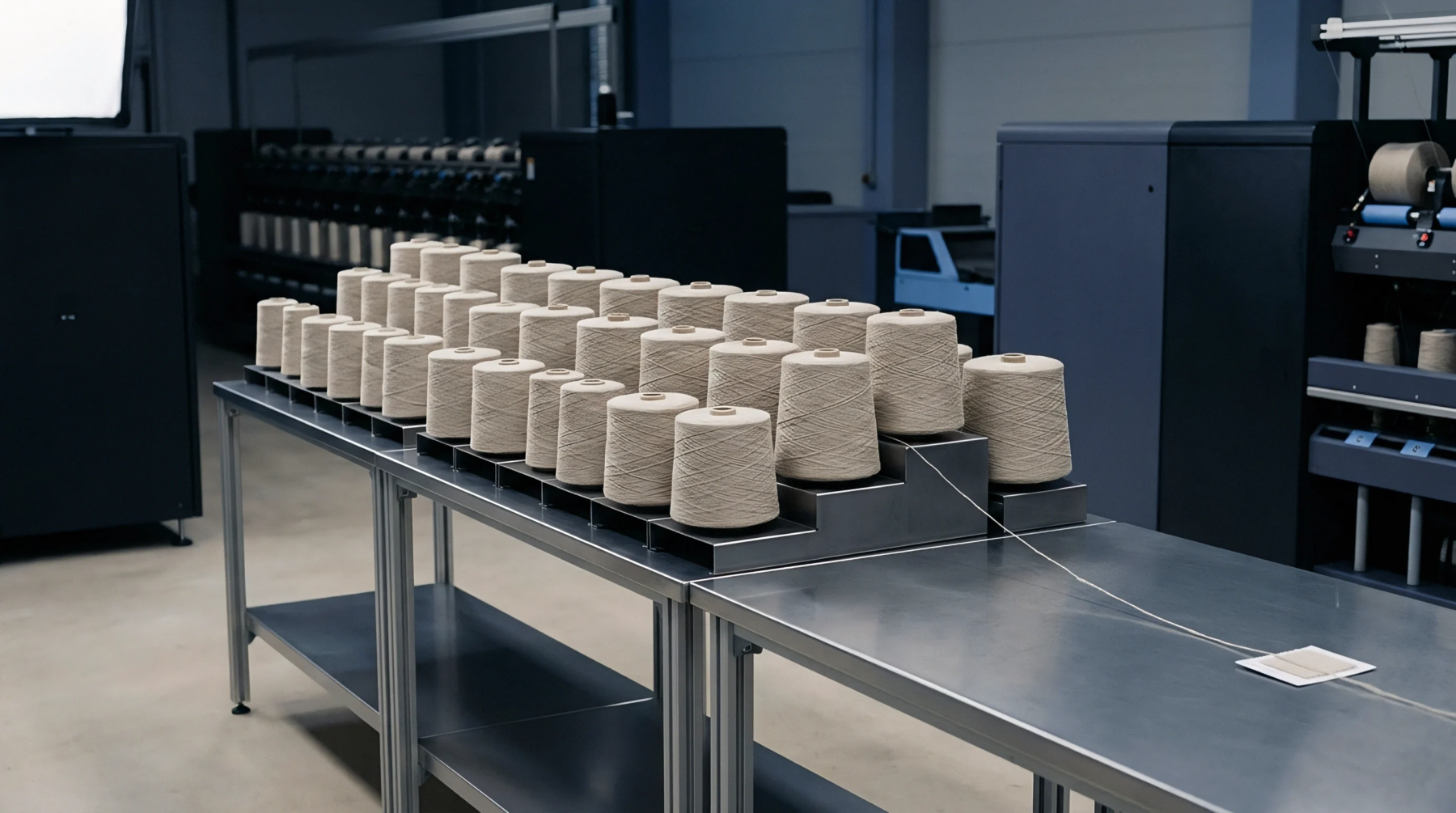
A laboratory method utilizes a light hydrocarbon solvent to dissolve and measure the grease, oil and wax content of textile fibres. Through petroleum ether extraction, technicians determine the amount of non-fibrous fatty matter present on raw wool or synthetic yarns. This test is a fundamental step in calculating the clean fibre yield of a batch.
The extracted material is weighed after the solvent has evaporated.
Grease Measurement
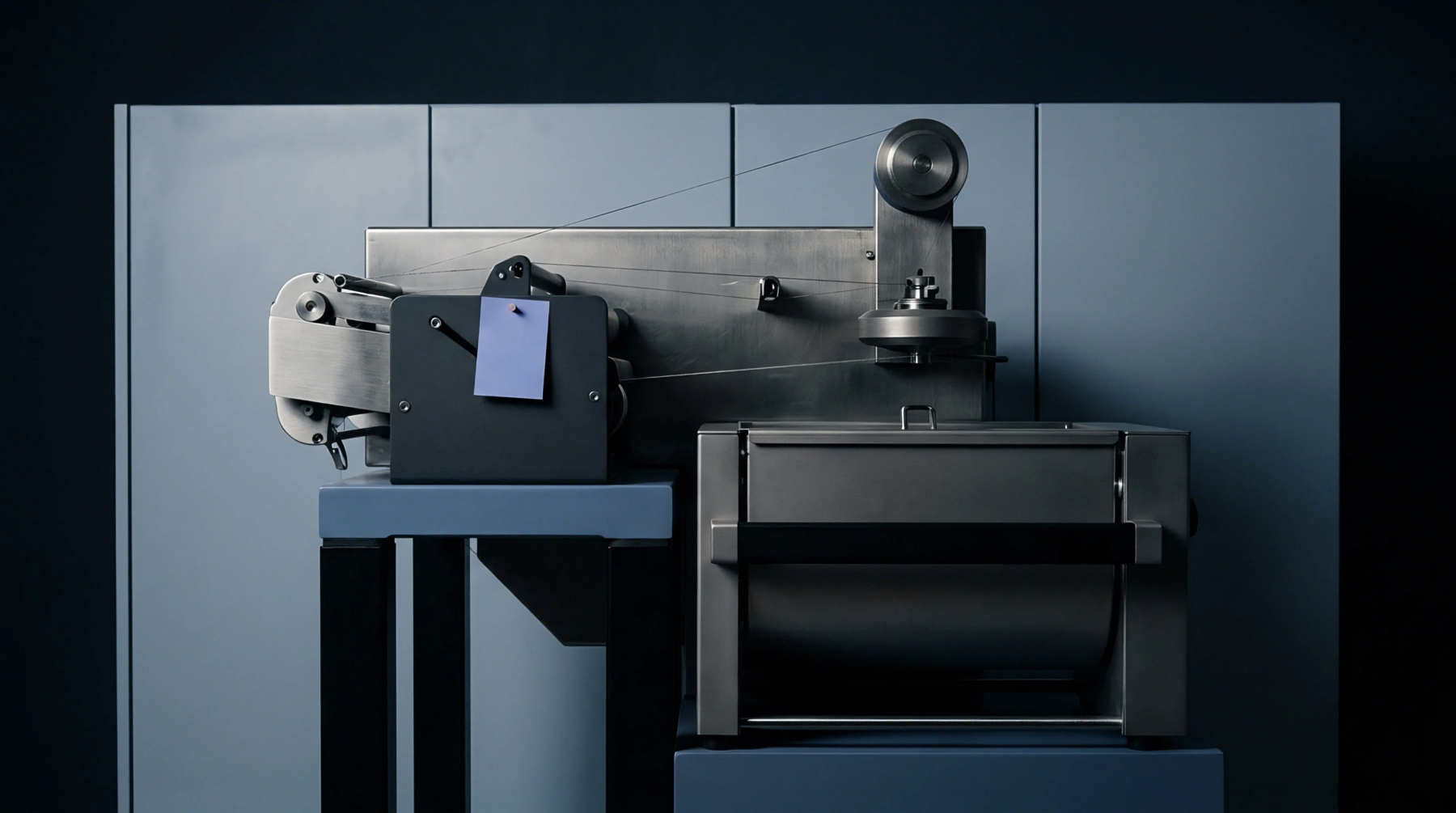
A Soxhlet extractor repeatedly circulates hot petroleum ether through the fibre sample to dissolve all soluble fats. This petroleum ether extraction is preferred because the solvent has a low boiling point, which allows it to evaporate easily without damaging the extracted residues. The amount of residue represents the spinning lubricants or natural grease on the fibre.
Sourcing teams use this data to adjust chemical processing parameters, ensuring that the yarn is spun under optimal conditions.
Process Optimization
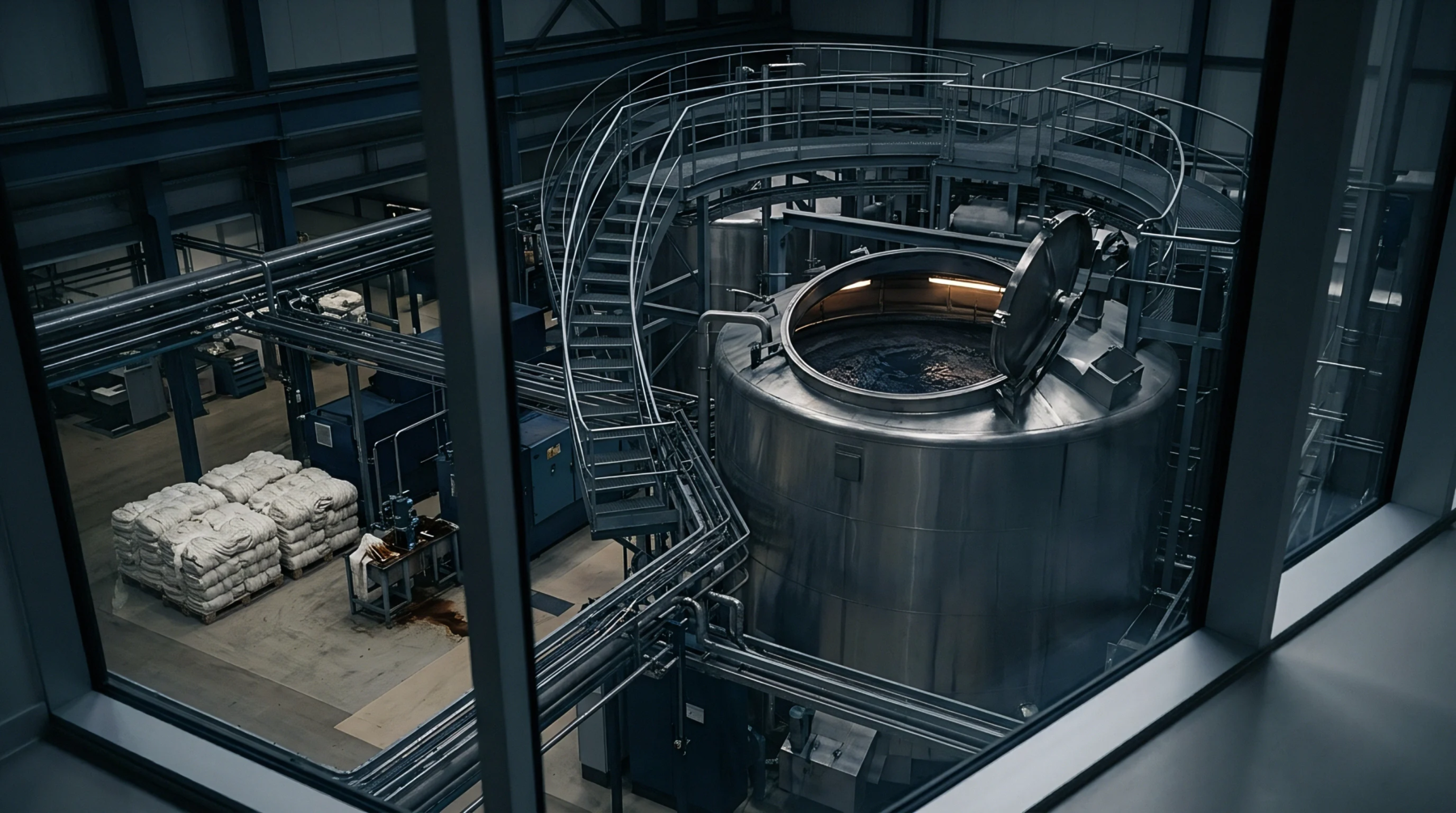
Excessive oil or wax on the fibre can cause build-up on the carding and spinning machinery, leading to yarn breaks. Conversely, too little lubricant increases friction, which damages the fibres during high-speed processing. The extraction test helps mills find the optimal level of spinning oil to apply to the fibre.
This balance is critical for maximizing production efficiency.
Ecological Safety
The extracted solvents are captured and recycled within the laboratory to minimize volatile emissions. This practice reduces the environmental impact of the testing process and lowers solvent procurement costs.