Determining True Dry Fiber Mass through Laboratory Solvent Extraction Procedures
True dry fiber mass requires quantitative solvent extraction of non-fibrous processing aids prior to forced-draft oven drying to constant weight.

Mass
Unprocessed textile fibers arrive at testing benches coated with spin finishes, paraffin waxes, knitting lubricants, and ambient moisture. Determining the true dry mass of clean fiber requires stripping these non-fibrous additives through solvent extraction before drying the substrate to constant weight. Without this step, gravimetric measurements conflate the structural mass of the polymer with fugitive surface processing aids.
The resulting baseline distortions carry into downstream blend ratio calculations, chemical compliance testing, and commercial settlement valuations.
Non-fibrous materials applied during spinning, weaving, or knitting protect filaments from static buildup, friction, and yarn breakage. These auxiliaries form a cohesive surface film that accounts for a measurable fraction of total delivered weight. When laboratories weigh raw swatches directly out of the container, the measured mass reflects both the fiber polymer and variable chemical loads.
Isolating true dry fiber mass serves as the foundational step in quantitative fiber analysis under standards such as ASTM D629 and ISO 1833-1.
Quantitative Baseline Distortions
Chemical additives applied during yarn formation alter the gravimetric tare of incoming shipments. In synthetic filament yarns like polyamide and polyester, spin finishes typically comprise 0.5 percent to 1.8 percent of total yarn weight. Natural fibers like cotton carry natural waxes and pectin layers alongside added sizing agents such as polyvinyl alcohol or modified starches, which together account for 3.0 percent to 8.0 percent of raw dry yarn mass.
A spin finish concentration exceeding 1.5 percent by mass on synthetic filament yarn skews quantitative fiber blend analysis by up to two full percentage points.
When quantitative binary blend analysis proceeds without solvent pre-extraction, the reagent used to dissolve one fiber component often leaves the surface finish intact on the remaining component or partially dissolves the finish alongside the target polymer. This partial extraction creates systematic gravimetric errors. In a 65 percent polyester and 35 percent cotton blend, for instance, unextracted sizing agents assigned to the cotton fraction artificially inflate cotton content while deflating calculated polyester yields.
Pure dry mass establishes the true denominator for all chemical purity calculations.
Non Fibrous Extractable Categories
Manufacturing auxiliaries fall into water-soluble sizings, hydrocarbon oils, synthetic waxes, and silicone lubricants. Each category exhibits specific solubility behaviors depending on solvent polarity, extraction temperature, and exposure time. Water-soluble starches and polyacrylates wash out in hot water cycles, whereas mineral oils, paraffin waxes, and silicone oligomers demand non-polar or moderately polar organic solvents for complete removal.
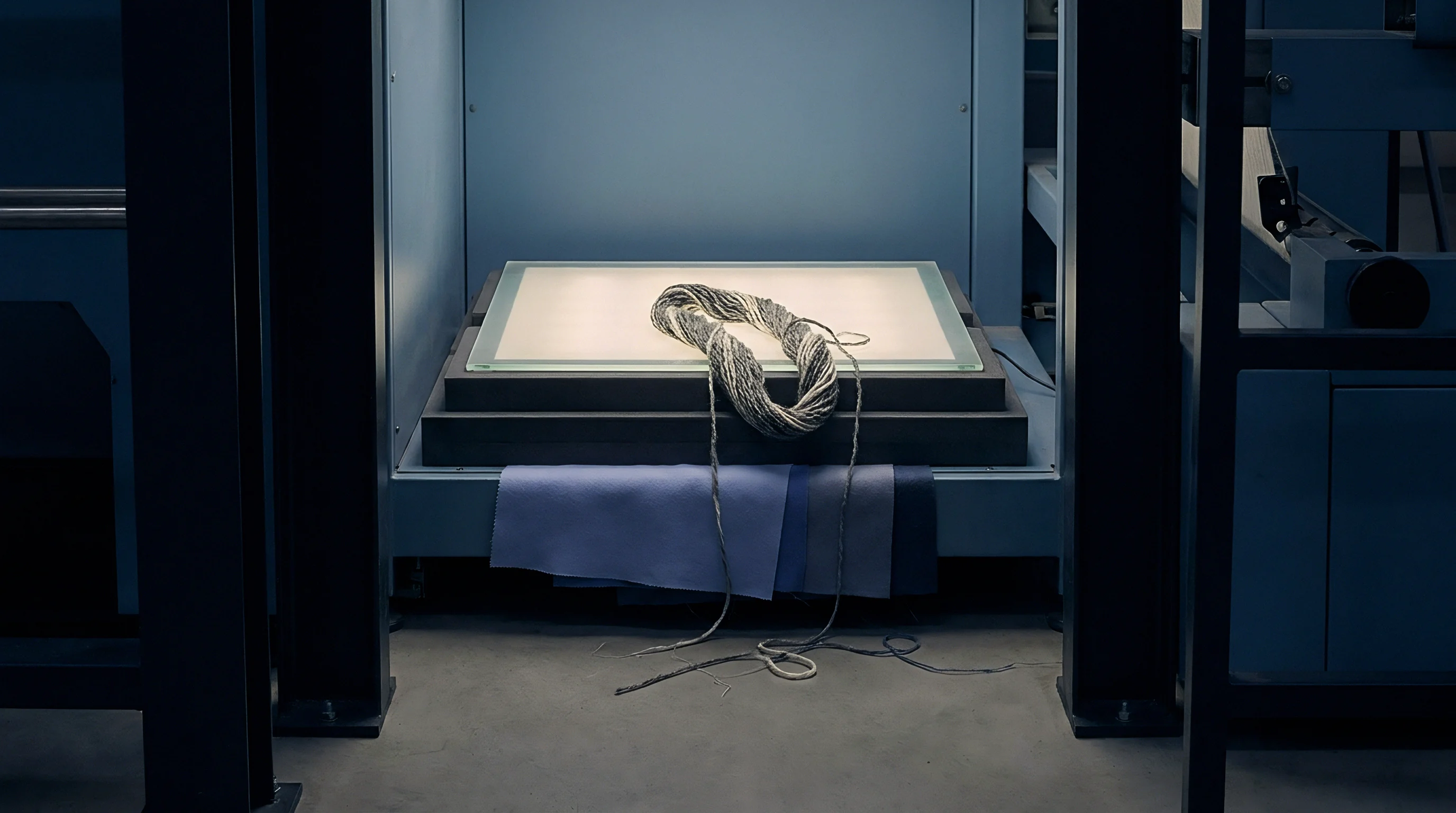
Failure to sequence extraction steps based on additive chemistry leaves hydrophobic residues bound to fiber surfaces. Paraffin waxes used in knitting operations crystallize on cotton surfaces, creating a barrier that slows moisture evaporation during oven drying and resists weak aqueous scouring. Complete removal demands organic solvent reflux inside a Soxhlet apparatus, where fresh condensed solvent continually bathes the specimen.
Failing to isolate non-fibrous additives during initial mass analysis leads directly to overpaying for synthetic lubricants billed at prime fiber prices while skewing quantitative blend composition results across downstream processing steps.
Solvent
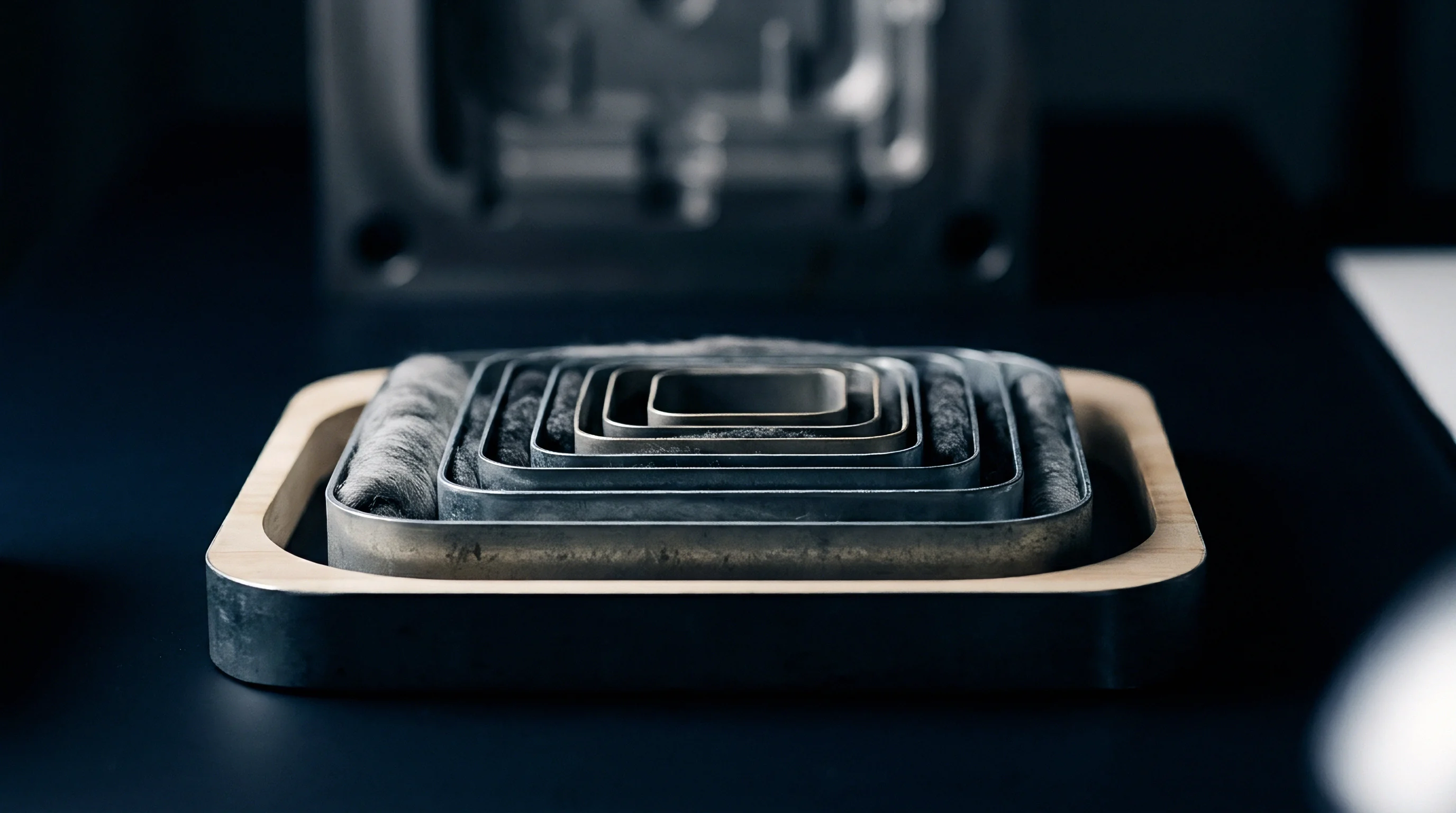
Laboratory Soxhlet circulation loops isolate lipophilic and hydrophilic compounds from raw fibers. Selecting an organic extraction fluid requires balancing solvent power against polymer safety. The extraction fluid must dissolve target processing aids, waxes, and lubricants without attacking or swelling the underlying synthetic or natural fiber matrix.
Standard methodologies specified in ASTM D2257 and ISO 3074 identify specific solvent reagents matched to fiber families. Historical use of 1,1,1-trichloroethane and carbon tetrachloride shifted toward dichloromethane, petroleum ether, and cyclohexane due to environmental regulations and ozone-depletion restrictions under the Montreal Protocol. Each solvent exhibits a distinct boiling point, polarity index, and extraction efficacy profile that determines reflux timing and extraction efficiency.
Extraction Medium Selection Dynamics
Choosing between polar and non-polar fluids determines which target residues wash out of the fibrous substrate. Non-polar solvents such as petroleum ether or hexane dissolve neutral triglycerides, mineral oils, and paraffin waxes. Moderately polar solvents like dichloromethane extract synthetic spin finishes, antistatic agents, and silicone lubricants that resist non-polar hydrocarbons.
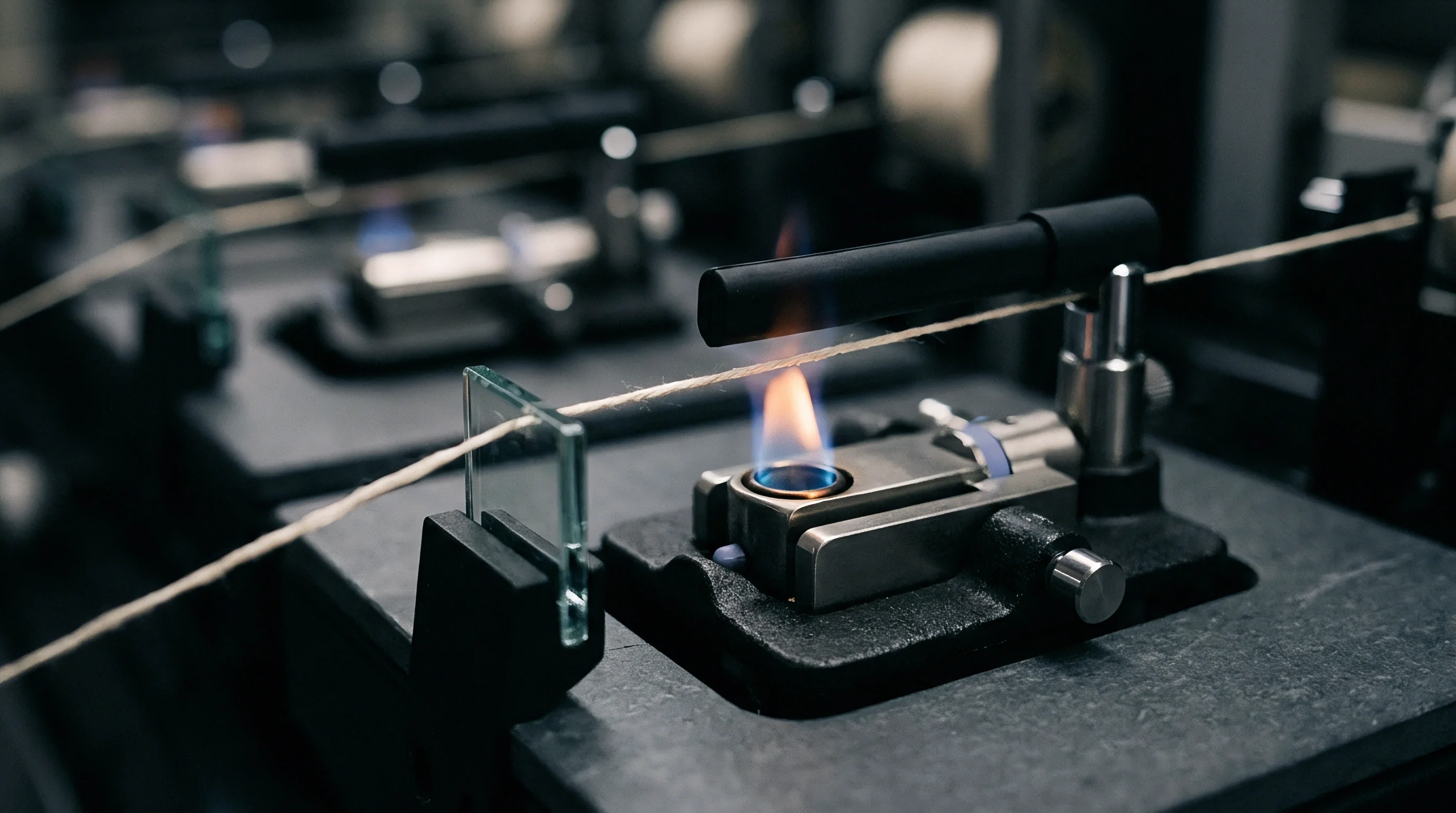
When selecting extraction fluids, laboratory technicians match solvent boiling points to the thermal stability of the fiber matrix. Low-boiling solvents like dichloromethane, which boils at 39.6 degrees Celsius, minimize the risk of thermal degradation during extended reflux cycles. High-boiling solvents require elevated heating mantle temperatures, which can induce thermal degradation or cross-linking in heat-sensitive fibers such as polypropylene or elastane.
Table 1 summarizes standard laboratory solvents, their physical properties, and their target extraction compounds.
| Solvent Reagent | Boiling Point Degrees C | Target Extraction Compounds | Primary Standard Alignment |
|---|---|---|---|
| Dichloromethane DCM | 39.6 | Synthetic spin finishes, silicone oils, antistatic agents | ISO 3074, ASTM D2257 |
| Petroleum Ether 40 to 60 fraction | 40.0 to 60.0 | Paraffin waxes, mineral oils, neutral fats | ISO 1833-1, AATCC 20A |
| Cyclohexane | 80.7 | Hydrocarbon lubricants, natural fiber fats | DIN 54278 |
| Ethanol Water Mixture 85 to 15 ratio | 78.3 | Water-soluble sizing agents, polyacrylates, soaps | ISO 105-F10 |

Which Extraction Fluid Separates Synthetic Finishes without Polymer Dissolution?
Dichloromethane clears low-molecular-weight oligomers and hydrophobic oils from polyester yarns within four hours of continuous Soxhlet reflux. However, acrylic and acetate fibers swell or partially dissolve when exposed to chlorinated solvents at elevated temperatures. For acrylic and acetate substrates, petroleum ether serves as the preferred extraction fluid, operating at lower temperatures to preserve fiber structure while clearing surface waxes.
Reflux rate control maintains consistent extraction kinetics throughout the test duration. Technicians set heating mantles to achieve a minimum of 10 to 15 siphon cycles per hour inside the Soxhlet extraction chamber. Insufficient cycle counts leave residual finishes inside dense yarn bundles, leading to underreported non-fibrous mass fractions.
Standard laboratory procedures enforce solvent selection guidelines based on target fiber families.
- Dichloromethane protocol applies to polyester, polyamide, cotton, and wool fibers where low boiling point reflux removes synthetic lubricants without polymer loss.
- Petroleum ether protocol applies to heat-sensitive and solvent-sensitive polymers including acetate, triacetate, acrylic, and polyolefin fibers.
- Aqueous alcohol extraction protocol follows organic solvent steps when water-soluble sizing agents and inorganic salts co-exist with oily processing aids.
A solvent that leaves the specimen discolored or alters polymer tensile strength indicates thermal or chemical degradation rather than clean non-fibrous extraction.
Desiccation
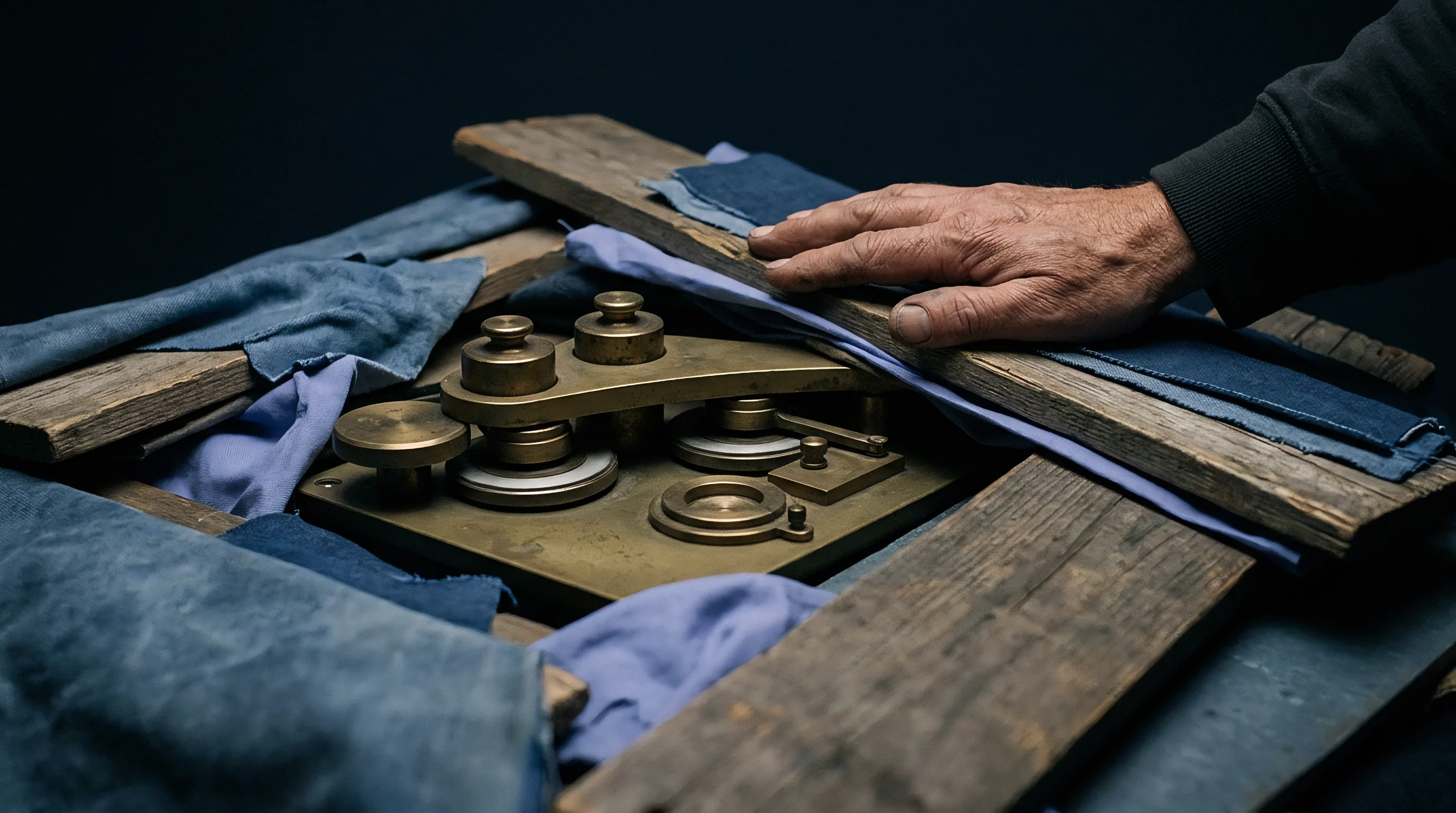
Oven drying protocols drive off absorbed moisture until sample weight reaches stability. Achieving true bone-dry mass demands strict adherence to forced-draft oven conditioning, temperature regulation, and rapid transfer to airtight desiccation vessels.
Standard forced-draft ventilated ovens conforming to ISO 5089 and ASTM D1576 maintain continuous airflow at 105 degrees Celsius plus or minus 2 degrees Celsius. At this temperature, uncombined water evaporates from natural and synthetic polymers without thermally degrading the underlying polymer chains. Humidity inside the drying chamber stays near zero due to constant intake of pre-dried ambient air.

Constant Mass Protocols in Forced-Draft Ovens
Thermal exposure at 105 degrees Celsius evaporates bound water without volatilizing thermal-sensitive polymers. Achieving true constant mass requires successive weighings at specific drying intervals until mass changes drop below prescribed thresholds. ISO 1833-1 defines constant mass as the point where two consecutive weighings, taken after an additional 30 minutes of drying, differ by less than 0.1 percent of total sample mass.
- Place the solvent-extracted fiber specimen into a clean, pre-weighed glass weighing bottle with its cover off.
- Position the bottle inside the forced-draft ventilated oven set to 105 degrees Celsius for an initial drying period of 120 minutes.
- Seal the weighing bottle inside the oven chamber immediately before transfer to prevent room moisture intake.
- Transfer the sealed weighing bottle into a glass desiccator charged with freshly activated silica gel or phosphorus pentoxide.
- Cool the closed specimen container inside the desiccator for exactly 30 minutes to achieve thermal equilibrium with ambient room temperature before weighing on an analytical balance.

Weighing Bottle Transfer and Cooling Dynamics
Transferring hot ceramic or glass containers into sealed glass chambers preserves dry integrity. As the air inside a sealed weighing bottle cools from 105 degrees Celsius down to 20 degrees Celsius, air pressure inside the vessel drops, creating a partial vacuum that draws ambient air inside when opened on the balance pan. Dry fiber absorbs ambient moisture fast.
Under ASTM D2257 guidelines, omitting the secondary desiccation step causes ambient moisture re-absorption that inflates dry specimen weight and underreports total extractable content.
Desiccants exhaust quickly under ambient air exposure. Silica gel indicators turn from blue to pink or deep orange to green as water saturation occurs. Laboratory protocols dictate replacing or re-activating desiccants in shallow ovens at 150 degrees Celsius whenever top desiccant layers shift color.
Measured weight loss during heating can reflect either volatile fiber emissions or excessive paraffin lubricant application.


Correction
Commercial trade rules mandate adding back standard moisture percentages to clean, bone-dry fiber weights. Raw fiber trade contracts execute transactions based on commercial mass rather than pure bone-dry mass. Commercial mass equals clean dry fiber weight combined with standardized official moisture regain allowances defined by international standards organizations.
The mathematical transition from solvent-extracted bone-dry mass to billable commercial weight prevents commercial disputes over shipping moisture variances. Standard regain values set by ISO 2260 and ASTM D1909 reflect normal moisture absorption levels of clean fibers stored under standard atmospheric conditions of 20 degrees Celsius and 65 percent relative humidity. Table 2 details standard commercial regain allowances and non-fibrous extraction limits across core industrial fibers.
| Fiber Type | Commercial Regain Allowance % | Standard Extractable Allowance % | Governing Standard | |
|---|---|---|---|---|
| Cotton Carded | 8.50 | 1.50 | ASTM D1909, ISO 2260 | |
| Wool Scoured | 17.00 | 1.25 | IWTO-19, ASTM D1576 | |
| Viscose Rayon | 13.00 | 0.75 | ISO 1833-1 | |
| Polyamide 6.6 Nylon | 5.75 | 0.50 | ASTM D1909 | |
| Polyester PET | 0.40 | 0.40 | ISO 2260 |
Standard Moisture Regain Factors
Textile trade bodies assign fixed moisture percentages to clean fiber classes under standard laboratory testing conditions. Pure dry mass anchors invoice calculations. Standard regain tables restore commercial weight.
When calculating payable lot weight, technicians apply official regain percentages strictly to the clean, solvent-extracted dry mass rather than gross delivered mass.
Omitting solvent extraction before applying commercial regain factors multiplies the financial error. Unextracted spin finish weight gets multiplied by the regain percentage, leading to over-billing on commercial invoices. Standardized mathematical routines eliminate these compounding errors.
Non Extractable Allowance Integrations
Certain internal fiber components, such as natural cotton waxes, resist standard solvent reflux cycles. In contrast, heavy industrial spin finishes wash out entirely during dichloromethane reflux. Laboratory calculations apply adjustment factors when non-fibrous residue extraction approaches structural polymer limits.
Clean bone-dry mass provides the only stable baseline for applying commercial moisture regain across cross-border textile transactions.
Mathematical derivation of clean commercial mass follows precise formulas. The formula calculates commercial mass by taking dry clean extracted mass and multiplying it by one hundred plus the standard commercial regain percentage, divided by one hundred. Errors in mass calculation stem from specific analytical oversights.
- Unextracted residue retention occurs when solvent reflux timing falls short of minimum cycle requirements, leaving oily finish on the fiber matrix.
- Incomplete thermal drying happens when forced-draft oven temperatures drop below 103 degrees Celsius or drying duration is truncated.
- Moisture re-absorption during weighing arises from delayed transfer between desiccators and analytical balance chambers.
Incorporating standard commercial regain clauses under ISO 1833-1 mandates calculating commercial weight strictly from solvent-extracted bone-dry mass, stripping unverified finish weights from the payable shipment total.

Reconciliation
Landed container settlements depend directly on verified dry weights adjusted for commercial allowances. When cross-border shipments arrive at receiving warehouses, commercial invoice reconciliation compares manifest gross weights against laboratory test certificates derived from representative lot samples.
To demonstrate commercial adjustments, consider a 20,000 kilogram container lot of raw carded cotton yarn invoiced at gross delivered weight. Contractual specifications stipulate a maximum allowable non-fibrous extractable content of 1.20 percent and an official commercial moisture regain of 8.50 percent. Laboratory extraction testing on lot swatches yields the batch verification data shown in Table 3.
| Lot Parameter | Invoiced Basis | Laboratory Verified Basis | Variance / Adjustment |
|---|---|---|---|
| Gross Delivered Mass | 20,000.0 kg | 20,000.0 kg | 0.0 kg |
| Moisture Content as Received | 8.50% assumed | 9.20% measured | +0.70% excess water |
| Solvent Extractable Finish Mass | 1.20% contractual limit | 2.45% extracted | +1.25% excess finish |
| Clean Bone Dry Fiber Mass | 18,060.0 kg expected | 17,670.0 kg verified | -390.0 kg clean fiber shortfall |
| Billable Commercial Mass | 19,595.1 kg contract target | 19,171.9 kg adjusted yield | -423.2 kg invoice deduction |
Worked Settlement Variance Calculation
A shipment invoiced at gross weight undergoes bench evaluation to determine payable clean fiber content. Taking the 20,000.0 kilogram gross lot weight, laboratory testing measures a total oven-drying loss of 9.20 percent moisture and a dichloromethane extractable non-fibrous mass of 2.45 percent. The clean bone-dry fiber mass calculates to 17,670.0 kilograms.
Applying the official 8.50 percent cotton moisture regain to this clean dry baseline yields a verified billable commercial mass of 19,171.9 kilograms.
Commercial yarn buyers deduct the full percentage of solvent-extracted oils directly from the total billable gross weight of the container.
The contract specification allowed 1.20 percent finish and 8.50 percent regain, yielding an expected commercial mass of 19,595.1 kilograms. The laboratory verification reveals a net billable shortfall of 423.2 kilograms. At a commercial contract yarn price of 4.50 United States dollars per kilogram, this single non-fibrous extraction test generates an invoice credit deduction of 1,904.40 dollars against the mill invoice.
Contractual Tolerances and Price Adjustment Mechanisms
Commercial purchase orders specify allowable limits for extractable finish content before penalty deductions apply. Master supply agreements mandate that non-fibrous extractions exceeding agreed thresholds trigger automated financial write-downs on open invoices. Disputed extraction results require secondary retain-sample testing at neutral accredited third-party laboratories using identical Soxhlet extraction protocols.
The verified clean dry fiber mass forms the sole defensible baseline for final commercial adjustments, closing out the container file without residual liability for either trade party.