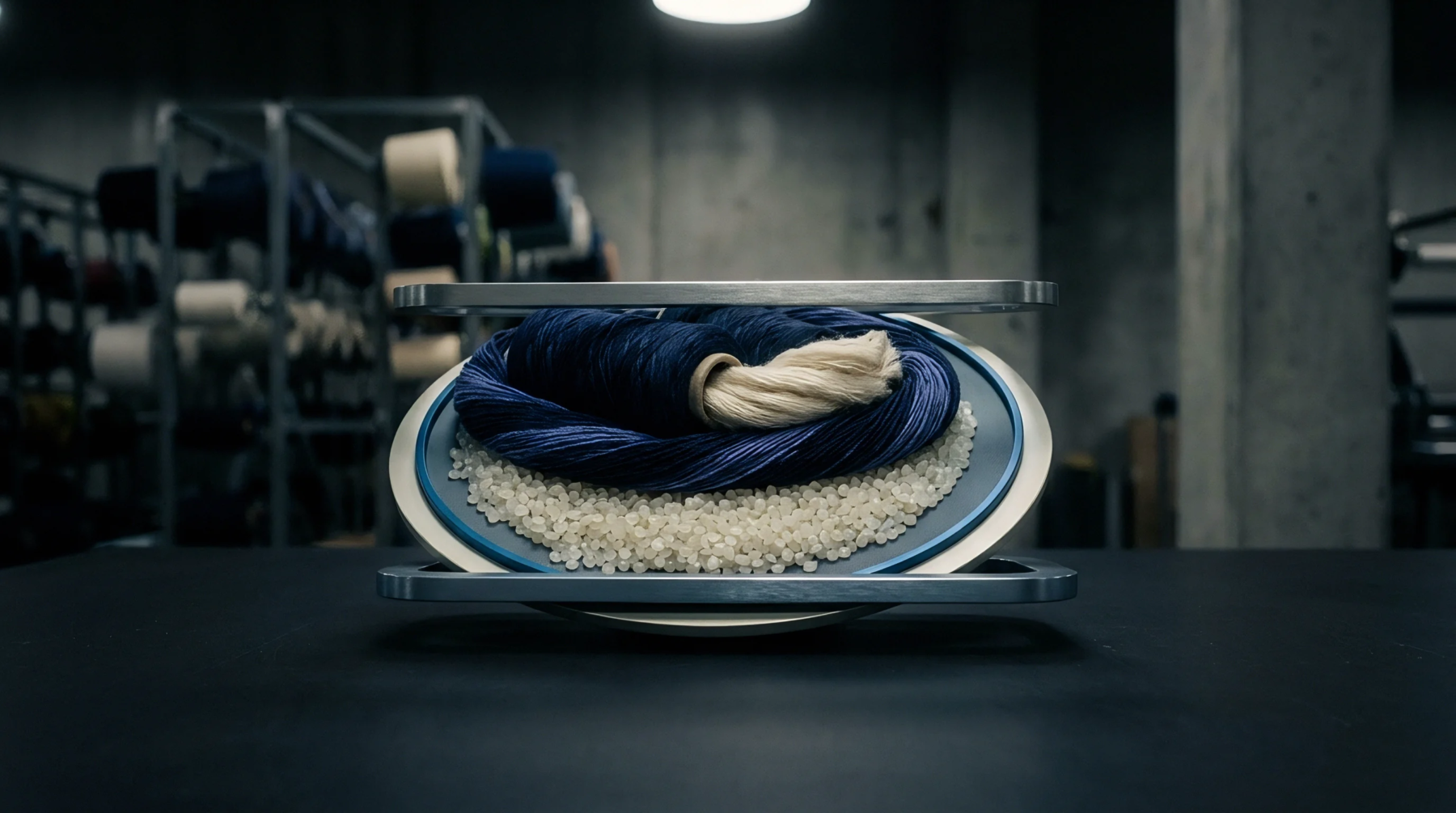
Quantitative Pretreatment Protocols for Removing Modern Synthetic Spin Finishes
Quantitative spin finish removal demands targeted binary solvent extraction to prevent gravimetric error in customs fibre composition analysis.
Quantitative spin finish removal demands targeted binary solvent extraction to prevent gravimetric error in customs fibre composition analysis.

Solvent extraction removes non-fibrous sizing and oils before applying statutory moisture regains to clean dry fibre masses for tariff classification.

Solvent extraction isolates spin finishes and waxes from spun yarns, preventing excess processing aids from inflating commercial mass and landed duty costs.

True dry fiber mass requires quantitative solvent extraction of non-fibrous processing aids prior to forced-draft oven drying to constant weight.

Standardizing solvent extraction for recovered staple yarn matches solvent polarity to finish chemistries, isolating non-fibrous mass without core polymer damage.
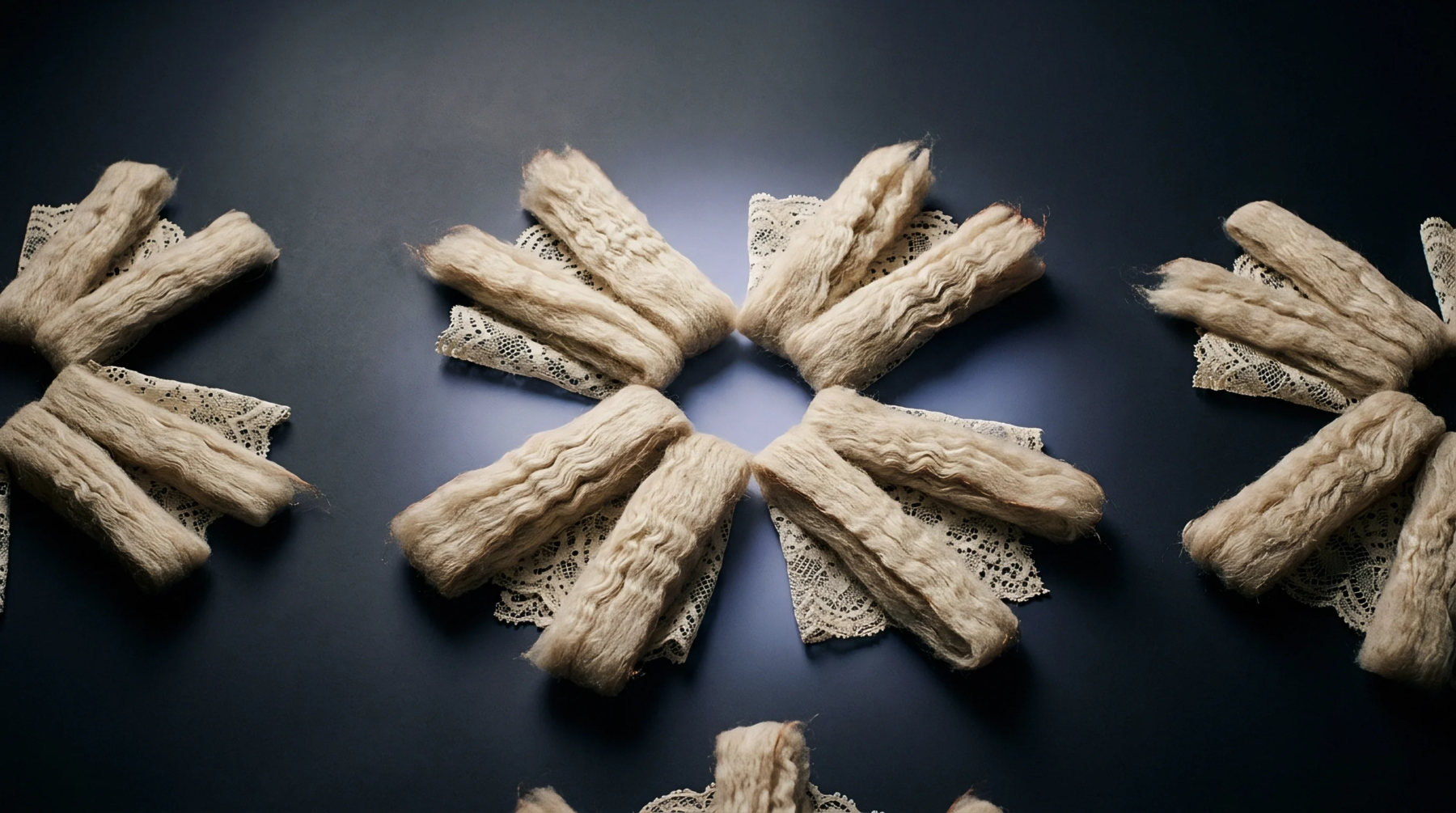
Quantitative chemical dissolution corrections require applying d-factors and official commercial regain values to establish true dry fiber composition for invoice settlement.

Pre-extract spin finishes with petroleum ether and apply accurate d-value corrections to ensure precise cotton-viscose gravimetric separation and tariff compliance.

Unextracted spinning oils distort oven-dry fiber mass ratios, triggering false chief-weight customs reclassifications between cotton and viscose tariffs.

Solvent extraction adjustments correct non-fibrous loss and moisture regain to convert raw dry residual weights into accurate commercial mass for tariff settlement.
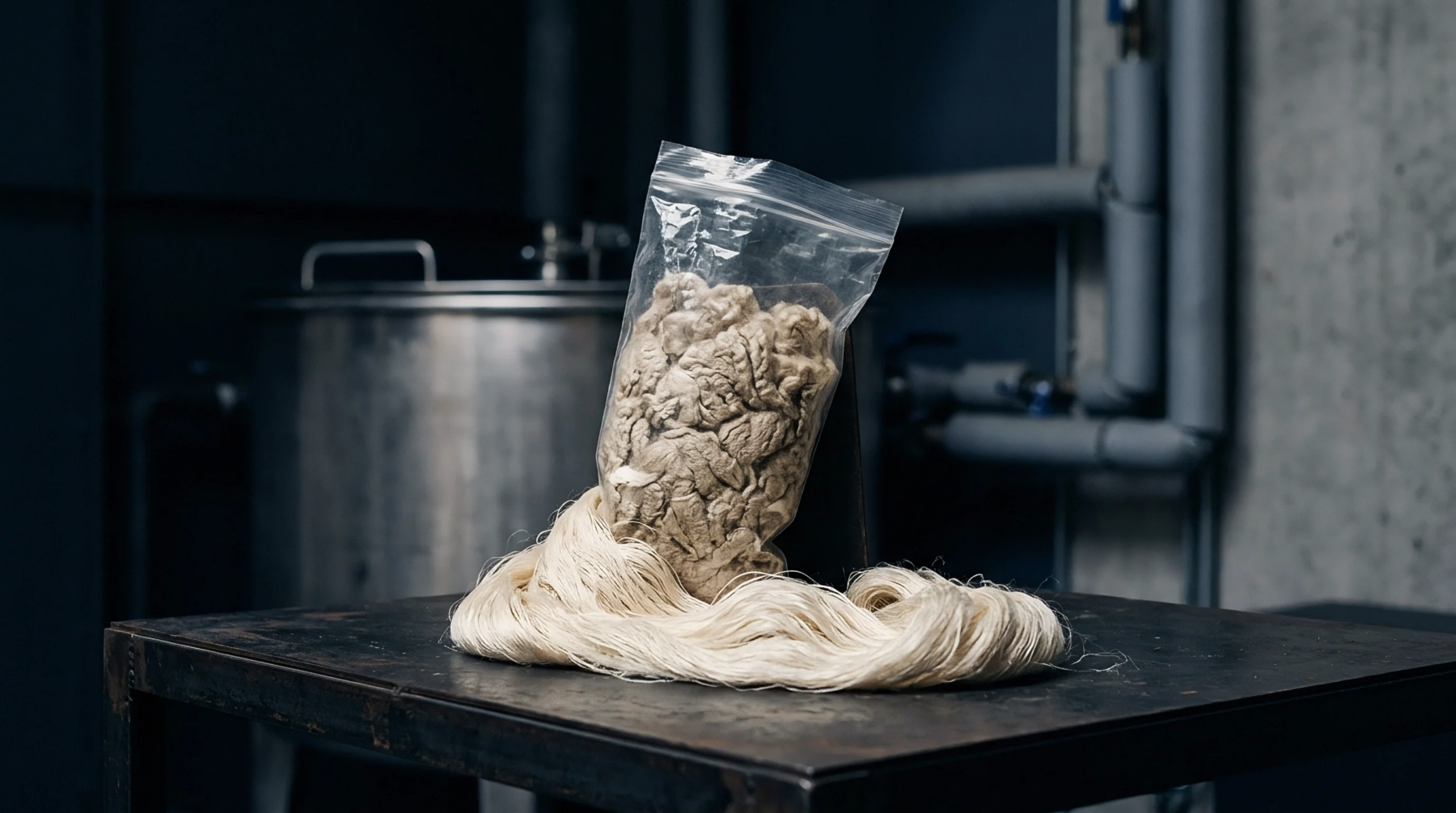
Commercial mass equals oven-dry mass multiplied by standard regain allowances, establishing an immutable billable weight independent of transit moisture shifts.
Expertise is a utility, not a secret. sentiention™ publishes its working knowledge as open reference: intelligence layer covering the materials it sources, the markets it enters, and the reference that serves both.