Adhesive Barrier
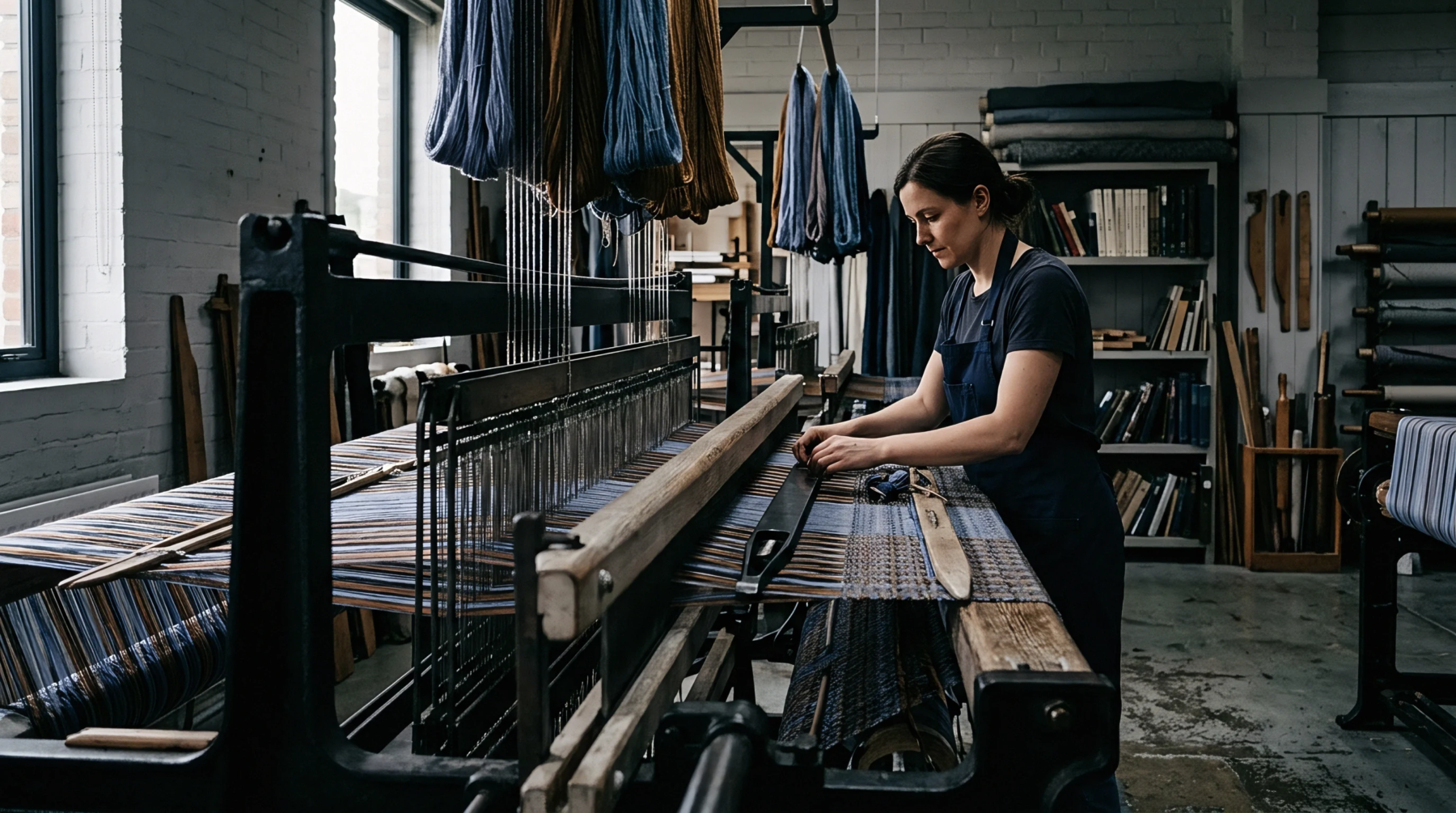
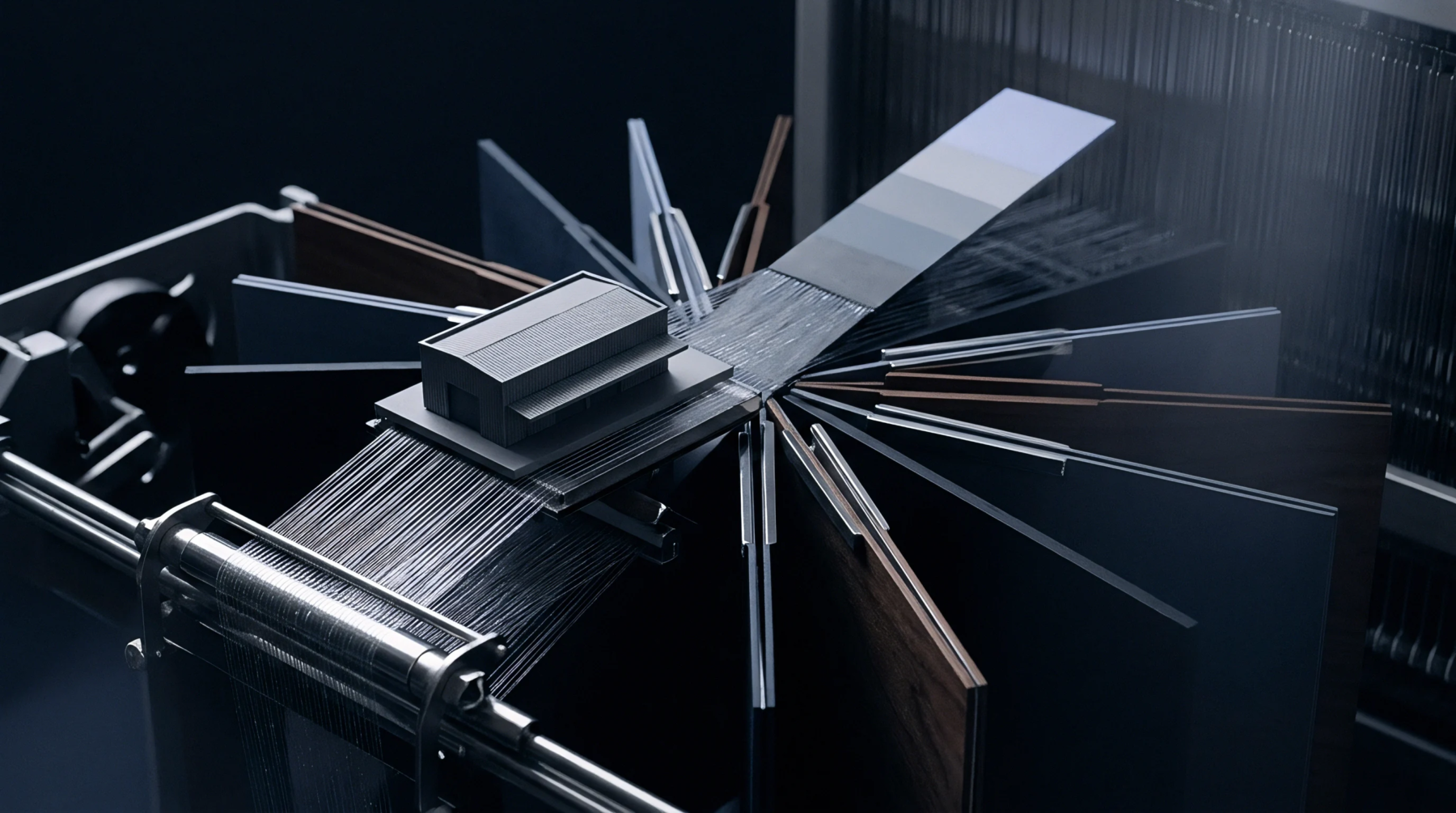
Water-soluble polymers provide temporary structural support to warp yarns during the weaving process. The application of polyvinyl alcohol creates a tough film that protects the yarn from the intense friction and tension of the loom. Because it is highly soluble in hot water, it can be easily removed during the desizing stage before dyeing.
Desizing Process
Efficiency in the wash-off phase is vital to prevent subsequent processing defects. If residual polyvinyl alcohol remains on the fabric, it acts as a barrier that prevents dyes and finishes from penetrating the fibers. Mills must monitor the temperature and surfactant concentration in the desizing bath to ensure complete removal.
Environmental Load
High biological oxygen demand in the wastewater is a result of large quantities of this polymer being washed away. Many modern facilities use recovery systems to capture and reuse polyvinyl alcohol from the effluent. This reduces both the chemical costs for the mill and the burden on the local water treatment plant.
Film Performance
Strength and flexibility of the coating are adjusted by changing the degree of polymerization. Selecting the correct grade of polyvinyl alcohol ensures that the warp yarns survive the mechanical stress of high-speed weaving.