Restricted Chemical Screening Protocols for Unfinished Woven and Knitted Substrates
Unfinished woven and knitted substrates carry sizing biocides, needle oils, and surfactants that require selective solvent extraction to prevent border seizures.

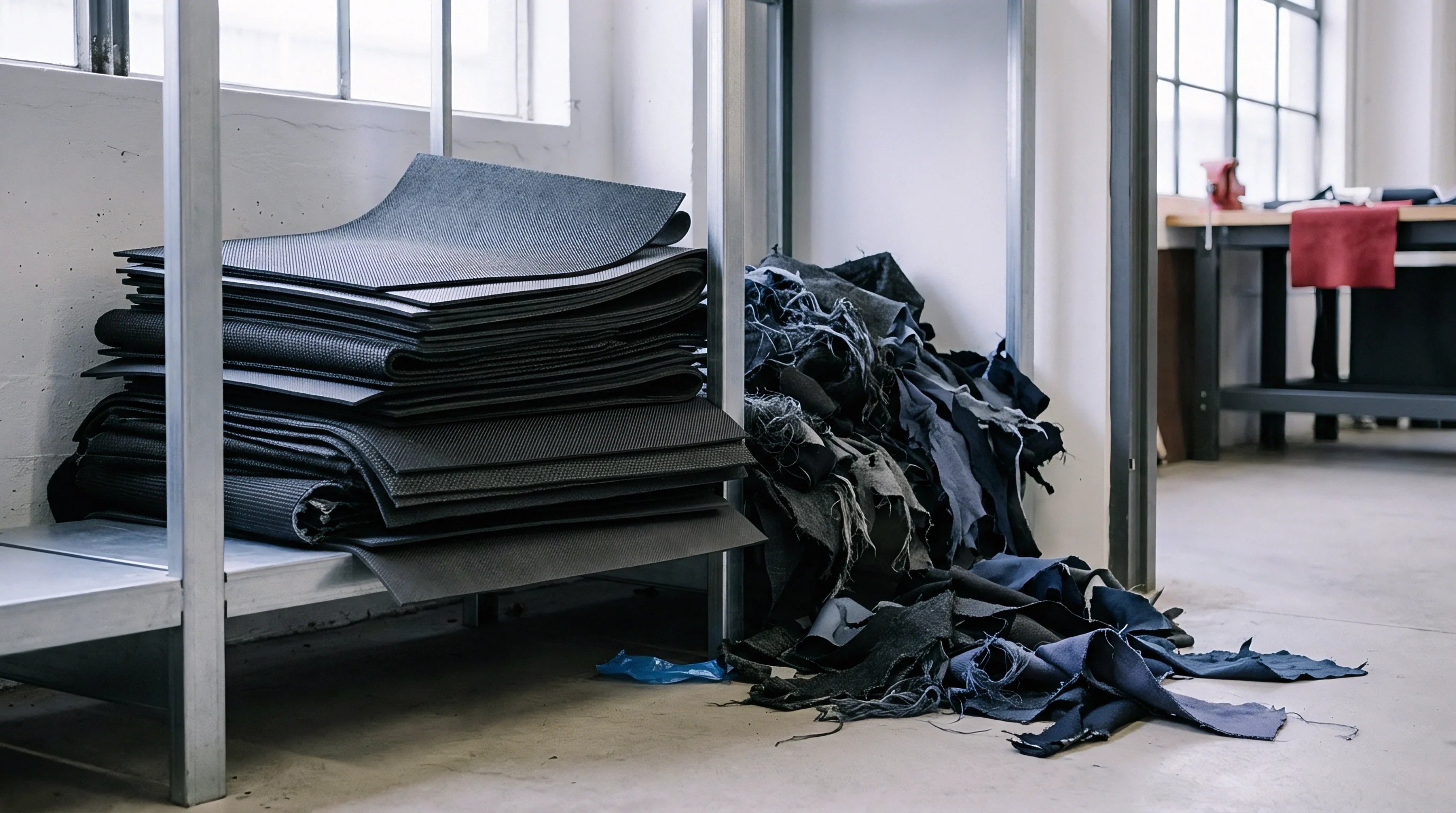
Bale
Raw loom-state wovens and un-scoured circular knits arrive at downstream conversion facilities carrying chemical loads applied during agricultural growth, fiber spinning, yarn winding, and mechanical substrate formation. Commercial transactions frequently treat these unprocessed textiles as chemically inert raw materials pending final wet processing. Analytical screening of raw inventory demonstrates that sizing compounds, needle lubricants, anti-static preparations, and agricultural biocide residues remain physically trapped within the fibrous matrix.
Downstream scouring, bleaching, and washing operations do not eliminate recalcitrant synthetic chemistries. They disperse a fraction of the initial mass into industrial effluent while leaving concentrated residues fixed upon the finished goods.
Greige yarns carry processing auxiliaries. Sizing preparations applied to warp yarns prior to weaving incorporate modified starches, polyvinyl alcohol, polyacrylates, carboxymethyl cellulose, and tallow-derived softening fats. Starch slurries spoil rapidly without biocides.
Unregulated sizing formulas utilize pentachlorophenol, tetrachlorophenol isomers, and 2-phenylphenol to prevent fungal bloom during ocean transit or humid monsoon storage. Knitting operations present a parallel chemical risk through needle oils and cone-winding lubricants formulated with low-viscosity mineral oils, synthetic paraffins, and emulsifiers.
Cotton yarn bundles tested at twelve percent moisture regain release up to eighty milligrams per kilogram of extractable sizing starches containing halogenated preservatives.
Nonylphenol ethoxylates and octylphenol ethoxylates serve as cost-effective non-ionic surfactants within scouring aids and knitting needle formulations. The raw substrate enters the facility holding these surfactants in an unreacted, adsorbed state across the filament surface. Subsequent dry heat during heat-setting or thermo-fixation drives volatile organics into the core of synthetic filaments, transforming surface contamination into permanent matrix entrapment.

Greige Substrate Contamination Vectors
Unprocessed goods accumulate hazardous chemistries through two distinct pathways: deliberate process additions during yarn preparation and environmental migration during logistics. Processing aids applied in spinning mills include lubricants, antistatic agents, and cohesion promoters. In synthetic knit production, circular knitting machines consume substantial volumes of continuous-loss needle oils.
Poorly refined mineral oil bases introduce polycyclic aromatic hydrocarbons directly onto virgin polyester, polyamide, and elastane loops. Machine lubricants introduce persistent aromatics.
Agricultural fiber production adds a separate chemical register to raw natural substrates. Seed cotton absorbs organochlorine pesticides, synthetic pyrethroids, and defoliants such as thidiazuron from agricultural soils. These stable chlorinated rings resist biological degradation and bind tenaciously to unrefined cotton waxes.
Ginning and mechanical opening concentrate these compounds within the short lint and trash fragments held between warp and weft yarns.

Agricultural and Spinning Chemical Additions
Processing mills apply synthetic sizing polymers alongside natural starch binders to enhance warp tensile strength on high-speed air-jet looms. Synthetic sizing formulas depend upon acrylic acid copolymers and vinyl acetate mixtures that contain unreacted residual monomers, including ethyl acrylate and methyl methacrylate. Formulators incorporate humectants and plasticizers like dibutyl phthalate and diisobutyl phthalate to prevent warp brittleness in dry weaving sheds.
Raw wool substrates introduce ectoparasiticides into the testing profile. Veterinary treatments applied to sheep flocks leave high residues of organophosphates, synthetic pyrethroids, and insect growth regulators inside raw fleece grease. Scouring plants that perform incomplete grease extraction pass wool tops forward with residual concentrations of diazinon, propetamphos, and cypermethrin that exceed international ecological limits before any dyeing step occurs.
- Yarn Sizing Formulations deposit starch binders, acrylic polymers, and phenolic preservatives directly onto raw warp yarns, establishing baseline chemical loads before substrate formation begins.
- Circular Knitting Lubricants saturate raw yarn loops with unrefined mineral oils and alkylphenol ethoxylate emulsifiers, driving non-target aromatic hydrocarbons deep into synthetic filaments.
- Agricultural Pest Treatments contribute chlorinated rings and organophosphates to raw seed cotton and raw wool clips, creating persistent matrix contamination that survives dry mechanical cleaning.
- Storage Biocide Applications introduce chlorinated phenols and dimethyl fumarate inside shipping containers, causing widespread volatile migration across exposed peripheral layers of coiled textile rolls.
Mills frequently claim that raw substrate chemistry remains irrelevant to brand compliance because subsequent dyehouse preparation baths wash away every spinning lubricant and sizing compound before cut-and-sew operations begin.

Solvent
Targeted analytical determination of restricted residues within unfinished substrates demands aggressive extraction techniques. Standard tests designed for finished apparel routinely fail when executed against raw greige goods. Greige starches, knitting waxes, and raw natural pectins encapsulate target analytes, shielding them from mild aqueous or low-polarity alcoholic extractions.
Accurate quantitation requires multi-stage selective solvent extraction tailored to dissolve the protective carrier matrix without degrading labile target compounds.
Solvent choice dictates extraction efficiency. Extracting alkylphenol ethoxylates from raw circular knits demands methanol or acetonitrile extraction under sonication or accelerated solvent extraction conditions at elevated pressures. Non-polar paraffinic needle oils require non-polar extractants such as dichloromethane or n-hexane to strip the mineral grease, followed by solid-phase extraction clean-up to isolate polycyclic aromatic hydrocarbons prior to gas chromatography analysis.
Methanol recovers polar surfactant residues.
A solvent system matched only to finished yardage leaves bound knitting lubricants unextracted in raw greige goods.
Analytical laboratories running routine screening protocols for restricted substances lists often treat raw greige submissions identically to finished garment swatches. Direct extraction with water or artificial acidic sweat isolates only surface-accessible ions. Heavy metal catalysts, organotin stabilisers, and chlorinated phenolic biocides trapped beneath synthetic sizing films escape quantitation entirely under non-destructive extraction conditions, producing false negative screening results that dissolve under commercial scrutiny.

Which Chemical Classes Escape Upstream Quality Audits?
Screening protocols structured around finished garments miss several chemical groups present in unfinished substrates. Alkylphenol ethoxylates survive in raw knit structures because wet-processing facilities assume upstream spinning facilities utilize compliant ethoxylated alcohol scouring agents. Polycyclic aromatic hydrocarbons carried in reclaimed mechanical oils stay hidden until high-temperature gas chromatography mass spectrometry targets specific ring systems.
Glyphosate and aminomethylphosphonic acid residues within raw cotton goods evade standard gas chromatography screening entirely. These agricultural polar compounds demand dedicated water extraction followed by derivatization with 9-fluorenylmethyl chloroformate before liquid chromatography tandem mass spectrometry detection. Testing facilities skipping this step generate passing compliance files for cotton containing prohibited agricultural chemical residues.
- Direct Methanol Extraction fails to penetrate hardened polyvinyl alcohol sizing films, leaving synthetic biocides trapped against inner cotton fibers.
- Aqueous Leaching Methods recover surface salts while leaving hydrophobic needle oil contaminants completely unmeasured inside raw synthetic knit loops.
- Single-Column Chromatographic Runs suffer from severe signal suppression caused by raw natural fats and cotton wax eluting alongside target pesticide fractions.
- Standard Derivatization Suites degrade labile organophosphorus insecticides, converting parent compounds into unmonitored degradation products that pass detection software gates.

Chromatographic Extraction and Detection Suites
Instrument configurations must balance matrix degradation against analyte recovery. High-resolution gas chromatography coupled to triple quadrupole mass spectrometry provides the necessary selectivity to resolve picogram-level pesticide residues from the background noise created by natural plant sterols. Liquid chromatography tandem mass spectrometry operating in multiple reaction monitoring mode isolates alkylphenol polyethoxylates with varying ethoxy chain lengths, quantifying discrete surfactant oligomers across the raw substrate extract.
Total digestion methods characterize mineral and catalyst burdens. Inductively coupled plasma mass spectrometry requires microwave-assisted digestion using concentrated nitric acid and hydrogen peroxide to break down stubborn synthetic polymer matrices. This digestion quantifies residual antimony trioxide catalyst in raw polyethylene terephthalate filaments, alongside heavy metal contaminants picked up from unpurified well water during yarn sizing operations.
| Chemical Group | Target Analytes | Extraction Matrix & Solvent | Instrument Configuration | Detection Limit |
|---|---|---|---|---|
| Preservatives | PCP, TeCP, OPP | Potassium carbonate, n-hexane / acetic anhydride | GC-MS (EI Mode) | 0.05 mg/kg |
| Surfactants | NPEO (1-20), OPEO | Methanol, accelerated solvent extraction at 100°C | LC-MS/MS (ESI+) | 5.00 mg/kg |
| Lubricant Aromatics | EPA 16 Priority PAHs | Toluene, ultrasonic bath extraction at 60°C | GC-MS/MS | 0.10 mg/kg |
| Herbicide Residues | Glyphosate, AMPA | Aqueous ammonium bicarbonate with FMOC chloride | LC-MS/MS (ESI-) | 0.01 mg/kg |
| Catalysts & Metals | Antimony, Lead, Cadmium | Nitric acid / hydrogen peroxide microwave bomb | ICP-MS | 0.10 mg/kg |
The operational dispute remains whether regulatory laboratories should quantify restricted substances against dry total substrate weight or calculate concentrations against stripped fibrous content after removing applied sizing compounds and knitting oils.


Threshold
Action limits defined by global restricted substance lists enforce stringent ppm boundaries that make no allowance for substrate production status. European Union REACH Regulation Annex XVII, entry 46a, restricts nonylphenol ethoxylates to a maximum concentration of one hundred milligrams per kilogram across washable textile goods. The regulation makes no exemption for raw un-scoured knits imported for dyeing and garment assembly.
An importer bringing greige knit structures into the European market assumes full regulatory liability for exceeding restricted concentrations at the moment the shipping container lands on European territory.
Detection limits decline every calendar year. OEKO-TEX Standard 100 Product Class I limits for baby products cap total alkylphenols and alkylphenol ethoxylates at ten milligrams per kilogram. Product Class II limits for items with direct skin contact establish the ceiling at one hundred milligrams per kilogram.
A raw cotton knit carrying two hundred milligrams per kilogram of needle oil emulsifiers violates every commercial standard, regardless of assertions that downstream scouring will lower residue numbers below laboratory reporting limits.
Article sixty-seven under REACH Annex XVII restricts nonylphenol ethoxylate concentrations above one hundred parts per million, triggering immediate rejection of raw knit rolls at European entry ports.
Zero Discharge of Hazardous Chemicals Manufacturing Restricted Substances List version 3.1 governs chemical inputs entering the mill gate, establishing formulation limit values rather than finished textile limits. Raw substrate buyers face a dangerous blind spot at the intersection of input lists and product restricted substance lists. A weaving mill may operate a chemical storehouse that meets input chemical guidelines, yet procure raw yarn spun using uncertified antistatic lubricants containing short-chain chlorinated paraffins exceeding fifty milligrams per kilogram.
Regulatory Maximum Limits across Product Classes
Consumer safety bodies inspect products based on intended point-of-sale configuration, but customs authorities and environmental agencies enforce restrictions upon the physical commodity presented at clearance. The European Union Persistent Organic Pollutants Regulation places an absolute limit of five milligrams per kilogram on short-chain chlorinated paraffins, which frequently serve as cheap secondary plasticizers in raw synthetic yarn sizing baths. Shipments carrying raw wovens containing chlorinated paraffin concentrations above this threshold face mandatory destruction orders.
United States Consumer Product Safety Improvement Act rules govern total lead content across products intended for children, capping lead at one hundred parts per million. Natural cotton substrates grown in industrial regions with contaminated irrigation water take up inorganic lead into the plant cell structure, presenting baseline lead concentrations between twenty and forty milligrams per kilogram in untreated raw fibers. When sizing formulators blend low-grade natural clays containing trace lead into sizing starches to reduce raw material expenditure, greige cloth breaches regulatory ceilings before weaving concludes.

Why Do Standard Scouring Procedures Fail Alkylphenols?
Standard industrial scouring baths rely on alkaline detergent washes at seventy to ninety degrees Celsius to emulsify and remove natural waxes and applied yarn lubricants. High-speed commercial continuous scouring ranges minimize water consumption and dwell time to maximize yardage output, exposing raw substrates to wash liquors for less than ninety seconds. Under these abbreviated cycle conditions, nonylphenol ethoxylate molecules detach from the fiber exterior and enter the liquid bath, establishing an equilibrium partition between the solution and the textile web.
Bound residues survive hot scouring baths. As water leaves the washing boxes, downstream squeeze rollers compress the wet web, forcing rinse liquor containing emulsified alkylphenols back into the core of the yarn bundle. Subsequent drying cans evaporate the water rapidly, re-depositing the surfactant onto the core fibers in concentrated rings.
An initial greige concentration of four hundred milligrams per kilogram often yields a finished substrate testing at one hundred and twenty milligrams per kilogram, violating brand restricted substance thresholds despite extensive wet processing.

Analytical Detection versus Actionable Quantitation
Laboratory documentation separates the method detection limit from the limit of quantitation and the regulatory actionable limit. When assessing raw substrates, analytical chemists face interference from natural fats, waxes, and sizing polymers that artificially raise the practical quantitation limit. For pesticide multi-residue screening via gas chromatography tandem mass spectrometry, a laboratory working with finished bleached cotton reports detection limits of 0.005 milligrams per kilogram.
The same analytical instrument measuring raw uncleaned cotton exhibits matrix suppression that forces the reporting limit up to 0.05 milligrams per kilogram.
The gap between detection limits and actionable thresholds complicates supply chain decisions. A test report indicating non-detected status with a reporting limit of 0.05 milligrams per kilogram does not establish zero chemical presence. It establishes that target analytes reside below the reporting instrument threshold.
When brands require confirmation that individual pesticides remain below 0.01 milligrams per kilogram, testing raw inventory through conventional commercial testing packages generates invalid compliance conclusions.
| Restricted Substance | REACH Annex XVII | OEKO-TEX Class I | ZDHC PRSL Limit | Standard Test Method |
|---|---|---|---|---|
| Nonylphenol / Octylphenol | 10 mg/kg | 10 mg/kg (Sum) | 10 mg/kg | ISO 18254-1 |
| Nonylphenol Ethoxylates | 100 mg/kg | 100 mg/kg (Sum) | 100 mg/kg | ISO 18254-1 |
| Pentachlorophenol (PCP) | 5 mg/kg | 0.05 mg/kg | 0.50 mg/kg | ISO 17070 |
| Short-Chain Chlorinated Paraffins | 10,000 mg/kg | 50 mg/kg | 50 mg/kg | ISO 18219-1 |
| Polycyclic Aromatic Hydrocarbons | 1 mg/kg (individual) | 0.2 mg/kg (individual) | 1.0 mg/kg (individual) | AFIRM / DIN 54231 |
| Total Extractable Lead | 500 mg/kg | 0.2 mg/kg | 1.0 mg/kg | EN 16711-2 |
| Values reflect active industrial limits as codified in European regulatory annexes, certification criteria catalogues, and zero discharge discharge lists. | ||||
A buyer who accepts unfinished inventory carrying nonylphenol ethoxylate concentrations above regulatory limits assumes direct liability for finished apparel failure, discovering after final garment manufacturing that industrial washing failed to clear the imported chemical burden.


Spool
Verifying raw substrate chemical compliance requires dedicated sampling protocols that account for spatial heterogeneity across coiled textile rolls. Chemical application across warp and weft yarns is never uniform. Sizing troughs exhibit thermal and concentration gradients from the center of the sizing roller to the outer flanges, depositing variable dry add-on percentages across the width of the warp sheet.
Circular knitting setups employ multiple individual yarn cones, each containing divergent lubricant levels based on winding machine tension and oil replenishment cycles.
Sampling topography across greige rolls dictates analytical validity. The outermost layer of a wound greige roll functions as a physical filter that absorbs environmental contaminants, vehicle exhaust, warehouse dust, and volatile plasticizers during material handling. An inspector cutting a test swatch from the first outer wrap tests environmental contamination rather than the baseline chemistry of the substrate.
Swatches excised from deep within the roll core demonstrate whether spinning and sizing chemistries comply with purchase specifications.
Warehouse ambient air deposits airborne phthalate plasticizers onto uncovered outer textile wraps within seventy-two hours of unbagging.
Composite sampling masks roll-to-roll variation. Testing laboratories often blend cut swatches from five distinct rolls into a single composite extraction to reduce analytical testing fees for commercial clients. When four rolls carry zero chlorinated phenols and the fifth roll contains five hundred milligrams per kilogram of pentachlorophenol applied during mold-prone weekend downtime, the composite sample dilutes the contaminant to one hundred milligrams per kilogram.
This arithmetic mask produces a passing result against a loose raw material specification, while twenty percent of the physical shipment carries catastrophic contamination levels that fail finished goods testing.

Sampling Topography across Greige Rolls
A reliable physical sampling routine strips away the exterior exposure zones before selecting analytical specimens. Technicians strip and discard the outer three full wraps of each selected roll to eliminate transit and storage artifacts. Outer wraps collect container fumigants.
The technician draws a full-width continuous specimen across the transverse axis, separating the strip into selvedge, quarter-point, and center sections to detect transverse sizing application differentials.
Roll selection must follow statistical lot-size formulas rather than convenience sampling from the front row of a warehouse rack. For a batch comprising two hundred woven rolls, standard acceptance sampling plans under ISO 2859-1 require an inspection level of General Level II, dictating a sample size of thirty-two individual rolls. Sampling fewer than five rolls leaves eighty percent of potential chemical application batches unexamined.

Core Composite Isolation and Chain Custody
Material chain of custody requires uncompromised physical handling to prevent cross-contamination during transit to the analytical testing laboratory. Polyethylene packaging bags contain slip agents like erucamide and phthalate plasticizers that transfer directly onto raw, solvent-free textile matrices. Technicians must seal raw samples inside certified clean polytetrafluoroethylene sheeting or chemical-free aluminum foil envelopes before secondary packing inside cardboard mailers.
Moisture control during sample transit is essential. Raw un-scoured natural substrates carry up to ten percent moisture regain along with high levels of active starch and organic nutrients. Samples packed inside airtight plastic bags in hot environments cultivate active mold blooms within forty-eight hours of collection.
Fungal colonies metabolize sizing starches, chemically degrading chlorinated phenolic biocides and skewing analytical recovery data away from the true baseline chemistry of the manufactured lot.
- Roll Outer Stripping removes the exterior three layers of coiled material, eliminating ambient phthalates, maritime fumigants, and warehouse particulates from the test matrix.
- Cross-Width Specimen Partitioning divides the transverse substrate cut into three distinct segments, identifying uneven sizing roller pressure or uneven spray nozzle lubricant delivery.
- Fluoropolymer Barrier Encapsulation isolates the excised substrate inside inert films, preventing low-molecular-weight plasticizers within commercial shipping bags from migrating into raw yarns.
- Cold Chain Sample Dispatch stabilizes moisture-laden greige swatches at four degrees Celsius during transit, stopping microbiological degradation of target biocides and natural waxes.
Reliable verification relies on pulling swatches from the innermost core wraps of randomly selected rolls rather than clipping accessible edges from palletized stock.


Seizure
Commercial fallout from restricted chemical non-compliance in raw substrates manifests through custom border detentions, brand recall actions, and disputed contractual chargebacks. National market surveillance authorities within the European Union execute random border screening tests under REACH Annex XVII enforcement mandates. Customs authorities hold textile containers at maritime entry points when analytical verification reports do not accompany customs declarations.
A single container detained for confirmatory testing incurs port storage fees, demurrage costs, and chassis fees that compound daily.
Border authorities impound unverified imports. Demurrage charges compound daily at dockside. When testing confirms the presence of nonylphenol ethoxylates exceeding one hundred milligrams per kilogram, customs officers issue immediate re-export or destruction notices.
The importer of record forfeits customs bonds, pays specialized hazardous waste incineration facilities to destroy the cargo, and faces mandatory notification listings on the European Safety Gate alert platform. Commercial risk shifts upon bill signature.
Clean invoices require defensible laboratory files. Converting raw cloth into finished inventory before completing comprehensive chemical screening shifts financial liability entirely onto the converter. If a wet-processing mill scours, dyes, and finishes fifty thousand meters of circular knit fabric only to discover that residual short-chain chlorinated paraffins from spinning oils fail finished product testing, the converter loses processing chemicals, labor, machine capacity, and raw material value simultaneously.

Customs Quarantine and Laboratory Retest Costs
Retesting detained cargo under quarantine conditions escalates administrative expenses. Commercial customs testing laboratories charge priority rush surcharges ranging from two hundred to five hundred percent over standard commercial catalog rates to deliver sixty-hour turnaround times. A comprehensive screening panel covering pesticides, alkylphenols, heavy metals, chlorinated biocides, and polycyclic aromatic hydrocarbons costs between eight hundred and fifteen hundred dollars per individual sample.
When authorities impound a multi-container consignment comprising sixty thousand kilograms of greige yarn or woven cloth, testing protocols require composite verification across multiple distinct production lots. Testing budgets escalate past twenty thousand dollars, while daily demurrage charges at major maritime gateways reach four hundred dollars per container per day. The financial loss generated by ten days of container detention frequently exceeds the entire gross margin of the underlying commercial transaction.

Purchase Order Warranty Construction
Protecting commercial operations against raw substrate chemical exposure demands precise contractual structuring within international purchase orders. Vague warranty clauses stating that goods must comply with environmental laws provide zero commercial protection during custom seizures. Purchase contracts must bind the greige yarn spinner and weaving mill to specific numeric limits, defined standard test methods, and explicit batch testing obligations prior to goods release from the manufacturing floor.
Contract terms must assign financial liability for detention, storage, and retesting to the raw material vendor when independent testing reveals non-compliant processing aids. Sourcing agreements must explicitly state that chemical compliance applies to the substrate in its delivered, un-scoured condition, closing the loophole where suppliers claim that downstream wet processing serves as the contractual remediation mechanism for upstream chemical non-compliance.
Standard purchase contract clause establishing vendor liability for uncleaned substrate chemistry:
The supplying mill guarantees that all raw, un-scoured, loom-state woven and greige knitted substrates delivered under this agreement contain less than ten milligrams per kilogram total alkylphenol ethoxylates under ISO 18254-1 and zero detectable pentachlorophenol isomers under ISO 17070, and agrees to indemnify the buyer for all freight, demurrage, re-testing, and disposal expenses arising from chemical non-conformity verified upon delivery.