Split Sample Counter Testing Protocols in Transatlantic Dyehouse Contract Disputes
Enforceable split sample protocols mandate nitrogen-sealed tripartite swatches, pre-agreed ISO 17025 test methods, and statistical reproducibility limits.
Swatch
Master rolls of dyed fabric vary considerably in physical and chemical properties across both length and width. When a transatlantic dispute arises over color fastness, shade matching, or restricted substance limits, the validity of counter-testing hinges entirely on how physical samples were taken from the shipment. Flawed sampling invalidates any subsequent laboratory assay, regardless of the instrument’s sophistication.
Contractual counter-testing therefore requires a documented chain of custody and precise spatial cutting on the mill floor so that tested swatches reflect the true baseline of the rejected lot.
Sampling errors during initial claim filings account for most conflicting lab results between North American buyers and European or Asian dyehouses. Pulling swatches from roll ends or selvedges without considering tension relaxation, residual chemical gradients, or oxidation produces misleading laboratory data. A reliable split sample protocol starts right on the cutting table, using physical containment steps to lock in the specimen state before cross-border shipping.
Sampling Geometry across Export Rolls
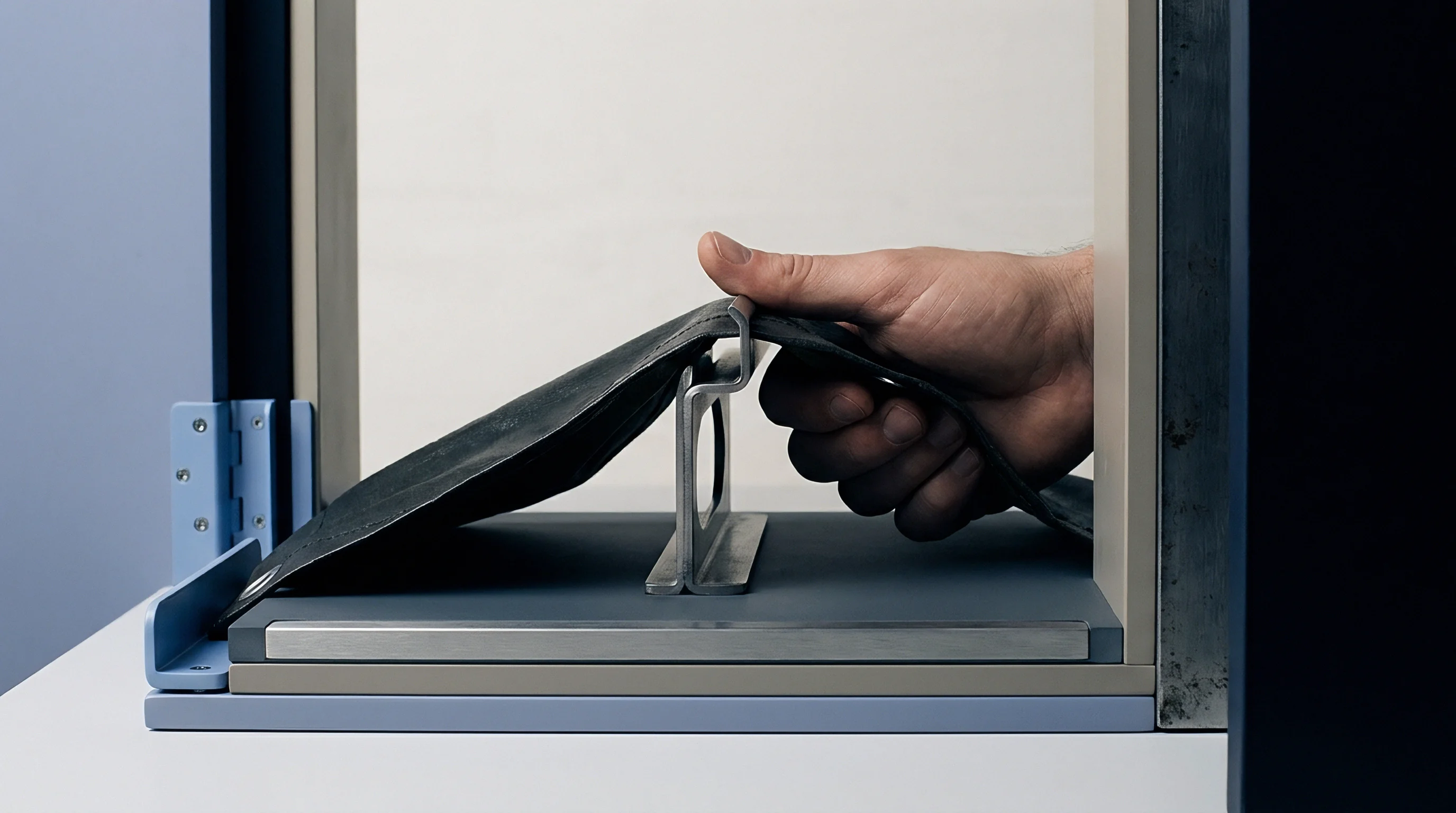
Dyehouse inspection benches show clear tension gradients between the selvedge and the centerline. When extracting specimens for formal dispute resolution, technicians cut a full-width strip across the usable width of the roll, discarding the outer three meters at the head or tail. This full-width strip is immediately divided into three equal transverse swatches covering the left selvedge zone, center lane, and right selvedge zone.
Each swatch must measure at least 300 mm by 300 mm to provide sufficient material for physical testing, chemical extraction, and reserve archiving.
On the cutting table, the outer three meters of a master bolt are always scrapped before swatch extraction. Tension dynamics during continuous dyeing and stenter drying drive chemical auxiliaries toward the roll edges. Auxiliaries like fluorinated stain repellents, formaldehyde-based resins, and residual surfactants concentrate near selvedges because evaporation rates vary across the drying width.
Consequently, a single swatch taken from a selvedge routinely shows higher chemical residue levels than one cut from the center. The split sample protocol therefore mandates that all three parties receive identical compound specimens combining swatches from left, center, and right zones.
Atmospheric Exposure and Matrix Degradation
Ambient relative humidity alters moisture regain in hydrophilic fibers within hours of unrolling a fabric bolt. Natural fibers like cotton and linen, alongside regenerated cellulosics, absorb or release atmospheric moisture depending on room conditions, skewing mass percentage calculations for restricted chemical residues. Exposure to ambient light and oxygen also triggers photo-oxidation of unstable aromatic amine compounds released from azo colorants, degrading target analytes before the sample ever reaches the gas chromatography-mass spectrometry injection port.
Uncontrolled ambient moisture rapidly compromises specimen integrity.
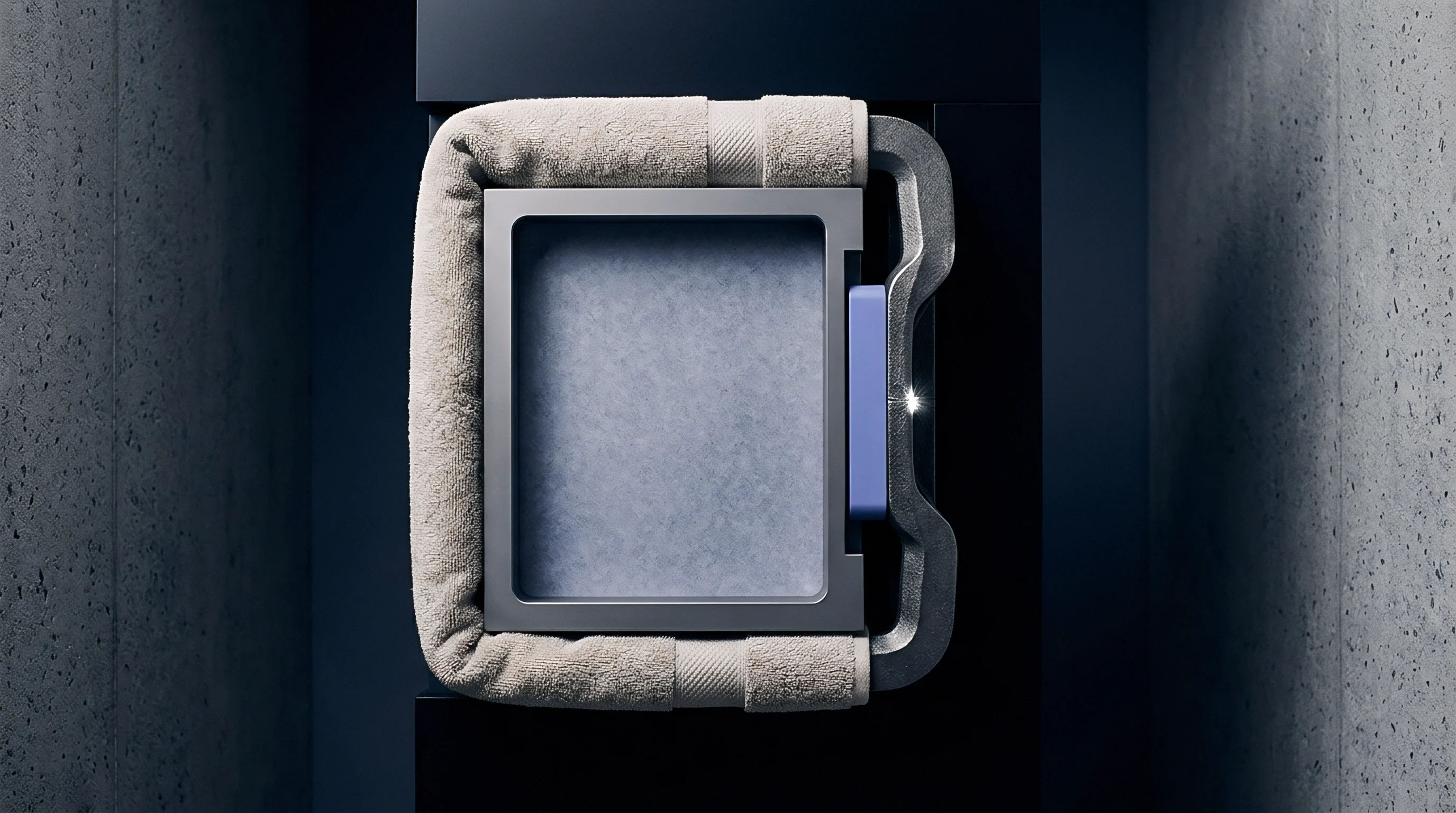
Volatile compounds such as residual carrier solvents, free formaldehyde, and unreacted monomers escape into the air if swatches sit exposed on laboratory benches. To halt volatilization and degradation, field technicians must seal swatches immediately in specialized gas-impermeable containers. This requires multi-layer aluminum laminated bags built with a polyester outer layer, aluminum barrier foil, and a polyethylene inner seal layer.
Purging the bag with dry nitrogen gas before heat sealing removes oxygen and moisture, locking in the chemical status for cross-border transit.
An oxygen concentration exceeding 0.5 percent inside sealed specimen bags accelerates the oxidation of residual aromatic amines during fourteen-day ocean transit.

Tripartite Packaging and Tamper Evidence
Securing specimens for transit demands physical barriers that prevent volatile compound loss. The counter-testing framework divides the master sample into three equal, statistically equivalent parts: part one stays with the buyer for domestic verification; part two goes to the seller or dyehouse for counter-testing; part three serves as the neutral referee sample, held in secure custody for binding arbitration if needed. All three packages must receive identical physical security markings to prevent sample substitution or tampering during transit.
Tamper-evident protocols call for high-tack security tape across the primary heat-sealed seam of the nitrogen-purged foil pouch. Technicians write the unique mill roll serial number, dye lot number, cutting timestamp, and authorized inspector signatures across the boundary between the tape and pouch surface using permanent solvent-based ink. Any attempt to unseal or peel the pouch ruptures the void-indicative adhesive layer, leaving a visible pattern that alerts receiving laboratories to potential sample compromise.
Failure modes during swatch isolation and sealing alter test outcomes significantly:
- Edge Migration Bias occurs when swatches are cut exclusively within 50 mm of the selvedge where stenter clip pressure and edge-gumming auxiliaries distort chemical concentration profile values.
- Moisture Gain Contamination happens when hydrophilic specimens absorb ambient humidity prior to sealing, artifically lowering calculated chemical mass fractions against dry fabric mass.
- Volatile Solvent Evaporation arises when specimens sit unsealed in open air, allowing free formaldehyde and residual chlorotoluenes to volatilize prior to extraction.
- Photo-Oxidative Cleavage develops when translucent plastic bags expose light-sensitive azo dyes to ultraviolet light, generating synthetic aromatic amine degradation products.
- Adhesive Cross-Contamination results from placing tape directly onto fabric swatches, transferring low-molecular-weight phthalates or acrylate monomers into the substrate matrix.
Atmospheric humidity during transit can elevate residual solvent readings before a laboratory unseals the package.
Reagent
Chemical compliance verification relies on exact analytical extraction procedures that vary across jurisdictions. Dispute resolution protocols often falter because transatlantic trading partners specify different standards for testing identical target chemicals. European regulations under REACH Annex XVII rely heavily on European Norm (EN) and ISO methods, whereas North American buyers frequently mandate AATCC, ASTM, or EPA extraction frameworks.
Differences in solvent selection, extraction temperature, mechanical agitation, and digestion duration yield divergent numerical results from identical fabric swatches.
Evaluating chemical compliance without harmonizing extraction standards leads to commercial deadlocks. A dyehouse operating under ISO test conditions may generate pass reports for residual azo amines, while a North American brand using modified EPA methods obtains failing results on the exact same fabric lot. Dispute protocols must establish a single, unambiguous analytical standard before starting counter-testing on split samples.
Analytical Method Variance between Markets
European standard EN 14362-1 specifies citrate buffer extraction at pH 6 for reductive cleavage of azo dyes. This method uses sodium dithionite at 70 degrees Celsius to cleave azo linkages (-N=N-) into target aromatic amines, followed by liquid-liquid extraction into t-butyl methyl ether (MTBE) and concentration for GC-MS analysis. By contrast, alternative North American laboratory methods may use ultrasonic extraction with organic solvents or higher temperatures, which can break down unstable non-azo dye structures, releasing false-positive aromatic amines that were never present as free dye constituents in the finished fabric.
Solvent purity directly alters chemical cleavage yields.
Similar analytical discrepancies occur when quantifying extractable heavy metals. ISO 105-E04 mandates synthetic acid perspiration extraction at pH 5.5 for four hours at 37 degrees Celsius to simulate human sweat exposure. In contrast, total heavy metal extraction standards under North American regulations like CPSIA utilize strong acid digestion using concentrated nitric acid and hydrogen peroxide under microwave pressure.
A total metal digestion assay extracts structural metal atoms bound within fiber matrices or complexed inside direct dye molecules, yielding values orders of magnitude higher than extractable metal assays designed to measure biological bioavailability.
Reductive Cleavage Mechanics in Azo Amine Quantifications
Sodium dithionite reduction breaks azo linkages to yield aromatic amines for chromatographic separation. Under EN 14362-1, the specimen undergoes initial immersion in a pre-heated citrate buffer solution at 70 degrees Celsius inside a closed reaction vessel. The aqueous sodium dithionite reductant solution is added in strict volumetric proportions over a thirty-minute reaction period.
The reaction mixture must then be cooled to room temperature within two minutes to prevent thermal decomposition of heat-sensitive amines such as 4-aminodiphenyl or o-anisidine.
Analytical precision varies noticeably across testing facilities.
Chromatographic quantification utilizes Gas Chromatography-Mass Spectrometry (GC-MS) or High-Performance Liquid Chromatography with Diode Array Detection (HPLC-DAD). Calibration curves must be constructed using certified reference materials (CRMs) across a range of 5 mg/kg to 100 mg/kg. The reporting limit for individual banned aromatic amines under REACH Annex XVII entry 43 stands at 30 mg/kg.
However, minor shifts in extraction temperature, buffer pH, or phase separation techniques cause analytical variance exceeding 15 mg/kg on identical specimens, easily pushing a marginal batch from compliance into non-compliance.
- Cut fabric specimen into small fragments measuring approximately 2 mm by 2 mm to maximize surface area contact with extraction buffer.
- Weigh exactly 1.00 gram of fabric specimen into a 50 mL glass reaction vessel using an analytical balance precise to 0.0001 grams.
- Add 17.0 mL of pre-heated citrate buffer solution (pH 6.0) and seal the vessel tightly before conditioning at 70 degrees Celsius for 30 minutes.
- Inject 3.0 mL of freshly prepared 200 mg/mL aqueous sodium dithionite solution into the reaction vessel and maintain 70 degrees Celsius for exactly 30 minutes.
- Cool the reaction vessel in an ice bath to 20 degrees Celsius within two minutes to stabilize liberated aromatic amines against thermal loss.
- Extract the aqueous phase three times using 10 mL portions of t-butyl methyl ether, pass extracts through an anhydrous sodium sulfate drying column, and concentrate under vacuum to 1.0 mL for GC-MS injection.

Fluorinated Compound Extraction Protocols
Targeting per- and polyfluoroalkyl substances requires methanol solvent extraction under focused ultrasonic bath conditions. Modern environmental standards restrict fluorinated water-repellent chemistry, limiting specific perfluorocarboxylic acids (PFCAs) and perfluorooctane sulfonate (PFOS) compounds to low microgram per square meter thresholds. Standard CEN/TS 15968 specifies ultrasonic extraction with methanol for two hours at 60 degrees Celsius, followed by LC-MS/MS analysis in negative electrospray ionization mode.
Because solvent extraction efficiency varies based on fluorinated polymer cross-linking levels, counter-testing laboratories must explicitly agree on solvent blend ratios.
Customs authorities operate completely independently of pending private disputes.
The comparative matrix below details analytical discrepancies across major regulatory test methods utilized in transatlantic trade:
| Chemical Class | European Standard | North American Standard | Extraction Conditions | Divergence Risk Factor |
|---|---|---|---|---|
| Azo Amine Colorants | EN 14362-1 / EN 14362-3 | AATCC 183 / EPA 8270E | Citrate Buffer pH 6.0 vs Solvent Extraction | High false-positive amine generation under solvent extraction |
| Hexavalent Chromium Cr(VI) | DIN EN ISO 17075-1 | DIN EN ISO 17075-2 | Colorimetric Photometry vs Ion Chromatography | Matrix color interference in photometric method |
| Per- and Polyfluoroalkyl Substances | DIN CEN/TS 17681-1 | EPA Method 1633 | Methanol Ultrasonic vs SPE Extraction | Differential recovery rates for long-chain PFCAs |
| Free Formaldehyde | EN ISO 14184-1 | AATCC 112 | Water Extraction 40°C vs Sealed Jar Vapor Phase 49°C | AATCC 112 measures bound hydrolyzable formaldehyde |
Testing under EN ISO 14184-1 yields free formaldehyde values up to thirty percent lower than vapor-phase values obtained through AATCC 112 on identical resin-finished cotton.
Whether future revisions to European chemical testing standards will align extraction temperatures with American test methods remains an unsettled issue across transatlantic trade groups.


Tolerance
Measurement error in textile testing stems from physical material heterogeneity and instrument calibration variance. Even when counter-testing laboratories execute identical standard test methods, physical and analytical results naturally scatter around a mean value. Defining acceptable numerical tolerance margins between primary test results and counter-test findings is necessary to determine whether a dyehouse non-conformity claim is legitimate or merely an artifact of inter-laboratory testing variation.
Calibration offsets exceeding 0.8 delta E units frequently occur between spectrophotometers in separate facilities. Without predefined statistical tolerance limits embedded into supply contracts, minor measurement noise becomes an expensive dispute. Contractual counter-testing protocols establish clear mathematical bands that govern whether a secondary test confirms or overturns an initial lot rejection.
Inter-Laboratory Reproducibility Margins
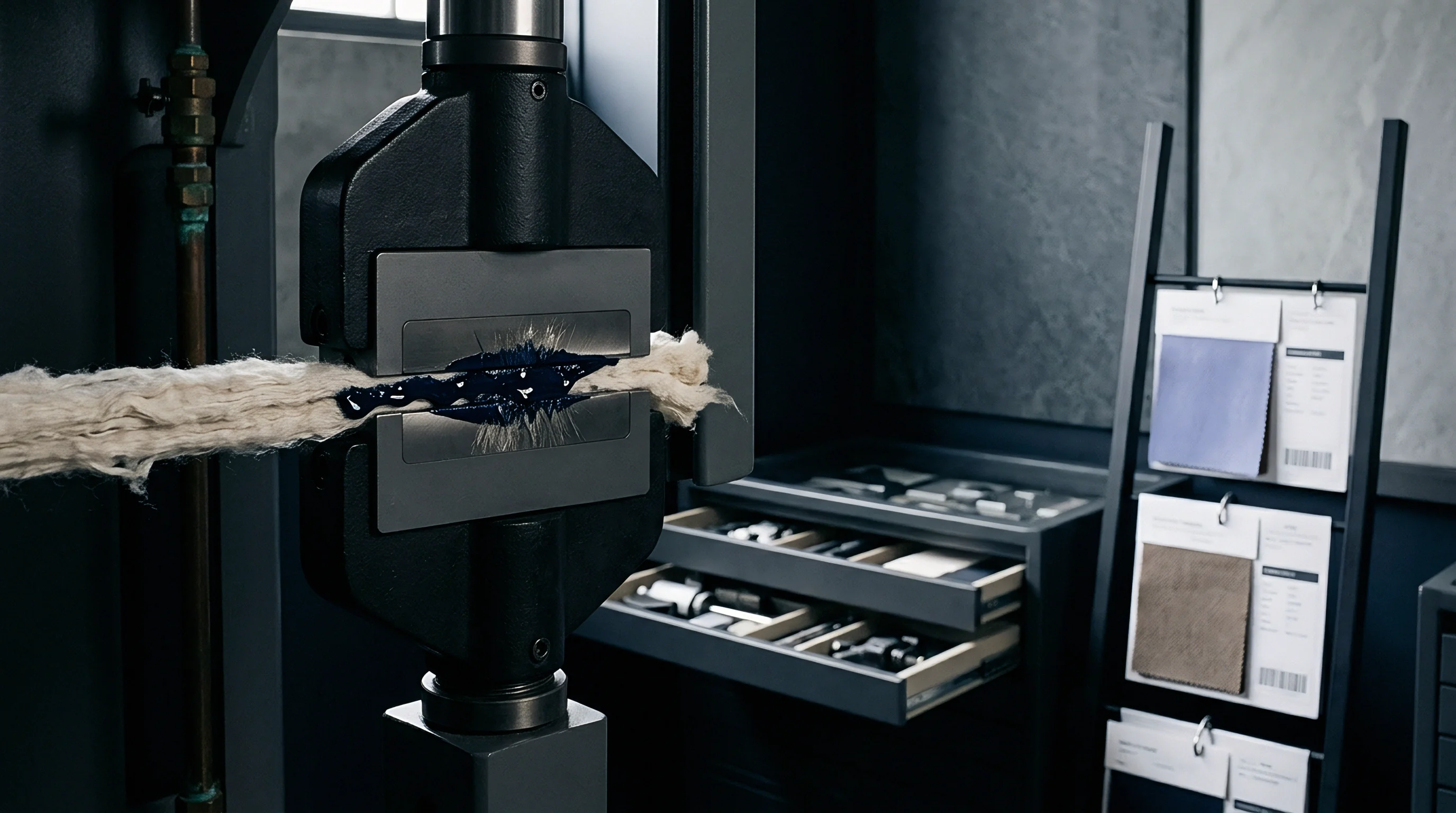
ISO 5725 defines statistical parameters that separate normal laboratory measurement variation from true batch defects. Precision parameters divide into repeatability (r), representing variance within a single laboratory using the same operator and instrument, and reproducibility (R), representing variance between different laboratories using different operators and equipment. Counter-testing disputes live entirely within the domain of inter-laboratory reproducibility (R).
Clear uncertainty margins protect chemical suppliers from unfair rejection.
For chemical assays like aromatic amine quantification, the inter-laboratory reproducibility limit (R) is typically 30 percent to 40 percent of the mean concentration value near the 30 mg/kg regulatory limit. This means if Lab A measures 34 mg/kg of 4-aminodiphenyl and Lab B measures 24 mg/kg on the split sample, both results fall within the statistical reproducibility margin of the test method. In such cases, the result cannot prove batch non-compliance beyond a reasonable statistical doubt.
Contracts must account for method uncertainty rather than applying zero-tolerance thresholds to raw laboratory figures.
Color Difference Mathematics under D65 Illuminants
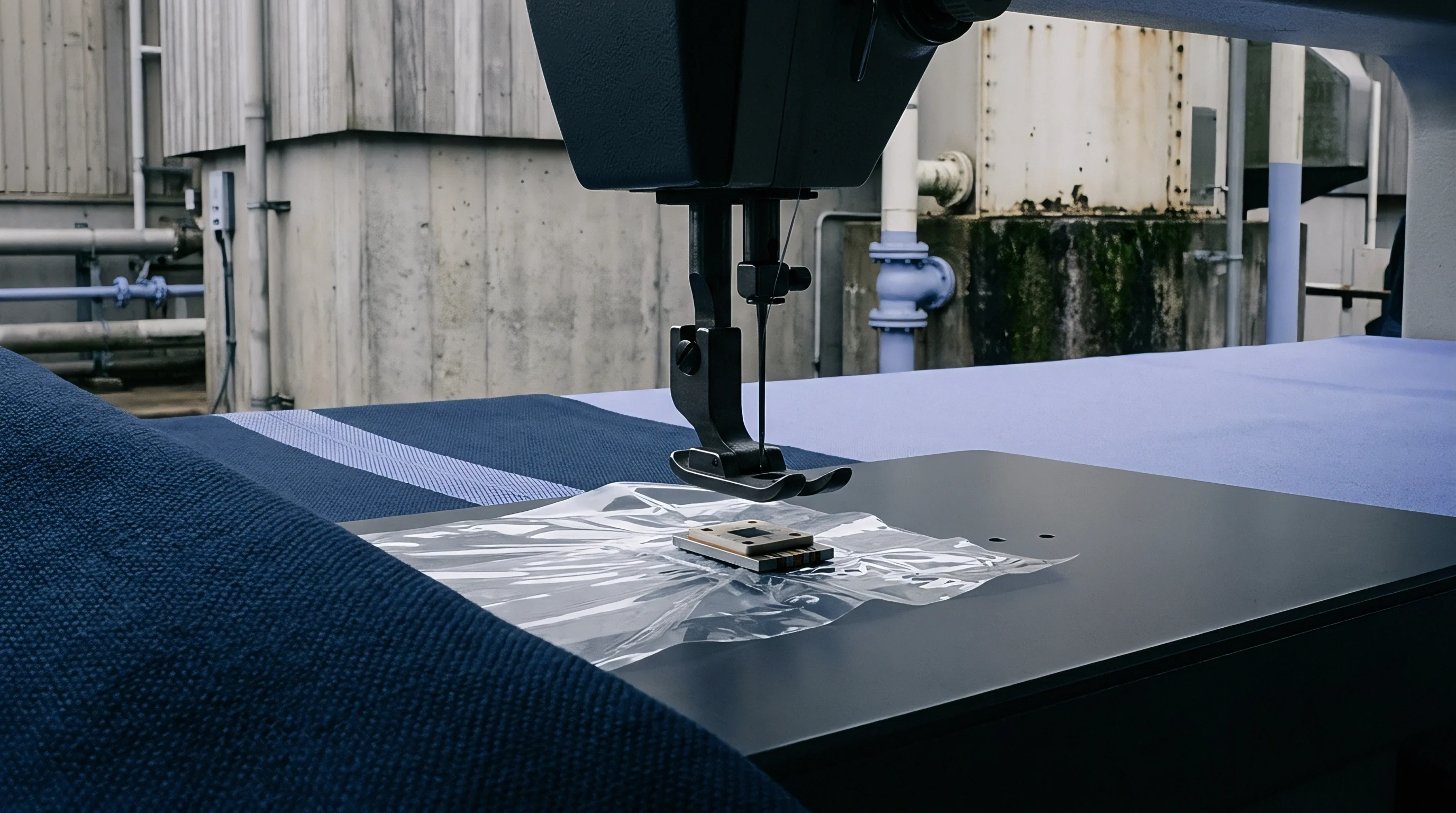
Spectrophotometric color measurement calculates spectral reflectance curves using standardized mathematical models. Shade matching disputes rely on the CIELAB color space and the CMC(2:1) or Δ E2000 color difference equations. The CMC(2:1) equation adjusts tolerance ellipses based on hue, chroma, and lightness, matching human visual perception more closely than linear Δ Eab calculations.
Commercial fabric contracts typically set maximum allowable shade variation at Δ ECMC le 1.0 against the approved master shade standard.
Uncorrected calibration drift rapidly corrupts baseline readings.
Spectrophotometer geometry and specular component settings alter shade calculations dramatically. A diffuse/8-degree (d/8circ) sphere instrument set to Specular Component Included (SCI) measures total reflectance including surface sheen, whereas Specular Component Excluded (SCE) measures color modified by surface texture. Similarly, minor shifts in UV light energy emitted by xenon arc lamps affect fluorescent whitening agents or optical brighteners, shifting b values toward blue or yellow.
Counter-testing agreements mandate that both laboratories utilize calibrated spectrophotometers set to identical illumination (D65), observer angle (10 degrees), specular settings (SCI), and UV cutoff filter configurations.
| Test Parameter | Standard Test Method | Repeatability Limit (r) | Reproducibility Limit (R) | Contractual Action Threshold |
|---|---|---|---|---|
| Color Fastness to Rubbing (Crocking) | AATCC 8 / ISO 105-X12 | 0.5 Grey Scale Grade | 1.0 Grey Scale Grade | Variance > 0.5 Grade Triggers Retest |
| Spectrophotometric Shade Matching | AATCC EP6 / ISO 105-J03 | 0.20 Delta E (CMC) | 0.50 Delta E (CMC) | Delta E Diff > 0.40 Triggers Retest |
| Azo Amine Quantification | EN 14362-1 | 5.2 mg/kg at 30 mg/kg level | 11.8 mg/kg at 30 mg/kg level | Difference > 12.0 mg/kg Triggers Arbitration |
| Dimensional Stability to Washing | ISO 6330 / AATCC 135 | 0.8% Length / Width Shift | 1.8% Length / Width Shift | Shift Variance > 1.5% Triggers Retest |
When spectrophotometric readings conflict across separate laboratories, recalibrating UV tile standards immediately identifies whether the deviation stems from optical optical-brightener excitation.
When visual shade assessment contradicts instrument data under standard illuminants, physical specimen comparison in a neutral light booth determines commercial acceptability.

Referee
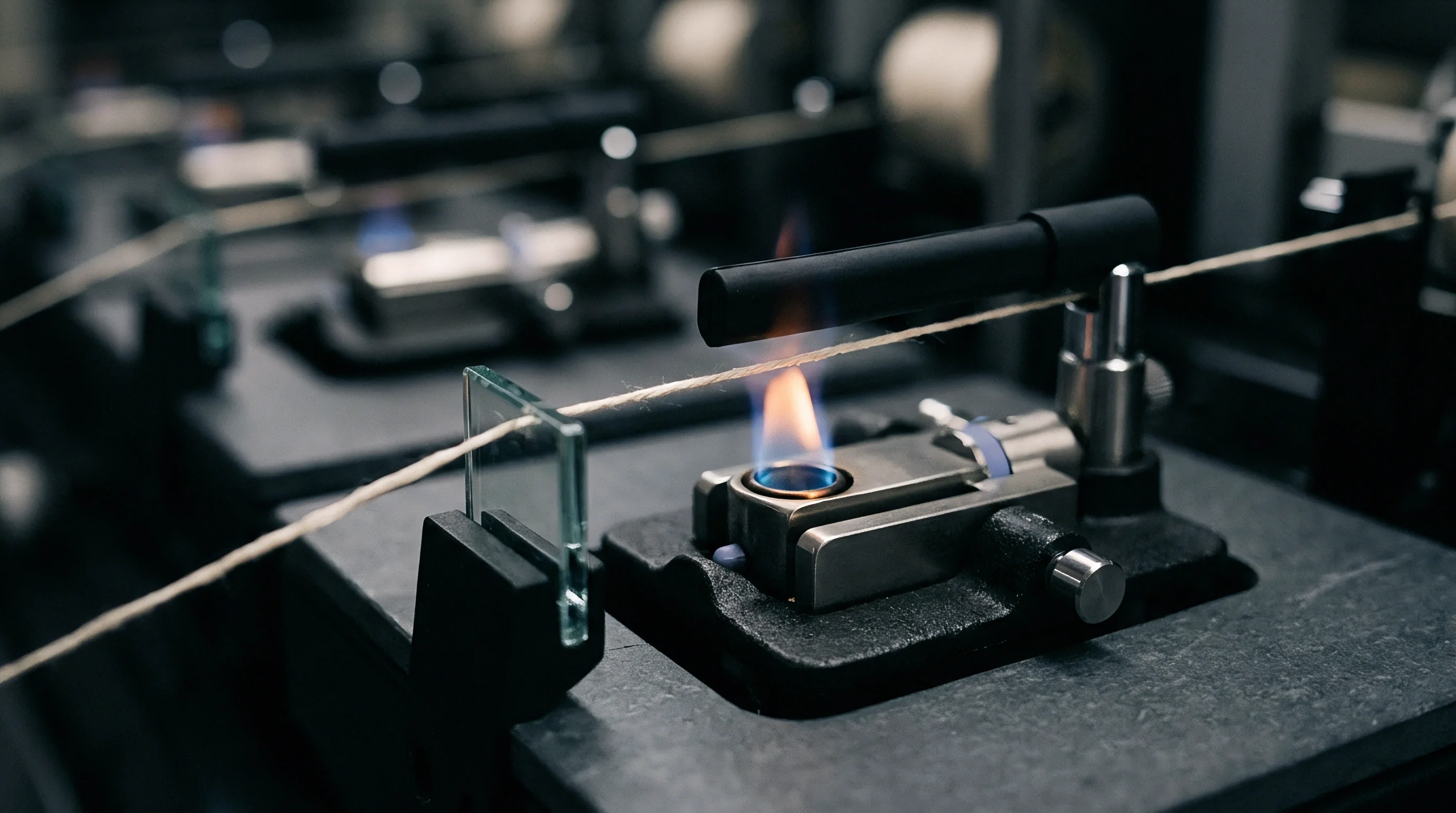
Independent laboratory designation forms the technical core of transatlantic dispute resolution mechanisms. When buyer and seller testing facilities yield irreconcilable data, a third, pre-agreed neutral facility must execute the binding counter-test. Selecting an appropriate referee facility requires looking beyond generic marketing claims to examine specific ISO/IEC 17025 accreditation scopes, equipment calibration registries, and blind sample processing capabilities.
Monitoring turnaround times at certified European testing facilities helps anticipate cargo detention delays. Appointing a laboratory without verified scope coverage for the exact disputed standard results in unenforceable counter-test reports. The referee laboratory operates as an impartial technical arbitrator, and its operational isolation from both commercial parties must be protected by strict procedural firewalls.
Selection Standards for ISO 17025 Accredited Facilities
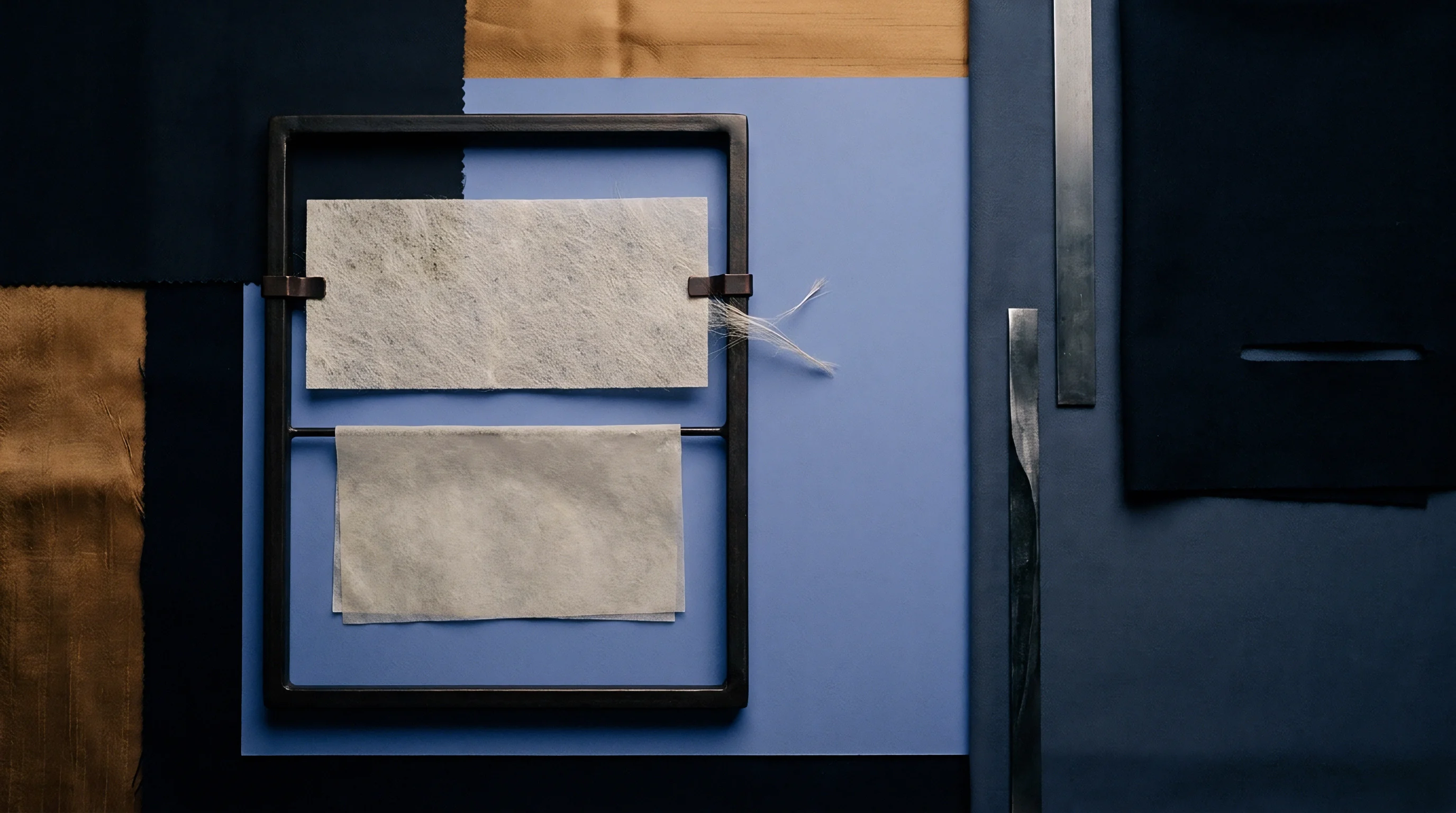
Laboratory accreditation matrices verify technical competence through formal proficiency testing programs. An ISO/IEC 17025 accreditation certificate alone is insufficient; the facility’s official Schedule of Accreditation must explicitly list the individual test method in dispute, including the specific version year. An accreditation covering ISO 105-B02 for lightfastness does not validate a laboratory’s competence to execute EN 14362-1 chemical extractions for azo amines.
True neutrality requires total structural independence.
Facilities selected for referee testing must demonstrate independence from both buyer and dyehouse. Commercial relationships, such as existing high-volume routine testing contracts with the buyer or corporate affiliation with the dyehouse’s parent company, disqualify a laboratory from acting as a neutral referee. The referee must certify that no financial interest exists in the outcome of the specific dispute beyond receipt of standard testing fees.

Can Neutral Laboratories Overcome Inter-Laboratory Matrix Distortions?
Substrate finishing chemicals create analytical interferences that skew gas chromatography retention times. When a referee laboratory receives the sealed split samples, it receives three sealed pouches: Buyer Swatch, Seller Swatch, and Referee Reserve Swatch. The laboratory unseals all three packages simultaneously inside a controlled conditioning atmosphere (20 ± 2circC and 65 ± 4% relative humidity per ISO 139) to eliminate physical moisture differentials.
Testing all three swatches under identical reagent batches and instrumental runs neutralizes systemic matrix interferences and calibration drift.
Analyzing all three swatches simultaneously isolates batch defects from laboratory error. If the referee laboratory finds that the Buyer Swatch and Referee Swatch match within repeatability limits (r), while differing from the Seller Swatch, improper sample preparation or deliberate substitution by the dyehouse is indicated. Conversely, if all three swatches produce compliant chemical values under the referee run, the buyer’s original domestic laboratory test is proven erroneous.
Evaluating candidate referee laboratories demands verifying key technical criteria:
- Method Accreditation Scope requires explicit listing of the exact standard numerical code, including current revision year, on the facility’s official accreditation schedule.
- Proficiency Testing History mandates reviewing past double-blind round-robin inter-laboratory trial performance data for the target chemical analyte or physical parameter.
- Instrumental Redundancy confirms that the facility maintains duplicate, calibrated analytical systems like dual GC-MS or triple-quad LC-MS/MS units to prevent testing bottlenecks.
- Chain of Custody Controls ensures secure vault storage, digital logging, and tamper-evident sample handling protocols throughout specimen tenure.
- Commercial Independence Declarations obligates the facility to sign an affidavit confirming no active volume-discount testing agreements exist with either disputing party.
Expedited courier charges and secondary testing fees can exceed four thousand dollars when a contested container sits stranded at port during an uncoordinated laboratory retest.
Arbitration
Legal frameworks governing cross-border textile sales establish precise procedural timelines for defect notification. Transatlantic transactions between commercial entities fall under the United Nations Convention on Contracts for the International Sale of Goods (CISG), unless explicitly excluded by contract clauses favoring local laws like the Uniform Commercial Code (UCC) in the United States. Dispute resolution protocols must align split sample counter-testing mechanisms with governing legal notice deadlines to preserve the buyer’s right to reject non-conforming cargo or claim damages.
Structuring counter-testing provisions locks both trading partners into a single technical protocol before the vessel leaves berth. Missing statutory notice windows under international sales law waives buyer remedies, regardless of how non-compliant the physical fabric proves to be. Integrating strict counter-testing timelines directly into master purchase agreements transforms technical laboratory protocols into enforceable contractual conditions.
Statutory Inspection Windows under International Sales Law
Article 38 of the United Nations Convention on Contracts for the International Sale of Goods requires buyers to examine goods within the shortest period practicable. Article 39 dictates that buyers lose the right to rely on a lack of conformity if notice is not given to the seller within a reasonable time, specifying the nature of the defect. In transatlantic textile movements, “reasonable time” for latent chemical non-conformities is routinely interpreted by arbitration tribunals as ten to fifteen business days following customs clearance at the destination port.
Formal statutory notice windows legally bind both parties.
Under UCC Article 2-602, rejection of goods must occur within a reasonable time after delivery, followed by seasonable notification to the seller. If a buyer conducts internal testing, discovers a non-conformity, but delays unsealing and dispatching the split sample for counter-testing past the contractual notice window, the buyer risks deemed acceptance under UCC Section 2-606. Contracts must specify that filing a formal Notice of Claim accompanied by primary lab data toll statutory rejection deadlines while split sample counter-testing proceeds.
Contractual Allocation of Retest Expenses
Commercial agreements shift analytical testing fees based on predetermined statistical thresholds. Counter-testing generates substantial operational expenses, including specialized courier transport, expedited laboratory processing fees, and port storage charges. A well-drafted counter-test clause allocates these costs dynamically based on laboratory findings, creating financial disincentives against frivolous claims or bad-faith rejections.
The standard fee allocation mechanism applies a “loser pays” structure tied to the inter-laboratory reproducibility limit (R). If the referee laboratory confirms that the fabric non-conformity exceeds contractual limits, the dyehouse absorbs all referee testing expenses, reimburses original buyer testing fees, and pays accumulated demurrage charges. If the referee laboratory finds the fabric fully compliant, the buyer assumes all testing fees, shipping costs, and port storage expenses while remaining obligated to accept and pay for the shipment.
Compiling a legally defensible split sample dispute dossier requires including specific verified records:
- Original Certificate of Analysis detailing factory production lot testing performed prior to export dispatch.
- Formal Notice of Non-Conformity citing specific contract specification clauses, failed test standards, and numerical deviation values.
- Primary Laboratory Accredited Test Report including complete instrument calibration logs, raw chromatograms, and sample preparation notes.
- Chain of Custody Log Sheets documenting sample cutting, nitrogen foil sealing, serial tamper tape application, and shipping tracking numbers.
- Joint Counter-Testing Request Affidavit signed by authorized representatives of both buyer and seller directing the referee lab to execute the protocol.
Customs authorities inspect import documentation independently of pending commercial disputes between buyers and mills.
Incorporating Section 14B of the International Textile Trade Rules shifts the burden of proof to the rejecting party whenever counter-test results fall within the statistical uncertainty margin of the primary assay.
Indemnity
Financial recovery for non-conforming textile shipments requires structured calculation of direct and secondary commercial losses. When counter-testing establishes that a fabric lot fails contract specifications, the commercial dispute transitions from technical verification to financial settlement. Calculating indemnification involves assessing landed costs, scrap allowances, factory downtime, freight penalties, and duty recovery mechanisms.
Clear chargeback frameworks prevent endless commercial friction and enable rapid financial settlement between transatlantic counterparties.
Off-spec dyeings severely destroy finished product margins.
Landed cost calculations must include all freight charges.
Chemical residue levels directly dictate retail marketability.
Commercial contracts must explicitly define which heads of damage are recoverable following a verified counter-test failure. Dyehouses routinely attempt to limit liability to the net FOB fabric purchase price. However, buyers face far broader financial exposure, including non-refundable international freight, import duties, terminal handling fees, cutting room downtime, and cancelled retail delivery contracts.
A robust dispute resolution framework establishes pre-agreed liability boundaries that account for true commercial landed exposure.
Quantifying Financial Losses from Off-Spec Cargo
Landed cost formulas combine FOB mill pricing, international ocean freight, customs tariffs, and terminal handling charges. When a 20,000-meter batch of dyed polyester fabric valued at $4.50 per meter FOB fails chemical compliance for banned azo dyes, the raw material cost of $90,000 represents only a fraction of total financial exposure. Import duties of 12 percent add $10,800, transatlantic ocean freight and container handling add $6,500, and port demurrage charges accumulating over twenty days of testing delays add $7,000.
Total landed cost rapidly escalates to $114,300.
If the non-conformity is confirmed by split sample counter-testing, the fabric cannot legally enter commerce in the destination market due to chemical restrictions like REACH Annex XVII or state-level regulations. Scrap value for chemically contaminated fabric is zero, and disposal as hazardous waste incurs additional charges of $0.40 per kilogram. Secondary damages, such as factory downtime or garment assembly line cancellations, must be governed by contractual liquidated damages provisions capping consequential recovery at a fixed percentage of total contract value.
Chargeback Calculations and Duty Drawback Recovery
United States Customs and Border Protection permits duty drawback claims on rejected merchandise under 19 U.S.C. 1313(c). When imported fabric fails contract specifications or chemical safety standards, importers can recover 99 percent of previously paid import duties by exporting or destroying the non-conforming merchandise under customs supervision. Obtaining duty drawback requires presenting complete technical dispute documentation, including primary fail reports, counter-testing referee certificates, and official customs Form 7553 Notice of Intent to Export or Destroy.
Executing a chargeback schedule involves deducting verified non-conformity losses against outstanding vendor invoices or drawing down on irrevocable letters of credit. When dispute protocols are properly structured, counter-testing findings automatically trigger financial settlement formulas, eliminating the need for formal court litigation across international jurisdictions.
| Cost Component | Raw Exposure ($) | Primary Responsibility | Mitigation Mechanism | Net Recoverable Amount ($) |
|---|---|---|---|---|
| Fabric Purchase Cost (FOB) | 90,000.00 | Dyehouse / Seller | Full Invoice Credit / Chargeback | 90,000.00 |
| Import Customs Duties (12%) | 10,800.00 | Importer of Record | 19 U.S.C. 1313(c) Duty Drawback (99%) | 10,692.00 |
| International Ocean Freight | 6,500.00 | Dyehouse / Seller | Reimbursement under Loser-Pays Clause | 6,500.00 |
| Port Demurrage & Storage | 7,000.00 | Dyehouse / Seller | Reimbursement under Retest Delays Clause | 7,000.00 |
| Referee Counter-Testing Fees | 3,500.00 | Dyehouse / Seller | Automatic Allocation on Verified Fail | 3,500.00 |
| Hazardous Waste Disposal | 2,400.00 | Dyehouse / Seller | Environmental Destruction Receipt Offset | 2,400.00 |
| Total Settled Claim | 120,200.00 | Dyehouse / Seller | Combined Net Recovery Schedule | 120,092.00 |
The financial recovery matrix demonstrates how split sample counter-testing protocols protect commercial buyers from absorbing losses caused by dyehouse manufacturing failures. By establishing verified batch facts through rigorous, tamper-evident sampling, harmonized analytical standards, statistical tolerance limits, and accredited referee facilities, transatlantic trading partners maintain commercial accountability. Standardizing counter-testing mechanisms in international sales contracts ensures that technical compliance verification maps directly to enforceable commercial remedies, preserving capital and supply chain integrity across global trade networks.