Technical Evaluation of Split Dyeing Operations across Aged Fabrics
Split dyeing aged greige requires pre-bleaching and low-tension wet processing to offset oxidation, equalizing dye uptake while preserving tensile strength.
Vault
Unrolling fabric stored for eighteen months in a warehouse exposes physical unevenness across the length of the roll. Outer layers absorb ambient humidity while static roll weight keeps the core tightly compressed. Sitting in storage across changing seasons subjects natural cellulosics and synthetic blends to localized micro-environmental degradation.
In facilities without strict climate controls, relative humidity swings between 40 percent and 85 percent create distinct moisture gradients. Fiber cuticles on exposed outer wraps undergo slow atmospheric oxidation, altering surface energy and lipid wax composition, which causes greige inventory held past twelve months to show a marked shift in dye receptivity compared to fresh goods.
Splitting an aged greige master lot into separate dyeing runs frequently leads to batch-to-batch shade variance. If the first split processes through a jet vessel in spring and remaining rolls enter the dyehouse six months later, those delayed rolls undergo further chemical alteration during the wait. Free fatty acids in residual spinning lubricants oxidize into insoluble polymeric residues, while synthetic sizes like polyvinyl alcohol or carboxymethyl cellulose cross-link in warm storage.
Once cross-linked, the size resists standard enzymatic desizing and leaves patchy barrier films along warp yarns.
Greige Storage Dynamics and Substrate Degradation
Longitudinal tension on stored rolls gradually forces moisture out of the core, altering fiber crystallite orientation over time. Native cotton fibers maintain roughly eight percent moisture regain under standard laboratory conditions of 20 degrees Celsius and 65 percent relative humidity. In compressed warehouse stacks, however, core moisture can fall below four percent.
Dry cellulosic chains then form intra-molecular hydrogen bonds that restrict access to amorphous regions, causing these collapsed zones to hydrate unevenly when liquor is introduced during initial wetting.
| Storage Duration (Months) | Methylene Blue Absorption (mmol/kg) | Peroxide Value of Wax (meq/kg) | Wettability Drop via ISO 9073-6 (Seconds) | Burst Strength Retained via ISO 13938-1 (Percent) |
|---|---|---|---|---|
| 0 (Fresh Off Loom) | 22.4 | 1.2 | 2.1 | 100.0 |
| 6 (Controlled Ambient) | 24.8 | 4.6 | 4.8 | 98.2 |
| 12 (Uncontrolled Warehouse) | 31.2 | 12.8 | 14.3 | 93.5 |
| 24 (Uncontrolled Warehouse) | 42.5 | 28.4 | 38.7 | 86.1 |
| 36 (Uncontrolled Warehouse) | 58.1 | 44.1 | 82.0 | 77.4 |
Storage conditions directly shape subsequent dye performance, as Table 1 illustrates across thirty-six months of physical and chemical decay in untreated cotton greige. Carboxyl content rises as hydroxyl groups undergo atmospheric oxidation, imparting a negative electrostatic charge to the fiber matrix that repels anionic dyestuffs during neutral or weakly acidic bath phases. Basic dye uptake increases instead, skewing color yield whenever shade recipes assume fresh substrate chemistry.
Methylene blue absorption measurements reflect this progressive expansion of carboxylic acid sites on oxidized cellulose.
Chemical Atrophy of Unfinished Cotton Rolls
Non-cellulosic impurities also migrate toward fabric surfaces during prolonged dry storage. Natural waxes, proteins, and pectic substances shift along thermal gradients produced by ambient temperature swings. When warehouse temperatures rise in summer, low-melting wax fractions soften and travel to exposed selvedges by capillary action.
Once cooled, these lipids harden into hydrophobic bands that standard scouring protocols ~ designed for fresh greige ~ fail to clear, resulting in non-uniform wetting profiles across the fabric width.
Synthetics break down through different pathways in storage. Polyethylene terephthalate yarns suffer cyclic oligomer migration from core to cuticle, leaving tri-cyclic oligomers as crystalline dust on the yarn surface that blocks disperse dye diffusion. Polyamide 6,6 yarns undergo end-group oxidation instead; amine end-groups react with atmospheric nitrogen oxides, reducing dye sites available for acid dyestuffs.
Consequently, an aged nylon split lot dyed six months after its companion lot yields lower color depth, even under identical bath temperatures and dyestuff concentrations.
Storage tension also distorts knitted loop structures over long periods. Heavy rolls stacked horizontally flatten bottom wraps, causing permanent mechanical creep in elastomeric yarns. Core-spun spandex in cotton blends loses elastic recovery under sustained compression as polyurethane segments suffer thermo-oxidative cleavage, reducing module power and causing uneven width relaxation in pre-steaming.
When processing aged elastic knits, width variation across rolls forces differential overfeed adjustments on the stenter frame, introducing inconsistent fabric mass per unit area throughout the order.
Greige inventory held past eighteen months needs complete re-qualification before assignment to a dyehouse. Swatches taken solely from outer wraps misrepresent conditions deeper in the roll, so technicians extract core samples only after unrolling twenty meters. Testing total wax content, residual size percentage, and tensile limits across five points of the web width indicates whether the aged stock can handle split dyeing without shade streaking or fabric tearing.
Shade variations in split lots often stem from greige storage history rather than bath temperature fluctuations or dyestuff lot variations.
Kinetics
Dye sorption curves for reactive, disperse, and acid dyes change noticeably on degraded polymer matrices. Where fresh cellulosic fibers feature open, accessible amorphous channels for fast and uniform liquor penetration, hydrolyzed or oxidized cellulose shows an altered pore size distribution that shifts the equilibrium adsorption isotherm. As dyestuff molecules diffuse into aged fibers, steric hindrance along altered crystallite boundaries lowers the internal diffusion coefficient.
Operators must compensate by adjusting exhaustion profiles, fixation dwell times, and salt additions during split batch processing.
Polymeric Dye Site Accessibility in Aged Fibers
Degraded polymer chains directly alter the rate of dye uptake. Reactive dyes reliant on nucleophilic substitution or addition require accessible hydroxyl groups along the cellulose chain. Hydrolysis breaks glucosidic bonds to yield short-chain polymers with excess terminal aldehyde groups, which fail to participate effectively in covalent bonding with vinyl sulfone or chlorotriazine reactive groups.
The ratio of fixed to exhausted dye drops as a consequence, leaving higher concentrations of hydrolyzed dye in the bath effluent.
ISO 105-X12 dry rubbing fastness degrades from Grade 4-5 to Grade 2-3 when cotton stored beyond 24 months at relative humidity exceeding 65 percent undergoes jet dyeing under atmospheric alkaline conditions.
As wettability degrades over time, acid dye uptake on aged polyamide substrates reveals clear kinetic anomalies. Photo-oxidation converts terminal amino groups into non-reactive phthalimide or monomeric breakdown products, reducing the fiber’s saturation value and lowering peak color yield. When dyeing dark shades on aged nylon split lots, unabsorbed dyestuff lingers in the bath and risks contaminating lighter split batches if liquor is recycled.
Dyehouses need dedicated single-use bath protocols for aged synthetics to avoid cross-lot shade contamination.
- Differential Swelling Rates create localized strike marks where liquor contacts compressed roll edges first during initial machine flooding.
- Oligomer Precipitation clogs jet nozzles during disperse dyeing of aged polyester, causing mechanical tension spikes and fabric chafing.
- Hydrolyzed Dye Accumulation lowers wet fastness grades, demanding extra post-dyeing soaping cycles at 95 degrees Celsius.
- Surfactant Incompatibility causes foam generation when residual storage lubricants react with leveling agents inside atmospheric dye vessels.
Bath Conditions and Dyestuff Affinity
Chemical pre-treatment needs to equalize kinetic resistance across split lots. Standard alkaline scouring with two grams per liter of sodium hydroxide fails to clear cross-linked size and oxidized lipids from aged greige. Upgrading the bath with organosilicon wetting agents and caustic soda at four grams per liter saponifies hardened fats, while enzymatic scouring with cutinases and lipases breaks down oxidized wax films without tendering the underlying cellulose.
This enhanced scour restores consistent surface energy across both fresh and aged fabric splits.
Disperse dyeing on aged polyester demands tight control over bath pH and leveling chemistry. Polyester oligomers that migrate during high-temperature processing at 130 degrees Celsius tend to aggregate into crystals; adding carrier chemistry or specialized dispersants keeps these cyclic trimers suspended in the liquor before they deposit on fabric surfaces. Buffer solutions of acetic acid held strictly between pH 4.5 and 5.5 prevent ester hydrolysis of sensitive disperse dyes, protecting shade depth consistency between initial and delayed split runs.
Careful electrolyte and alkali dosing sequences regulate reactive dye exhaustion on oxidized substrates. Feeding salt in multiple micro-doses rather than two large bulk additions prevents rapid dye strike on fast-absorbing outer fibers. A slow electrolyte ramp allows dye molecules to diffuse evenly into compressed cores before alkali injection triggers covalent fixation.
Ramping fixation temperatures from 50 degrees Celsius up to 80 degrees Celsius balances reaction kinetics across split lots that carry different baseline degradation levels.
Which chemical pre-treatment modification balances dye diffusion kinetics across aged greige without reducing warp break strength below commercial tolerance limits?

Jig
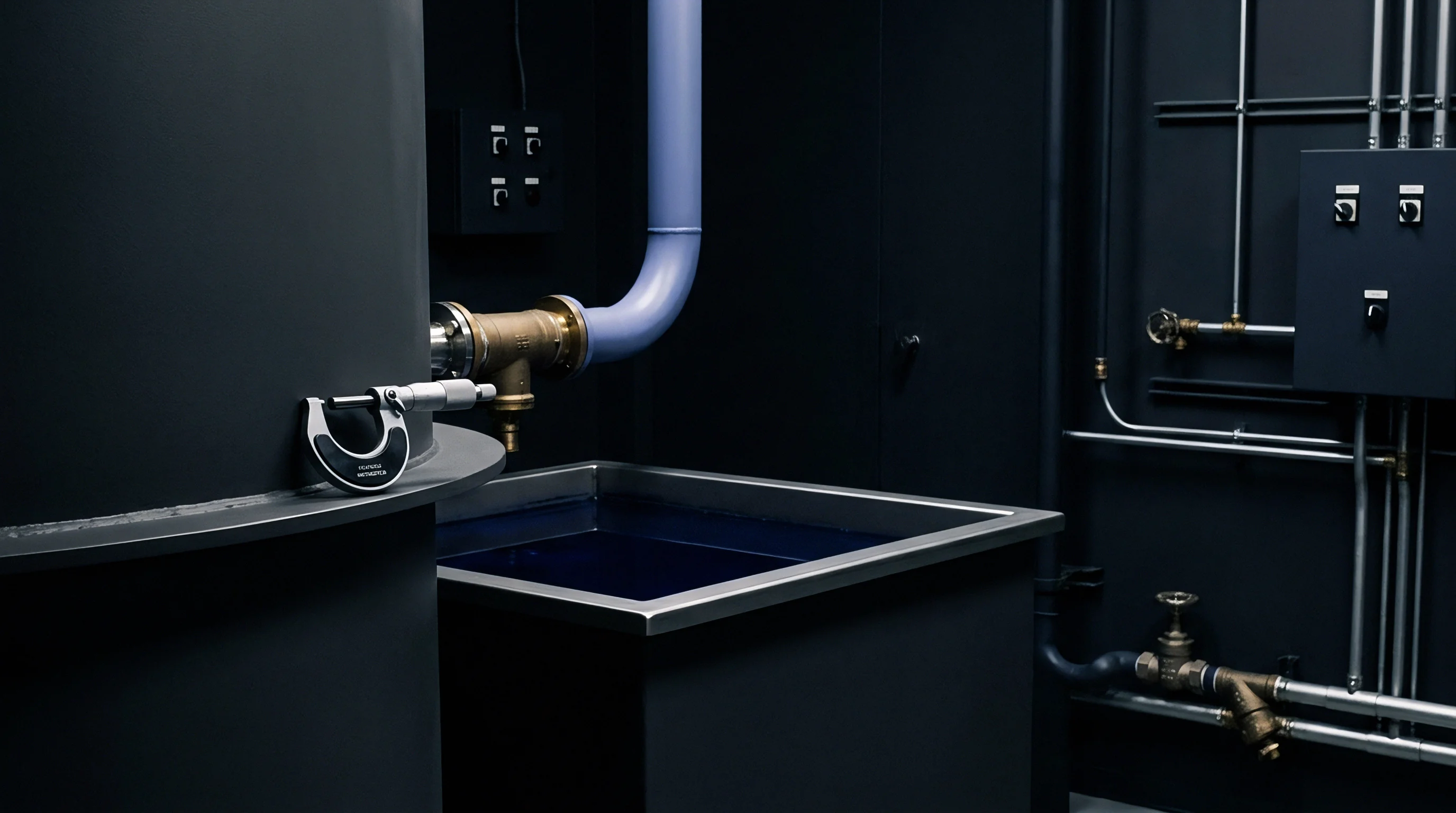
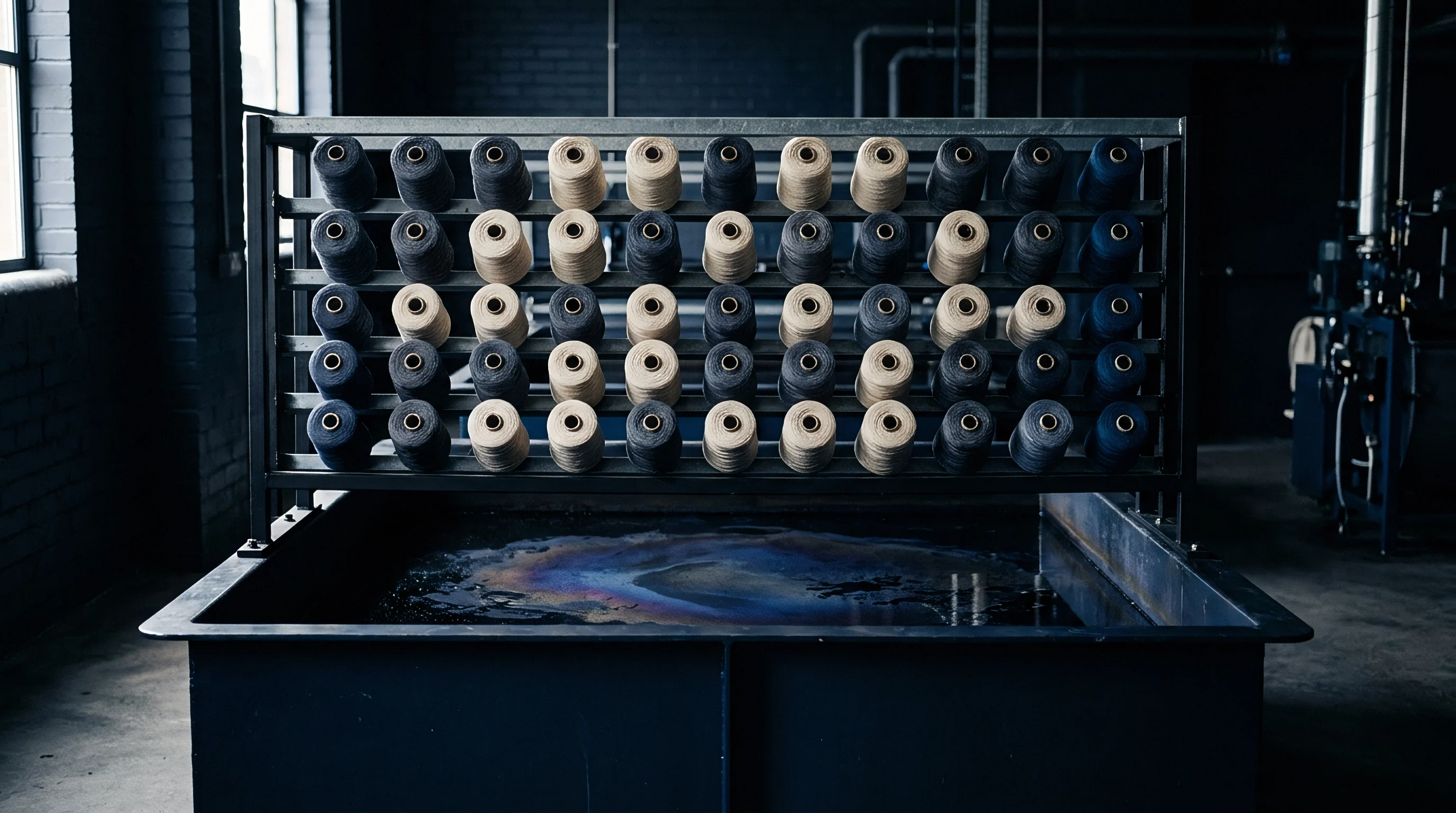
The choice of wet processing machinery sets the physical stress level imposed on aged, tenderized goods. Jet dyeing machines generate strong hydrodynamic shear as high-velocity liquor jets propel fabric ropes through venturi nozzles; aged goods with reduced tear strength often develop filamentation, surface pilling, and rope marks under those forces. Jig machines process fabric flat in open width ~ eliminating rope creases ~ but maintain constant warp tension throughout.
Choosing between jet, jig, or continuous pad-batch machinery comes down to balancing shade levelness against the risk of physical degradation.
Machine Selection for Aged Greige Split Lots
Controlling warp tension is critical to prevent structural tearing during open-width processing. Modern automatic jigs use AC inverter drives with load cells to keep fabric speed and tension uniform throughout the pass. Processing aged greige on older mechanical jigs with friction clutches subjects the web to uncontrolled tension spikes during roll reversals, frequently exceeding the lowered tensile threshold of aged warp yarns and causing selvedge tearing or widthwise elongation variations.
Continuous pad-batch dyeing of aged cellulosic greige eliminates rope creasing while reducing thermal energy expenditure by forty percent compared to jet processing.
Continuous pad-batch processing offers major mechanical benefits for fragile cellulosic split lots. Running open-width fabric through a liquor trough before squeezing it through high-pressure nip rolls minimizes physical handling. After absorbing dye liquor at room temperature, rolls are wrapped in polyethylene film and rotated slowly for sixteen hours.
This tensionless dwell period avoids hydrodynamic shear and thermal degradation, preserving mechanical integrity on vulnerable inventory.
| Machine Configuration | Mechanical Shear Level | Warp Tension Range (N) | Liquor Ratio Range | Shade Levelness Index (RKM) | Tear Strength Retention (Percent) |
|---|---|---|---|---|---|
| High-Temperature Jet Dyeing | High | 20 – 50 | 1:6 – 1:10 | 0.94 | 78.5 |
| Overflow Soft-Flow Jet | Medium | 10 – 30 | 1:8 – 1:12 | 0.96 | 84.2 |
| Automatic Tensionless Jig | Low | 80 – 150 | 1:3 – 1:5 | 0.91 | 88.0 |
| Semi-Continuous Pad-Batch | Very Low | 40 – 80 | 1:1 – 1:2 | 0.98 | 95.1 |
| Continuous Pad-Steam | Low | 50 – 100 | 1:1 – 1:2 | 0.97 | 91.3 |
Equipment mechanics ultimately govern shade reproducibility across split lots. Table 2 compares five production routes applied to aged greige. High-temperature jet dyeing delivers superior liquor circulation and shade levelness, but nozzle shear reduces tear strength retention.
Pad-batch processing, by contrast, preserves ninety-five percent of original tear strength while maintaining high levelness. Sourcing managers must weigh these mechanical limits against required color specifications when picking a route.
Continuous versus Discontinuous Wet Processing
Liquor ratio management controls both dyestuff consumption and shade reproducibility. Short ratios on jigs (1:3 to 1:5) concentrate dye and salt, driving fast reactions but raising the risk of end-to-end listing if machine speed drifts. Soft-flow jets running longer ratios (1:10 to 1:12) maintain steady bath concentration and temperature, compensating for uneven absorbency across aged rolls.
Although longer ratios consume more water, reduced re-dyeing rates on degraded fabric offset the added utility cost.
- Fill vessel with soft water at 40 degrees Celsius and add chelating agent at 1.5 grams per liter to sequester metal ions migrated during storage.
- Load aged fabric rolls in open width, maintaining warp tension below 60 Newtons across all guide rollers.
- Inject pre-dissolved alkali and wetting agents over a ten-minute dosing ramp to ensure complete core wetting.
- Raise bath temperature to 90 degrees Celsius at a rate of 1.5 degrees Celsius per minute to clear residual sizes without causing thermal shock.
- Drain bath completely and rinse with hot water at 70 degrees Celsius to remove saponified lipid compounds before dyestuff addition.
- Dose dye liquor using a linear pump schedule over twenty minutes while monitoring circulation flow rates.
- Fix shade according to dyestuff manufacturer parameters, then cool bath to 50 degrees Celsius at 1.0 degree Celsius per minute.
Tension controls eliminate warp distortion, while careful ramp management prevents permanent crease setting in aged synthetics. Rapid cooling in jet vessels creates thermal stress that locks rope creases into polyester and nylon. Modern vessels use controlled cooling steps of one degree Celsius per minute down to 60 degrees Celsius before draining.
This gradual drop lets polymer chains relax below their glass transition temperature, preventing mechanical creases on fragile split lots.
Re-bleaching 24-month-old cotton greige to eliminate storage yellowing before split dyeing incurs an added wet-processing expenditure of 0.42 USD per metre. That figure covers extra hydrogen peroxide chemistry, stabilizer additions, and steam consumption across two scour passages. Omitting this corrective step resulted in off-shade bulk submissions that failed color match tolerance standards under D65 retail light sources.
Pad-batch processing of aged greige yields far more uniform dye levelling than high-tension jig dyeing.
Spectra
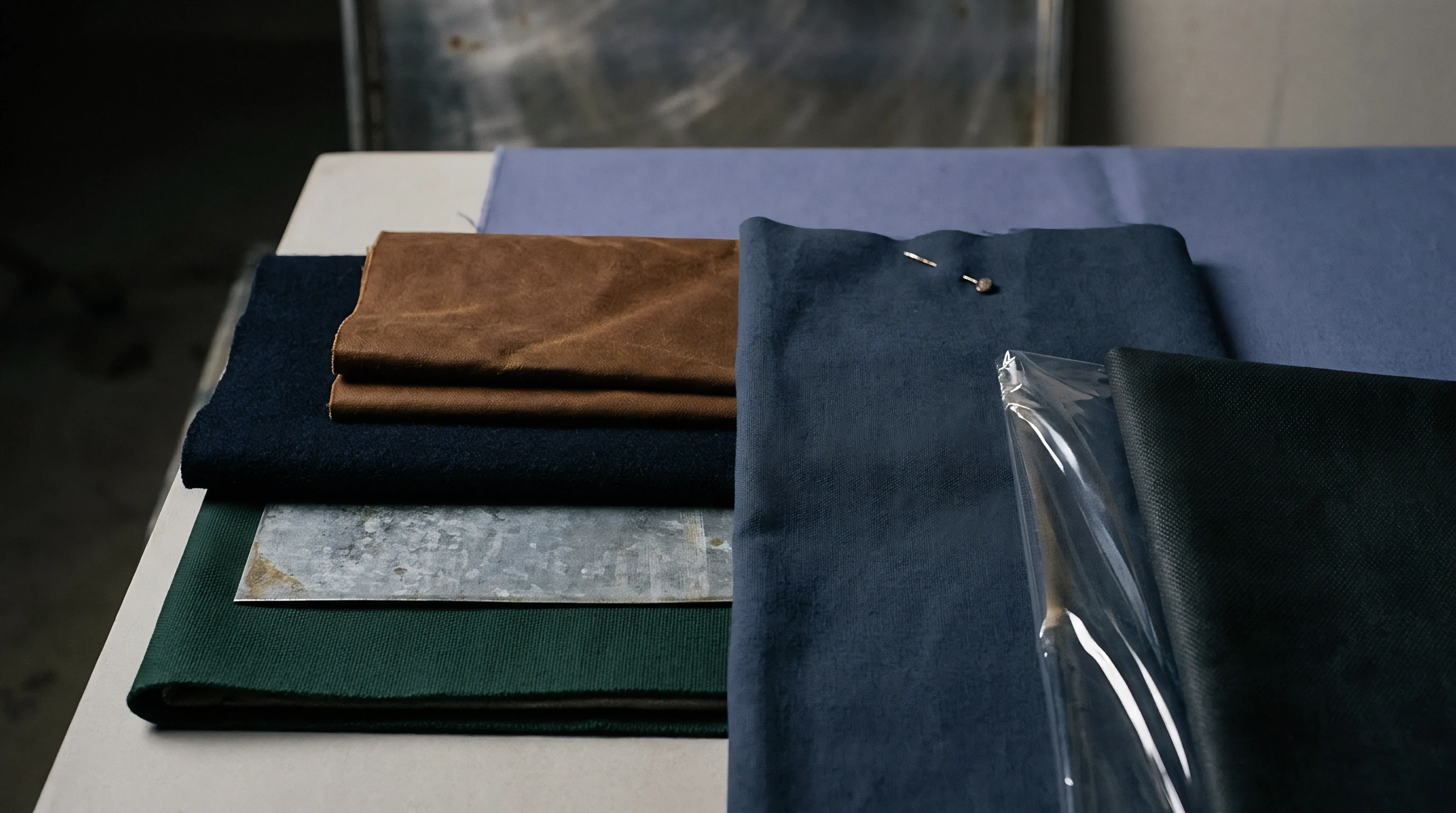
Evaluating color consistency across split runs requires rigorous spectrophotometric analysis under multiple illuminants. Matching a lot dyed today against a master batch dyed twelve months ago cannot rely on visual checks under unstandardized office lighting. Spectrophotometers measure spectral reflectance curves from 400 to 700 nanometers and convert the data into CIELAB L a b coordinates.
Comparing these values across split batches exposes subtle shifts in hue, chroma, and lightness stemming from substrate aging.

Colorimetric Drift across Separated Runs
Tolerance limits in color space must account for substrate variability. Standard Delta E equations (DE ) compute overall color difference as the Euclidean distance between sample and standard points in three-dimensional space, but CIELAB 1976 DE overweights lightness differences relative to chroma and hue. Sourcing standards therefore mandate CIELDE2000 or CMC l:c (2:1) formulas for split lot evaluations.
These revised equations shape an acceptability ellipsoid around the target color, accommodating minor lightness variations while tightly bounding hue rotation.
| Split Batch ID | Target Shade | Illuminant D65 (DE CMC 2:1) | Illuminant TL84 (DE CMC 2:1) | Illuminant A (DE CMC 2:1) | Metamerism Index (MI) | Pass/Fail Status (Tolerance 0.80) |
|---|---|---|---|---|---|---|
| Batch A (Fresh Greige Control) | Navy Blue 19-4015 | 0.12 | 0.14 | 0.11 | 0.03 | Pass |
| Batch B (6-Month Aged Split) | Navy Blue 19-4015 | 0.42 | 0.48 | 0.51 | 0.09 | Pass |
| Batch C (18-Month Aged Split) | Navy Blue 19-4015 | 0.78 | 0.89 | 0.94 | 0.16 | Fail (Illuminant A Drift) |
| Batch D (18-Month Re-Bleached) | Navy Blue 19-4015 | 0.35 | 0.38 | 0.39 | 0.05 | Pass |
| Batch E (36-Month Aged Split) | Navy Blue 19-4015 | 1.34 | 1.52 | 1.68 | 0.34 | Fail (Severe Hue Rotation) |
Uncontrolled shade drift increases landed cost. Table 3 details spectrophotometric data comparing fresh control dyeings against split lots produced from aged stock. Batch C, dyed from 18-month aged greige without corrective pre-treatment, passes match tolerances under primary daylight (D65) but fails under store lighting (TL84 and Illuminant A).
Its elevated Metamerism Index shows that dye combinations absorbed unevenly on the aged fiber, creating conditional matches that shift appearance under different light sources.
Metameric Discrepancies under Standard Illuminants
Metamerism occurs when two split batches match under one light source but diverge under another ~ a major commercial risk when garment components dyed in separate lots are assembled into a single product. If a jacket body cut from Batch A is sewn with sleeves from Batch C, the completed garment looks uniform under D65 daylight but displays an obvious color mismatch under store LED or incandescent lighting.
Incorporating ISO 105-J03 color measurement procedures into shade clearance protocols legally binds dyehouses to maximum allowable Delta E CMC 2:1 tolerances across all split production lots.
Spectrophotometric tailing and edge-to-center listing frequently afflict aged split lots during jig or pad-batch runs. Tailing shows up as a gradual shade shift from head to tail of a roll as dyestuff depletes from a fixed bath volume. Edge-to-center listing happens when roll selvedges dry faster than the core in storage, leading to uneven liquor absorption across the web.
Spectrophotometric mapping across nine points of a roll profile identifies listing before fabric ever hits the cutting table.
Standard lab dips rarely predict bulk variance on aged inventory. Lab swatches are processed in small, tensionless beaker machines with ideal circulation, where thoroughly cleaned greige swatches absorb dye uniformly. Industrial vessels, subject to pump hydraulics, high loading densities, and thermal gradients, expose substrate flaws that lab equipment masks.
Technical managers should require full-width mill trial cuts from aged rolls before approving full production runs.
A 5,000-meter split lot of aged nylon taffeta that exhibited metameric flare under retail lighting forced the entire yardage to be over-dyed into black stock inventory, resulting in a financial loss of 18,400 USD.
Tenacity
Loss of mechanical strength limits what can be achieved with aged fabrics undergoing split processing. Tensile strength, tear resistance, bursting strength, and seam slippage all degrade when wet chemical processing compounds existing warehouse decay. Cellulosic fibers undergo acid-catalyzed or oxidative hydrolysis during wet processing, shortening polymer chain lengths.
Combined with baseline storage decay, this cumulative loss can push finished fabric properties below buyer minimums.
Mechanical Strength Loss Post Dyeing
Tensile testing via the ISO 13934-1 strip method illustrates cumulative damage from storage and subsequent split dyeing. Freshly woven cotton typically retains ninety percent of its greige warp tensile strength through standard scouring and reactive dyeing. Greige stored for twenty-four months, however, loses ten percent of baseline strength before entering a dye vessel.
Subsequent scouring, bleaching, and high-temperature dyeing degrade the fiber structure further, resulting in total warp tensile loss exceeding twenty-five percent compared to fresh loom-state material.
Tear strength measured by Elmendorf pendulum apparatus (ISO 13937-2) shows an even greater sensitivity to split dyeing on aged goods. Cross-linking finishes, elevated bath temperatures, and aggressive caustic scouring embrittle cellulosics. As individual fibers lose flexibility, they no longer bunch together to distribute tearing loads, concentrating force onto single yarns instead.
A split lot that passes basic tensile testing may still fail tear strength criteria, leading to seam failure in finished garments.
- Strip Tensile Strength measured via ISO 13934-1 must retain a minimum of 300 Newtons warp and 250 Newtons weft for bottom-weight apparel fabrics.
- Elmendorf Tear Resistance evaluated under ISO 13937-2 must exceed 15 Newtons across both directions to prevent post-garment fabrication tearing.
- Martindale Abrasion Resistance conducted per ISO 12947-2 must reach 20,000 rubs prior to breakdown of thread intersections.
- Seam Slippage Resistance tested according to ISO 1396-2 must display less than 6 millimeters opening under a 120 Newton applied load.
Elastomeric Degradation in Heat Setting
Elastane blends introduce additional complexity during split processing. Core-spun yarns combining elastane with cotton or polyester undergo thermal degradation during stenter heat setting at 190 degrees Celsius. Aged elastane threads lose cross-link density, resulting in severe permanent set and diminished recovery.
When split dyeing aged stretch fabrics, stenter temperatures should be lowered to 175 degrees Celsius with extended dwell times to prevent elastane damage while stabilizing fabric width.
Executing mechanical fastness testing prior to garment cutting prevents assembly of compromised fabrics that fail brand compliance standards.
Abrasion resistance and pilling behavior also deteriorate rapidly on aged split goods. Martindale testing (ISO 12947-2) demonstrates accelerated face yarn breakdown due to micro-cracking along fiber cuticles. Similarly, ISO 12945-2 pilling evaluations show increased fuzz generation during wash cycles, where shortened fiber fragments from chain breakdown entangle into surface pills that drop appearance ratings from Grade 4 down to Grade 2-3.
Fastness performance on aged split lots requires thorough verification. Color fastness to washing (ISO 105-C06) and light fastness (ISO 105-B02) hinge on dyestuff fixation stability within the substrate. Degraded fibers with porous structures allow dye molecules to wash out easily, staining adjacent test swatches during laundering.
Applying cationic dye-fixing agents after dyeing helps seal dyestuff within damaged fiber matrices, bringing fastness back to acceptable commercial standards.
Standard purchase contracts incorporating ISO 13934 tensile performance minimums permit buyers to reject split lots if cumulative wet-processing strength loss exceeds fifteen percent of baseline greige values.
Recourse
Allocating the costs of split dyeing aged fabric requires clear contractual framing before greige is released. Sourcing teams frequently run into disputes when aged greige transferred from warehouse storage yields off-shade bulk goods or degraded mechanical performance. Warehouses disclaim responsibility once rolls leave their docks, while dyehouses reject claims by blaming baseline greige decay for processing failures.
Buyers stay caught in the middle unless supply chain contracts set clear quality boundaries upfront.
Commercial Liability and Mill Selection
Technical audits of potential dyehouses must evaluate their ability to handle fragile or degraded substrates. High-speed dyehouses optimized for high-volume fresh goods often lack the sensitive bath controls, low-tension equipment, and flexible chemical dosing needed for aged split lots. Partnering with specialized mills capable of executing custom scouring and low-temperature bleaching minimizes re-work and protects inventory value.
Reclaiming aged greige stock relies on accurate cost-per-finished-metre accounting. If unscoured aged greige incurs an extra 0.35 USD per metre for re-bleaching, leveling agents, and extended cycle times, that expense must be weighed against writing off the stock completely. If the reclaimed fabric value minus re-processing costs stays above scrap liquidation value, split dyeing can proceed under technical supervision.
Financial Thresholds for Stock Reclaiming
Establishing pre-dyeing test protocols legally protects sourcing organizations against unallocated dyehouse claims. Master sourcing agreements should require dyehouses to perform baseline testing on incoming aged rolls within five business days of delivery, covering moisture content, residual size, and strip tensile strength. Documenting substrate condition before loading shifts liability to the dyehouse if subsequent shade or strength failures result from improper thermal profiles or aggressive chemical dosing.
Executing split dyeing on aged fabric inventories remains a viable strategy when technical risks are systematically managed. Combining greige aging audits with customized wet-processing protocols permits successful shade matching and strength retention across extended production cycles. Establishing clear quality thresholds, spectrophotometric standards, and liability frameworks turns high-risk aged stock into reliable finished goods on the cutting table.