Bayesian Risk Quantification for Non-Uniform Restricted Chemical Distribution in Coated Technical Fabrics
Bayesian modeling of spatial chemical gradients prevents customs detentions by replacing deceptive composite testing with edge-weighted risk quantification.


Gradient
Analytical laboratories routinely homogenize composite swatches into a single beaker, dissolving distinct physical zones into an artificial mean concentration. A testing certificate declaring N,N-dimethylformamide below the 500 mg/kg limit under REACH Annex XVII entry 72 often masks extreme localized accumulation at roll selvages. Knife-over-roll lines impart transverse mechanical and thermal variations across two-meter web widths, producing systematic chemical divergence between center cuts and peripheral boundaries.
Regulators cut swatches from accessible roll edges rather than centerlines. Composite swatches hide localized noncompliance.
The assumption of uniform substance distribution collapses under standard industrial coating operations. Polyurethane, polyvinyl chloride, and silicone dispersions undergo complex rheological stress as doctor knives meter fluid films onto advancing polyester or polyamide base weaves. Volatile organic compounds and migratory plasticizers do not stabilize evenly.
Instead, rheological wall shear, drying box airflow variations, and web tension variations create multi-dimensional concentration fields. When customs authorities or market surveillance inspectors pull a single five-gram sample from an outer roll edge, the reported value reflects the local apex of that concentration field rather than the average printed on a mill transaction document.

Cross Deckle Disparities in Knife Coated Polyurethane
Fluid pressure spikes directly behind the metering edge as the moving substrate pulls high-viscosity paste into the gap. Polyurethane formulations compounded with dimethylformamide solvent exhibit non-Newtonian shear-thinning behavior directly beneath the mechanical contact line. Edge losses accelerate evaporation.
Near the deckle edges, where lateral paste dams contain the puddle, shear rates plummet and film thicknesses swell by eight to fifteen percent compared to web centerlines. This coat weight elevation directly multiplies the local mass of residual solvents, catalysts, and organotin stabilizers deposited per square meter.
Subsequent curing in multi-zone floatation ovens drives further spatial divergence. Forced hot air nozzles impinging upon the wet film trigger rapid solvent volatilization at the exposed lateral perimeters long before the damp central core releases trapped carrier liquids. Viscosity shifts alter wet film thickness.
Heavier edge deposits retain dimethylformamide within skinning polymers while lighter central zones flash off volatiles completely. Residual solvent measurements across a 180-centimeter coated technical roll demonstrate that peripheral margins frequently retain 850 mg/kg of solvent while central zones drop to 120 mg/kg under identical oven dwell schedules.

Boundary Layer Evaporation and Plasticizer Migration Profiles
Flexible polymer formulations plasticized with ortho-phthalates or alternative esters encounter thermal segregation during radiant gelation. Heavier molecular plasticizers migrate along thermal vectors toward zones of elevated convection. Air velocity profiles inside industrial drying tunnels remain turbulent at roll centerlines and stagnant along chamber walls, depressing localized mass transfer coefficients at the web margins.
Volatilization remains suppressed where airflow stalls. Consequently, lower molecular weight additives, including short-chain chlorinated paraffin flame retardants, concentrate within specific cross-deckle lanes.
- Rheological Edge Build produces elevated wet film calipers along lateral web limits through paste dam drag.
- Exhaust Air Starvation depresses volatile stripping efficiency within outer quarters of drying enclosures.
- Substrate Tension Necking concentrates woven yarn density near central axes, shifting coat-to-yarn weight ratios.
- Plasticizer Phase Separation drives hydrophobic restricted substances toward cooling surfaces following calender nip exit.
Surfactants migrate toward the air interface. Fluorochemical stain repellents and polyfluoroalkyl substances applied via secondary foulard baths accumulate preferentially at outer evaporation faces. Classical testing regimens cut five coupons randomly across an entire production lot, blend them into a composite mass, and extract the mixture with tetrahydrofuran.
This practice mathematically dilutes localized chemical peaks below reporting thresholds, creating false negative compliance certificates that disintegrate under regulatory surveillance. Liquid migrations follow thermal contours rather than administrative boundaries.
Coating formulations migrate toward zones of highest thermal flux regardless of mixing duration.
A testing certificate that ignores cross-deckle physical drift guarantees inspection failures at national entry ports. Border authorities cut accessible perimeter sections without checking mill-recorded composite averages. Coated rolls passing laboratory type evaluations regularly fail border surveillance because physical fluid dynamics dictate chemical localization.
Variations across the web persist unless the mechanical application line runs at continuous thermodynamic balance.


Blade
Mechanical deflection across transverse applicator beams introduces systematic coat weight deviations that standard inline thickness gauges fail to register chemically. The central span of a doctor knife experiences upward bending moments induced by hydrodynamic lift forces within the churning coating bank. A beam deflection of twelve micrometers increases dry coat thickness by twenty grams per square meter along roll centerlines, depending on formulation solids content.
This structural movement establishes predictable chemical bands running continuously along the entire length of a production run.
Additive partitioning intensifies when compounders introduce functional chemicals into high-solids plastisols or waterborne polyurethane suspensions. In flame-retardant technical textiles treated with decabromodiphenyl ethane or antimony trioxide, pigment-grade particulates encounter hydrodynamic classification beneath the knife. Coarser particles wedge behind the metering gap, generating downstream longitudinal streaks characterized by anomalous chemical concentrations.
Fine particulate fractions wash outward toward lower-shear zones, shifting the restricted additive balance across the finished broadcloth.

How Do Shear Rates Alter Additive Partitioning?
Viscous forces generated between the rigid steel knife and the tensioned textile backing generate shear rates exceeding 10,000 reciprocal seconds. Under these mechanical conditions, polymeric thickeners, associative surfactants, and restricted fluoropolymer dispersion aids undergo severe molecular alignment. Solvent clears the selvage earlier.
Emulsifiers stabilizing perfluorooctanoic acid homologues or short-chain perfluoroalkyl substances desorb from polymer droplets under acute shear, concentrating in free aqueous phases that drain toward outer coating edges.
The coating knife flexes under load. This fluid partitioning mechanism causes surface-active restricted substances to accumulate along transverse web boundaries, where shear rates decay rapidly near stationary edge dams. Downstream, during drying, these chemicals crystallize on outer coating faces.
When laboratory technicians extract specimens from the selvage, analytical gas chromatography identifies restricted substance concentrations three to four times higher than values derived from low-shear center cuts.
| Restricted Substance | Regulatory Threshold (mg/kg) | Selvage Cut (0-15 cm) | Quarter Cut (40-50 cm) | Center Cut (85-95 cm) |
|---|---|---|---|---|
| N,N-Dimethylformamide (DMFa) | 500 (REACH Annex XVII) | 740 mg/kg | 310 mg/kg | 95 mg/kg |
| Bis(2-ethylhexyl) phthalate (DEHP) | 1000 (REACH Annex XVII) | 1420 mg/kg | 880 mg/kg | 460 mg/kg |
| Short-Chain Chlorinated Paraffins (SCCP) | 1500 (EU POP Regulation) | 1890 mg/kg | 1120 mg/kg | 610 mg/kg |
| Dibutyltin Dilaurate (DBTDL) | 1000 (REACH Annex XVII) | 1240 mg/kg | 680 mg/kg | 340 mg/kg |
| Perfluorooctanoic Acid (PFOA) | 0.025 (EU POP Regulation) | 0.082 mg/kg | 0.038 mg/kg | 0.012 mg/kg |

Thermal Convection Asymmetry across Tenter Zones
Hot oil circulation piping and air burner manifolds deliver non-uniform heat flux across the width of horizontal tenter chambers. Heat transfers unevenly across the web. Centerline air nozzles deliver peak thermal energy, whereas outer air return ducts suffer thermal dropouts from structural chassis radiation losses.
Differential drying curves result. Dimethylformamide retains high solubility in polyurethane matrices until temperatures surpass its 153-degree Celsius boiling threshold. Where chassis chill drops oven edges below this critical vaporization line, residual carrier solvent remains trapped within the cured film matrix.
Secondary cooling cans located at tenter exits further compound transverse segregation. Chill roll surfaces often display surface condensation ribbons along outer bearing journals where cooling water enters and leaves the cylinders. Textile webs passing over damp steel bands reabsorb trace moisture, mobilizing water-soluble organotins and residual dimethylformamide toward outer selvages through capillary wicking.
Analytical testing across twenty-four discrete sampling points reveals that peripheral chemical loads fluctuate with air handler balance rather than compound mixing uniformity.
A composite test report averages away the single spatial spike that triggers customs seizure.
Mills routinely argue that chemical tanks were mixed under certified high-shear conditions for forty minutes, so the shipment must be uniform throughout the entire yardage.


Model
Classical acceptance testing relies on discrete hypothesis checks that treat roll lots as homogeneous pools of chemical mass. A standard sampling plan pulling three random cuts calculates a sample mean and sample standard deviation, assuming a normal distribution across the broadcloth. When non-uniform physical gradients exist across the web deckle and along down-web run lengths, normal distribution assumptions fail catastrophically.
Restricted chemical concentrations follow positive-skewed, heavy-tailed log-normal profiles bounded strictly at zero. Applying symmetric normal statistics severely underestimates the probability of exceeding regulatory ceilings in unmeasured web sections.
Bayesian inference quantifies this spatial exposure by updating prior mill performance distributions with sparse, location-specific test observations. Instead of calculating an unweighted pass rate, the calculation constructs a spatial random field where restricted chemical concentration serves as a continuous spatial variable. Historical mill trial data, chemical batch formulations, and coat weight metering profiles form an informative prior distribution.
As empirical coupon test results arrive from accredited gas chromatography runs, the posterior distribution reveals the exact mathematical probability that any unmeasured sector of the coated roll violates compliance limits.

Log Normal Distribution Priors for Regulatory Exceedance
Let concentration values across a production run be expressed as a continuous random variable, denoted as y at two-dimensional spatial coordinate x, representing cross-web position u and down-web length v. The natural logarithm of concentration follows a Gaussian process. The parameter vector includes a location-dependent mean function, denoted as mu(u), reflecting cross-deckle parabolic gradients, and a spatial covariance matrix, denoted as Sigma, describing chemical correlation lengths along the web.
The prior distribution absorbs mill history. Historical chemical compounding logs establish the prior mean, denoted as mu_0, and prior variance, denoted as tau_0 squared. When testing coated polyurethane lots for residual dimethylformamide under OEKO-TEX Standard 100 Class II limits of 500 mg/kg, the prior mean is derived from raw material consumption audits.
If compound records show 1.2 percent solvent retention in dried polyurethane resin, the prior distribution sets its mean near 1200 mg/kg with broad variance reflecting historic dryer vent operations.
Formulation data updates through Bayes theorem as new coupon extractions yield discrete chemical observations. Conjugate Gaussian updating computes the posterior parameter distributions directly. The posterior mean, denoted as mu_post, and posterior variance, denoted as tau_post squared, integrate both prior manufacturing baseline stability and empirical laboratory readings.
When three edge cuts yield 610 mg/kg, 580 mg/kg, and 640 mg/kg while a single center cut registers 180 mg/kg, the posterior distribution shifts upward, establishing that roll margins carry systemic exceedance risk regardless of the center cut compliance.
| Lot Code | Target Substance | Statutory Limit | Composite Lab Result | Bayesian Posterior P(Exceedance > Limit) | True Conformity State |
|---|---|---|---|---|---|
| PU-7810-A | DMFa | 500 mg/kg | 310 mg/kg (Pass) | 0.892 (High Risk) | Noncompliant (Perimeter) |
| PU-7810-B | DMFa | 500 mg/kg | 140 mg/kg (Pass) | 0.034 (Low Risk) | Compliant |
| PVC-412-E | DEHP | 1000 mg/kg | 760 mg/kg (Pass) | 0.941 (Critical Risk) | Noncompliant (Selvage Band) |
| PVC-412-K | DINP | 1000 mg/kg | 480 mg/kg (Pass) | 0.115 (Moderate Risk) | Marginal Pass |
| PA-9930-F | PFOA | 0.025 mg/kg | 0.018 mg/kg (Pass) | 0.784 (Substantial Risk) | Noncompliant (Edge Deposit) |

Spatial Covariance Kernels for Web Chemistry
Chemical concentration values sampled ten centimeters apart along a web selvage exhibit stronger statistical correlation than values sampled across the two-meter central deckle. Zero variance assumptions fail on broadcloth. A Matérn covariance kernel models this spatial interaction effectively, balancing isotropic down-web tension lines with anisotropic cross-web thermal boundaries.
The covariance function defines how spatial correlation decays as distance between sampling locations increases along orthogonal axes.
The Matérn kernel incorporates a smoothness parameter, denoted as nu, and a spatial range parameter, denoted as rho. In coated technical textiles, down-web correlation ranges typically extend for hundreds of continuous meters due to steady-state chemical metering. Cross-web correlation ranges drop to twenty to thirty centimeters because doctor blade deflection and air nozzle turbulence vary sharply across short transverse distances.
Quantifying this directional covariance allows the compliance manager to predict unmeasured chemical levels across the entire roll topography with quantified confidence bands.
Markov Chain Monte Carlo sampling generates posterior density estimations for total lot surface compliance. By simulating ten thousand synthetic surface concentration realizations from the posterior Gaussian process, the calculation integrates the exact textile area exceeding regulatory cutoffs. Regulatory noncompliance does not demand that every square meter violate statutory caps.
Under European Chemicals Agency enforcement guidelines, a single noncompliant article cut from any portion of a commercial roll justifies complete lot recall and market withdrawal.
Under European border enforcement guidelines, an extraction finding 510 mg/kg of residual solvent on a single selvage coupon invalidates an entire twenty-ton textile consignment.
Consider a coated technical lot comprising twenty 500-meter rolls of vinyl tarping. Traditional compliance protocol extracts one composite sample from three rolls, yielding a measured diisononyl phthalate content of 720 mg/kg against the 1000 mg/kg regulatory cap under entry 52 of REACH Annex XVII. The composite report declares conformity.
However, Bayesian spatial modeling incorporating cross-deckle coat weight variation calculates a 0.87 probability that roll margins between zero and fifteen centimeters exceed 1150 mg/kg. The commercial buyer accepting goods based entirely on the composite certificate absorbs catastrophic detention liability at container discharge.
What remains unsettled in commercial arbitration is whether an unmeasured central core can legally offset a documented peripheral chemical spike when contract specifications fail to define spatial sampling coordinates?

Coupon
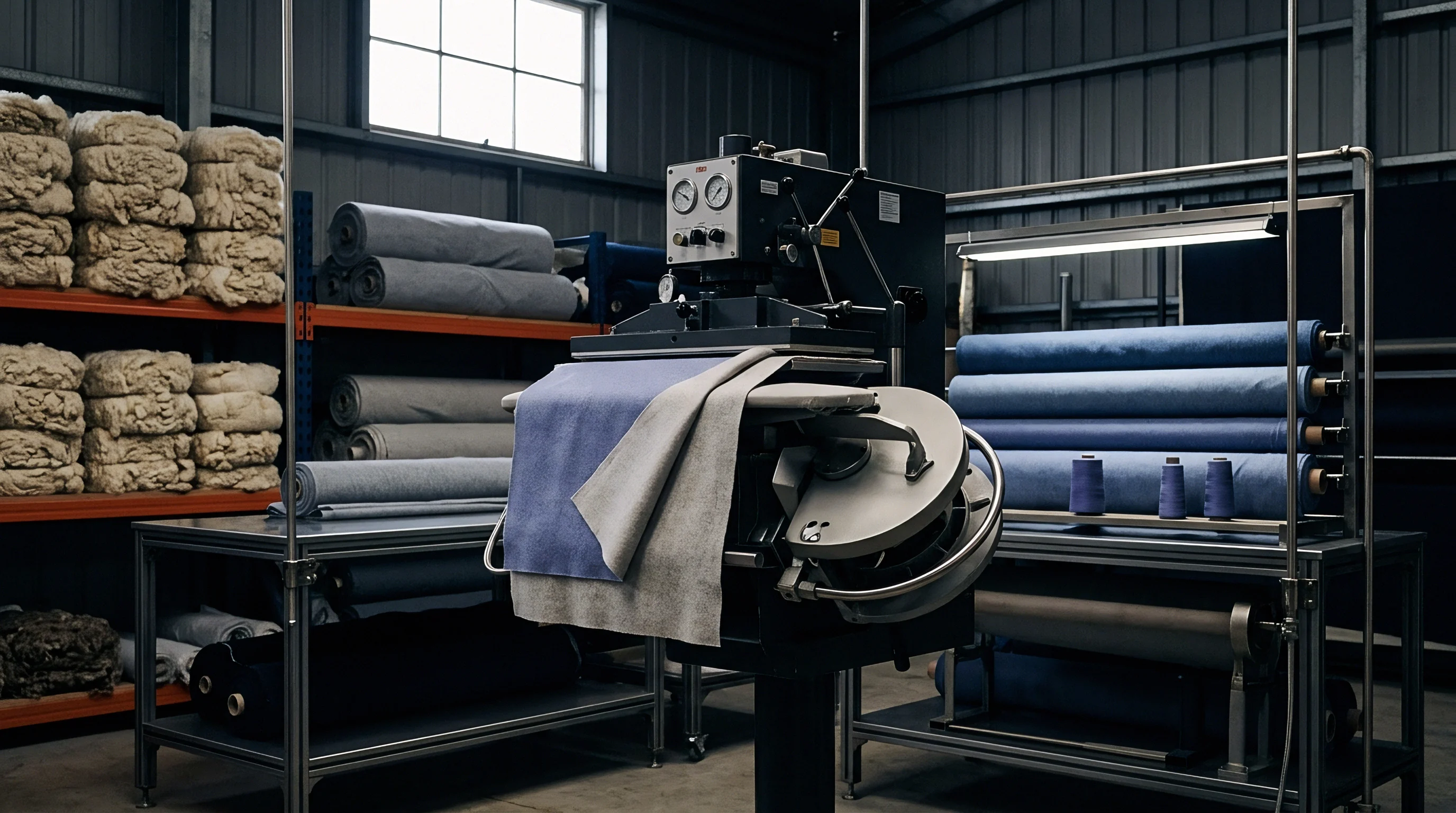
Physical sampling tables present the first opportunity to verify spatial chemical gradients before containers depart factory gates. Mill quality departments habitually harvest swatches from scrap yardage generated during startup or from roll ends immediately adjacent to seam splices. These locations exhibit extreme non-steady-state chemical deposition, capturing excessive coat weights and erratic solvent flashing.
Conversely, procurement auditors who request swatches without detailing excision coordinates receive hand-picked central specimens stripped of operational peripheral reality.
Accredited laboratories operating under ISO 17025 test exactly what they receive in the specimen bag. If an incoming swatch represents an isolated, low-weight central cut, the gas chromatography-mass spectrometry instrument returns an immaculate analytical pass. The resulting test report protects the testing house legally but leaves the importer completely exposed to border retests.
A defensible verification protocol governs specimen excision geometry, extraction solvents, and spatial sampling plans across the full width of the finished web.

Should Lot Acceptance Rely on Stratified Sampling?
Traditional random cut plans fail because chemical concentration is a deterministic spatial function rather than an uncorrelated random variable. Stratified cross-deckle cutting isolates the physical mechanisms driving additive concentration. Inspectors cut coupons across three distinct transverse zones: outer selvages within ten centimeters of lateral pins, intermediate quarter-deckle bands, and the roll centerline.
Each zone is bagged, labeled, and tested as an independent analytical specimen rather than combined into a composite blend.
Retesting confirmed lots drains operating margin. By analyzing discrete stratified specimens, the quality engineer identifies whether chemical contamination stems from systemic batch over-dosing or localized curing failures. If selvage coupons fail while central and quarter coupons clear statutory limits by wide margins, the mill adjusts edge exhaust airflow or resets knife blade dams without reformulating entire compound silos.
Stratified testing converts unpredictable market surveillance surprises into controllable mechanical adjustments.
- Roll Unwinding and Tension Stabilization requires drawing three full web meters past initial leader seams to eliminate static tension distortions before laying cloth across inspection tables.
- Transverse Strip Excision isolates a continuous twenty-centimeter wide band across the full web width, marking operator side, centerline, and drive side perimeters clearly with insoluble textile crayons.
- Zonal Punching extracts ten circular coupons of one hundred square centimeters area each from predefined cross-deckle coordinates: two outer edges, four quarter points, and four center specimens.
- Hermetic Packaging seals specimens immediately into fluoropolymer-lined vapor barrier envelopes to prevent volatile solvent evaporation or cross-contamination during dispatch to testing laboratories.
- Gas Chromatography Solvent Extraction subjects each zonal set to separate chemical extraction under DIN EN 17131 for dimethylformamide or EN ISO 14389 for phthalates without composite dilution.
Single failures stall complete container entries. When testing technical textiles for persistent organic pollutants under European Union Regulation 2019/1021, detection limits drop to parts-per-billion levels for perfluorooctane sulfonic acid and perfluorooctanoic acid. At these analytical thresholds, cross-contamination from handling gloves or plastic packing wraps invalidates entire laboratory runs.
Clean extraction protocols specify pre-cleaned glass containers, pesticide-grade methanol solvents, and dedicated ultrasonic extraction baths maintained below forty degrees Celsius to suppress analyte thermal decomposition.
| Analyte Class | Standard Test Method | Extraction Solvent | Limit of Detection | Critical Spatial Target |
|---|---|---|---|---|
| Residual Solvents (DMFa, DMAC) | DIN EN 17131 / GC-MS | Methanol / Ultrasonic | 10 mg/kg | Tenter Exhaust Margins |
| Phthalate Plasticizers | EN ISO 14389 / GC-MS | Tetrahydrofuran / Precipitation | 50 mg/kg | Knife Edge Build Zones |
| Organotin Compounds | ISO 22744-1 / GC-MS | Methanol-Tropex / Derivatization | 0.05 mg/kg | Condensation Water Paths |
| PFAS Surfactants | CEN/TS 15968 / LC-MS-MS | Methanol / SPE Cleanup | 0.010 mg/kg | Evaporative Outer Face |
| Short-Chain Chlorinated Paraffins | ISO 18219-1 / GC-ECNI-MS | Toluene / Ultrasonic | 50 mg/kg | Heavy Calendered Bands |
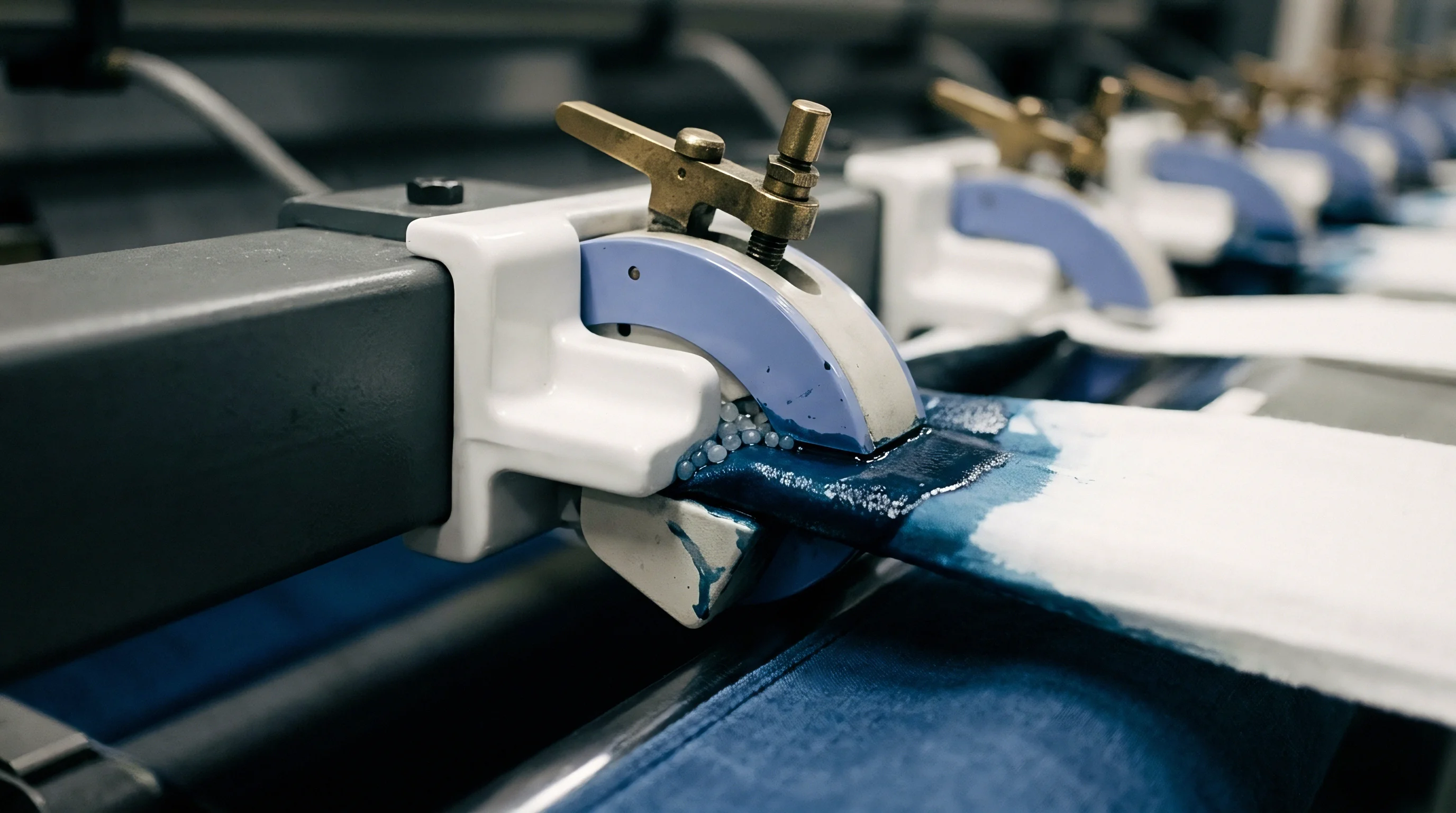
Specimen Extraction Geometry and Analytical Extraction Limits
Solvent extractions extract plasticizers quantitatively. Laboratories testing coated textiles face challenges when dissolving multi-layer structures containing polyvinyl chloride skins over polyamide substrates. Complete dissolution in tetrahydrofuran followed by methanol precipitation extracts plasticizers completely, but risks precipitating high molecular weight polymer chains that foul capillary chromatography columns.
Incorrect solvent ratios leave significant fractions of restricted plasticizers bound within the insoluble textile matrix, generating false passing certificates.
Customs laboratories employ aggressive pressurized liquid extraction techniques that liberate locked analytes from both coating layers and internal yarn structures. When private laboratories use gentle room-temperature ultrasonic shaking, they extract only surface-accessible chemicals, understating the true chemical mass by twenty to forty percent. Importers relying on weak extraction data discover that state surveillance laboratories use accelerated solvent extraction at one hundred degrees Celsius, pulling every milligram of restricted substance from the core and triggering rapid noncompliance alerts.
A laboratory report following EN ISO 14389 measures only extractable plasticizer mass unless pressurized fluid extraction dissolves the underlying polymer network completely.
Purchase contracts that stipulate testing must occur according to accredited laboratory methods without binding the mill to edge-specific extraction coordinates surrender all legal protection once goods cross customs thresholds.


Disposition
Customs inspectors pull edge swatches first. National border agencies and environmental surveillance bodies do not sample incoming freight to confirm manufacturer compliance averages. Border authorities sample cargo specifically to locate noncompliance, cutting accessible coupons directly from roll extremities inside shipping containers.
When customs laboratories run gas chromatography on selvage swatches and detect dimethylformamide at 680 mg/kg, the container enters mandatory detention regardless of mill composite certificates showing 220 mg/kg.
Detention at entry ports triggers compounding operational costs that rapidly exceed the landed cargo value. Demurrage charges on sea containers accumulate daily while regional authorities run confirmation testing. Commercial buyers cannot re-export noncompliant chemical goods under European Union customs codes; products containing substances exceeding REACH Annex XVII restrictions or Persistent Organic Pollutant ceilings must undergo certified hazardous waste destruction at the importer’s direct expense.
The presence of a passing transaction certificate provides zero legal defense against border confiscation orders.

Border Detention Exposure under Non Homogeneous Contamination
Regulatory enforcement mechanisms treat the single failed coupon as representative of the entire customs tariff item. Market surveillance databases publish public notifications that link brand names to chemical noncompliance, mandating immediate product withdrawals from downstream retail channels. For coated architectural textiles, automotive upholstery, and protective equipment broadcloth, post-clearance recalls require tracking fabricated components through finished assembly plants, multiplying direct product losses into massive commercial liabilities.
The contract clause reallocates detention tariffs. Savvy procurement operations no longer accept generic compliance warranties stating that textiles meet international regulations. Purchasing agreements tie batch acceptance to Bayesian spatial compliance thresholds, stipulating that any single cross-deckle coupon exceeding statutory cutoffs constitutes total lot failure.
These contracts force mills to provide multi-zone testing data covering selvage, quarter, and center positions for every production master roll prior to issuing commercial shipping releases.

Commercial Allocation of Latent Chemical Noncompliance
Standard force majeure and chemical defect clauses consistently fail to protect buyers from spatial contamination liabilities. Mills argue that non-uniform distribution represents an inherent physical property of knife coating lines, claiming exemption from latent defect claims once the buyer accepts initial composite pre-shipment swatches. Without explicit contractual definitions of spatial sampling geometry, legal arbitration panels routinely rule that buyers assume full regulatory risk once cargo leaves domestic factory loading docks.
Effective procurement dossiers incorporate specific chemical indemnification language. The contractual specification binds the seller to indemnify the purchaser against all customs seizures, border destruction fees, administrative fines, and downstream recall damages arising from restricted chemical concentrations found anywhere within the broadcloth web. Furthermore, the agreement mandates that mills maintain retained physical edge cuts from every master roll for twenty-four months, allowing direct forensic re-testing whenever regulatory authorities challenge container integrity.
Miscalculating spatial chemical variation leaves the importing organization bearing total financial liability for destroyed inventory, regulatory penalties, and severed retail contracts.