Chemical solvent
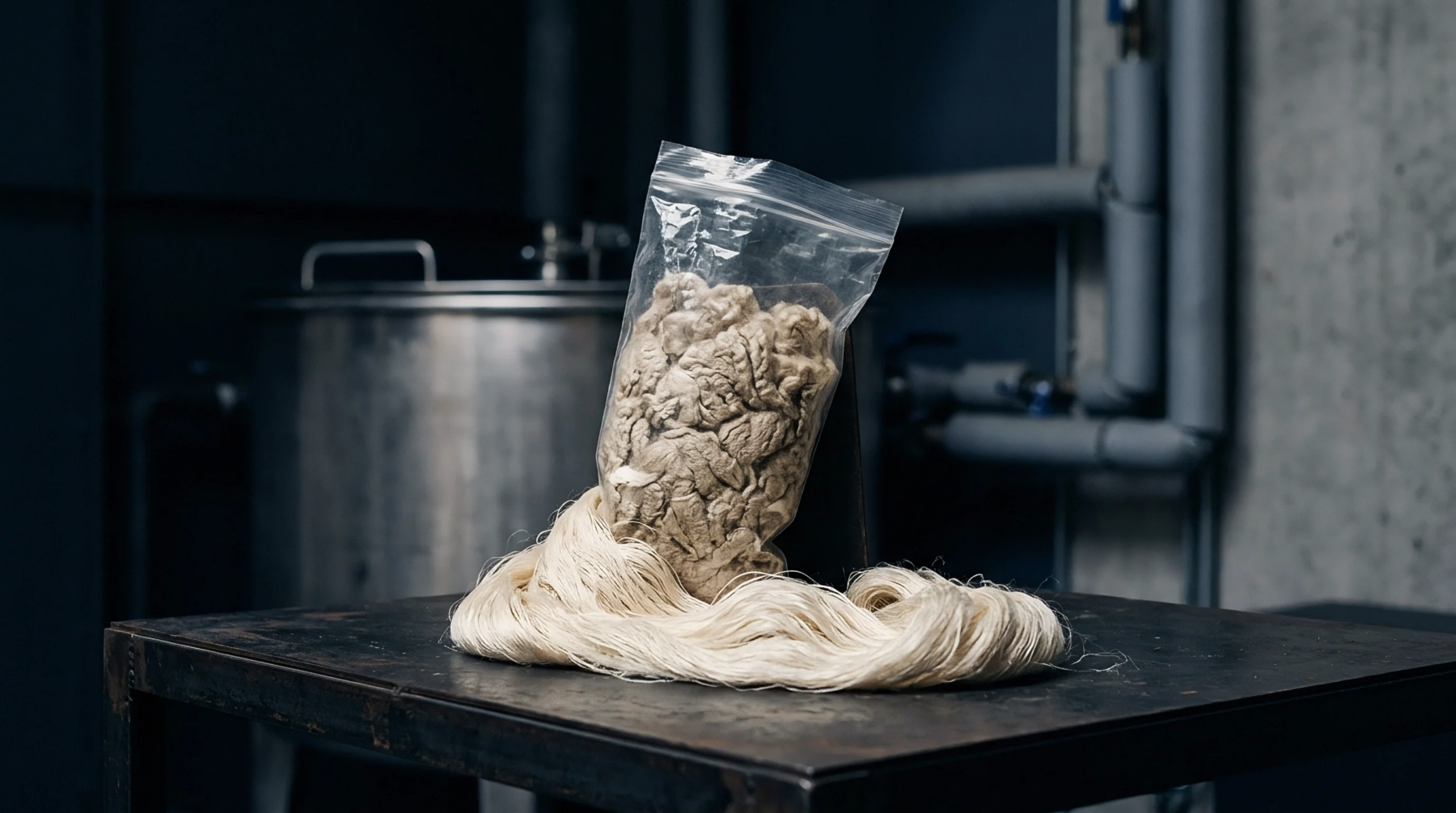
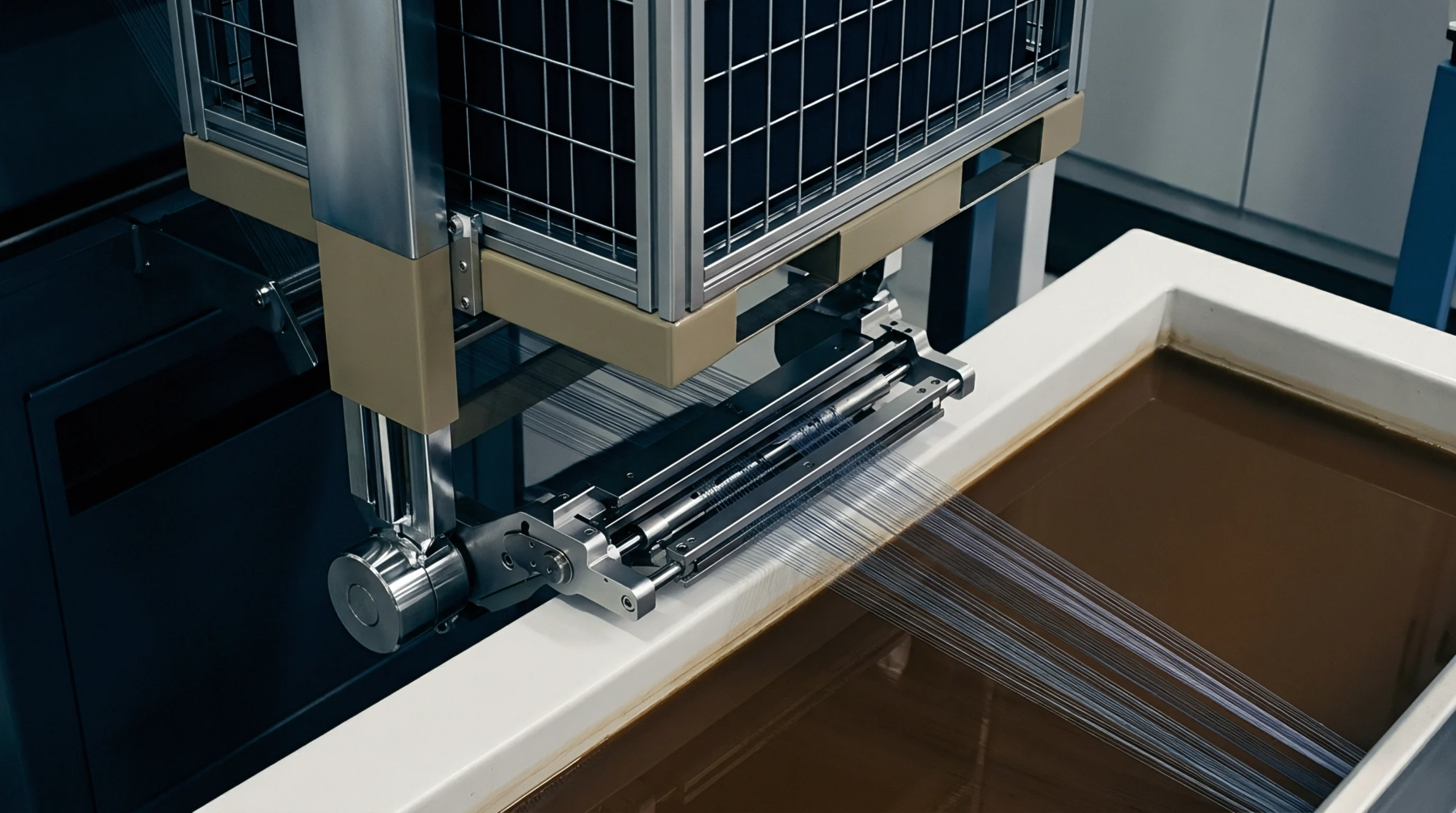
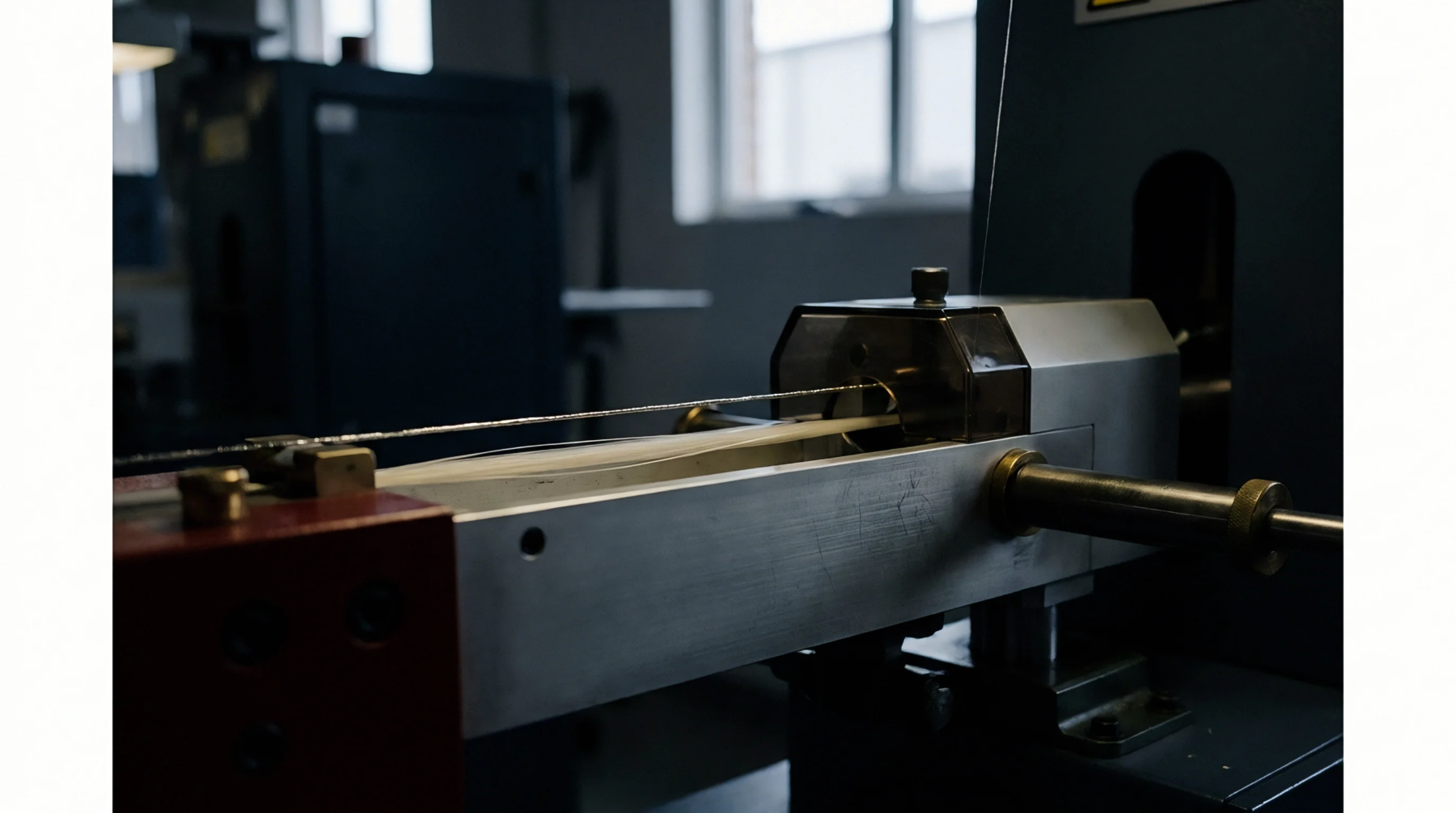
A clear organic compound functions as a critical medium for the high volume spinning of synthetic fibers like acrylic and elastane. Specialized factories utilize dimethylformamide to dissolve raw polymers into a liquid state suitable for extrusion through fine spinnerets. The chemical facilitates the transformation of hard resin into pliable textile filaments for garment construction.
Processing requires strong solutions.
Industrial cycle
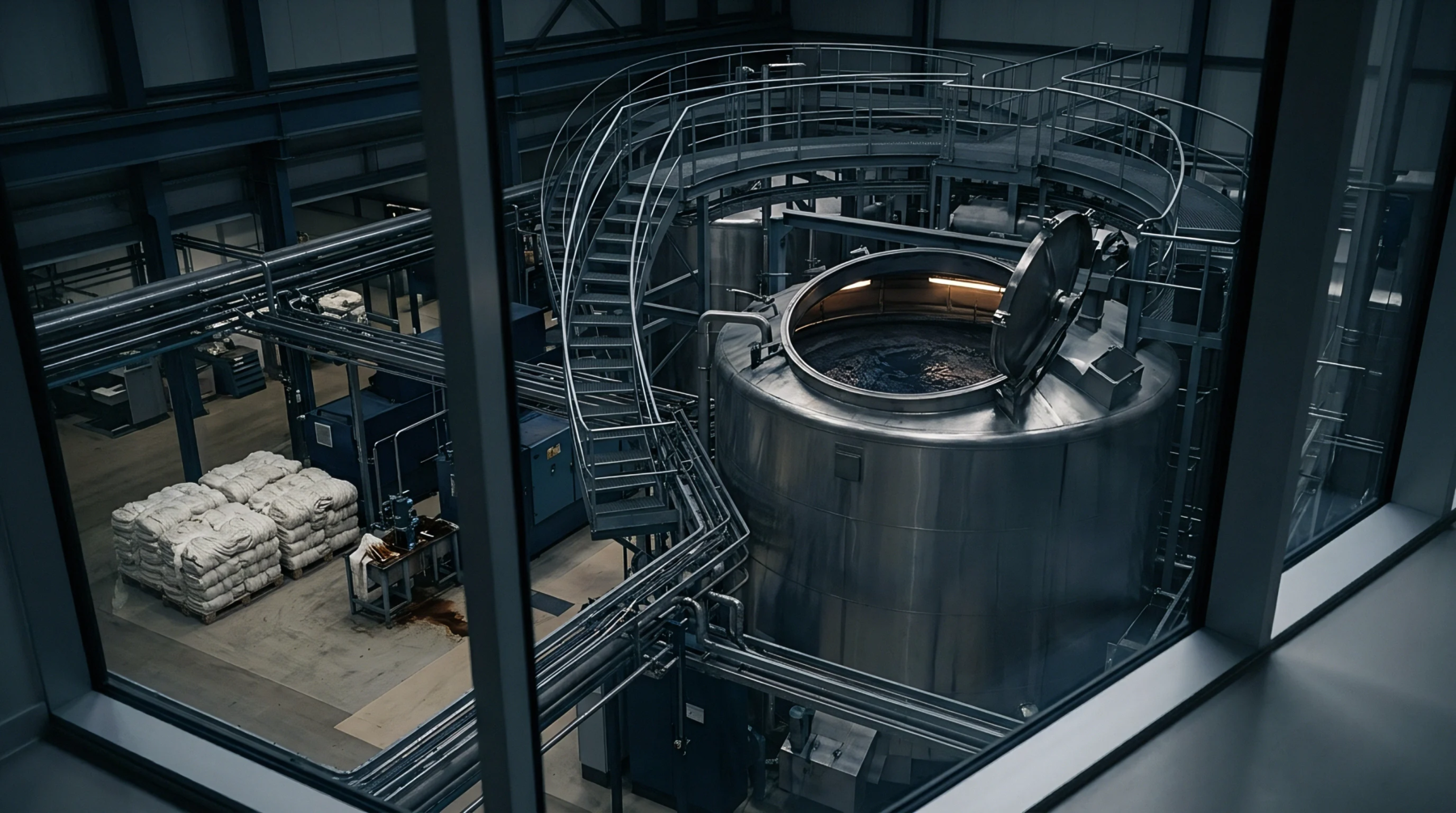
Efficient production depends on the reliable recovery of the solvent after the fibers have hardened in the spinning path. Because dimethylformamide is both flammable and subject to environmental limits, manufacturers use enclosed systems to trap the vapors for reuse. These closed loop machines reduce raw material costs and prevent local air contamination near the mill site.
Safe handling is strictly enforced.
Health safety
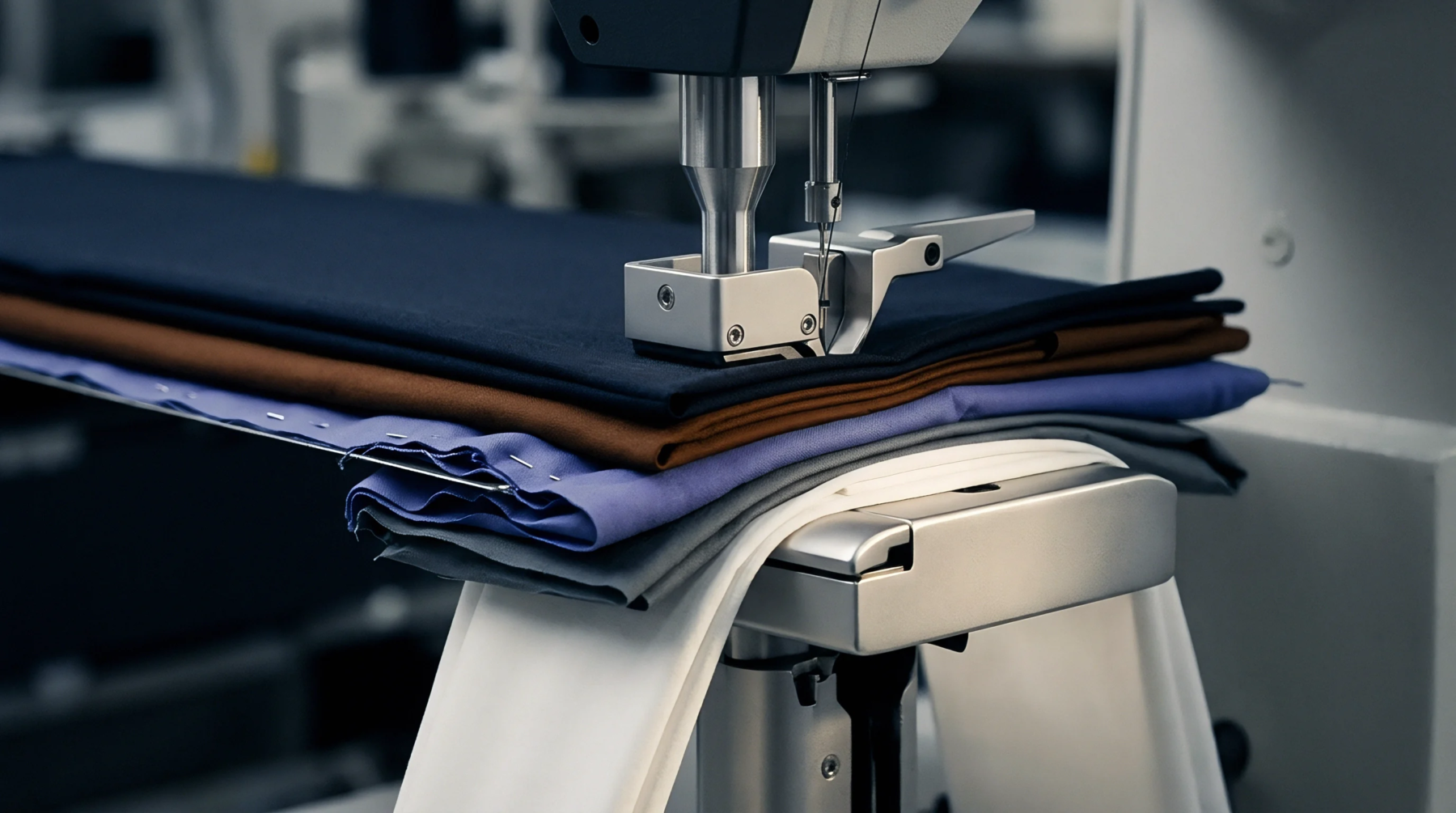
Strict monitoring protocols assess the airborne concentrations to protect personnel from overexposure during the extrusion process. When traces of dimethylformamide appear in laboratory checks of finished fabric, it indicates incomplete washing at the finishing plant. Mills must rinse the processed cloth thoroughly to ensure the final product meets consumer safety certifications.
Residual limits protect everyone.
Chemical limit
Regulations focus on the parts per million present in the water supply and the fiber matrix. Although dimethylformamide is indispensable for dry spinning, it is being restricted in many jurisdictions due to health concerns. It remains a crucial tool.