Solvent Identity
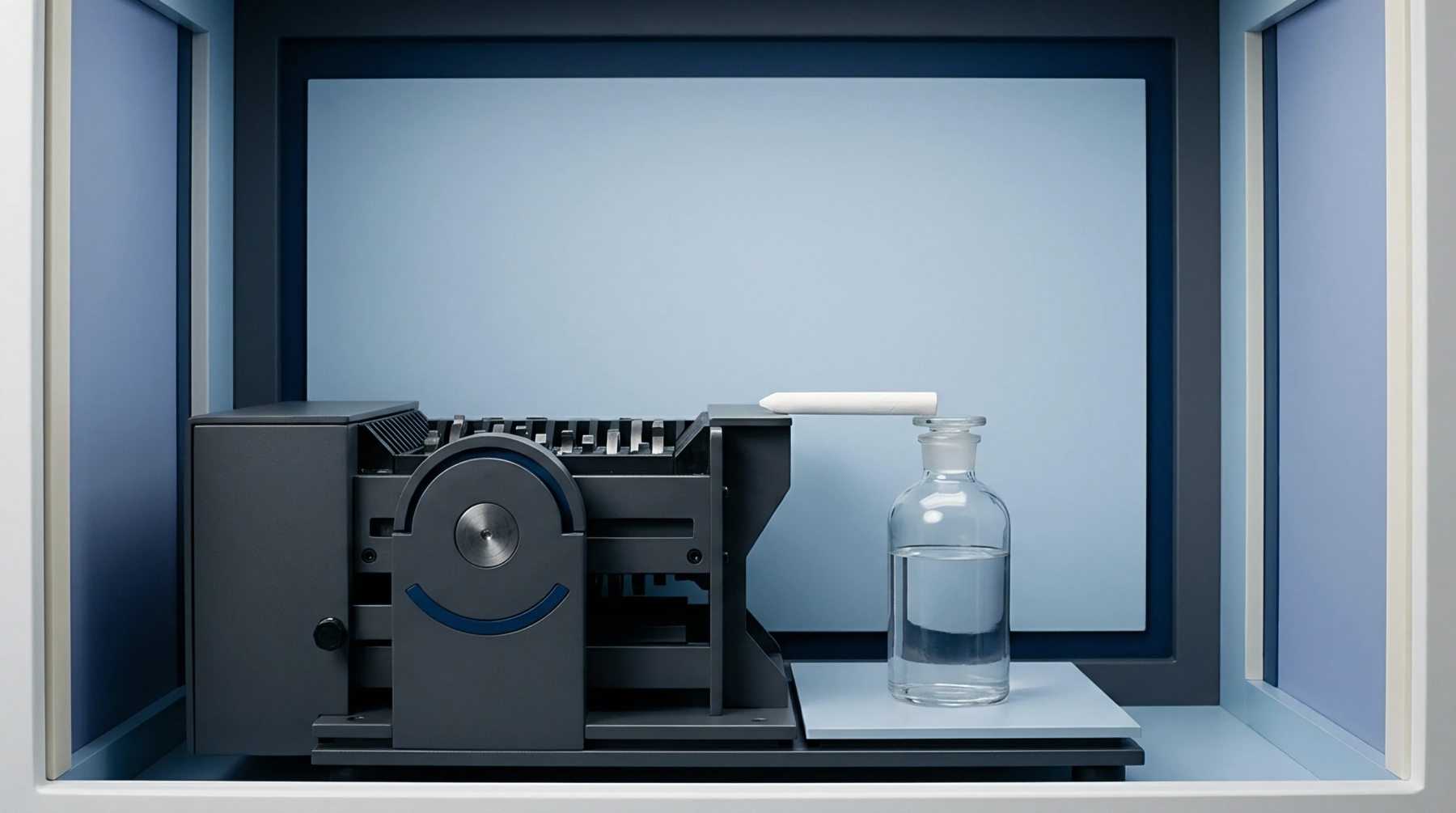
Polar aprotic liquid molecules defined by a high dielectric constant enable the dissolution of synthetic polymers like polyurethane and polyacrylonitrile for industrial fiber spinning and coating operations. Dimethylformamide acts as a versatile reaction medium within the textile chemical sector because the dipole moment allows for consistent interaction with both ionic and nonpolar molecular architectures. Its physical range remains bounded by a boiling point of 153 degrees Celsius and a freezing point of minus 61 degrees Celsius, properties that dictate the containment protocols during high-temperature thermal drying phases in production.
Manufacturers track the volatility of this liquid through vapor pressure monitoring to ensure the workspace maintains concentrations below the thresholds required for occupational health. Evaporation rates vary with air flow velocity, forcing specialized recovery systems to capture off-gases before atmospheric release.
Application Utility
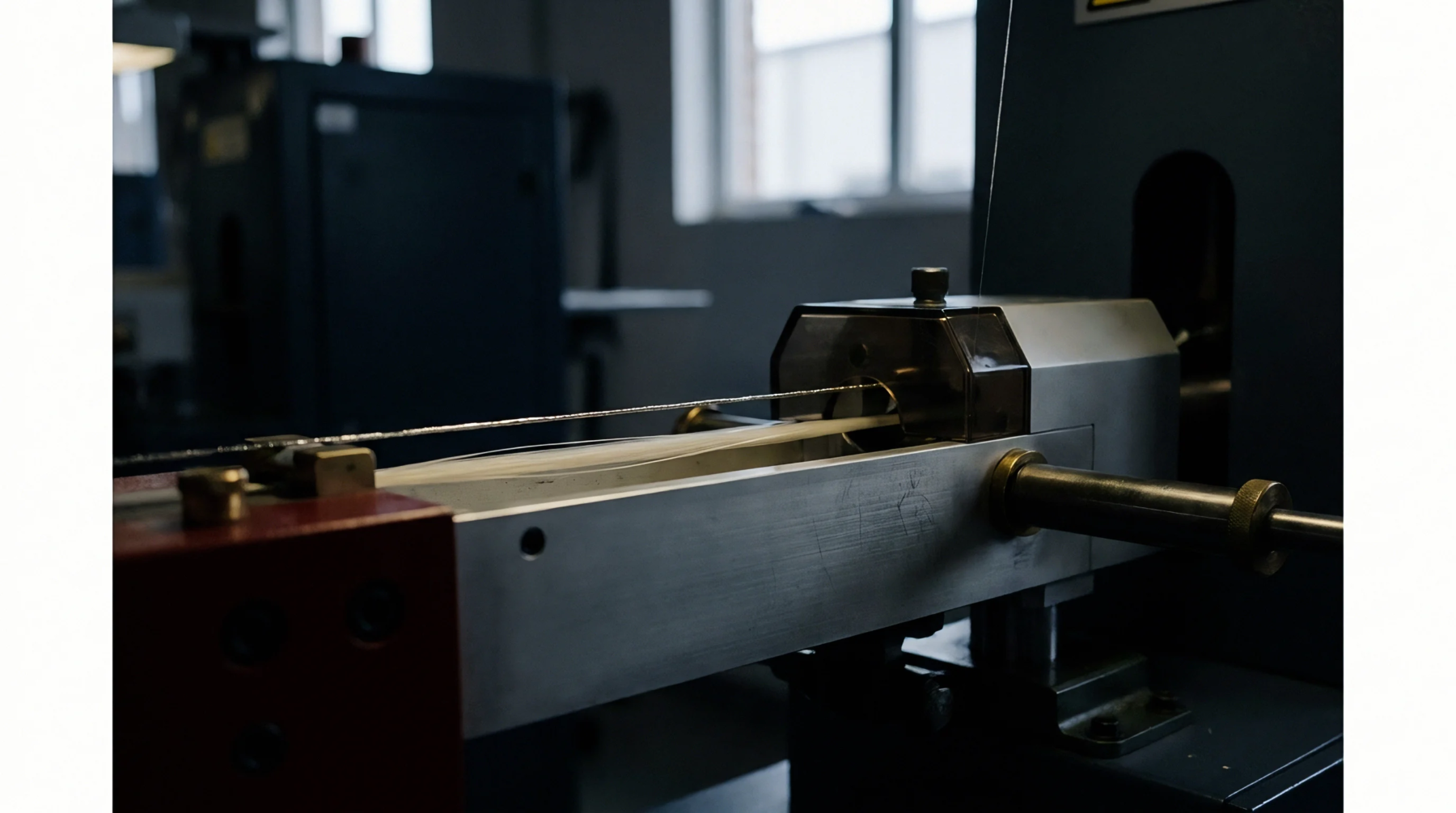
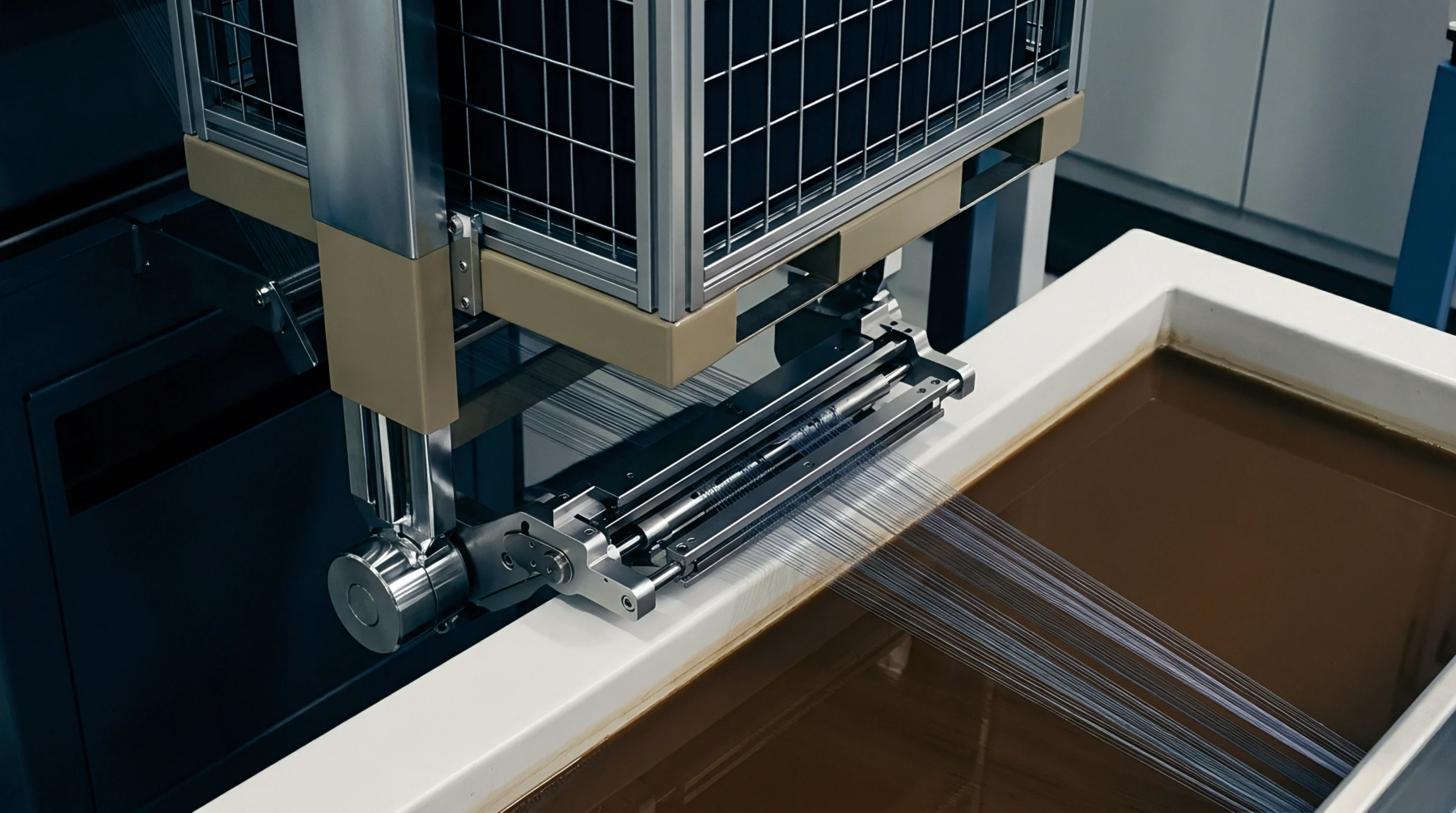
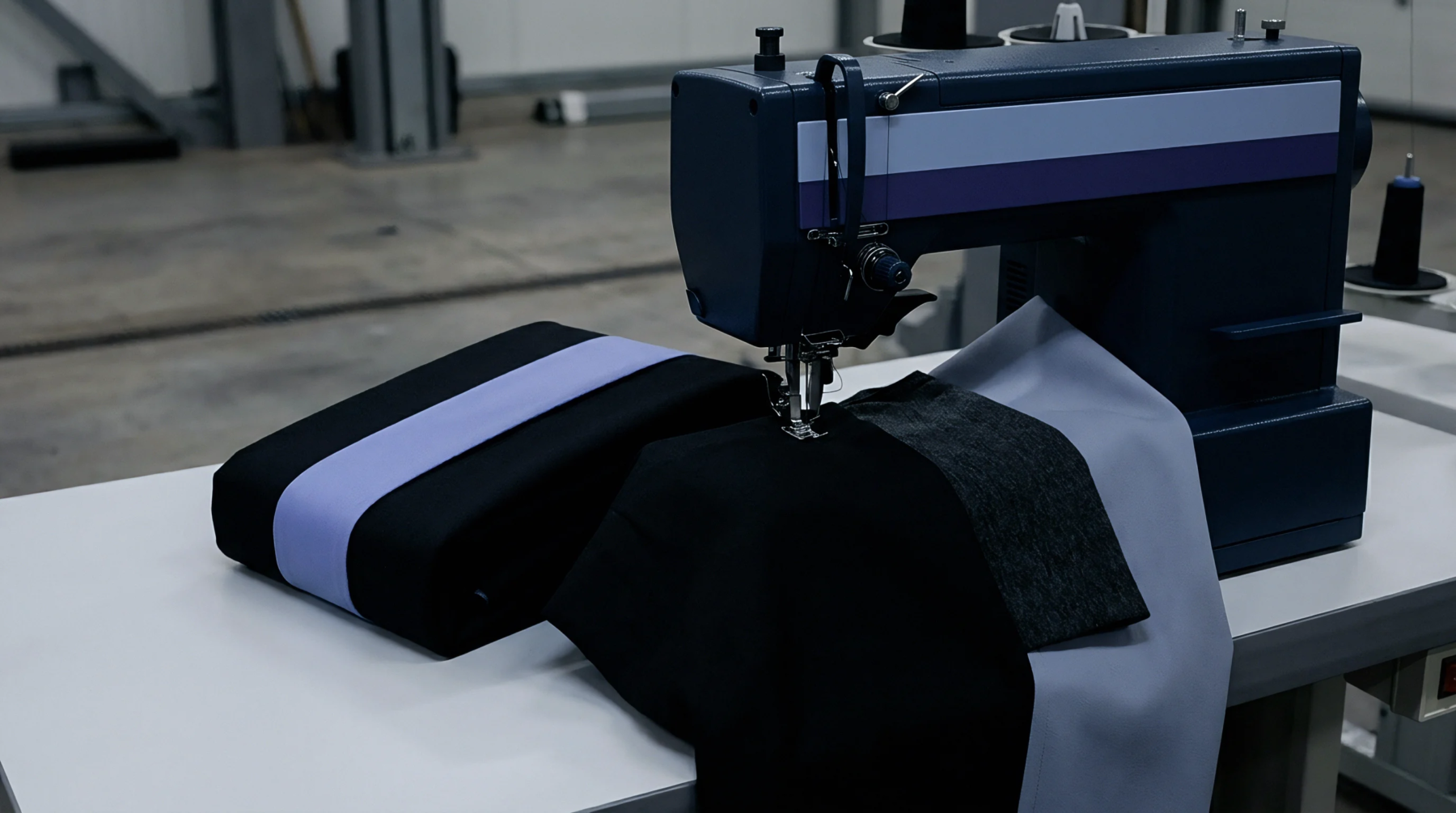
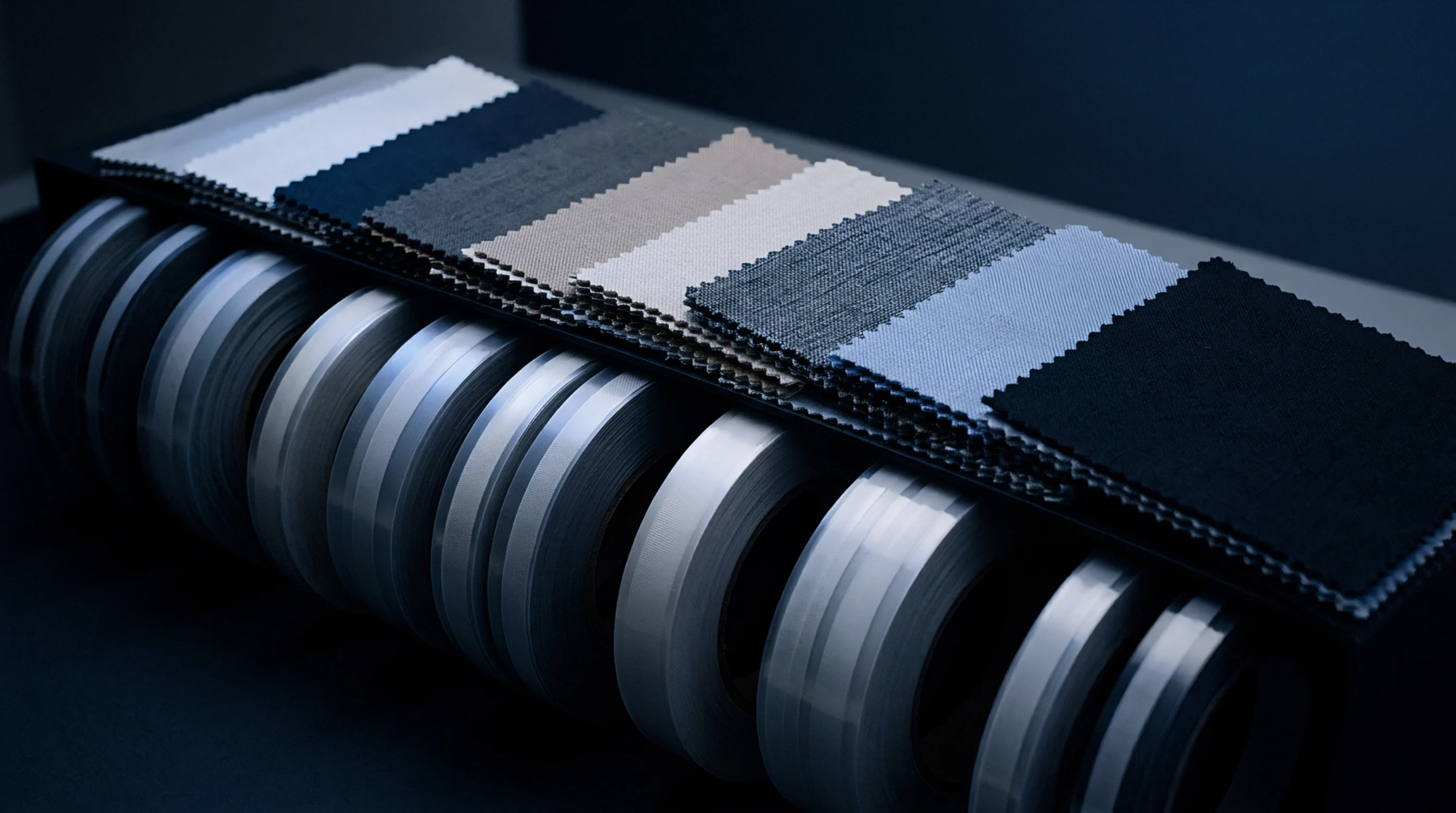
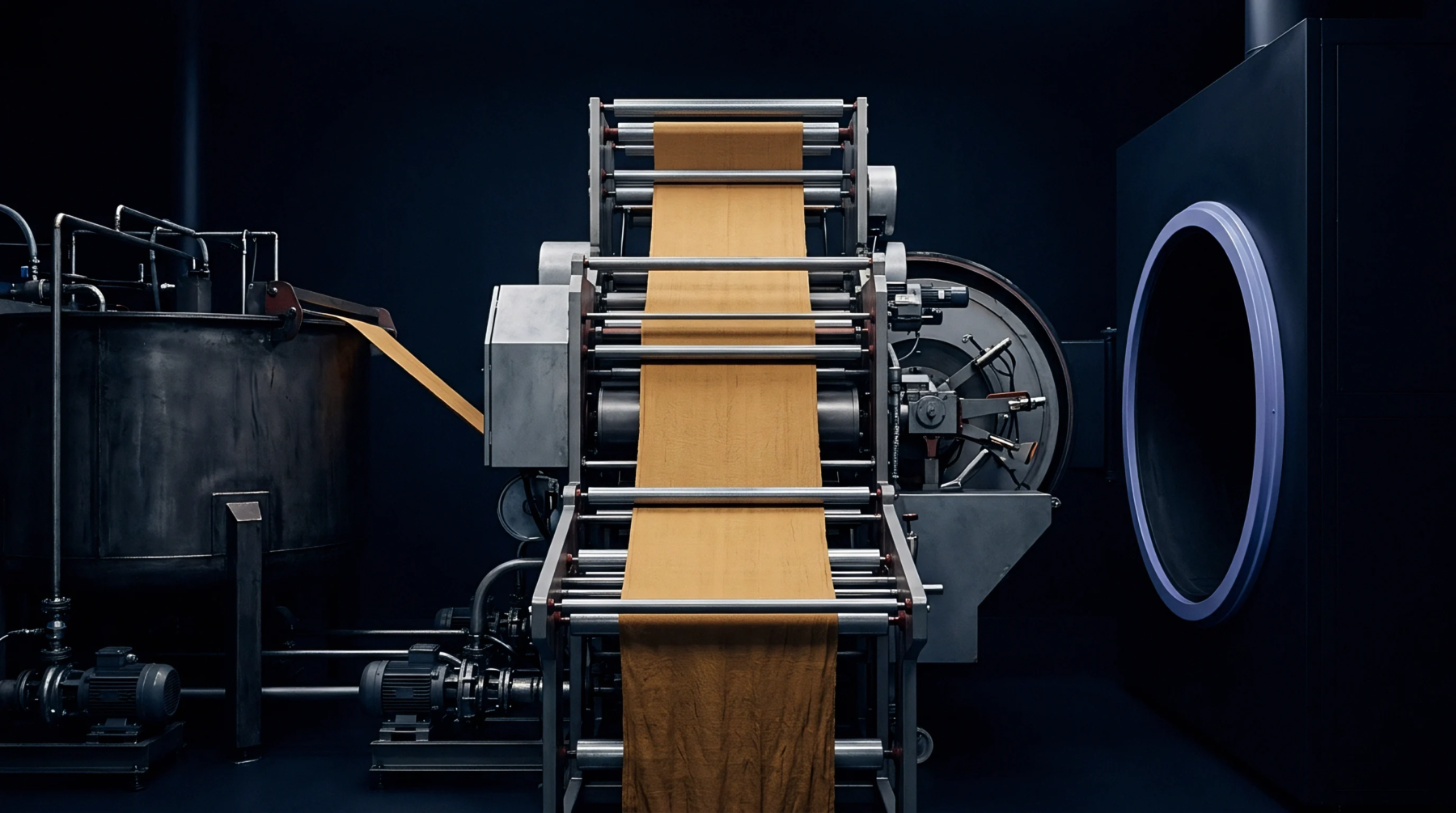
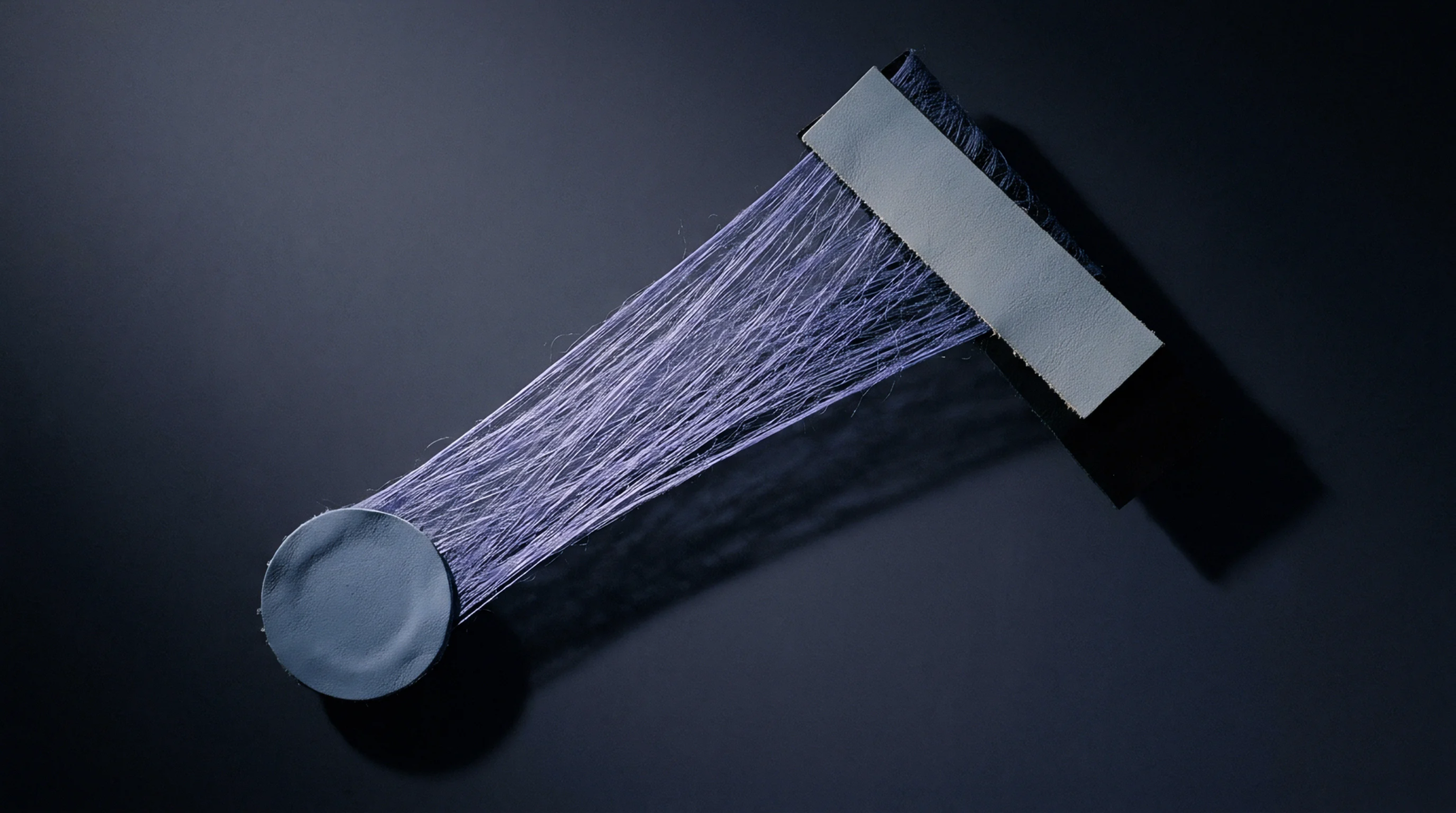
Synthetic textile plants rely upon this chemical agent to maintain consistent viscosity levels during the wet spinning of acrylic fibers. The substance penetrates the internal matrix of extruded filaments, allowing for the precise alignment of molecular chains that grants finished yarns their physical strength and uniform texture. Operators adjust the dilution ratios to manage the tension of filaments moving across rollers in the washing bath, ensuring the removal of solvent residues occurs before the winding stage begins.
Consistent purity levels prevent the formation of gel particles that degrade the structural integrity of the final fabric.
Production Boundary
Regulatory standards constrain the residual levels found within finished garments to protect human skin from chemical absorption during prolonged wear. Testing laboratories verify the absence of this solvent by heating a sample of cut fabric within a sealed chamber and analyzing the headspace gas through chromatographic separation. If the concentration exceeds the parts per million limit set by ecological textile labels, the batch undergoes additional heating in a high-ventilation vacuum chamber to lower the residual content.
Discrepancies between laboratory findings and bulk production often stem from incomplete solvent removal during the final rinsing cycle of the fabric finishing sequence. Proper drying duration remains the primary mechanism for meeting these stringent safety requirements.
Hazard Management
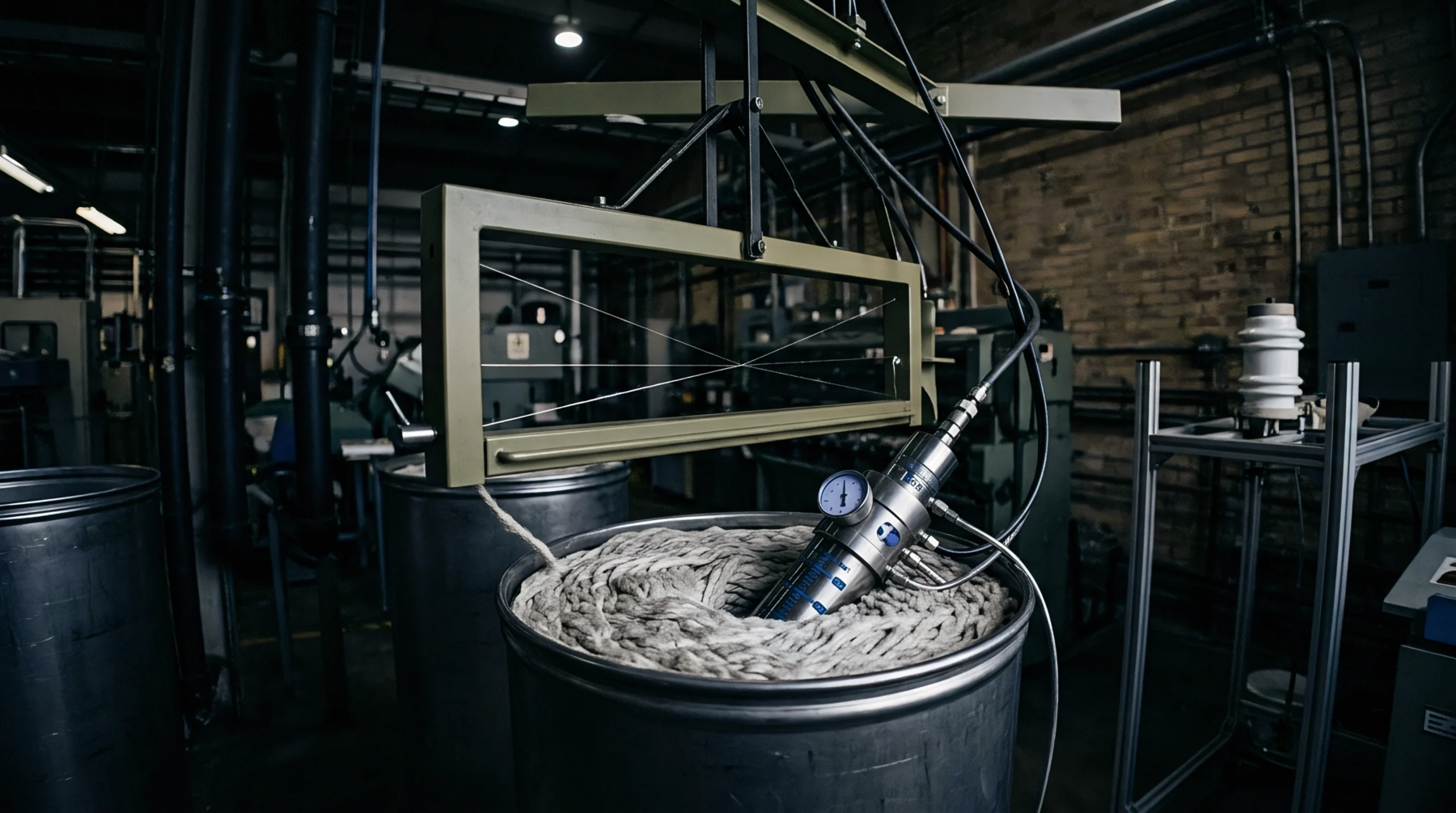
Occupational exposure protocols dictate the use of closed-loop delivery systems to prevent liquid contact or vapor inhalation throughout the factory floor. Pumps and pipes require gaskets manufactured from materials like butyl rubber or polytetrafluoroethylene, as the chemical rapidly degrades conventional neoprene or natural rubber seals. Personnel monitor the air quality near drying ovens because thermal breakdown of the liquid generates toxic decomposition products when exhaust systems fail.
Storage tanks feature dry nitrogen blankets to prevent moisture uptake, since water contamination alters the performance characteristics of the bath and complicates the recovery process. Proper ventilation and solvent recycling remain the technical requirements for maintaining stability in any textile environment handling this powerful chemical agent.