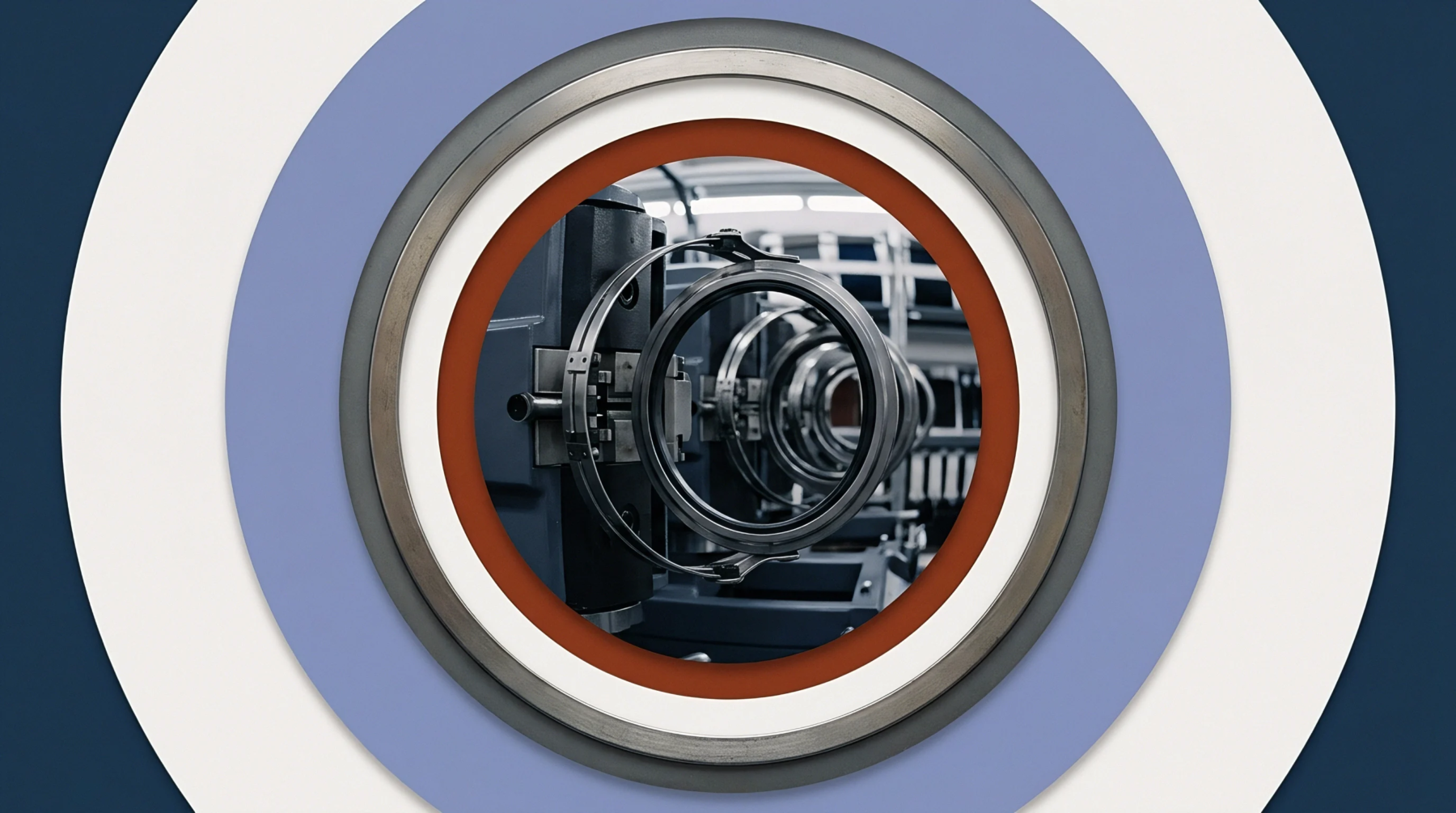
Knitted Construction
Tubular fabric structures produced by continuous needle beds arranged along a rotating or stationary cylinder define this class of looped textile materials. A circular knit forms as knitting needles draw yarn through previously cleared loops along a helical path, generating a continuous tube of intermeshed courses and wales. This production mode covers jersey, rib, interlock, and fleece constructions manufactured on cylinder or cylinder-and-dial machinery, ending at the slit-edge operation where the tube is opened flat for open-width processing or left intact for tubular apparel assembly.
Flatbed knitting and warp-knitting processes lie entirely outside this construction category.
Structural Formation
Cylinder needles reciprocate vertically through cam tracks while yarn feeders introduce thread along the circular path. Single-jersey fabrics use one set of cylinder needles, producing distinct technical faces and backs susceptible to edge curling when tension releases. Double-knit variants introduce dial needles set perpendicular to the cylinder, interlacing opposing loops to form balanced structures that lie flat without curled margins.
Loop length, yarn input tension, and takedown pull determine finished stitch density and areal weight. Fabric spirality frequently develops in single-jersey tubular formats because yarn feeder additions follow a continuous helical progression rather than horizontal tiers.
Quality Checkpoints
Visual inspectors verify circular knit lots on illuminated frames to catch dropped stitches, vertical needle lines, and horizontal barré bands caused by feeder tension variations. Dimensional stability requires checking course and wale density before and after relaxed laundering under industry washing standards. Torque testing quantifies spirality by measuring seam displacement angles on assembled tubular garments after moisture exposure.
Calibrated cut-weight dies cut circular samples across the tube width to confirm consistent grams per square metre from centre to edge.
Industrial Deployment
Apparel factories utilize circular knit tubes directly in seamless underwear and body-width t-shirt manufacturing, bypassing side-seam assembly lines to save cutting labor. When sliced longitudinally, these fabrics convert to wide open-width yardage intended for performance athletic wear, leggings, and casual fleece garments. Elastane plating during circular knitting imparts recovery properties required for activewear, though tension imbalances between feeder filaments yield internal elastane breakages.
Finishing mills run tubular goods through continuous compactors to neutralize residual loop elongation imposed by machine takedown rollers.