Fluid Machinery
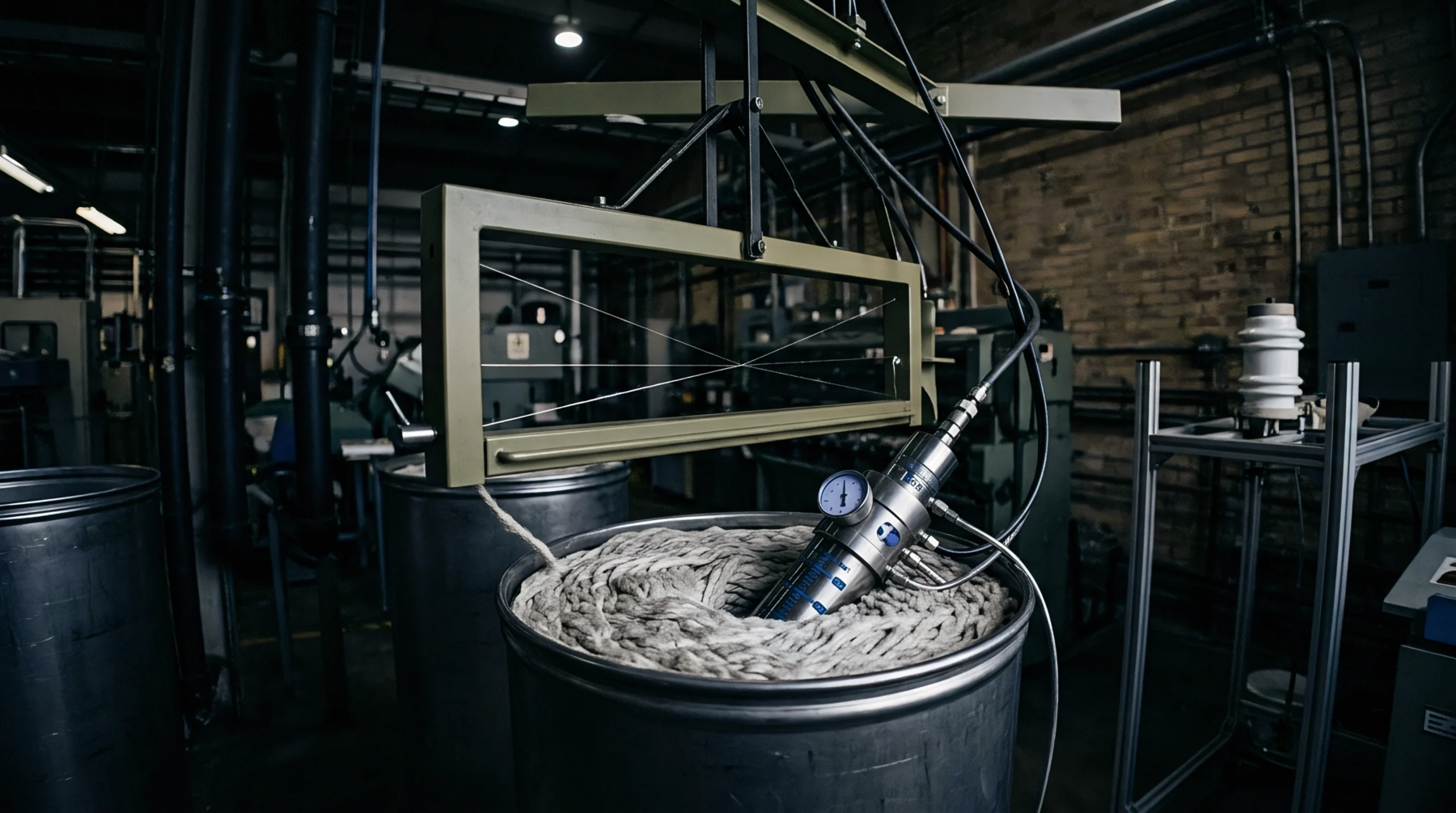
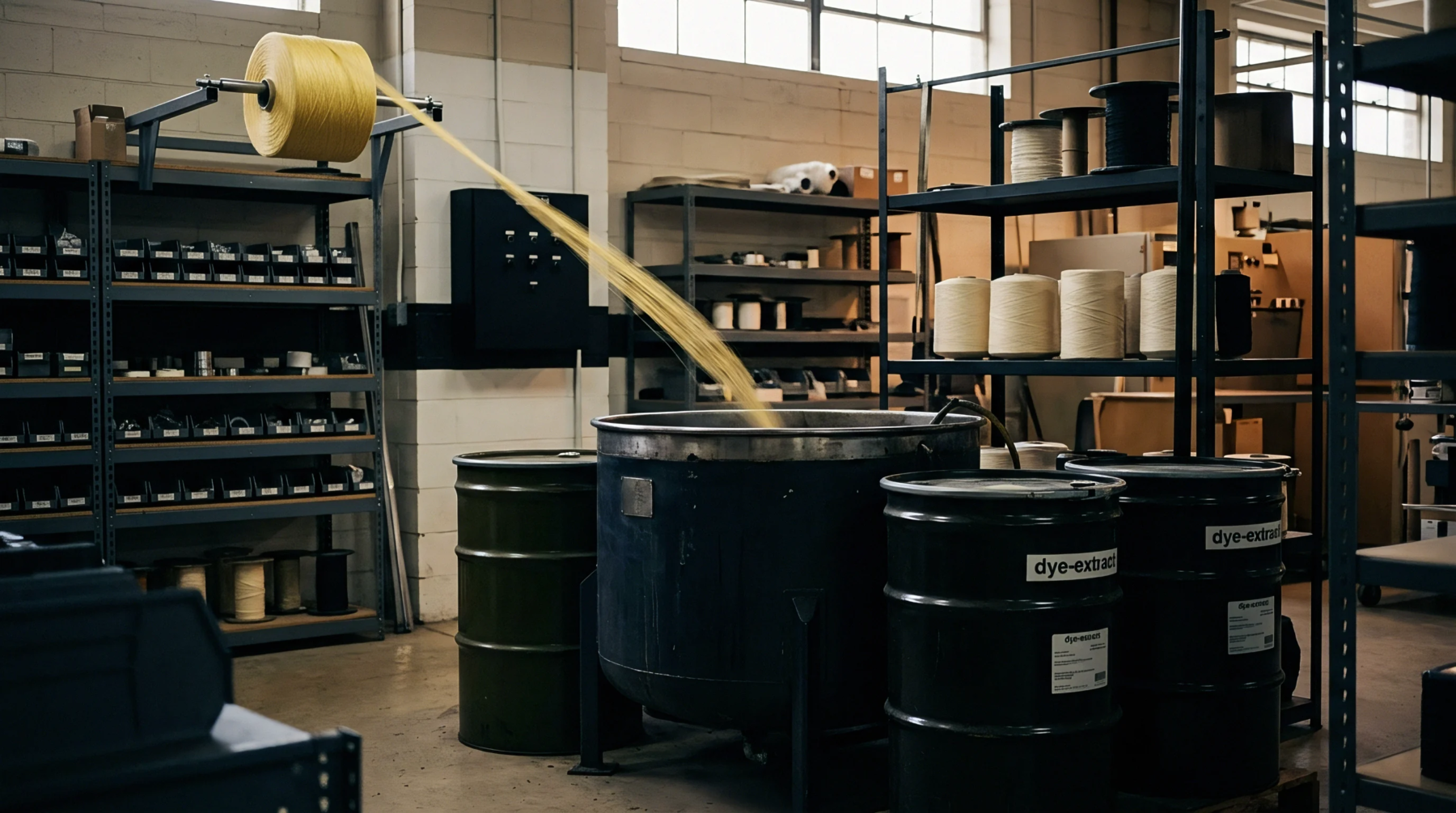
Pressurized coloration machinery uses liquor circulation driven by centrifugal pumps to saturate continuous loops of textile substrates inside closed pressure vessels. Jet dyeing operates at elevated temperatures and pressures to force dye liquor through a Venturi nozzle, accelerating the textile rope and promoting rapid chemical penetration. This processing stage occurs in wet processing mills before finishing and final inspection.
Commercial buyers verify the efficacy of the application by measuring colour fastness to washing and crocking on bulk shipments. The mechanical action reduces water ratios compared with traditional beck machines, altering liquor ratios down to lower levels. Temperature controllers regulate thermal profiles inside the chamber to prevent creases in synthetic knits.
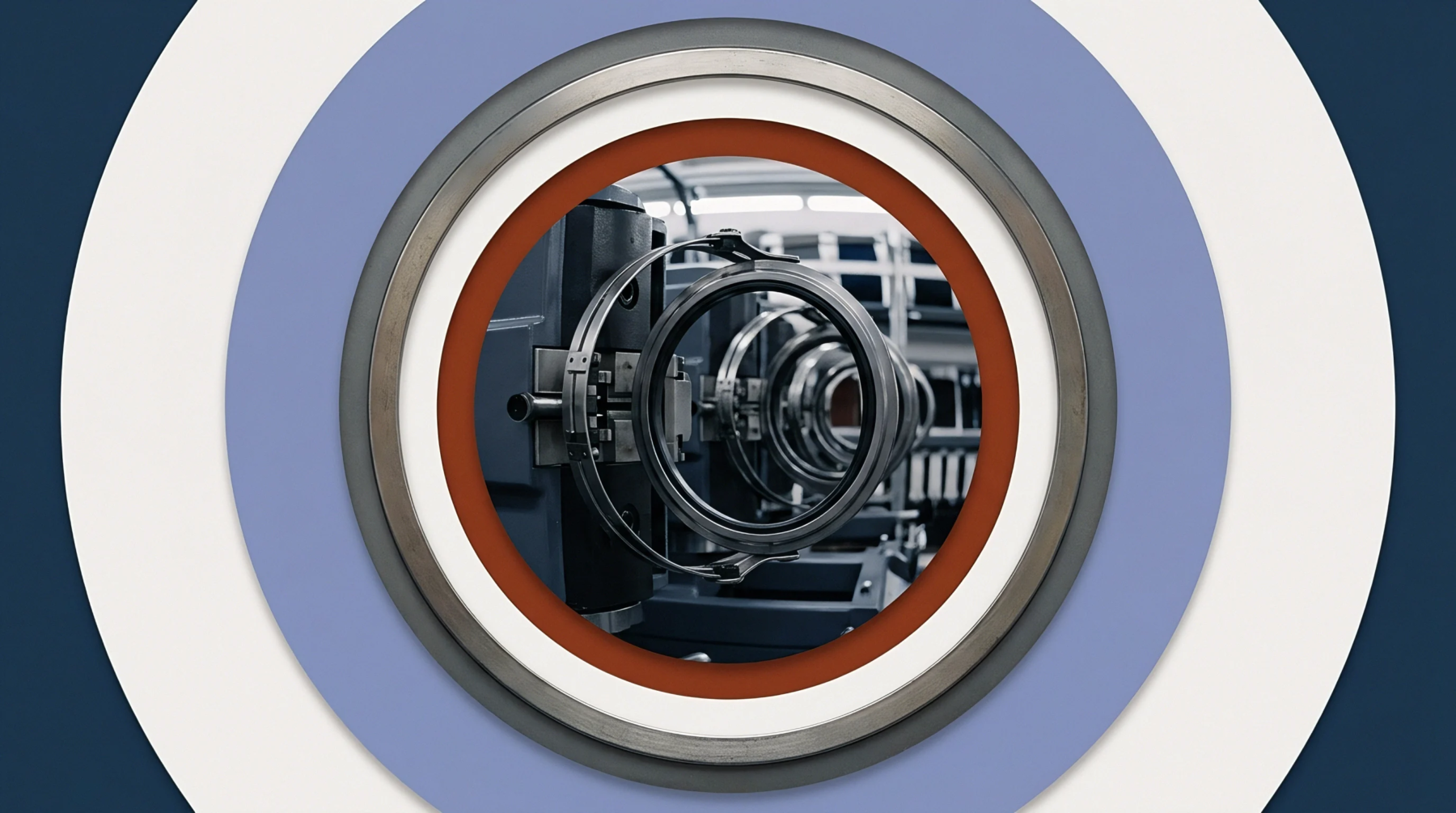
Sealing mechanisms maintain internal pressure during high temperature cycles, preventing boiling and ensuring uniform shade development across the entire rope length.
Hydrodynamic Friction
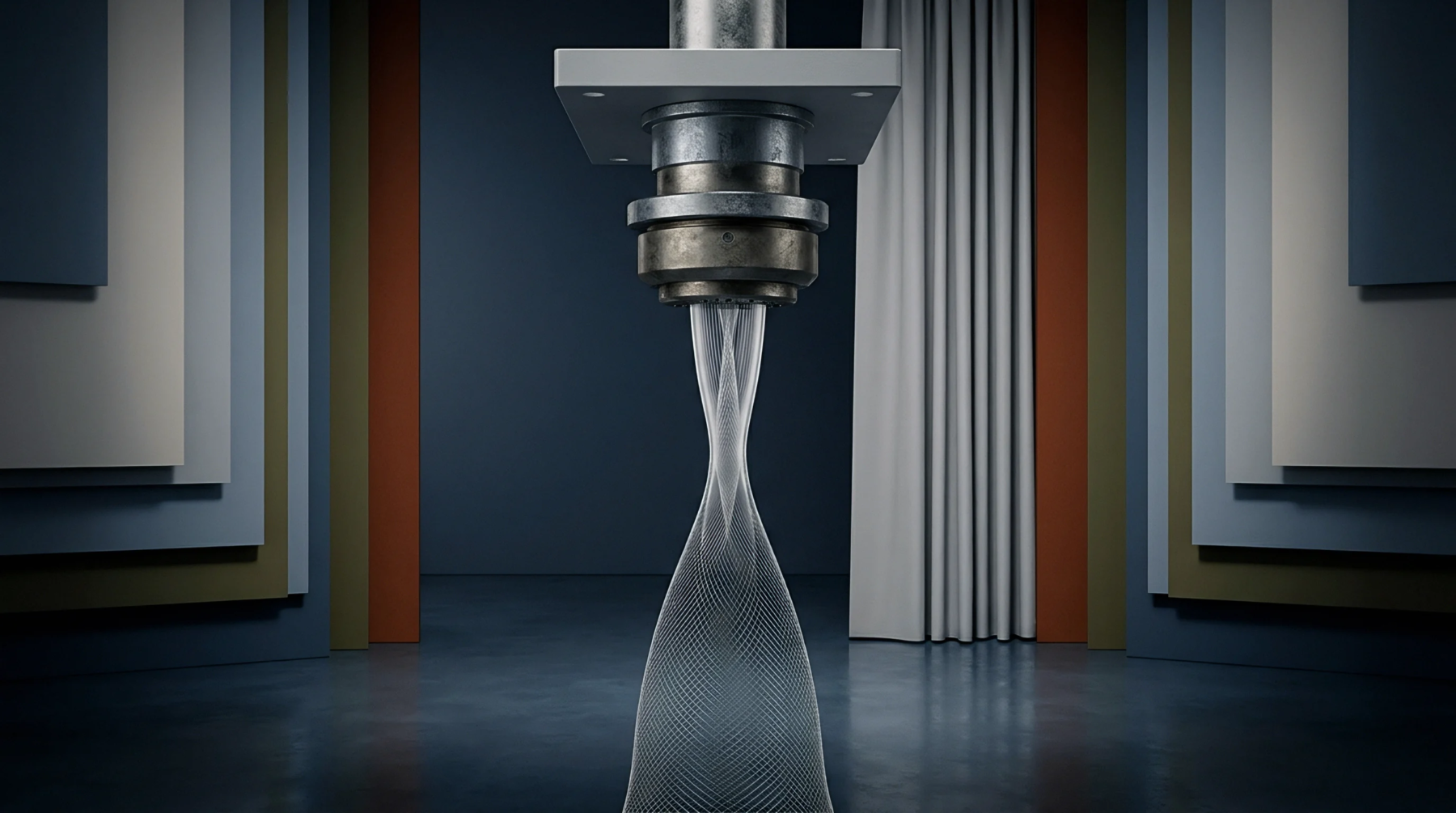
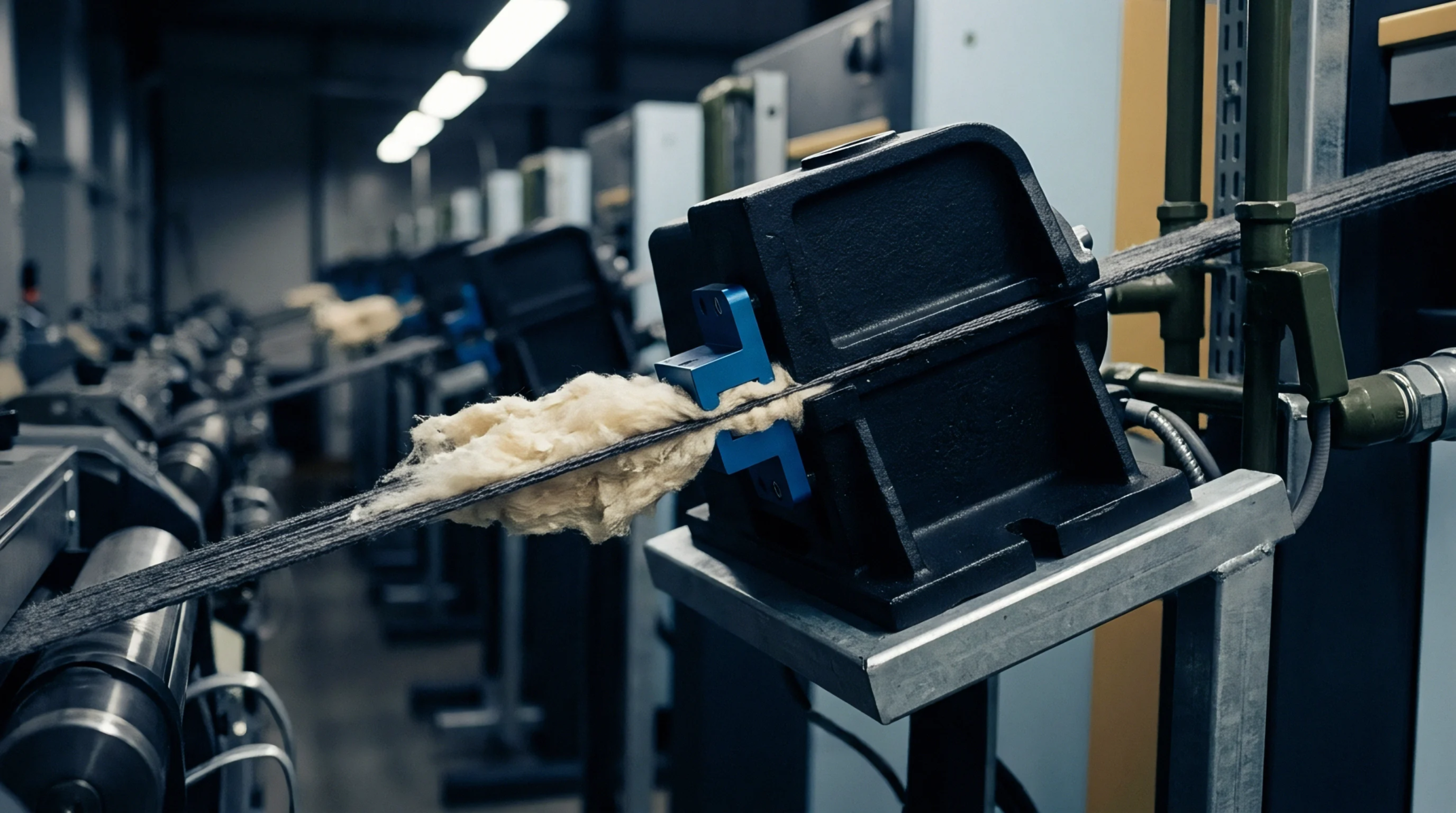
Fluid dynamics govern the transport of fabric ropes through the internal tubing of the pressure chamber. Liquid velocity within the Venturi jet pulls the textile material forward, substituting mechanical winches with hydraulic propulsion. Processing speeds depend on nozzle pressure and pump capacity, directly influencing dye exhaustion rates.
Tension forces remain minimal because the moving liquor carries the substrate rather than pulling it by external rollers. Surface abrasion increases when liquor flow drops below recommended thresholds, causing uneven shade distribution on sensitive filament yarns. Operators monitor differential pressure gauges to detect flow anomalies that might indicate rope tangles inside the kier.
Proper nozzle selection matches the specific fabric weight, preventing excessive turbulence from damaging delicate loop structures during prolonged wet treatment cycles.
Liquor Mechanics
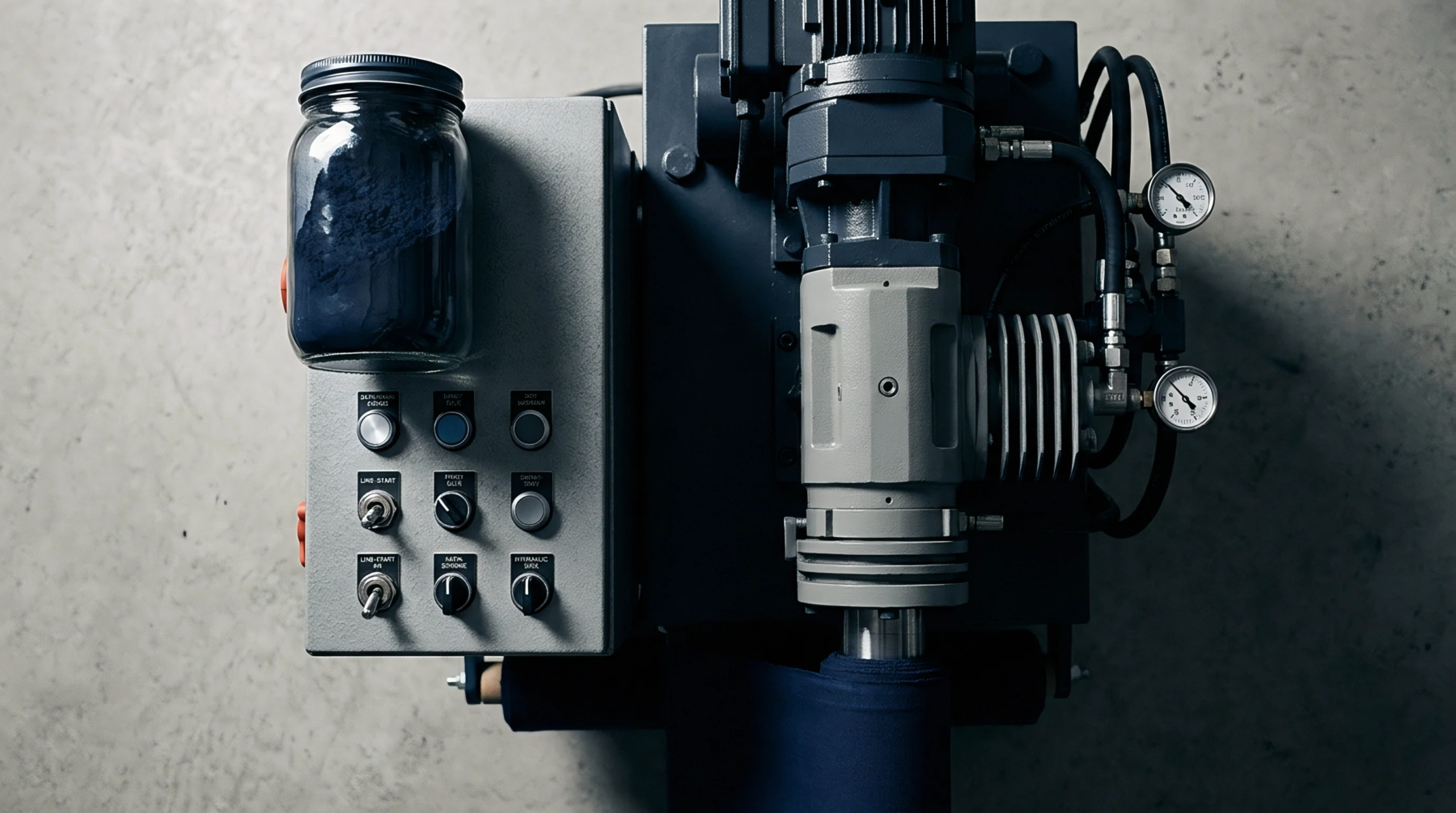
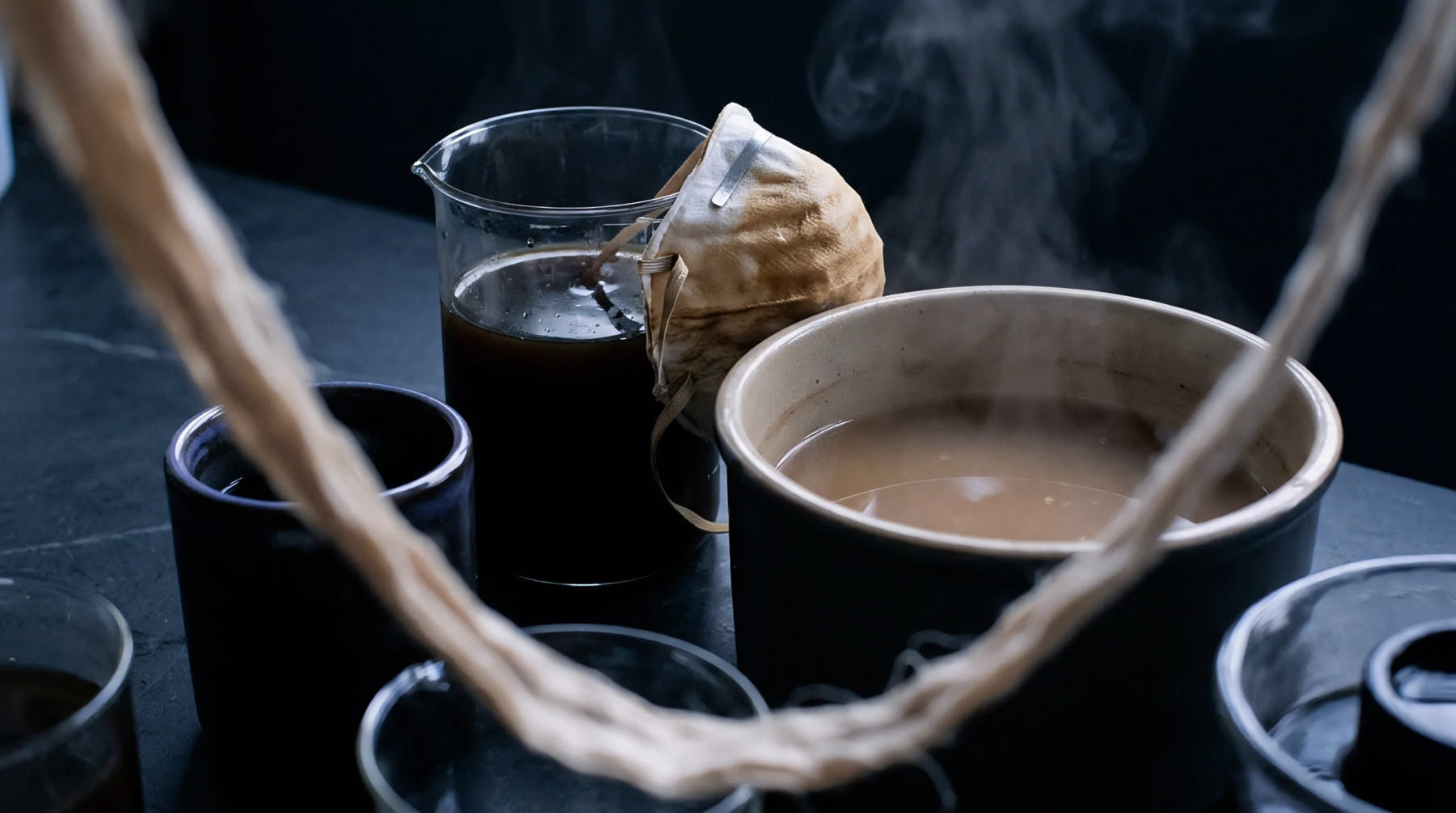
Chemical migration relies on thermal energy transfer and forced liquor exchange within the pressurized vessel. Heat exchangers warm the circulating bath at controlled rates, driving dye molecules from the aqueous phase into the polymer matrix of synthetic fibers. Dye exhaustion accelerates as temperature approaches the boiling point, requiring precise cooling cycles to prevent thermal shock in polyester substrates.
Additives control pH stability and retard initial strike rates, ensuring levelness before permanent fixation occurs. Chemical concentrations diminish steadily as absorption proceeds, demanding automated dosing systems to maintain bath equilibrium. High liquor turbulence prevents localized concentration gradients, eliminating streaks that typically plague static immersion methods.
Shade Verification
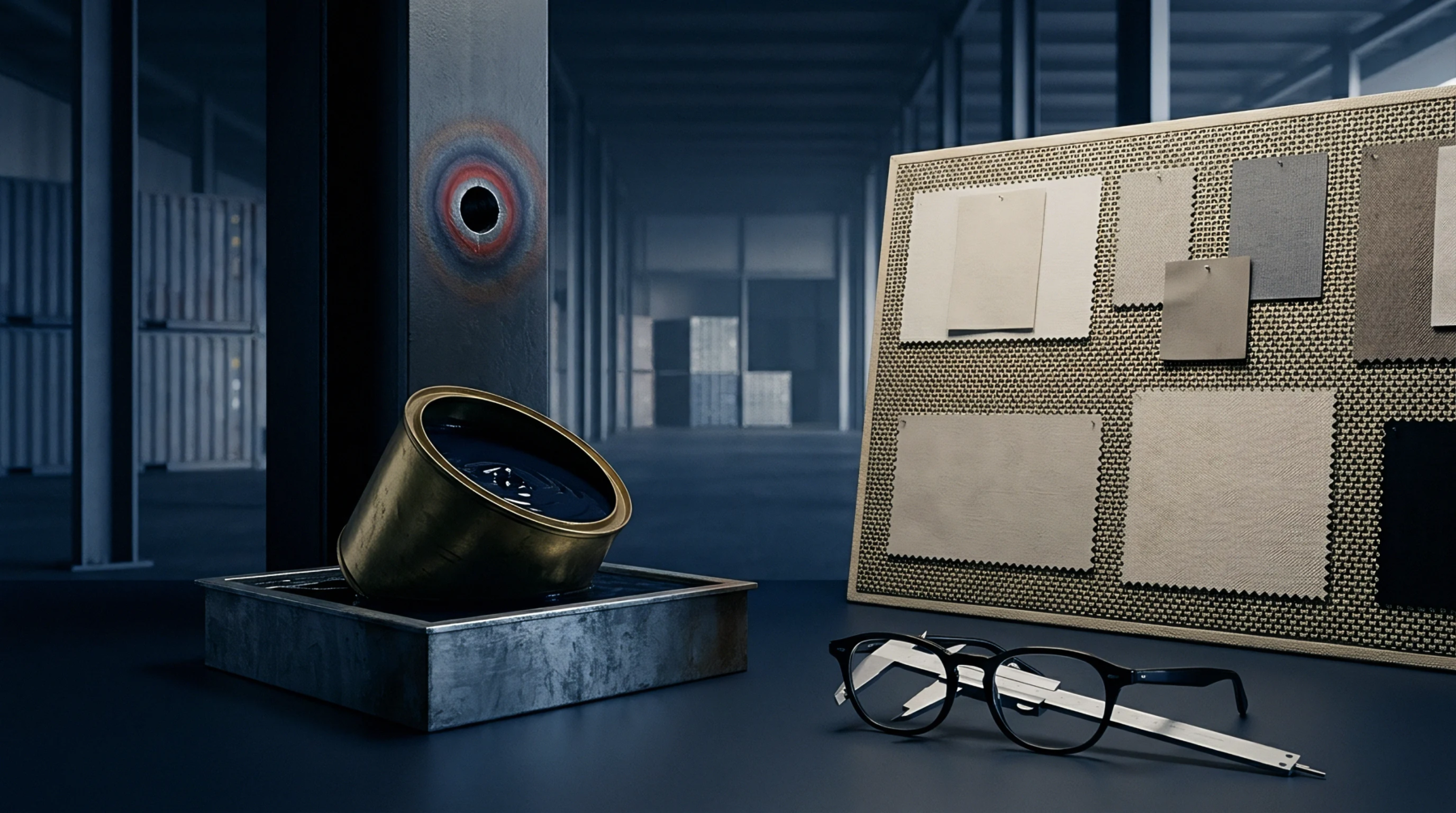
Laboratory technicians evaluate production lots against approved colour standards using spectrophotometers under controlled illumination booths. Colour coordinates establish numerical tolerances for acceptance, guiding mill release decisions prior to garment manufacturing. Shade matching requires careful consideration of metamerism, ensuring identical appearance under both artificial and natural light sources.
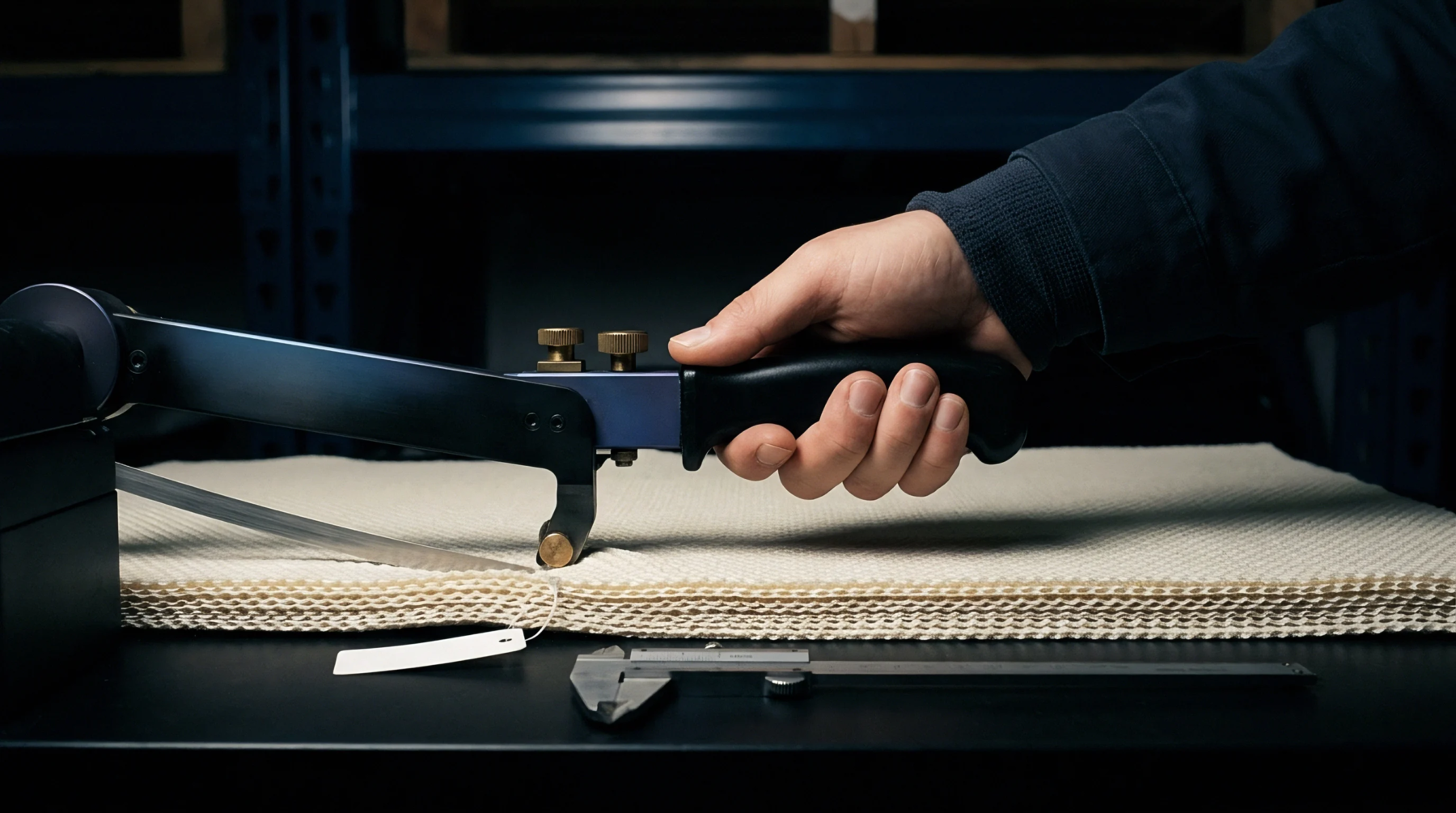
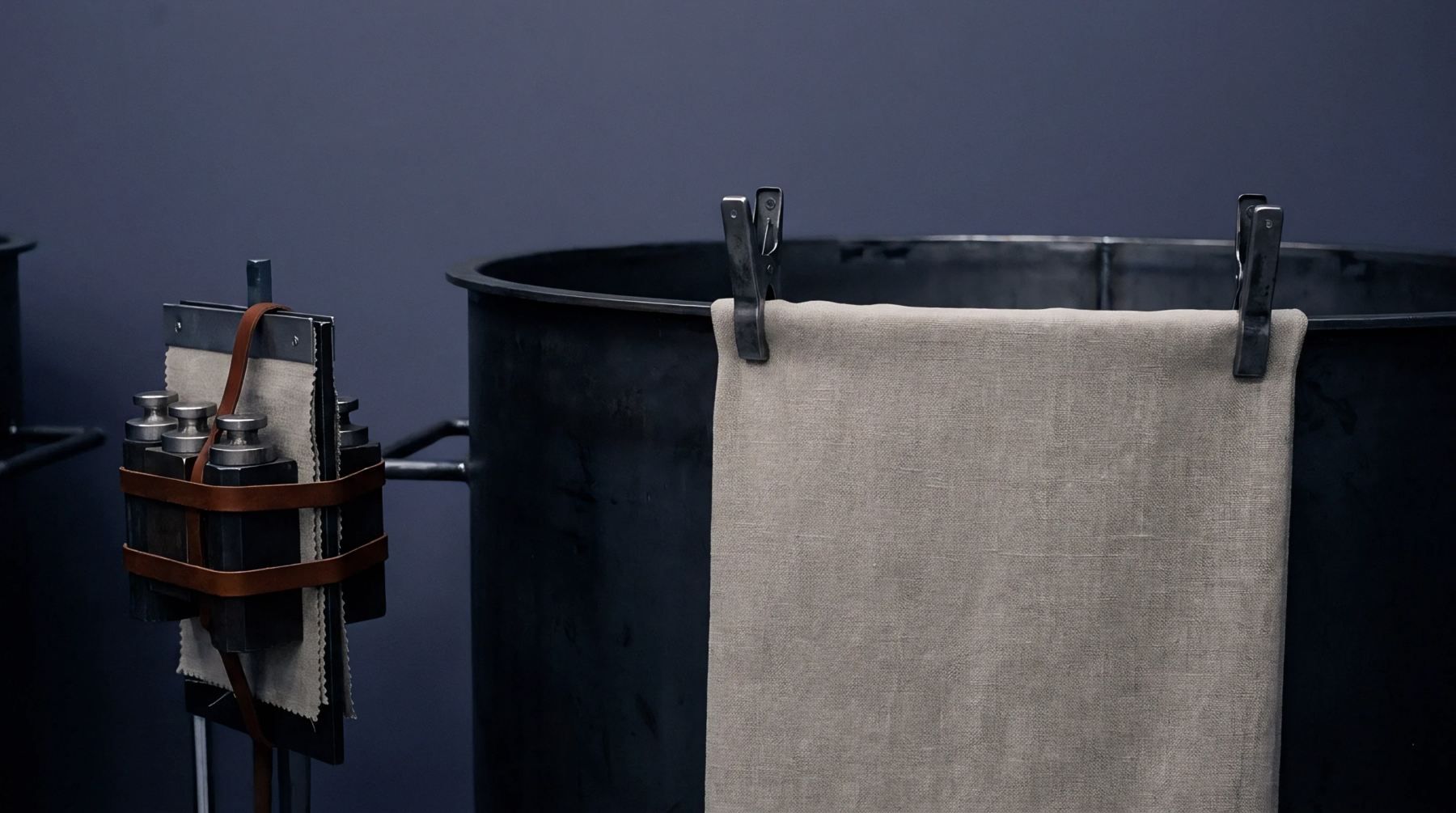
Inspectors check physical properties alongside colour values, measuring dimensional stability and residual shrinkage after thermal exposure. Discrepancies between laboratory dips and bulk production require corrective shading additions or complete stripping procedures. Final approval depends entirely on meeting agreed commercial tolerances without exceeding established cost parameters for chemical consumption.