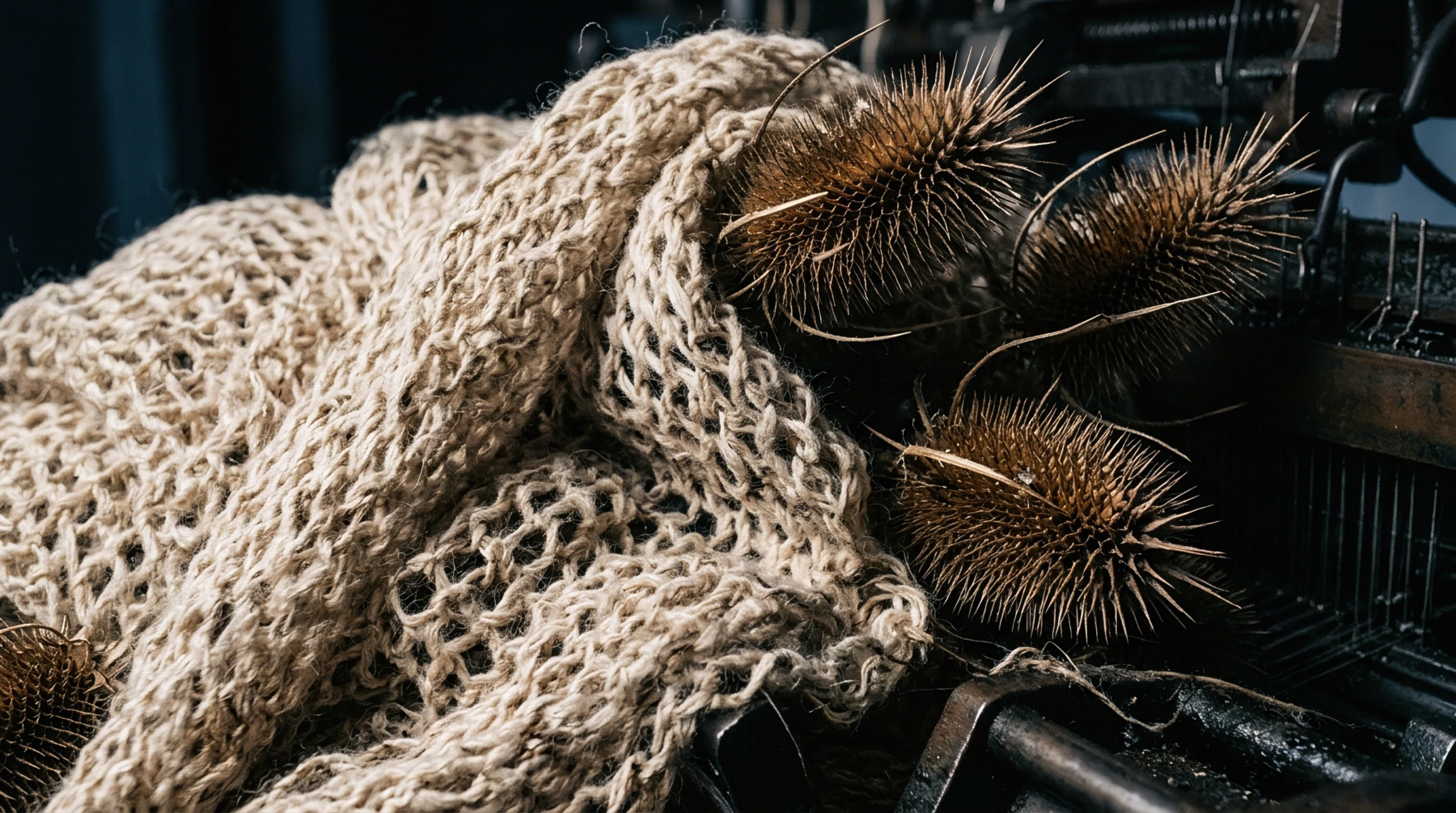
Fabric Structure
A double-knit textile structure is created using two sets of needles that form interlocking rows of loops on both sides of the fabric. This interlock knit has a smooth surface on both the face and the back, which makes it indistinguishable from either side. The thick construction offers superior opacity and dimensional stability compared to single jersey fabrics.
Production Process
Knitting machines equipped with two needle beds positioned at right angles produce this durable fabric. The needles operate in an alternating sequence, knitting back-to-back layers that are joined together by the interlocking loops. This complex setup requires precise synchronization of yarn tension and needle movement to avoid structural flaws.
Mechanical Properties
The double-knit fabric exhibits excellent elasticity across its width and recovers its shape after stretching. It resists curling at the edges during cutting, which simplifies the sewing process in garment factories. This stability also reduces the risk of seam slippage or fabric distortion after laundering.
Garment Application
Garment designers select this material for high-quality knitwear, including sportswear and thermal underwear. The smooth texture feels comfortable against the skin, while the thick structure provides excellent insulation and durability. It also supports complex printing and embroidery work, making it a versatile choice for casual fashion lines where both aesthetic appeal and physical performance are required by consumers.