Cotton Warp Yarn Preparation for High Speed Air Jet Weaving
Air jet weaving success hinges on low warp hairiness, high splice integrity, uniform size penetration, and consistent beam density to prevent loom stops.
Yarn
Air jet looms operate at insertion rates exceeding 1,500 metres per minute, generating intense dynamic forces on the longitudinal strands. Pneumatic filling transport demands clean shed clearance. High speed air nozzles propel the filling yarn through a shed tunnel formed by separated warp sheets.
Loose surface fibres protruding from adjacent ends tangle across the open shed, creating mechanical bridges that interrupt the filling jet path. A single caught filling tip causes a stoppage, shutting down high-speed equipment and leaving insertion marks in the grey cloth.

Fiber Properties Required for Modern Insertion Rates
High speed pneumatic filling transport relies on clean shed openings, where single protruding fibres cause severe mechanical entanglements. Raw cotton selection sets the limit for yarn stability under pneumatic shedding. Fiber length uniformity and short fibre content dictate the distribution of surface fuzz along the strand.
Cotton lots intended for air jet warp preparation require an Upper Half Mean Length above 29.5 millimetres, combined with a Short Fibre Index below 7.5 percent. Short fibres dislodge during high frequency shedding cycles, generating airborne lint that accumulates inside relay nozzles and reed channels.
Micronaire targets must sit strictly between 3.8 and 4.2 NDI. Immaturity below 3.8 produces thin-walled, flexible fibres that collapse into neps during carding, while coarse fibres above 4.2 yield stiff strands with poor inter-fibre cohesion. Single end tenacity must exceed 28.0 centineutrons per tex with an elongation at break greater than 6.0 percent.
High strand elongation absorbs the peak tension spikes generated when the shedding harness opens at 1,100 cycles per minute.
Structural Superiority of Compact Ring Spinning
Aerodynamic condensing units fold outer staple ends into the strand core during drafting, reducing surface fuzz significantly. Compact ring spinning replaces traditional ring spun yarn for high density warp preparation. By passing the drafted fibre bundle over a perforated suction zone before twist insertion, compact systems eliminate the spinning triangle where loose fibre ends normally escape.
The resulting strand exhibits a smooth, tightly bound periphery.
Compact spinning reduces hairiness dramatically. Uster Hairiness Index values dropped from 5.5 on conventional ring yarns to below 3.8 on compact yarns of equivalent count. More critically, the S3 hairiness value, counting protruding fibres longer than three millimetres, drops by up to eighty percent.
Friction destroys open ends. Rotor spun yarns contain surface wrapper fibres that abrade heavily under drop-wire friction, while carded ring yarns shed lint continuously. Compact combed strands remain the industry standard for high density shuttleless production.
Compact spinning condensed zones fold outer staple ends into the strand core, dropping hairiness index values below threshold levels for pneumatic insertion.
| Parameter | Standard Test Method | Minimum / Target Value | Operational Impact on Air Jet Shedding |
|---|---|---|---|
| Upper Half Mean Length | ISO 6989 / HVI | 29.5 – 31.0 mm | Maintains strand tenacity and reduces fly generation in nozzle channels |
| Micronaire Value | ISO 2403 / HVI | 3.8 – 4.2 NDI | Balances fibre fineness with maturity to prevent nep formation |
| Short Fibre Index | HVI Spectrum | Less than 7.5% | Minimizes wild fibres that cause adjacent strand entanglement during shed opening |
| Uster Hairiness S3 Index | UT-5 / UT-6 | Less than 1.0 per 100 m | Eliminates protruding fibres that obstruct main nozzle pneumatic transport |
| Single End Tenacity | ISO 2062 | Greater than 28.0 cN/tex | Resists peak insertion acceleration forces without breakage |
Ring yarns with low surface hairiness consistently outlive high-tenacity yarns with loose protruding fibres under pneumatic shedding friction.
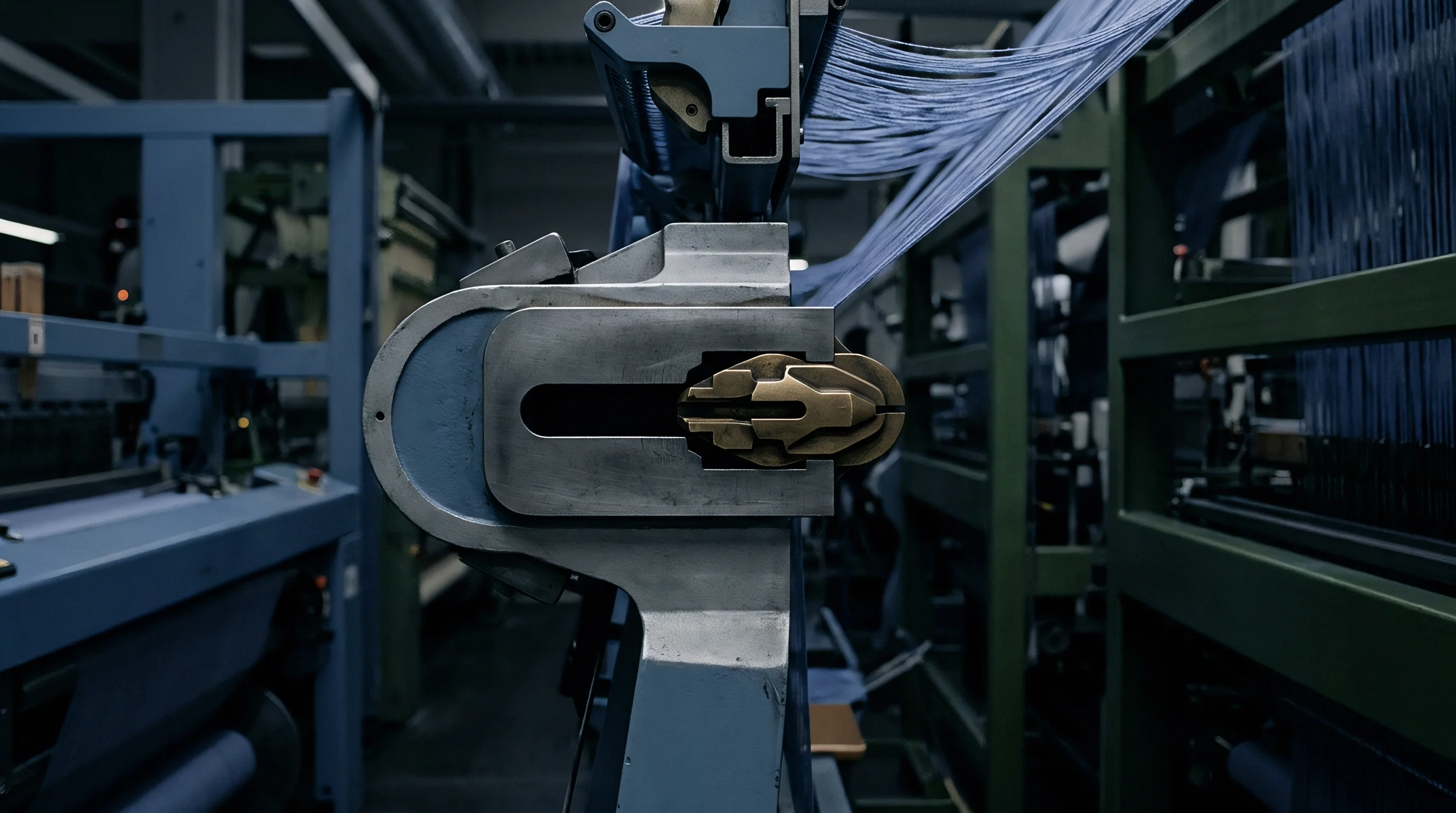
Clearing
Winding packages undergo optical and capacitive inspection to remove structural defects before warp sheet assembly. High speed air jet insertion tolerates zero weak points along the warp sheet. Foreign fibre contamination, thin channels, thick slubs, and soft knots represent immediate loom stoppages if allowed onto the warp beam.
Automatic cone winders equipped with electronic clearing systems isolate mass variations over defined strand lengths, cutting defective sections and joining the ends with high strength splices.

Optoelectronic Defect Detection and Cut Matrix Parameters
Capacitive sensors evaluate mass variation across millimetre lengths, isolating foreign polypropylene contamination and short slubs. The clearing cut matrix defines precise clearing limits for short thick defects, long thick defects, and thin places. Short thick slubs exceeding two hundred percent of nominal strand diameter over a length of two millimetres generate instant cuts.
These thick places catch inside the reed dent wires or obstruct the main nozzle blast channel, causing filling insertion failures.
Thin places falling below minus fifty percent of standard count over a length of fifteen millimetres represent structural failure sites under reed beat-up. Modern optical sensor heads combine infrared light absorption with capacitive mass measurement, distinguishing raw cotton trash fragments from synthetic film contamination. Polypropylene bale wrap fragments that pass uncleared into grey cloth resist aqueous dyestuffs, causing undyed white streaks across finished goods.

Pneumatic Splicing Performance and Joint Tensile Integrity
Mechanical untwisting followed by controlled air turbulence merges twin cut tails into a continuous structure. Traditional knots are strictly forbidden in warp yarn preparation for shuttleless looms. Knotted joins catch in the drop wires, wear down heal eyes, and cause reed friction.
Pneumatic splicers untwist the severed strand ends using reversed air vortices, tailors the individual fibre lengths, and intermingles the fibres under high pressure air blasts.
Splice tensile strength must retain a minimum of eighty-five percent of the parent strand tenacity, verified under ISO 2062 tensile testing. Splice elongation retention must exceed seventy-five percent to sustain repeated tension cycles during shedding. Splice diameter must not exceed 1.2 times the normal strand diameter.
Air jet looms tolerate zero weak spots. Splicer pressure determines joint strength. Foreign fibres trigger false loom stops.
Contract specifications for high speed air jet warps demand splice tensile retention above eighty-five percent of parent strand strength to prevent creel breaks.
- Short Thick Places Dense local slubs exceeding two hundred percent of nominal diameter that stop pneumatic nozzle passage.
- Long Thick Places Extended mass increases lasting over eight centimetres that alter regional warp sheet tension.
- Thin Places Localized mass drops below fifty percent of average strand count that cause instant structural failure under reed beat-up.
- Foreign Polypropylene Contamination Synthetic filament fragments that melt inside drying cylinders or resist aqueous dye baths.
- Defective Splices Overly thick or loosely bound strand joins that unravel under high tension shedding cycles.
Winder manufacturers frequently maintain that short slubs below three millimetres do not disturb pneumatic weft insertion despite field evidence showing nozzle clogging from shed shedding.


Warping
Direct beaming machines transfer thousands of single strands from package creels onto grey beams at speeds up to 1,200 metres per minute. Uniformity of tension across every individual end on the warp sheet governs subsequent sizing quality and air jet loom performance. Unequal strand tension during beaming creates uneven liquor pick-up in the size box, leading to regional slackness or overtensioning on the loom beam.
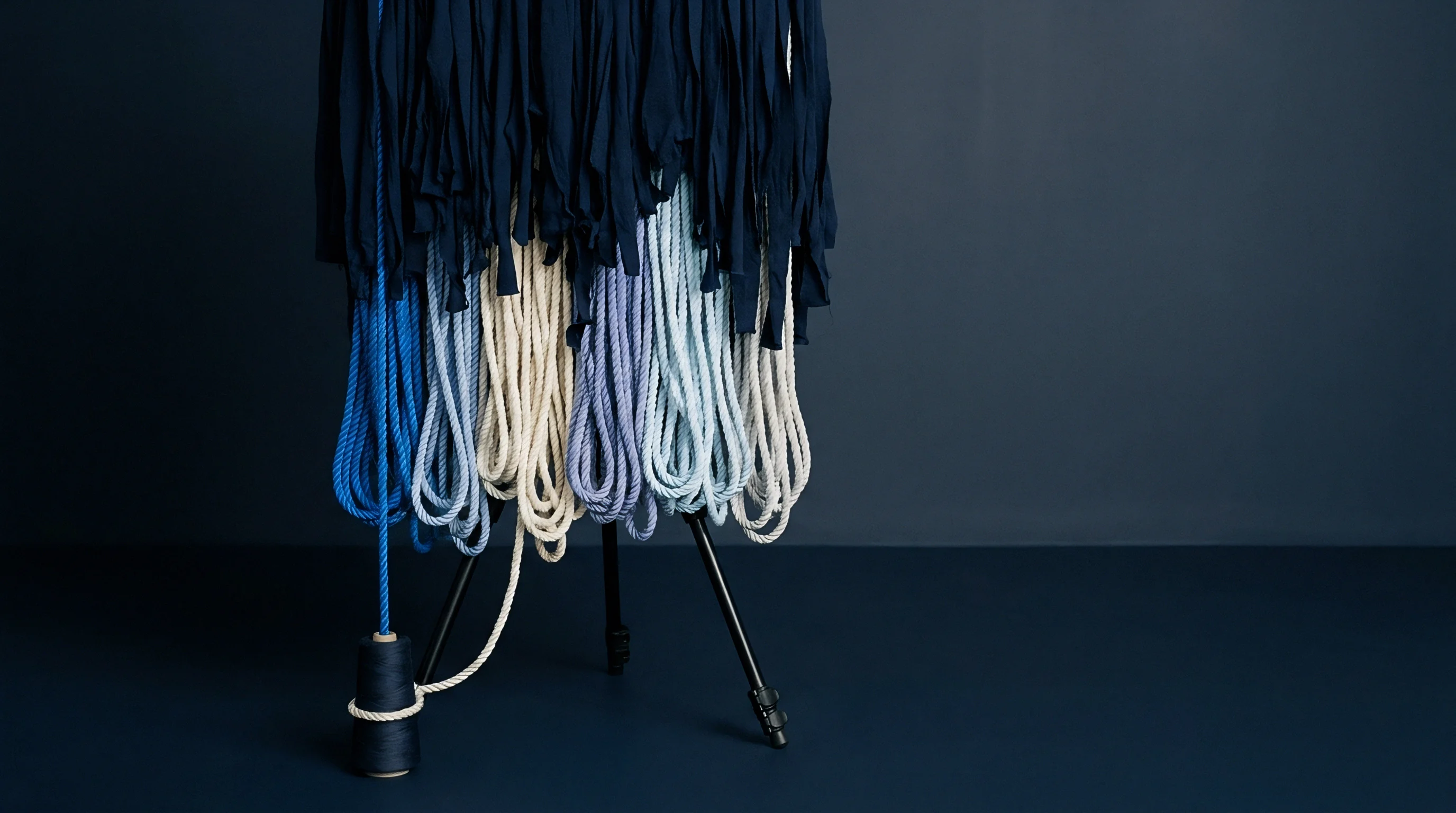
Can Direct Beaming Eliminate Sectional Creel Tension Variations?
Parallel thread sheets produced on direct creels maintain uniform package unwinding distances, preventing regional density gradients. High speed direct beaming utilizes V-shaped or H-shaped creels equipped with central tension regulation systems. As yarn packages deplete from full cone diameter down to the inner paper tube, ballooning tension changes continuously.
Electronic disc tensioners or central swivel-rod tension regulators modulate braking force dynamically to compensate for changing unwinding geometries.
Tension variations across the creel must remain within a narrow tolerance band of plus or minus 1.0 centineutron. High speed beaming demands precise brake control. Tension variations cause double ends.
Static charges force threads apart. Creel air ionization systems discharge static electricity accumulated along synthetic-blended or dry cotton strands, maintaining flat sheet alignment before the yarn reaches the expandable comb.
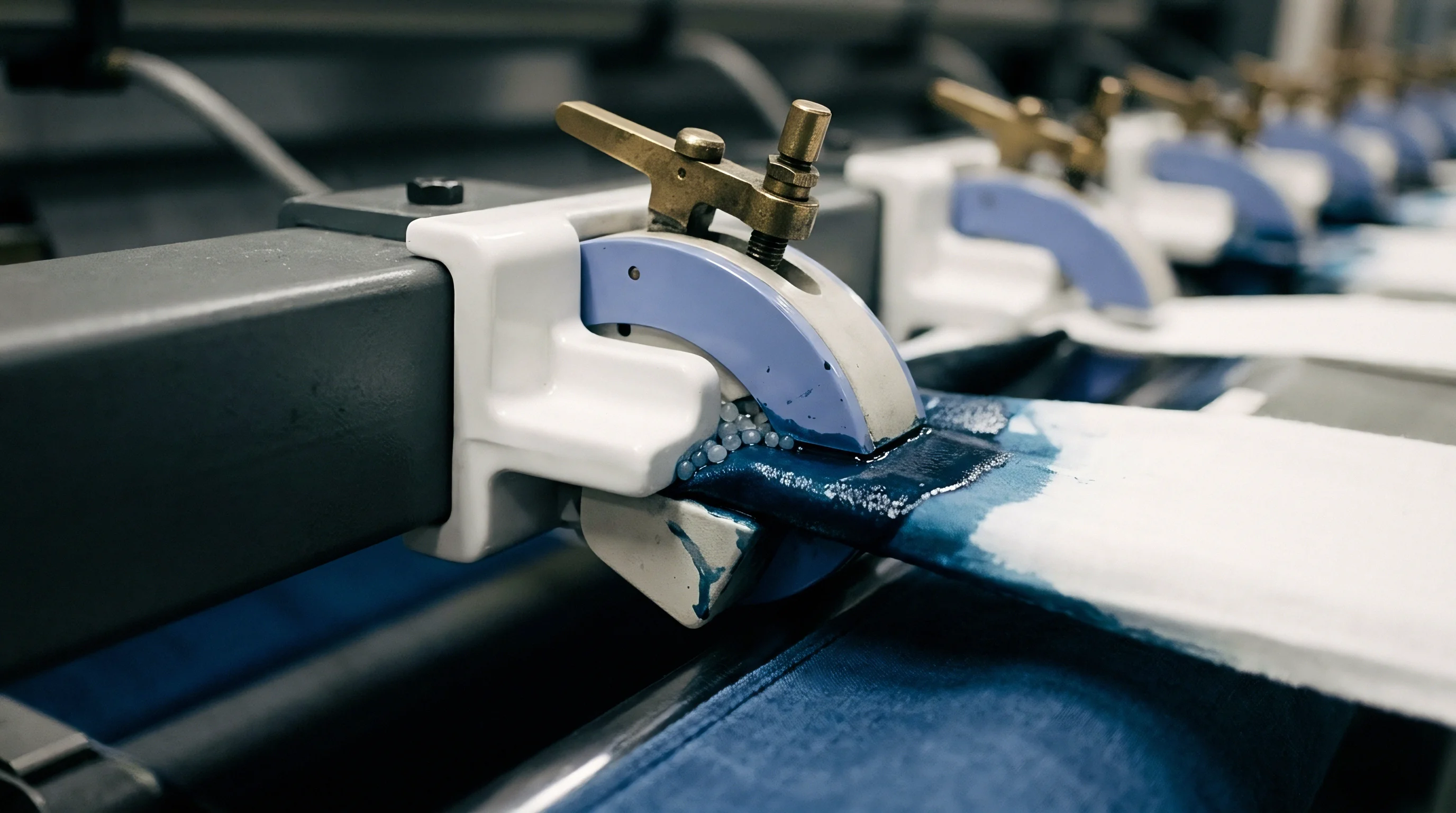
Creel Tension Modulation and Static Electricity Control
Individual disc brakes adjusted by central computer controllers compensate for diminishing package diameters during unwinding. Pneumatic disc brakes on individual package holders apply higher pressure to outer creel positions where yarn travel distance to the comb is shortest. Anti-patterning devices prevent yarn build-up on the beam shoulders, while high speed pneumatic beam brakes stop the heavy beam reel within 0.3 seconds when a single strand break occurs, preventing lost end bury-ins.
| Fault Category | Tolerance Threshold | Loom Stop Rate per 100,000 Picks | Direct Production Consequence |
|---|---|---|---|
| Cross End / Lost End | Zero per 100,000 m | 0.40 stops | Triggers automatic drop-wire loom shutdown and creates warp floating defects |
| High Creel Tension Variance | Maximum 5% of ends | 0.35 stops | Generates regional slack ends that snag pneumatic weft insertion streams |
| Uncleared Short Slubs | Less than 0.2 per 100 km | 0.25 stops | Entangles adjacent warp strands, causing partial shed opening failures |
| Static Charge Accumulation | Zero static attraction | 0.15 stops | Repels adjacent strands, widening the warp sheet and distorting selvage alignment |
- Beaming Speed Selection Running direct warpers between eight hundred and one thousand metres per minute prevents ballooning vibration.
- Creel Tension Disc Setting Calibrating individual tension units keeps strand pull forces within a narrow two centineutron band.
- Ionization Bar Placement Installing active static eliminators at the comb section neutralizes triboelectric charges before drum winding.
- Press Roller Pressure Curve Programmed pneumatic press pressure ensures constant package hardness from core to outer rim.
Uncorrected tension gradients across the beaming creel cause persistent double-end stops that destroy loom efficiency and produce irrecoverable tight-ended defects in grey cloth.

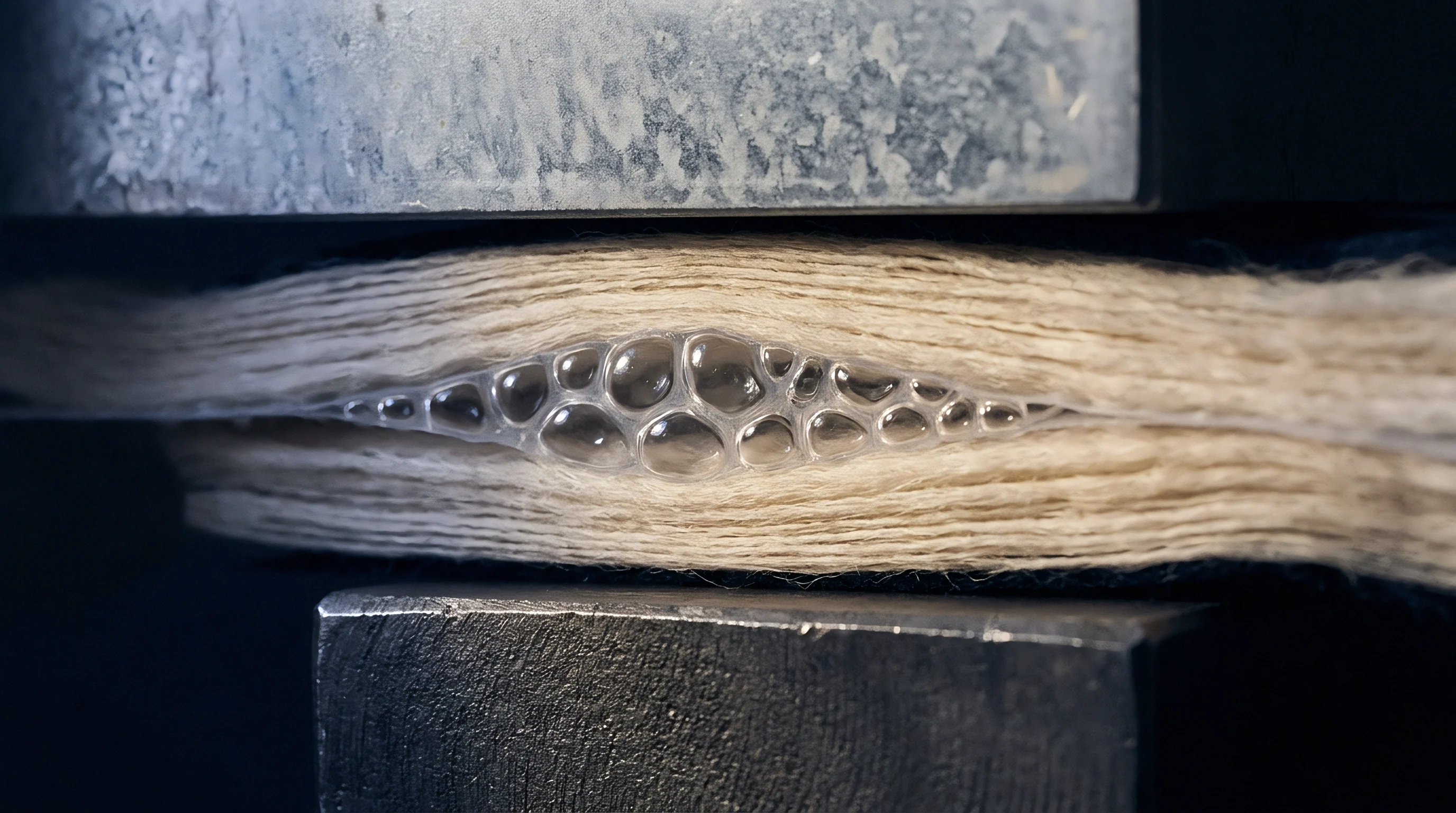
Size
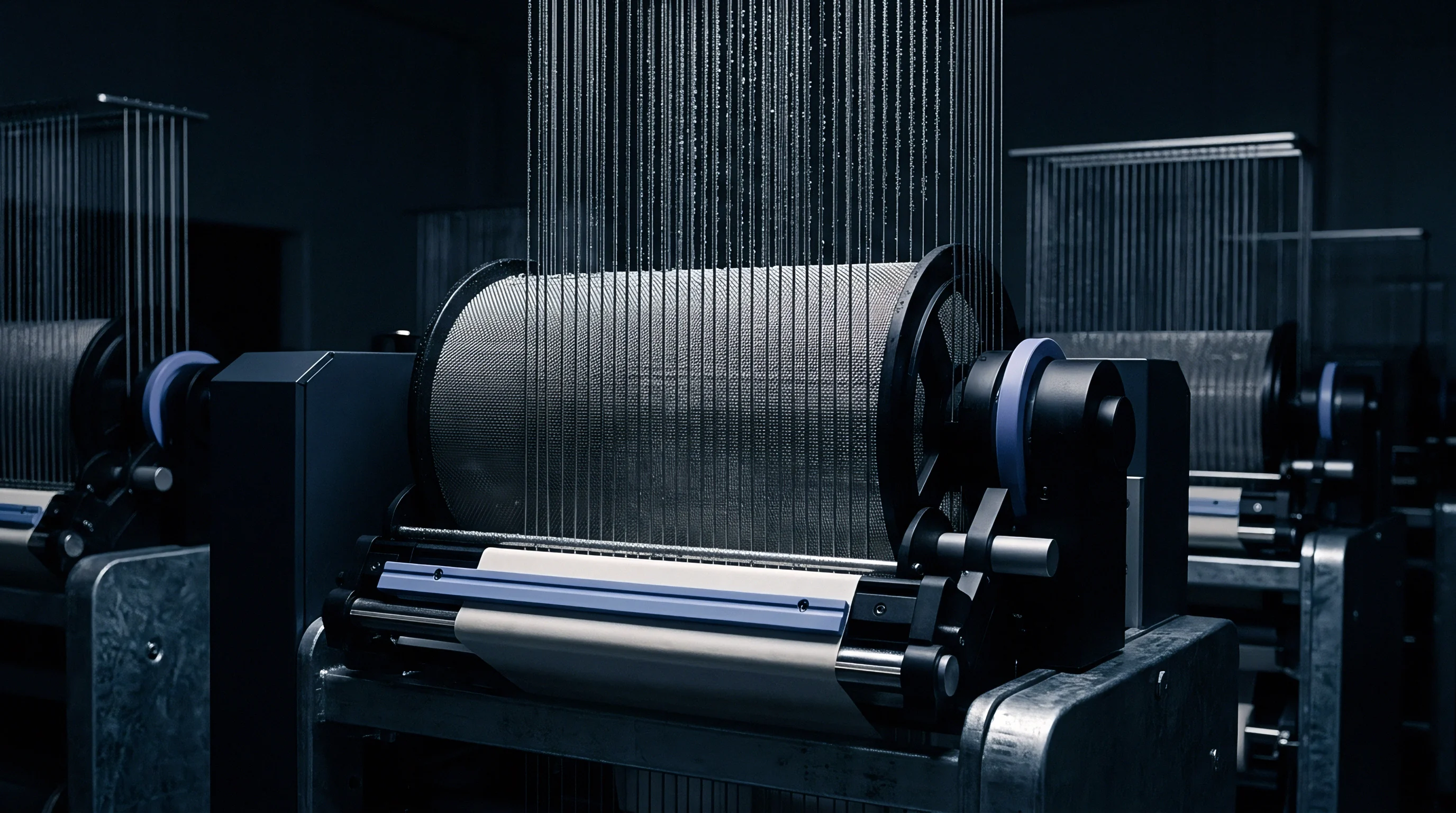
Chemical film application provides the protective coating necessary to withstand reed abrasion and drop-wire friction on pneumatic looms. Bare cotton strands cannot endure the repeated abrasive impact of drop wires, heald eyes, and reed dents running at 1,200 picks per minute. Chemical sizing coats the outer strand surface, binds loose surface fibres to the main core, increases yarn tensile strength, and imparts the flexibility needed to withstand dynamic flexural fatigue.
Polymer Blend Selection and Film Cohesion Characteristics
Native corn starches undergo thermal or enzymatic thin-boiling modifications to reduce viscosity while retaining high adhesive bonding with cellulosic fibres. Sizing formulations for fine cotton ring yarns rely on combinations of modified starches, polyvinyl alcohol (PVA), and acrylic binders. Native starch alone forms brittle films with high shear sensitivity under heat.
Chemical modification through hydroxyethylation or carboxymethylation lowers gelatinization temperatures and improves film elasticity.
Polyvinyl alcohol acts as a primary film-forming polymer, delivering high tensile strength, supreme abrasion resistance, and excellent flexibility. Acrylic binders are incorporated to enhance adhesion between the starch-PVA film and the hydrophobic surface components of raw cotton. Starch film protects cotton fibres.
Low viscosity promotes core penetration. Excessive wax clogs air jet nozzles. Synthetic wax additives must stay below 1.5 percent of total dry solids to avoid coating the internal walls of pneumatic main nozzles.
Rheological Behavior and Cooking Temperature Management
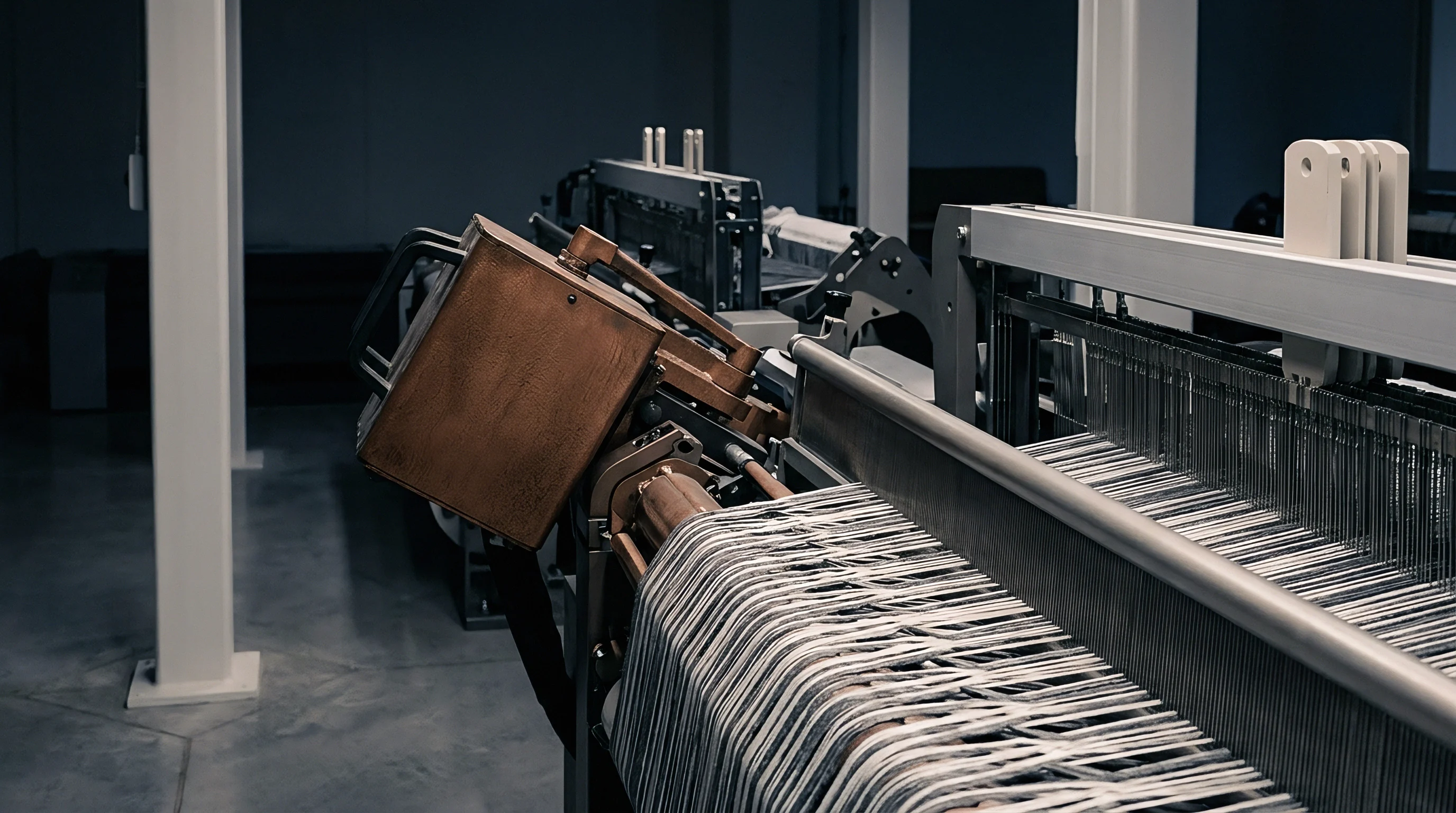
Preparation tanks held at ninety-five degrees Celsius maintain stable liquor viscosity, preventing retrogradation during high speed delivery. Computerized size cooking plants utilize high-pressure jet cookers where raw starch slurry mixes with steam at 130 degrees Celsius under pressure. Rapid thermal cooking fully ruptures starch granules, creating a homogeneous, stable polymer solution with constant viscosity readings.
Contract clauses specifying ISO 10707 desizability performance shift financial liability to the chemical manufacturer when residual film residues prevent uniform reactive dye fixation.
| Yarn Count Range (Ne) | Chemical Formulation Ratio | Target Size Add-On (%) | Liquor Viscosity (mPa·s at 85°C) | Desizing Wash Condition |
|---|---|---|---|---|
| 20s – 30s Ne Single | 85% Modified Starch / 15% PVA / 1.0% Wax | 10.0 – 11.5% | 12 – 14 mPa·s | Alpha-amylase enzyme bath at 70°C for 30 minutes |
| 40s – 50s Ne Single | 70% Modified Starch / 25% PVA / 5% Acrylic | 12.0 – 13.5% | 15 – 18 mPa·s | Alkaline persulfate boil-off at 95°C |
| 60s – 80s Ne Compact | 50% Thin-Boiling Starch / 40% PVA / 10% Acrylic | 14.0 – 16.0% | 20 – 24 mPa·s | High-temperature water extraction at 98°C |
- Fill the main slurry tank with cold soft water at a volume equivalent to sixty percent of the target batch weight.
- Activate the mechanical agitator at one hundred twenty revolutions per minute while adding measured modified starch powder slowly.
- Introduce fully hydrolyzed polyvinyl alcohol granules into the cold suspension to ensure uniform wetting before heating.
- Inject live steam into the mixture, raising the temperature to ninety-five degrees Celsius at a rate of three degrees per minute.
- Hold the batch at boiling temperature for forty-five minutes to achieve complete starch gelatinization and polymer dissolution.
- Add synthetic acrylic binder and anti-static softeners while pumping hot diluting water to land the final solids concentration.
Contract clauses specifying ISO 10707 desizability performance shift financial liability to the chemical manufacturer when residual film residues prevent uniform reactive dye fixation.

Squeezing
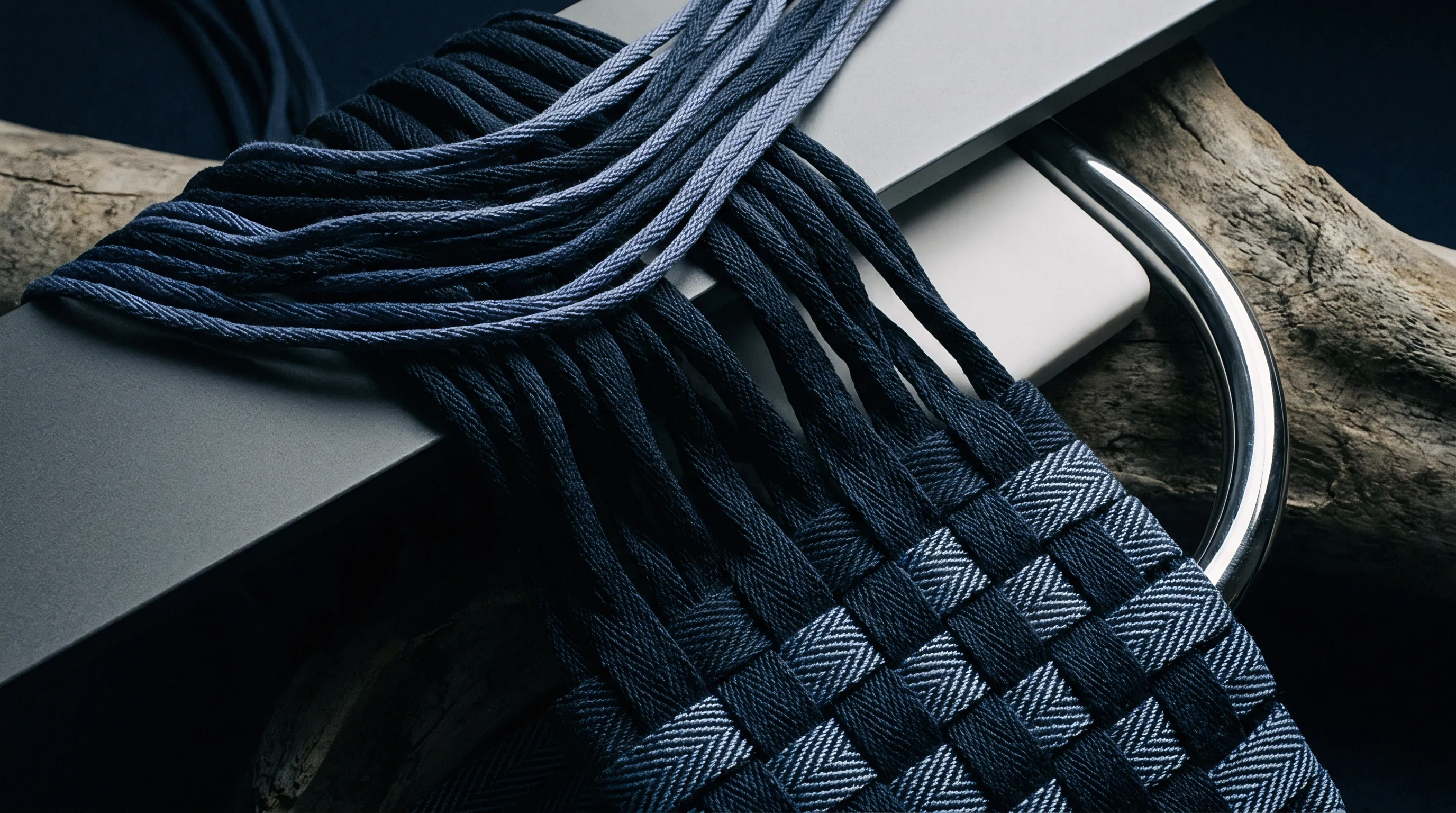
High pressure nip rolls force liquid formulations into the strand core while controlling the surface film layer. Squeezing roller configuration dictates the proportion of chemical liquor that penetrates between individual cotton fibres versus the amount left sitting on the strand exterior. Insufficient squeezing pressure leaves excess surface liquor that dries into stiff crusts, causing yarn encrustation and flaking in the shedding motion.
Excessive squeezing pressure strips the protective surface film, leaving raw fibres vulnerable to reed abrasion.
Prewetting Technology and Wet Pick up Optimization
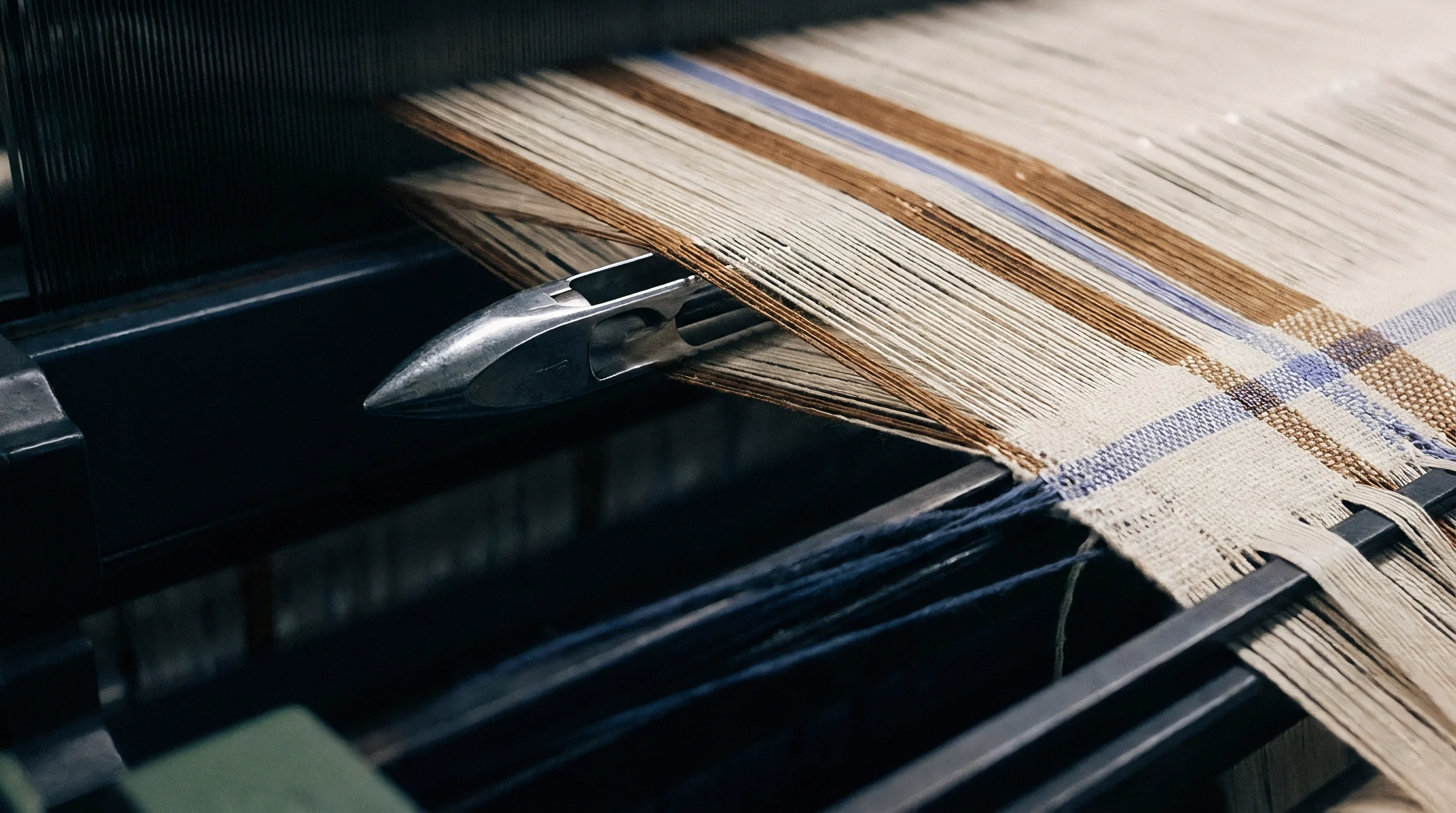
Passing dry strands through a hot water bath at eighty-five degrees Celsius expels trapped air bubbles, enhancing chemical penetration. Prewetting boxes positioned before the main sizing trough transform chemical application mechanics. Dry cotton fibres naturally carry hydrophobic surface waxes and trapped micro-air pockets that resist liquid absorption.
Washing the warp sheet in hot water prior to sizing swells the cellulose structure, increases absorption uniformity, and allows the yarn core to saturate rapidly.
Prewetting expels air from fibres. Uneven drying causes size skinning. Correct moisture prevents static buildup.
Prewetting technology reduces dry size chemical consumption by twenty to thirty percent while maintaining equal or superior abrasion resistance. By reducing total chemical solids requirements, prewetting lowers liquor concentration in the size trough, reducing energy consumption during drying and lowering chemical BOD/COD loads in finishing effluent streams.
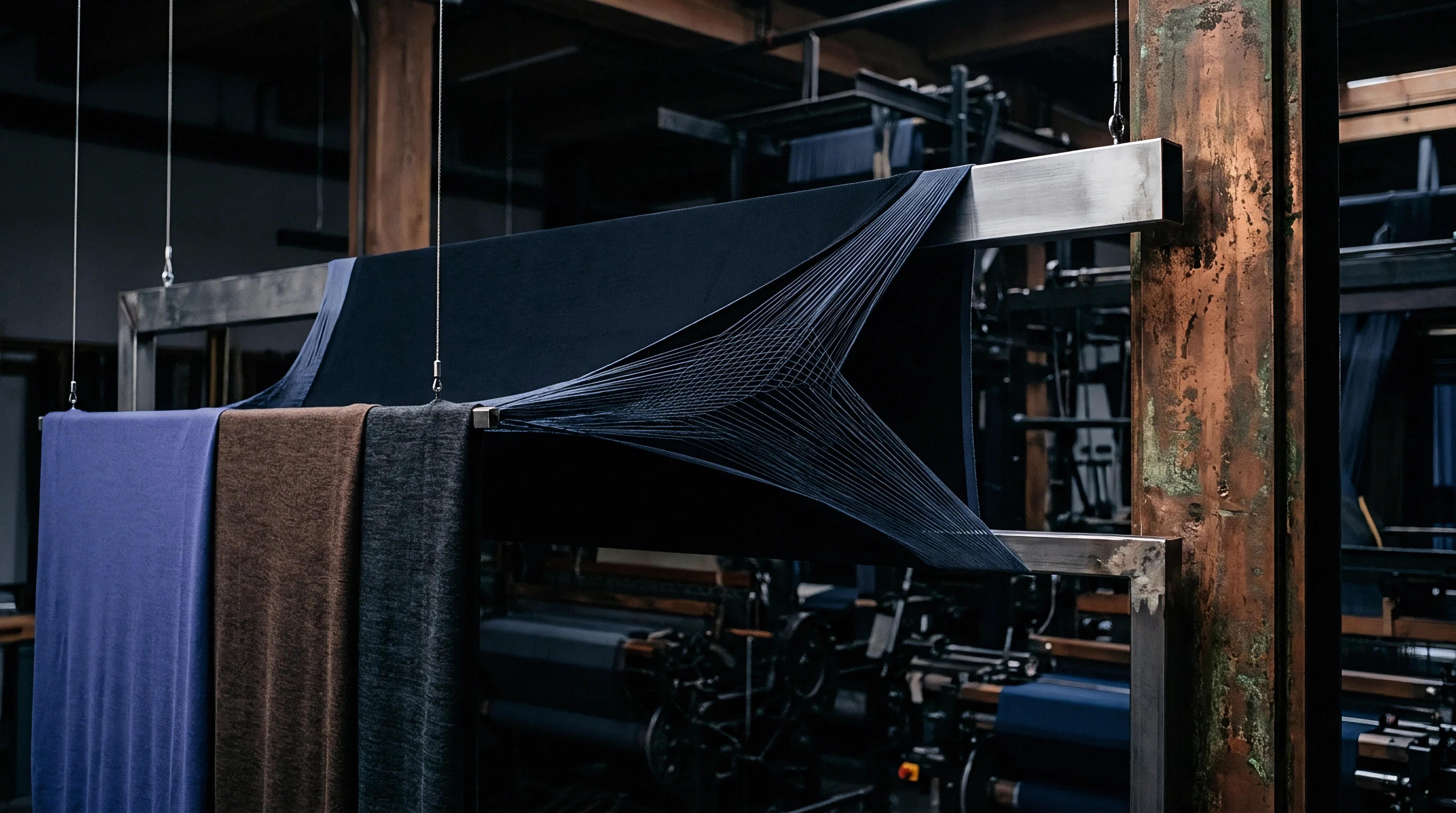
Drying Cylinder Temperature Gradients and Moisture Retention
Teflon coated steam drums operating across stepped heat zones evaporate moisture progressively without scorching the protective chemical crust. Drying cylinder profiles require precise temperature sequencing across multi-cylinder sizing setups. The initial cylinders must operate at lower temperatures between 100 and 110 degrees Celsius to prevent the liquid size layer from boiling, skinning, or sticking to cylinder faces.
Intermediate cylinders ramp up to 130 degrees Celsius for high speed water evaporation, while final drying cylinders drop to 90 degrees Celsius to cool the warp sheet gently.
Target moisture regain for sized cotton warps must lock between 6.5 and 7.5 percent. Over-drying below 5.0 percent renders natural cotton brittle, destroying fibre elasticity and increasing strand breakage during high tension shedding cycles. Under-drying above 8.5 percent causes sizing films to remain tacky, leading to inter-strand adhesion on the loom beam and mildew development during storage.
Consider a practical sizing calculation for a 40s Ne compact cotton warp containing 4,800 ends over a beam length of 20,000 metres. The dry yarn weight equals 1,416.96 kilograms based on a nominal linear count of 14.76 tex. Assuming a target dry size add-on of 13.0 percent, the required dry chemical weight deposited onto the yarn sheet equals 184.21 kilograms.
When using a prewetting sizing box, the nip roll squeezing pressure produces a wet pick-up rate of 85 percent, meaning 1,204.42 kilograms of wet liquor are absorbed by the warp sheet. The required chemical solids concentration in the size bath is calculated as 184.21 kilograms divided by 1,204.42 kilograms, yielding a precise bath concentration of 15.29 percent. Operating without prewetting increases wet pick-up to 110 percent, dropping the required bath concentration to 11.82 percent while forcing the steam drying section to evaporate 354 additional kilograms of water per batch, increasing thermal energy costs by twenty-nine percent.
Prewetting warps in eighty-five degree water drops chemical consumption by twenty-two percent while extending core penetration across fine compact strands.
- Prewetting Temperature Control Maintaining the water bath at eighty-five degrees Celsius removes entrapped air and swells cellulosic fibres prior to chemical contact.
- Nip Roller Hardness Matching Utilizing synthetic rubber rollers rated at sixty-five Shore A guarantees uniform pressure distribution across wide beam widths.
- Stepped Cylinder Thermal Zoning Setting initial steam cylinders to one hundred ten degrees prevents size skinning and roller sticking during initial moisture loss.
- Automated Regain Monitoring Continuous moisture sensors adjusting beam winding speed ensure residual water contents remain locked between six point five and seven point five percent.
Whether ultrasonic agitation inside the application box can achieve full liquor penetration at high speeds without degrading modified starch molecules remains an open operational question.
Beam
Winding the dried, split warp sheet onto loom cylinders under controlled tension builds the final package for the weaving shed. Sizing dries the thousand individual ends into a single bonded ribbon at the drying cylinders. Dry splitting lease rods must rupture these light inter-strand chemical bridges cleanly, isolating every strand without stripping its protective polymer jacket or raising surface fuzz before beam winding.

Warp Separator Leases and Dry Split Rod Configuration
Drying causes individual strands to adhere together, requiring chromium plated lease bars to rupture inter-strand chemical bridges cleanly. The dry splitting section uses a series of staggered split rods arranged in a vertical stack. By separating the dried warp ribbon progressively into two, four, eight, and sixteen layers, lease bars break inter-strand polymer bridges at gentle angles, preventing fibre detachment.
Plating surfaces on lease bars must undergo frequent polishing to remove razor-sharp grooves cut by high speed cotton friction.
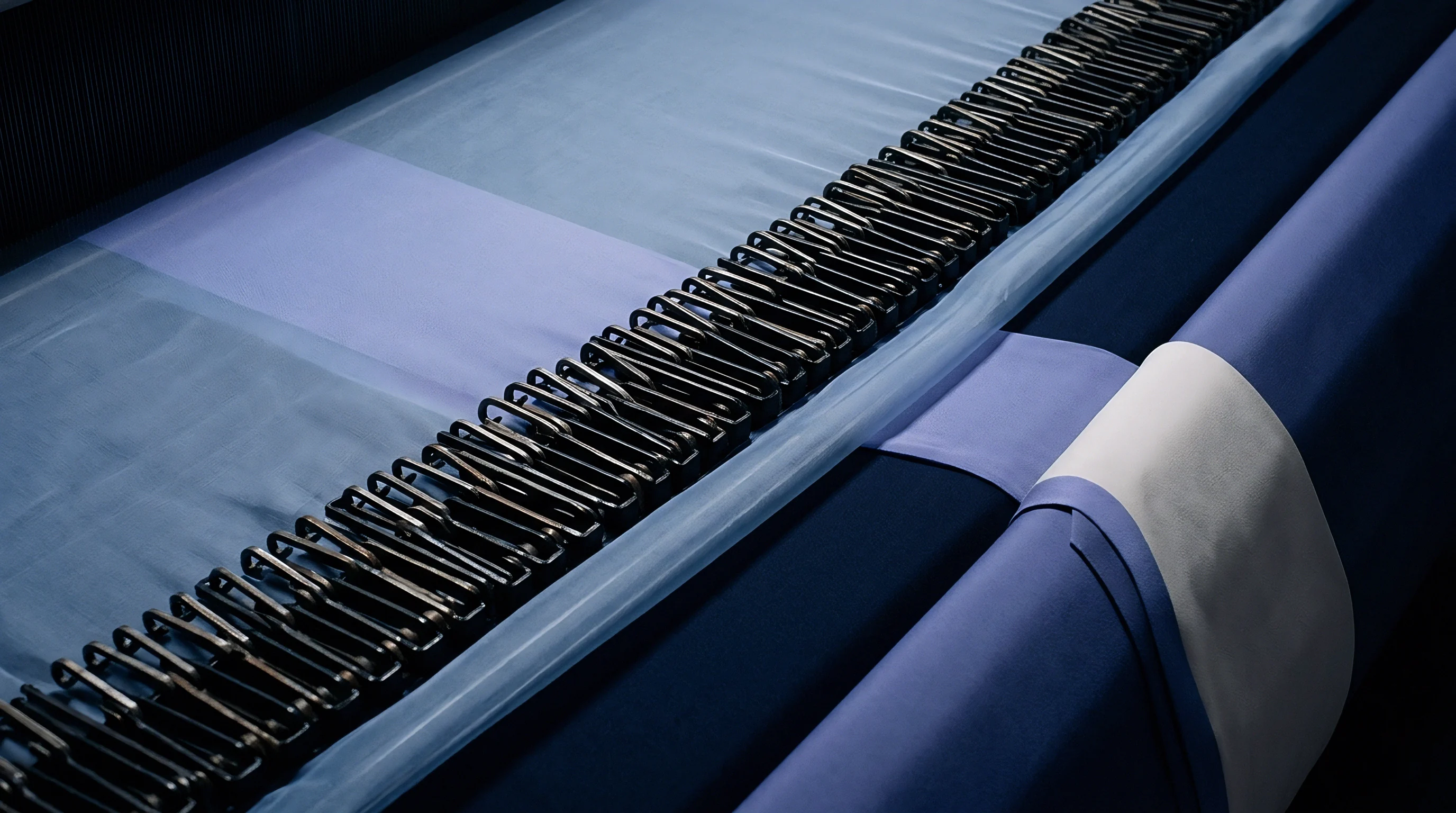
After dry splitting, strands pass through an expanding comb that traverses sideways by millimetre increments during winding. Comb movement prevents individual warp ends from piling into ridge channels on the loom beam. Precise comb alignment maintains parallel strand geometry, preventing cross-ends that snag during pneumatic shed opening.
Density Uniformity and Hardness Requirements
Hydraulic press rolls deliver constant radial pressure, maintaining a hardness reading between seventy-five and eighty-two Shore D across the package width. Loom beam density must remain uniform from the inner steel barrel outward to the top yarn layer. Soft beam shoulders allow outer yarn wraps to bite down into underlying layers under high tension, causing severe warp stops when the loom unrolls the package.
Excessively hard beams cause strand flattening, damaging the yarn structure and creating streakiness in plain grey cloth.
Hard beams prevent yarn embedding. Dust clogs air nozzle orifices. Proper preparation lowers weaving stops.
Final quality dossiers accompanying every delivered beam document average size add-on percentages, residual moisture content, total end break counts during sizing, and Shore D hardness profiles taken across five transverse beam locations.
Loom beam hardness profiles varying by more than four Shore D units across the package face trigger uneven off-winding tension during shuttleless insertion.
Maintaining controlled relative humidity at sixty-five percent inside the beam storage room prevents moisture loss from outer strand layers, preserving uniform elastic recovery across the entire loom run.