Physical Specification
Chemical sizing material applied to warp yarns prior to weaving requires strict quantitative control to ensure optimal loom efficiency and subsequent fabric performance. A size add-on represents the dry weight percentage of starch or synthetic polymers retained on warp threads after desizing, drying, and laboratory extraction procedures. This metric governs sizing pickup during warp preparation, influencing tensile strength, stiffness, and abrasion resistance during weaving operations.
When inadequate sizing pickup occurs on cotton or polyester blend yarns, excessive hairiness and warp breakage halt production on high-speed air jet looms. Excessive film deposition on the yarn surface leads to stiff selvages and poor dyeing penetration during subsequent wet processing stages. Production control laboratories measure this percentage through comparative weighing before and after desizing treatment using standard enzymatic or acid hydrolysis methods.
Mill technicians verify compliance against technical data sheets agreed between yarn suppliers and weaving operations before bulk slashing commences.
Application Tolerance
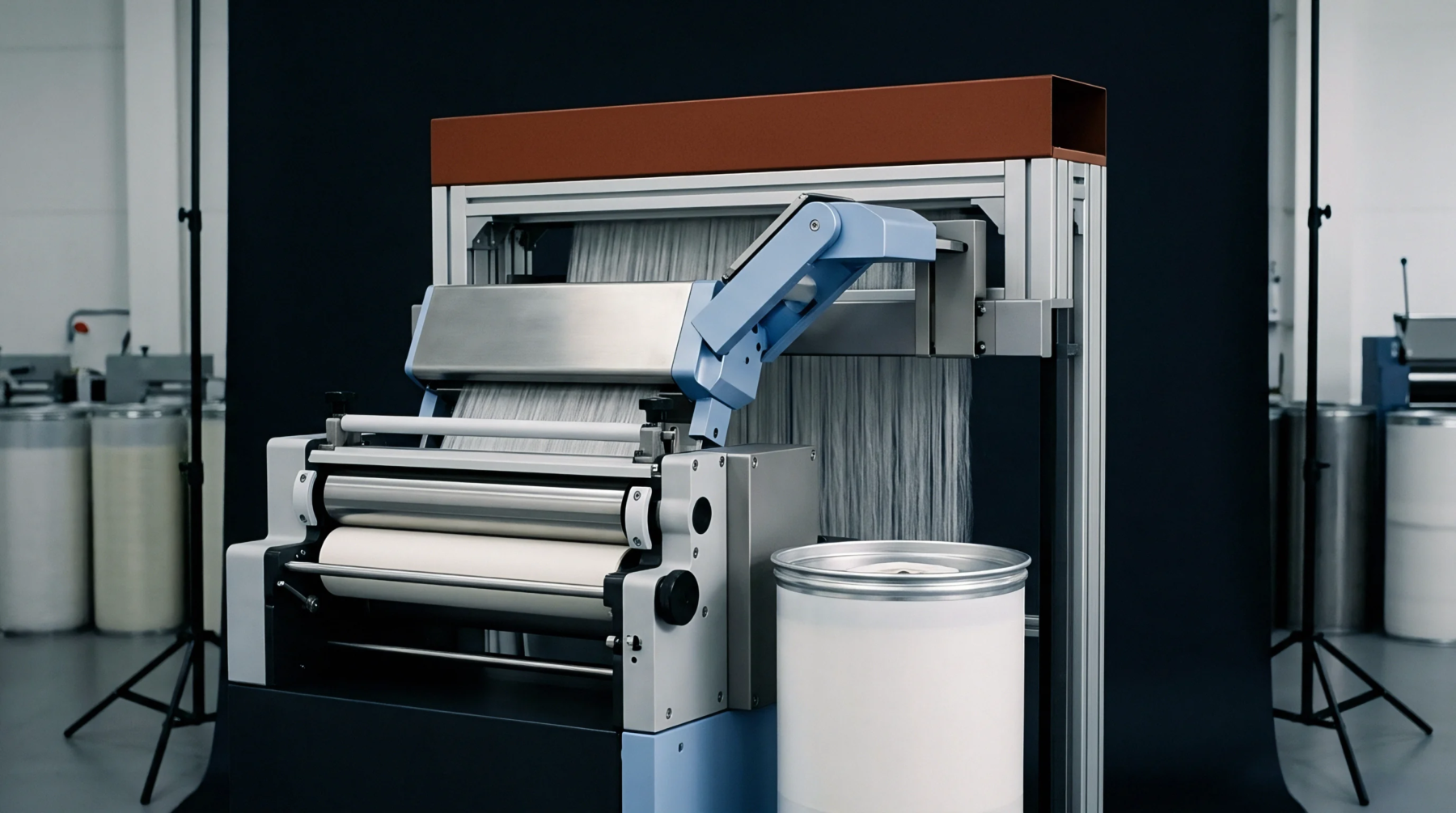
Commercial weaving performance relies heavily on maintaining a consistent sizing pick-up rate along entire warp lengths and across beam widths. Slashing machinery operators regulate squeeze roll pressure, bath viscosity, and drying cylinder temperatures to control the final chemical dry weight deposited on the yarn. Variations in moisture content within grey yarn stocks directly alter liquor pickup rates, requiring continuous monitoring of bath concentration and pick-up percentages.
Excessive squeezing pressure compresses warp sheets unevenly, causing high pick-up at edges and low pick-up at the center, which results in localized warp breaks. Inconsistent chemical distribution across warp ends creates friction differentials, leading to irregular tension during shedding and subsequent warp stops on the loom. Quality assurance protocols mandate random sampling from left, center, and right positions of woven greige goods to confirm uniform deposition.
Analytical Extraction
Laboratory technicians determine actual size add-on values through destructive testing of conditioned fabric samples harvested from active production lots. Technicians dry specific mass samples in convection ovens to remove residual moisture before submerging them in enzymatic solutions that dissolve starch films without degrading cellulose fibres. After complete removal of sizing agents, residual fibres are rinsed thoroughly, dried to a constant weight, and weighed again to calculate exact retention percentages.
Gravimetric analysis provides definitive data for verifying mill compliance against specified purchase orders and technical thresholds established by garment manufacturers. Discrepancies between target formulations and laboratory findings trigger immediate adjustments to sizing bath concentrations and squeeze roll pressures at the slashing machine.
Commercial Liability
Finished fabric buyers reject shipments that fail agreed sizing parameters because excess chemical residues interfere with alkaline scouring, bleaching, and reactive dyeing processes. Excess sizing agents seal yarn interstices, preventing dye liquor penetration and causing uneven coloration or batch lot rejection at the dyeing stage. Conversely, insufficient sizing protection allows warp yarns to fray under repetitive mechanical stress, creating surface defects that downgrade finished fabrics to seconds.
Contractual agreements hold spinning mills and weaving operations financially responsible for production downtime and dyeing faults originating from improper warp preparation methods. Final settlement terms depend entirely upon verified laboratory test reports issued by independent testing houses prior to garment assembly.