Lateral Stability
Measurement of the geometric reduction in transverse fabric dimensions occurring when tension is released following hydrothermal exposure characterizes the magnitude of width shrinkage. This textile response quantifies how much a roll loses physical breadth after the finishing process when fibres return to their relaxed state. Laboratory technicians determine the amount by marking two points along the crosswise direction before subjecting samples to wetting or heating.
Precise calipers calculate the difference between the initial span and the post-exposure distance. Standardized protocols specify that the resulting value remains valid only if the material underwent no mechanical stretching during the final stenter frame pass. Factories rely on this metric to define the tolerance levels for garment pattern pieces where pattern layout efficiency depends on fixed roll dimensions.
Processing Dynamics
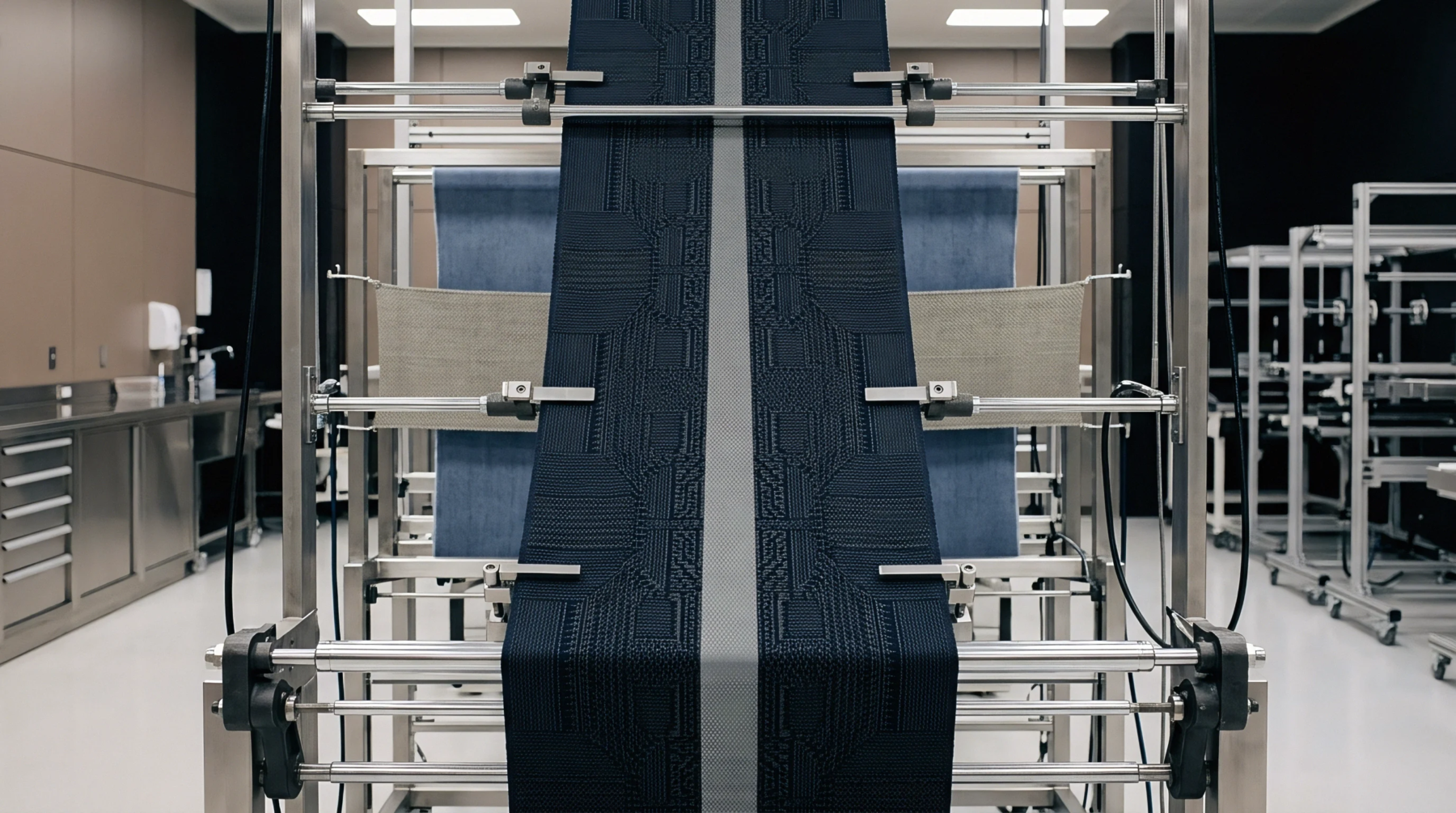
External force applied during stentering exerts pressure on the molecular structure of synthetic or natural yarns. Fabric tension holds these components in a temporary state that exceeds the natural equilibrium of the construction. Moisture or heat exposure during the subsequent laundry cycle allows the polymer chains to contract back to their inherent length.
Yarns regain their original twist and volume through this internal movement. Friction between crossing points provides the only resistance against total collapse of the geometric grid. Production managers monitor this reduction because it dictates the amount of overfeed settings required on drying machines.
Consistent performance ensures that patterns sized for large-scale cutting remain accurate after the consumer finishes the first wash. High counts of warp and weft intersections increase the internal stress that drives this change.
Material Constraints
Certain fibre types exhibit predictable contraction patterns based on their moisture regain capacity and thermal history. Cotton constructions often demonstrate larger losses than polyester blends because cellulose fibres absorb water and swell. High twist yarns create additional spring when wetted by pushing against adjacent yarns in the weave.
Finished goods meant for high-precision apparel demand low tension throughout the drying stages to prevent hidden contraction potential. Manufacturers mitigate this by applying chemical stabilizers that lock the orientation of yarns at the desired setting. Testing against a control group confirms whether the chosen stabilization process keeps the deviation within acceptable commercial limits for the intended application.
Verification Protocols
Commercial standards dictate that fabric testing occurs after the material reaches a standard atmosphere for moisture equilibrium. Technicians lay the sample flat on a non-abrasive surface to avoid physical distortion during the measurement phase. They must ensure that the edges remain free of tension from previous rolling operations to avoid skewed results.
Calculating the final percentage requires dividing the change in dimension by the original measurement. Results showing contraction beyond the contracted threshold trigger immediate review of the tenter oven settings. Reliable data collection at the bulk production stage prevents costly recalls where garments shrink out of their graded proportions.
Strict adherence to these dry-to-wet comparisons defines the true operational capacity of a mill.