Production Measurement
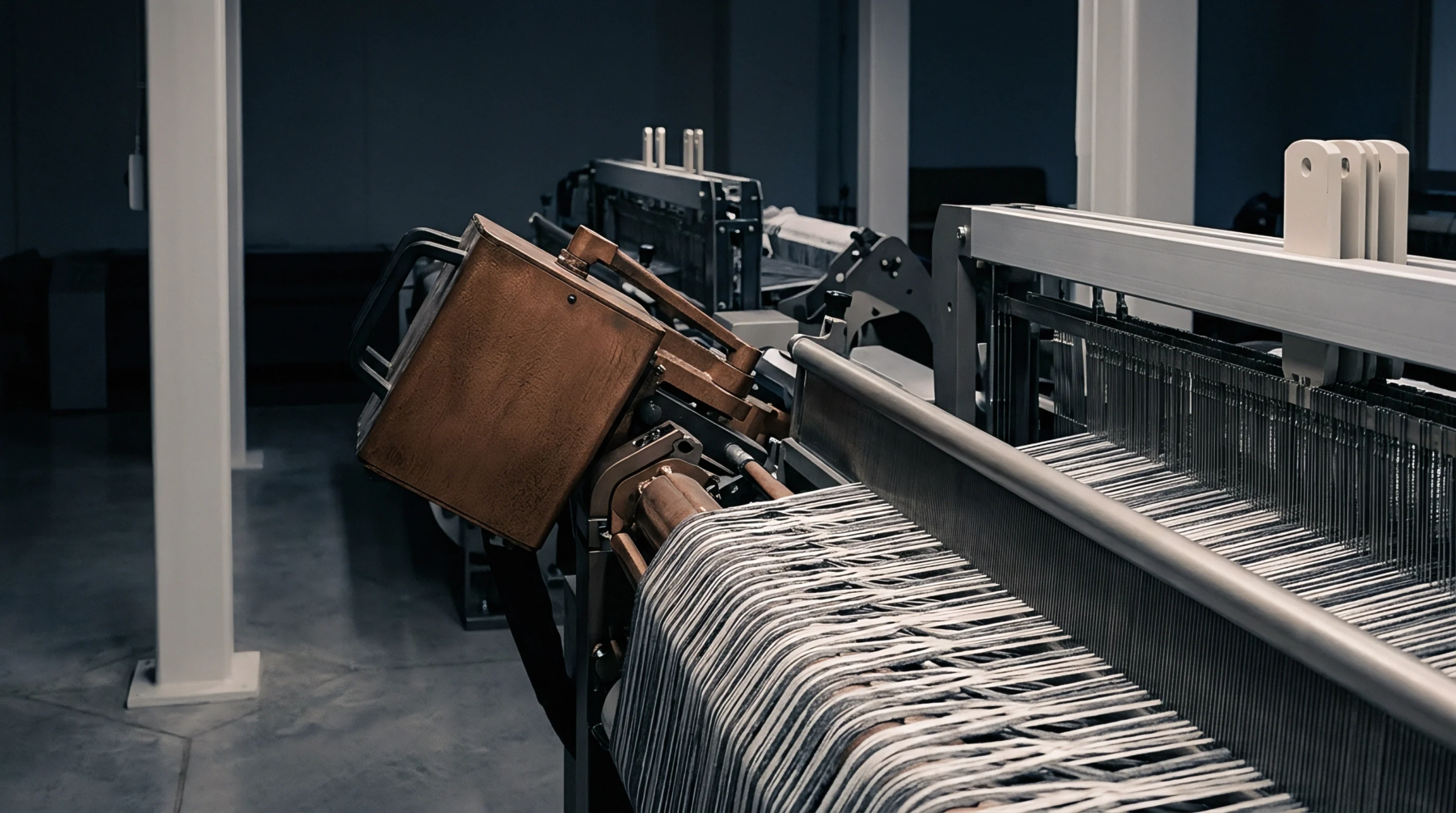
Numerical evaluation of the number of longitudinal yarns positioned along a defined width determines the count of warp end density. Warp end density establishes the specific frequency of parallel strands per centimetre or inch across the loom state fabric. This variable functions within the weaving stage to dictate the physical cover and the final mechanical strength of a textile structure.
Operators calibrate loom settings to maintain uniformity across the entire width of the piece during the shedding cycle. Precise control of these vertical positions prevents inconsistent surface friction or variations in the final opacity of a bolt. Deviation from the target specification results in visible stripes or irregular permeability across the finished length of the material.
Weaving Constraint
Tensioning mechanisms on the warp beam act upon warp end density to control the alignment of individual yarns during high speed insertion. Constant monitoring of these mechanical parameters prevents breakage of fragile multifilament strands or uneven spacing in a plain weave construction. The density measurement informs the initial selection of the reed gauge which limits the maximum number of yarns per centimetre allowed by the physical equipment.
Manufacturers verify this value after the cloth exits the loom to confirm the performance against the technical sheet provided by the customer. Stability of the yarn arrangement depends on the coordination between the shedding motion and the take up speed. Increasing the count of yarns forces a decrease in the space available for individual movement during the crossing of the weft.
Excess pressure causes buckling of the warp, whereas insufficient spacing reduces the barrier against air or liquid penetration in the final product.
Inspection Protocol
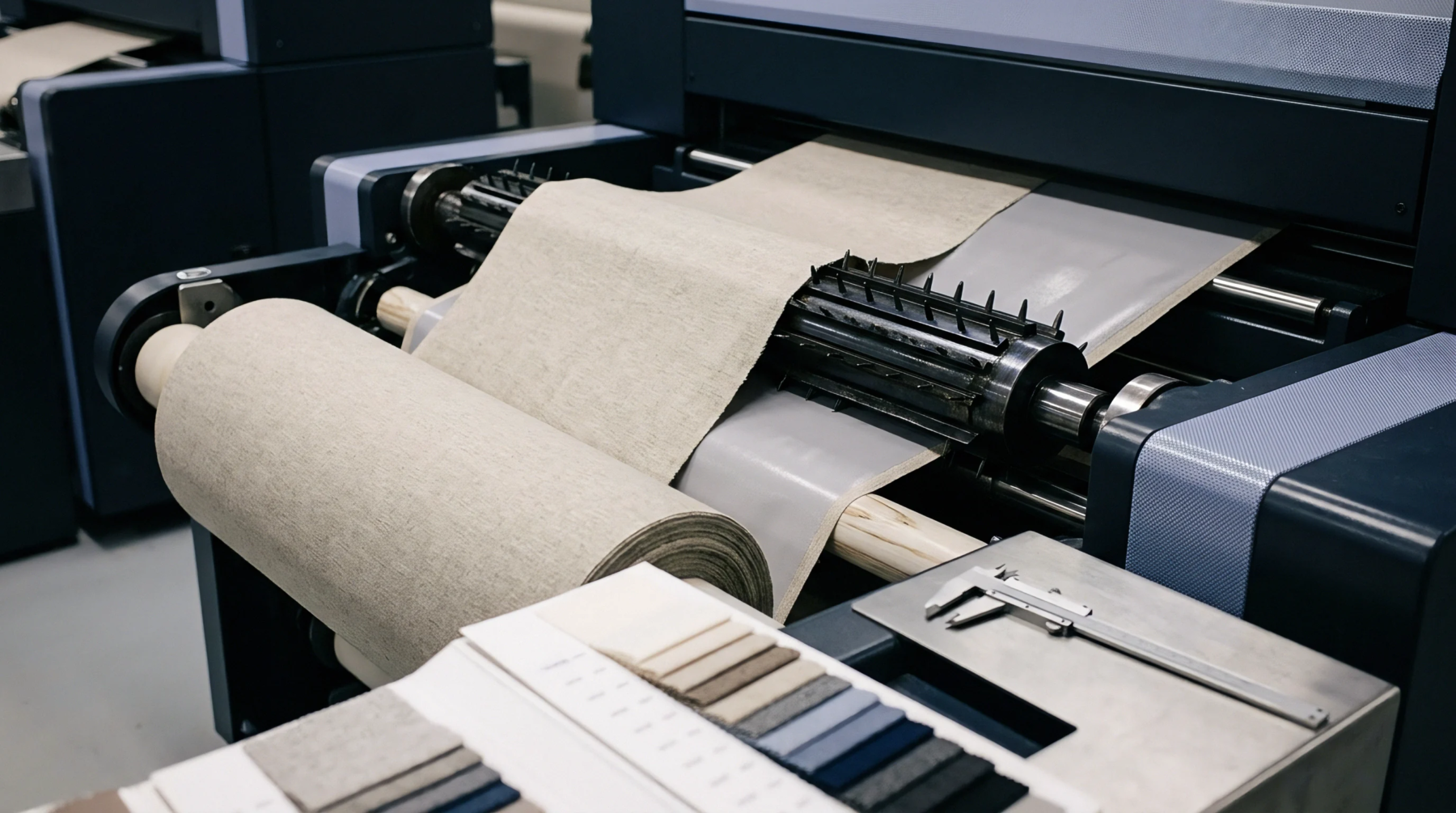
Digital counting systems and manual optical gauges provide the verification of warp end density for quality assurance purposes. Technicians perform this measurement on a relaxed fabric sample removed from the tensioned state of the processing environment. Calibration requires placing a standard metric scale across the warp direction to identify the exact count within a fixed area.
Samples must represent the entire width of the cloth to ensure that edge tension does not bias the reported value. Verification procedures occur after the heat setting or finishing processes because these steps shift the final spacing of the fibres. Documented results track the repeatability of the manufacturing process across different batches of raw material supplied to the factory.
Recording the variance between the design specification and the actual count highlights mechanical wear or improper calibration of the shedding harness.
Mechanical Outcome
Uniformity in warp end density guarantees the consistency of drape and hand feel for the end user in garment manufacturing. Fabrics with high counts produce a stiffer structure with increased resistance to abrasion and tearing under heavy loads. Proper distribution of yarns prevents light transmission through the interstices of a tight construction.
Correctly balanced density maintains the structural integrity of the textile when subjected to the stress of industrial sewing machines. This property defines the baseline behaviour of the material under standard environmental conditions.