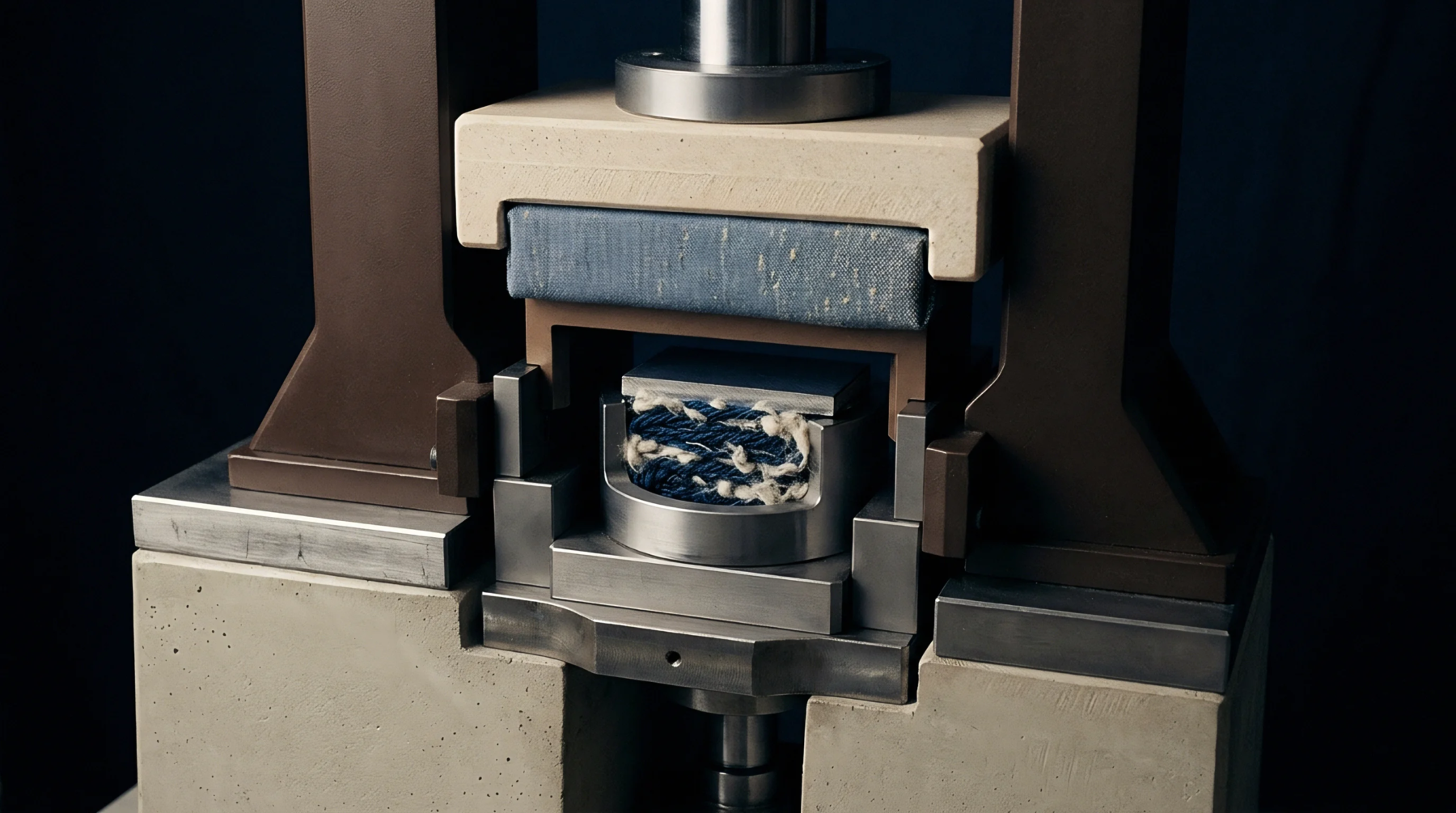
Mass Transfer Rate Drift in Heated Dye Pad Troughs under Variable Relative Humidity
Relative humidity drops accelerate solvent evaporation in heated pad troughs, concentrating liquor and causing head-to-tail shade drift in continuous dyeing.
Relative humidity drops accelerate solvent evaporation in heated pad troughs, concentrating liquor and causing head-to-tail shade drift in continuous dyeing.

Reconciling ocean freight chemical degradation against destination reporting limits requires Arrhenius kinetic aging models based on container temperature logs.
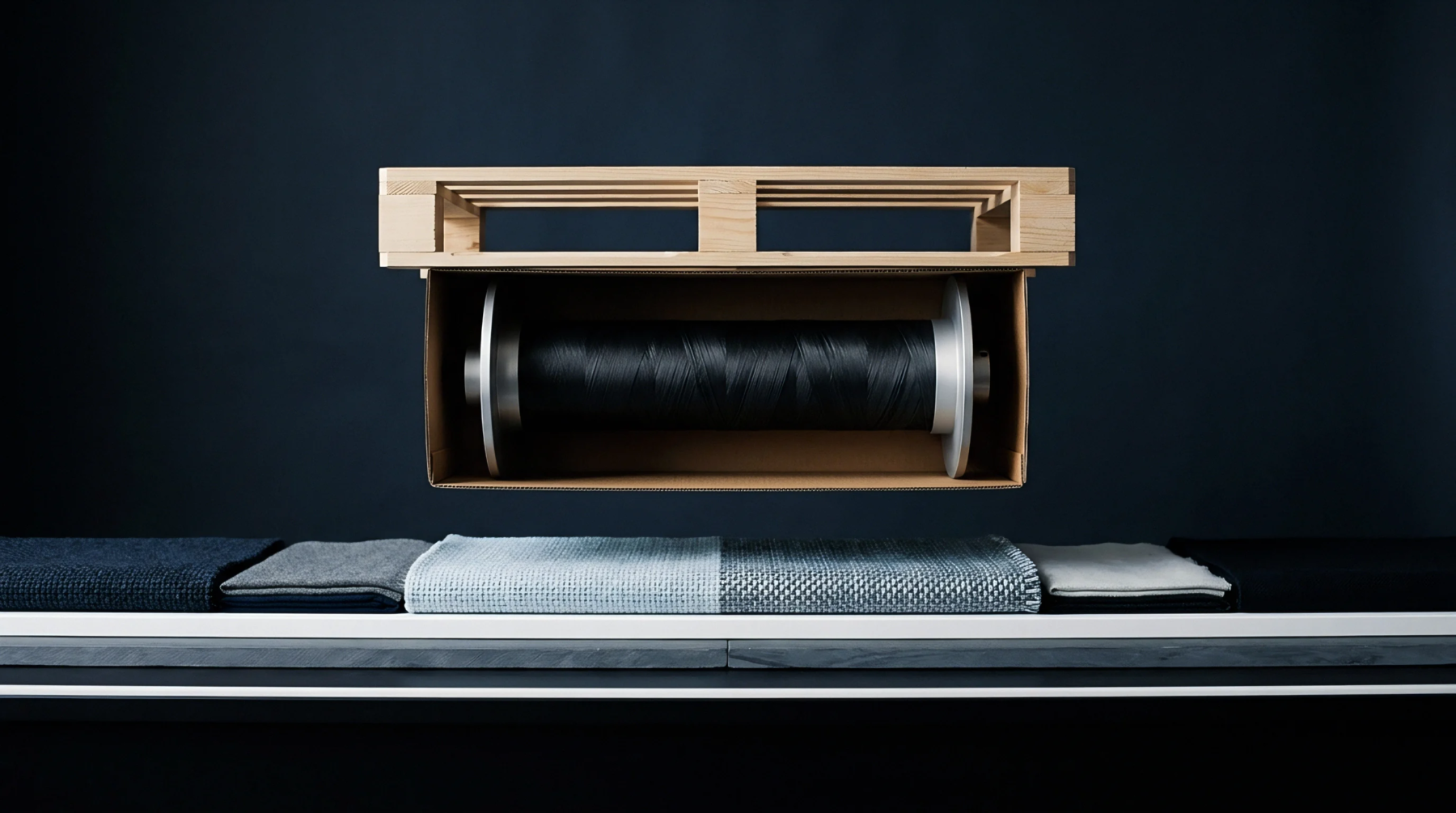
Marine container moisture gain alters physical weight on arrival; commercial settlement under ISO 6741 requires adjusting clean oven-dry mass to standard regain.
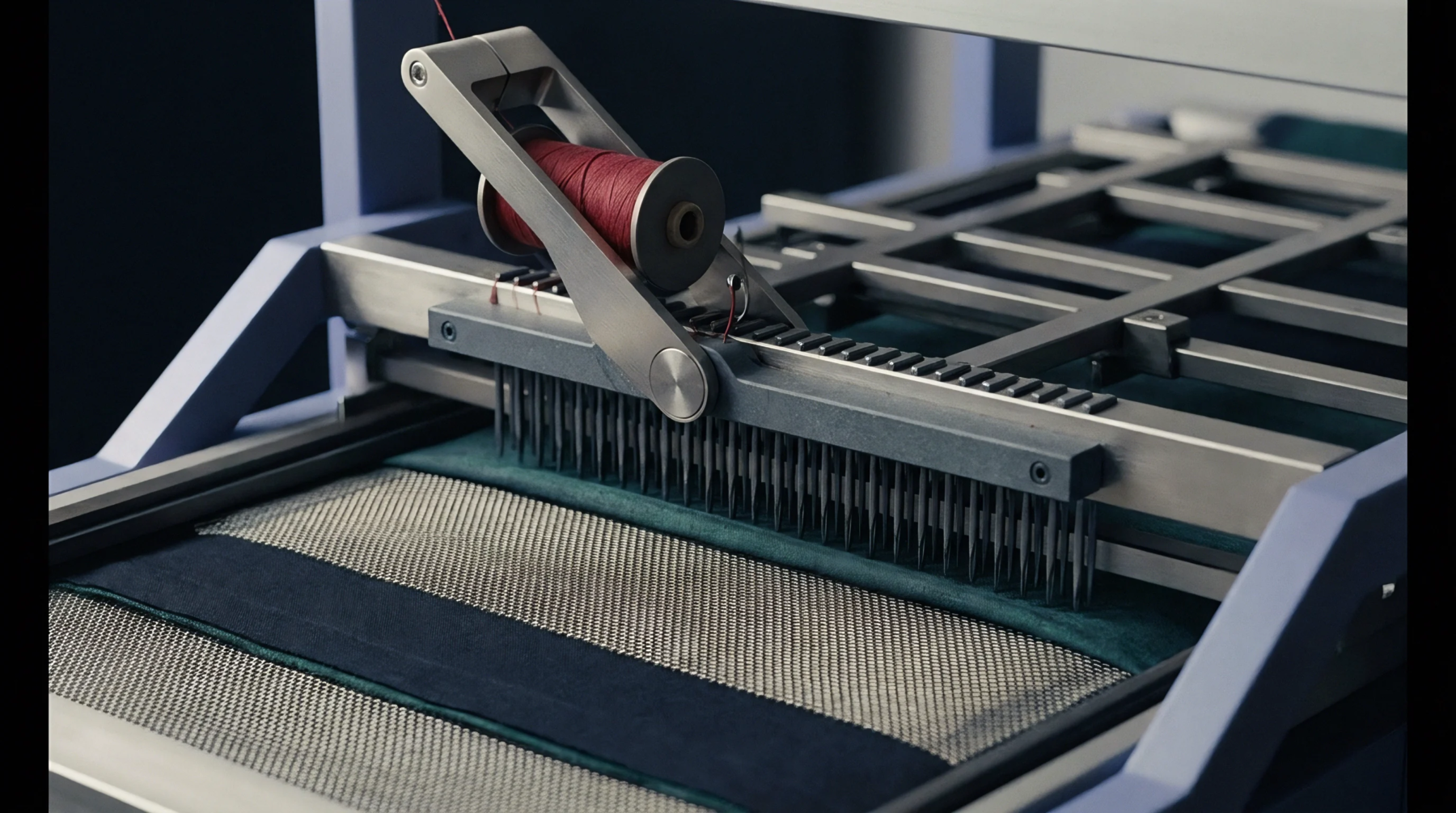
Preconditioning dispute samples at 50°C and 15% RH eliminates sorption hysteresis, ensuring repeatable multi-mill mass and physical testing acceptance.

Determine commercial moisture regain standards through representative bale core sampling and forced-draft oven drying to convert net shipping mass into billable commercial weight.
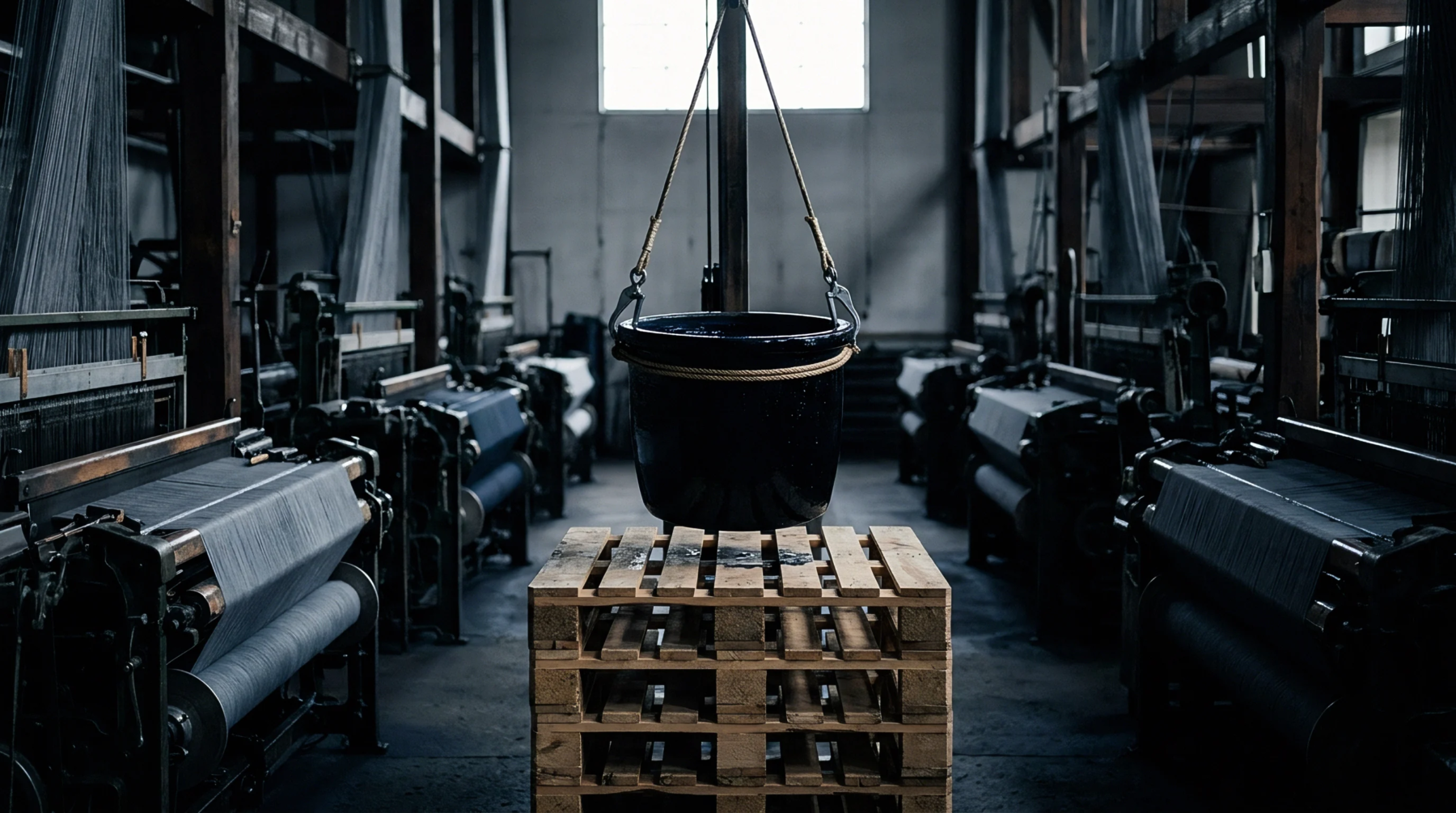
Calculating container desiccant capacity requires balancing cargo regain desorption wood pallet vapor release and ocean route temperature differentials.
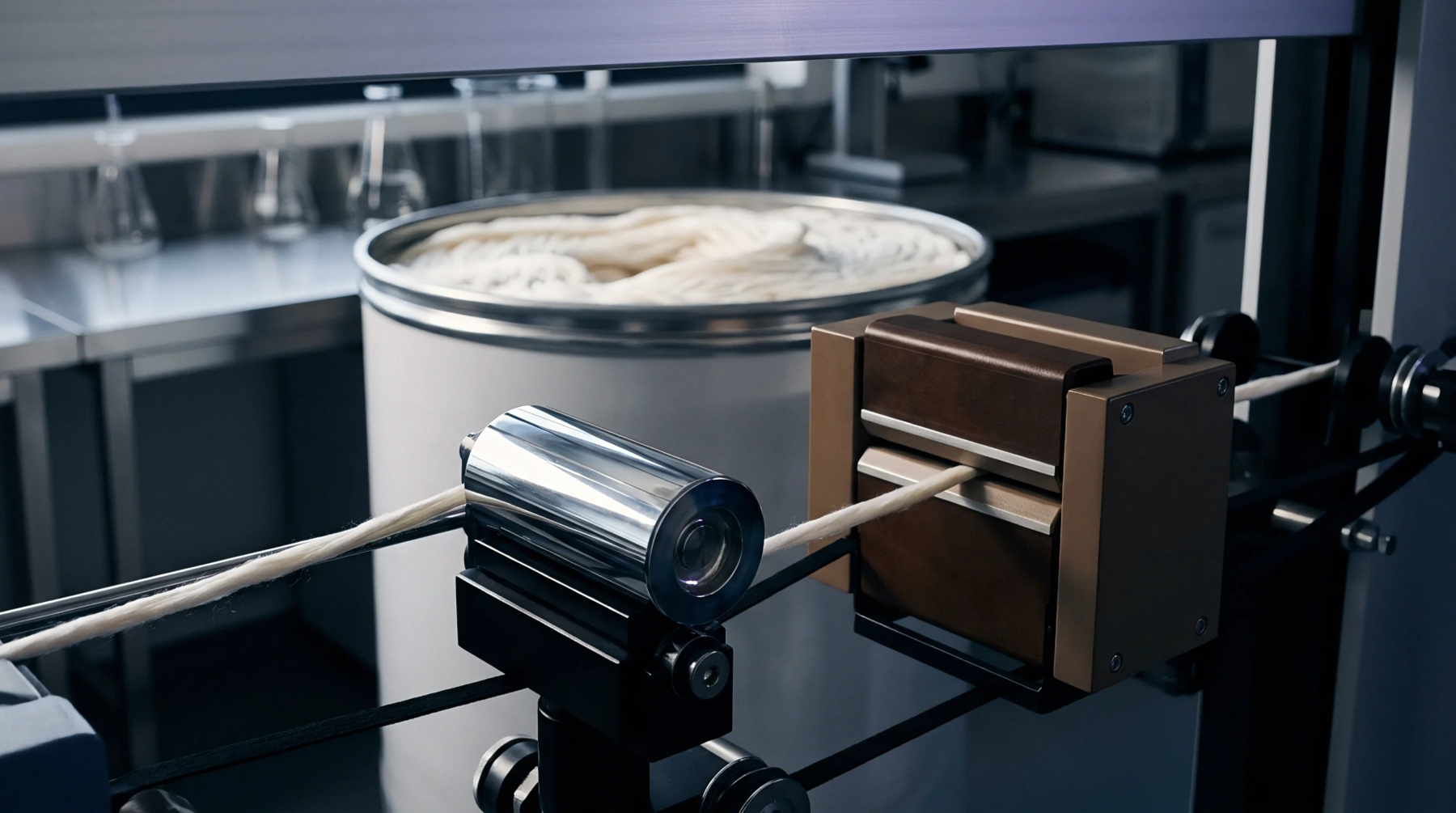
Adjust clean oven-dry mass using official commercial regain percentages to ensure accurate tariff classification and prevent commercial mass invoicing errors.
Calculate weighted regain by multiplying dry fiber fractions by standard regain rates, applying this factor to clean dry mass for final invoice weight.

Baseline moisture allowances convert raw lot weight into commercial mass using ISO regains to prevent paying yarn prices for ambient water.
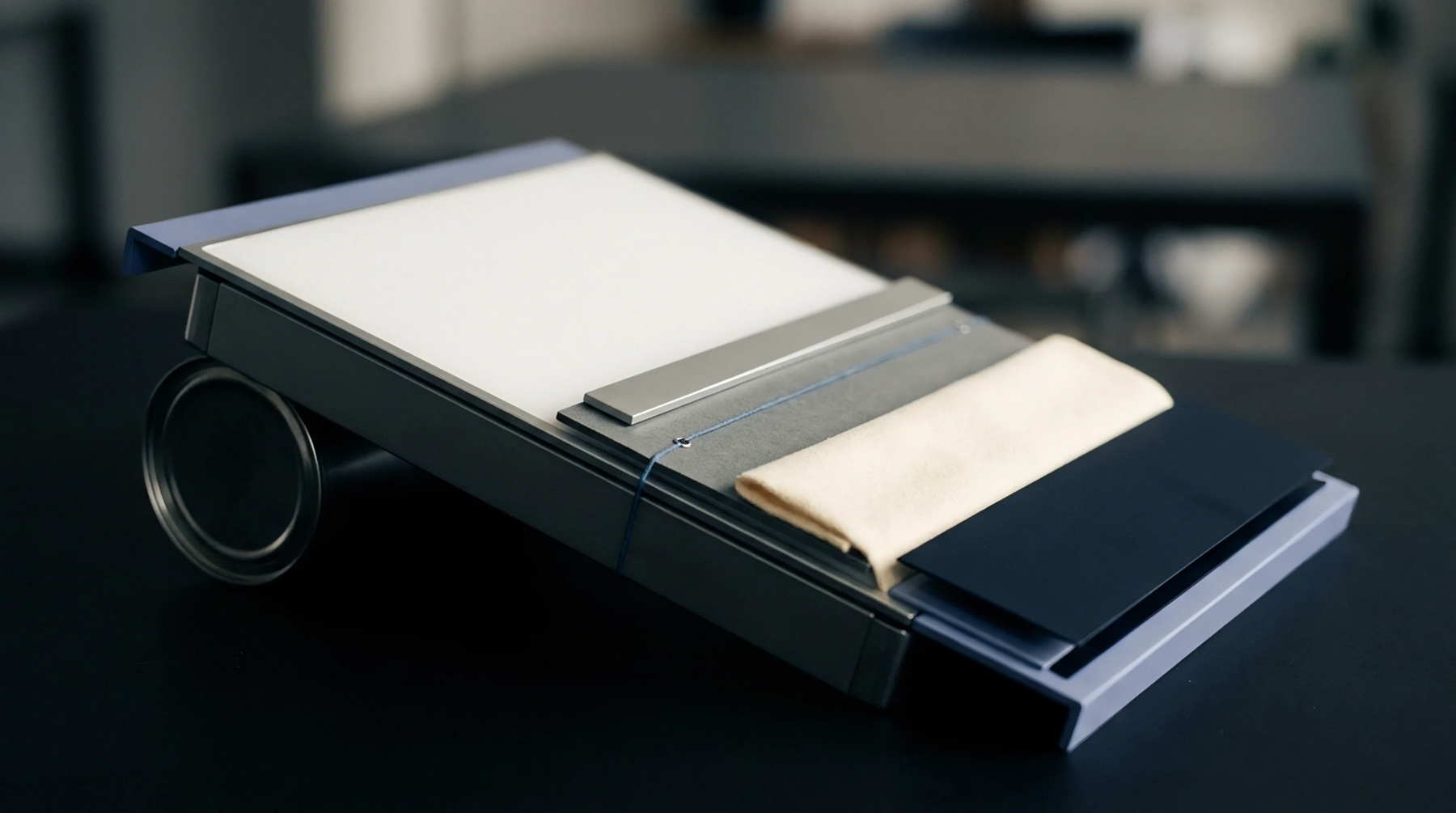
Adjust landed textile valuation disputes by converting gross scale weights to ISO 6741 dry mass plus commercial regain using dockside moisture sample reports.
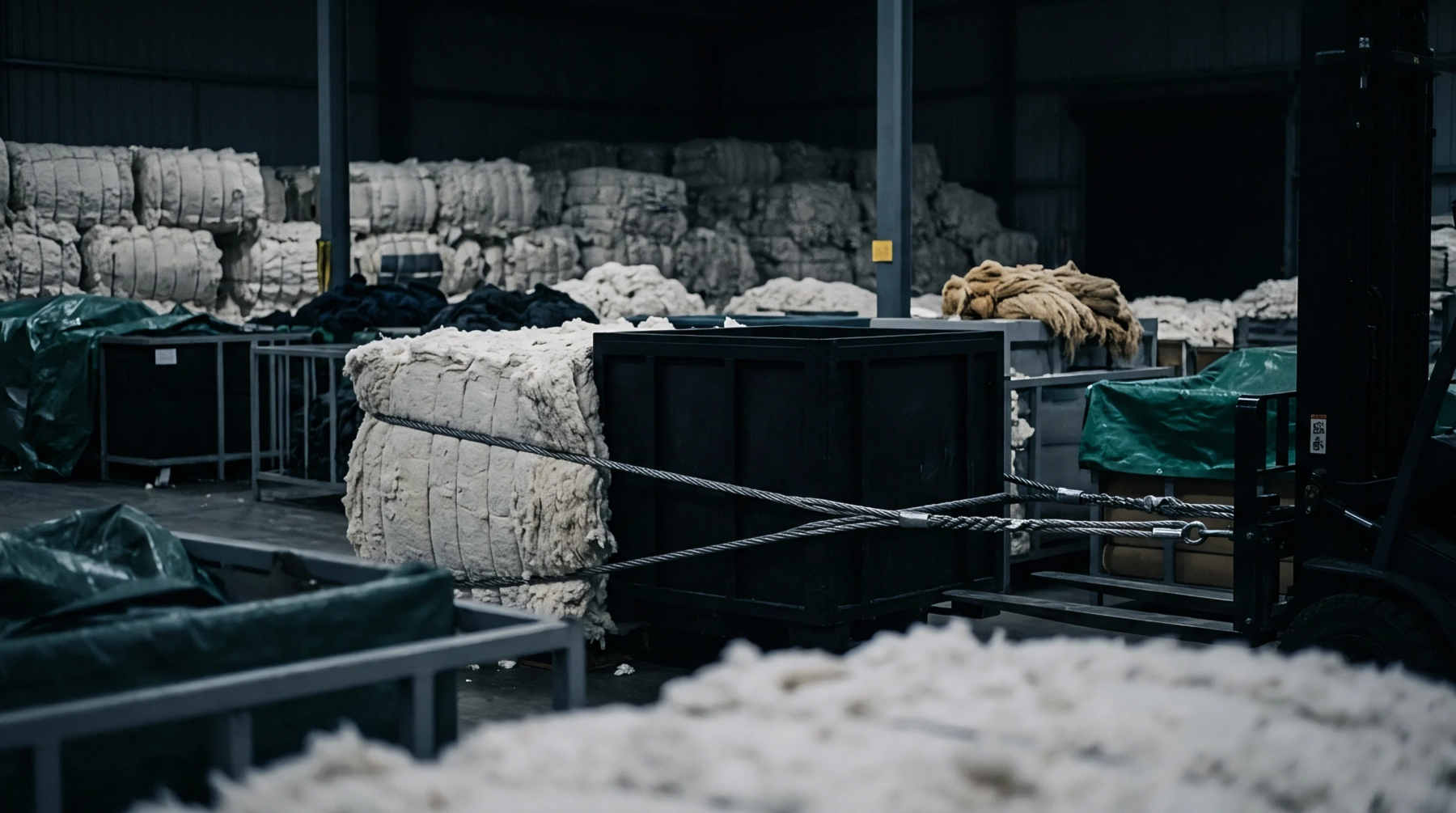
Commercial mass arbitration of maritime viscose transport converts scale weights to oven-dry fiber mass under ISO 6741 using official regain factors.

Commercial weight equals dry polymer mass multiplied by one plus the standard commercial regain percentage, converting tested moisture levels into trade invoices.
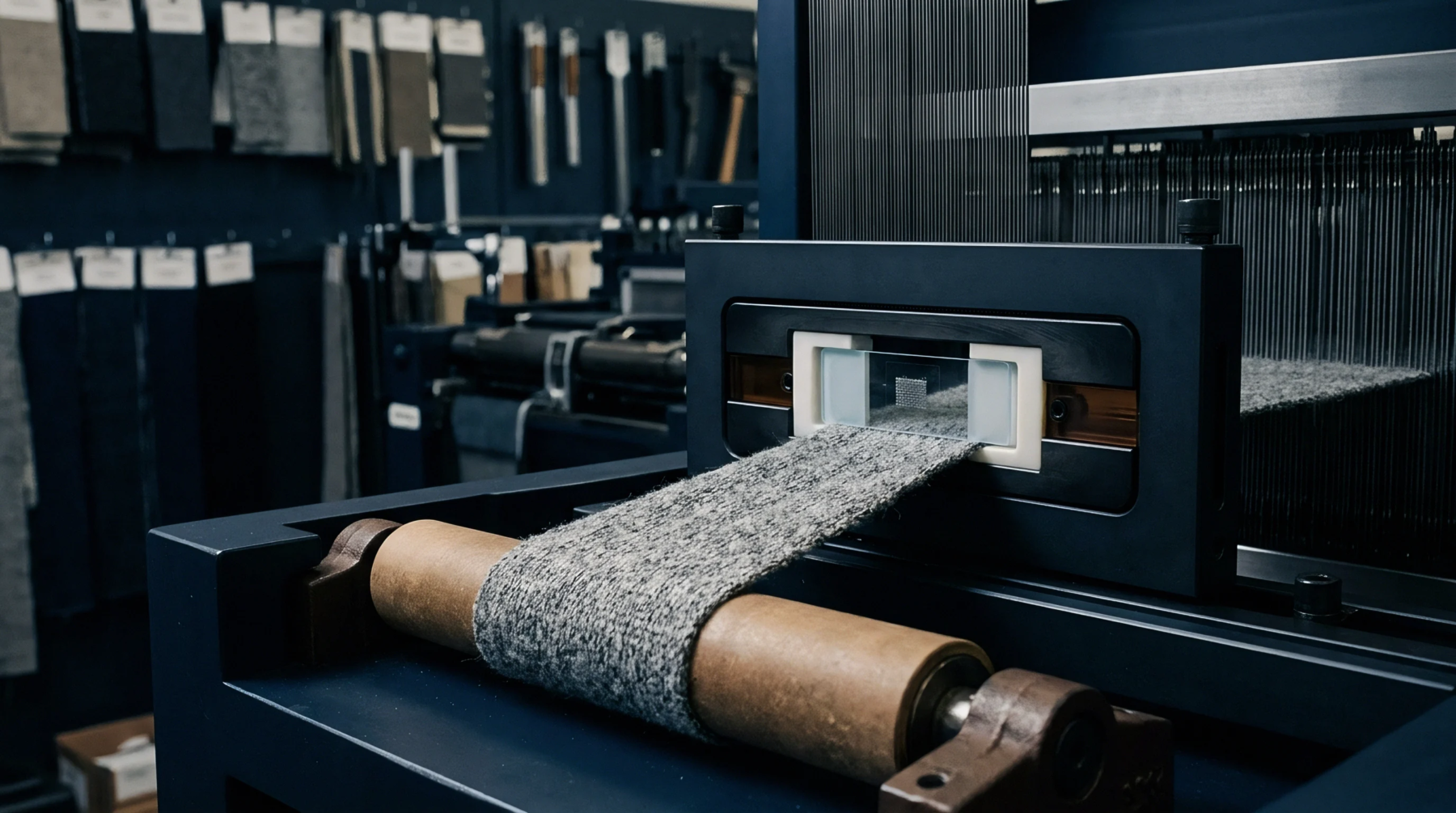
Standard atmospheric conditioning eliminates sorption hysteresis errors, securing accurate fabric weight, thread density, and commercial mass billing.

Gravimetric oven drying determines accurate polymeric fibre regain by measuring dry mass after removing volatile moisture at specified temperatures.
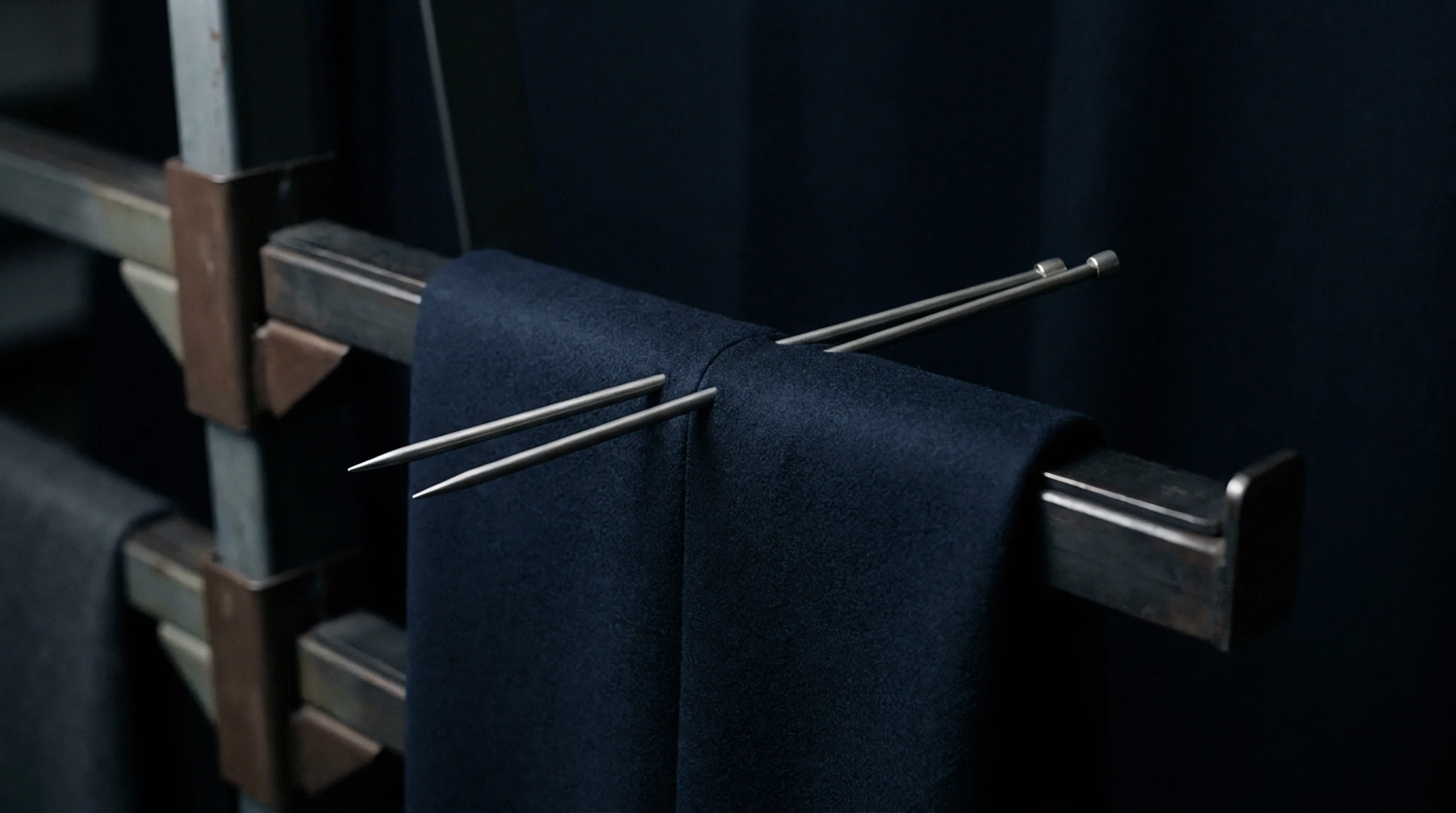
Commercial mass calculations adjust physical scale weight to agreed moisture regains, protecting yarn buyers from paying for excess atmospheric water.

Polymeric fibre desorption hysteresis traps bound water during ocean transit, requiring commercial mass adjustments based on core gravimetric oven testing.

Dynamic control of ambient regain, pad bowl deflection, wet-bulb drying temperatures, and steam saturation halts continuous shade drift across variable weather.
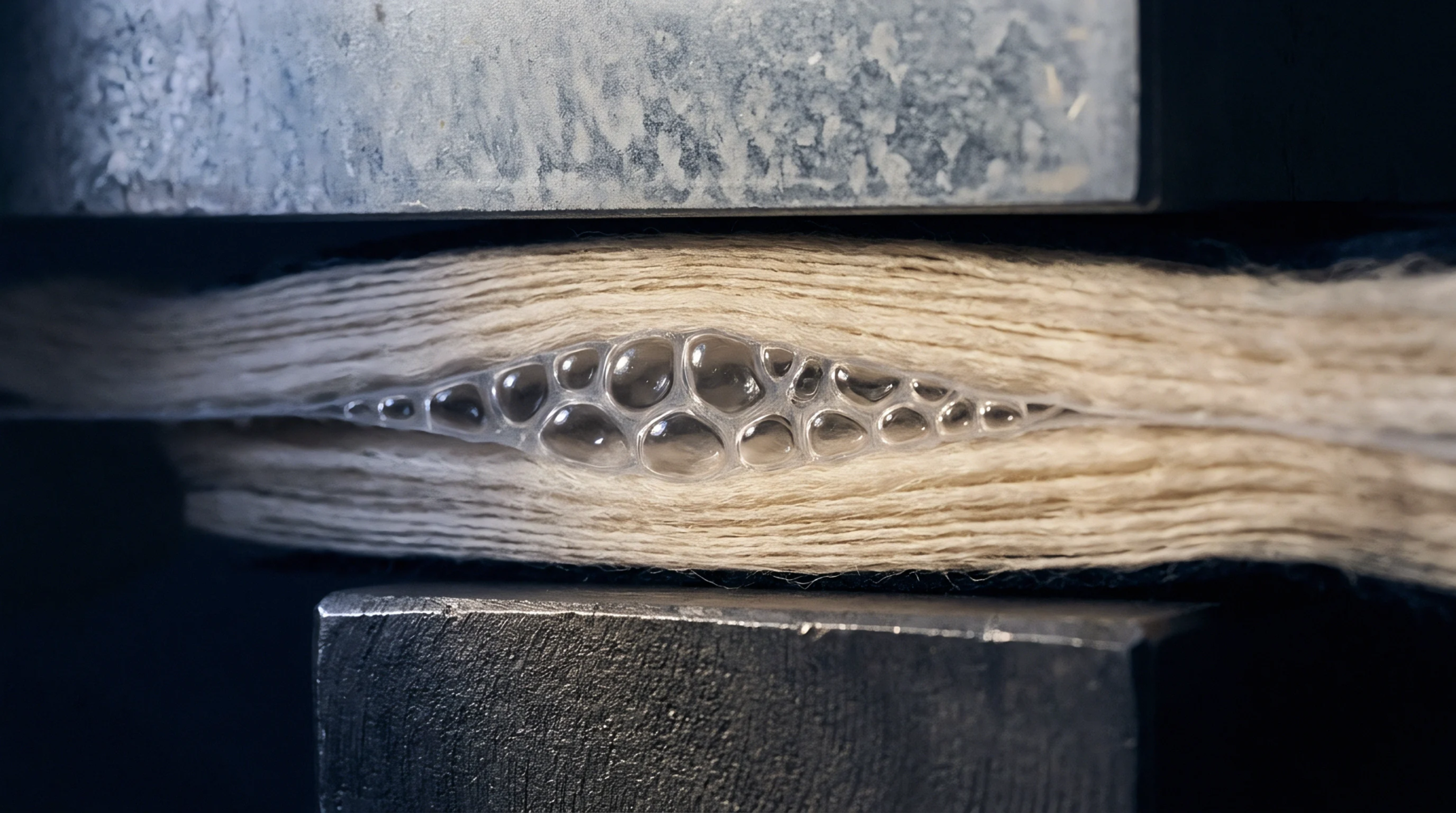
Reconciling moisture regain discrepancies requires calculating net dry mass via gravimetric oven drying and applying standard commercial allowances to correct invoice weights.
Expertise is a utility, not a secret. sentiention™ publishes its working knowledge as open reference: intelligence layer covering the materials it sources, the markets it enters, and the reference that serves both.