Baseline Climate
Testing laboratories maintain a standard atmosphere inside conditioning chambers to evaluate physical properties of textiles without moisture interference from ambient weather. The reference condition dictates a temperature of twenty degrees Celsius paired with a relative humidity of sixty five percent, establishing a repeatable baseline for physical testing. Yarn tenacity and fabric elongation respond rapidly to humidity shifts, so international testing protocols enforce these exact boundaries to eliminate environmental variables during commercial arbitration.
Technicians condition samples in this controlled volume for twenty four hours prior to breaking strength evaluations.
Calibration Standard
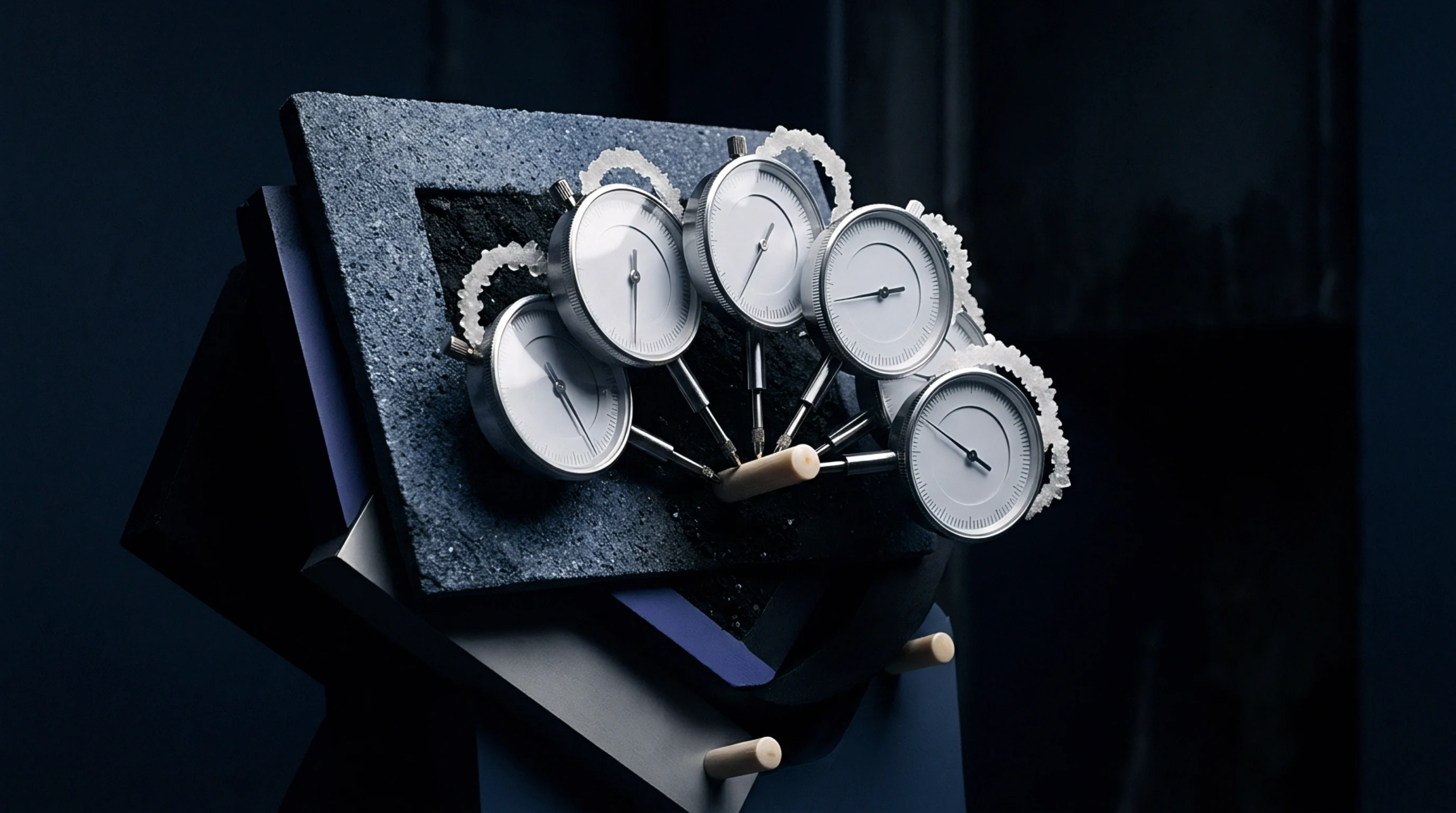
Hygrometers and thermometers inside the conditioning enclosure require frequent verification against certified reference instruments to maintain the required tolerance limits. The air conditioning unit cycles continuously to counteract thermal gains from personnel and equipment operating within the testing space. Air circulation must remain uniform across every specimen rack to prevent microclimates from forming around dense wool bales or heavy canvas rolls.
Moisture Equilibrium
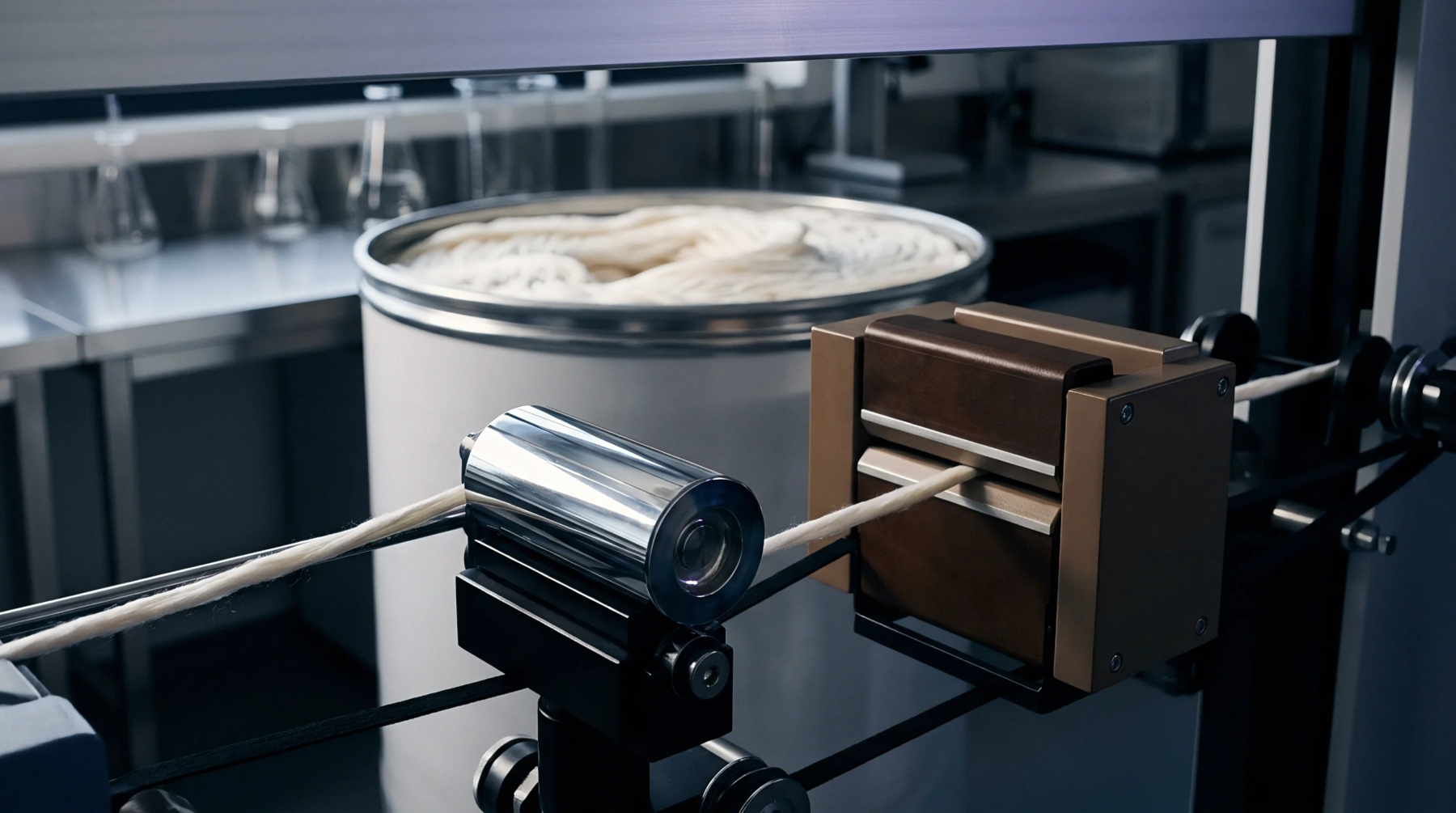
Hygroscopic fibres absorb or release water vapor until moisture content reaches balance with the surrounding air pressure and humidity level. Dry cotton exhibits lower tensile strength than fully conditioned material, making environmental control mandatory for commercial grade certification. Commercial mass calculations rely upon moisture regain percentages derived directly from this baseline conditioning state, protecting buyers from paying for excess water weight in natural fibre shipments.
Commercial Arbitration
Disputed delivery lots undergo retesting in accredited laboratories where ambient deviations invalidate the original mill certificate. Contractual agreements reference this specific atmospheric parameter to settle claims regarding burst strength and dimensional stability after washing. Buyers reject consignments when independent laboratory results fail to match declared specifications under the mandated test condition.