Analytical Foundation
Moisture content quantification acts as the absolute thermal balance verification method for determining the mass loss of raw natural fibre substrates through high temperature evaporation. Gravimetric oven drying executes this measurement by comparing the precise weight of a textile specimen before and after exposure to controlled heat within a ventilated environment. Industry standards require that samples reach a constant mass status to confirm that all transient aqueous components are fully removed from the internal structure.
Fibre suppliers utilize this measurement to settle weight disputes arising from varying atmospheric humidity levels during bulk storage. Standard drying temperatures sit at one hundred and five degrees Celsius for cotton and wool staples to ensure zero degradation of the organic polymer chains. This protocol provides the baseline data for adjusting invoice weights against the moisture regain limits prescribed by international trade agreements.
Material Calibration
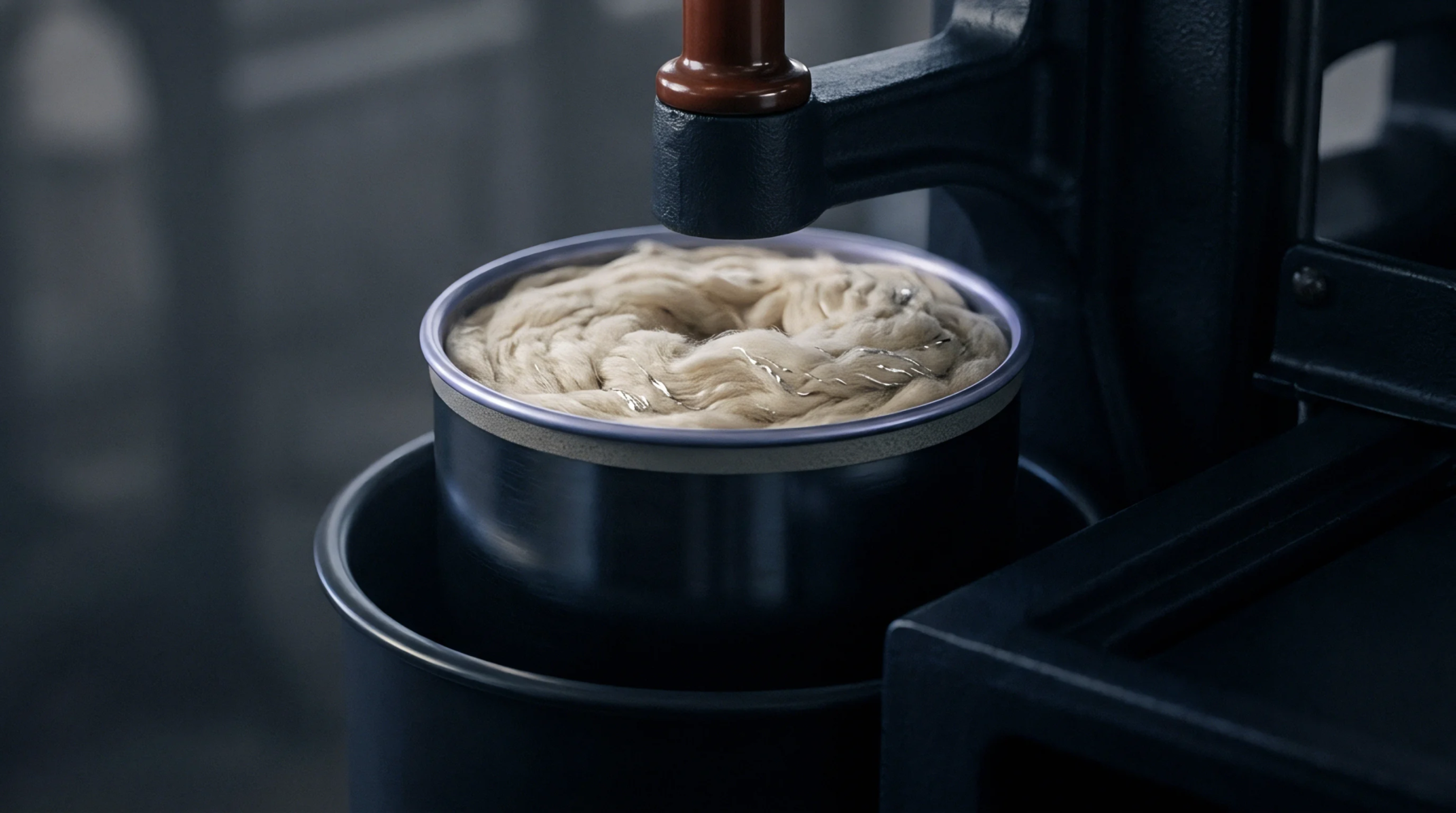
Moisture calculation depends on the distinction between internal hydration and surface moisture levels found on raw bales or processed sliver. Operators place a clean specimen into a precision balance to record the initial mass immediately after sampling from the conditioned lot. After recording the wet weight, the technician places the item inside a forced convection chamber to maintain a consistent thermal gradient across the sample.
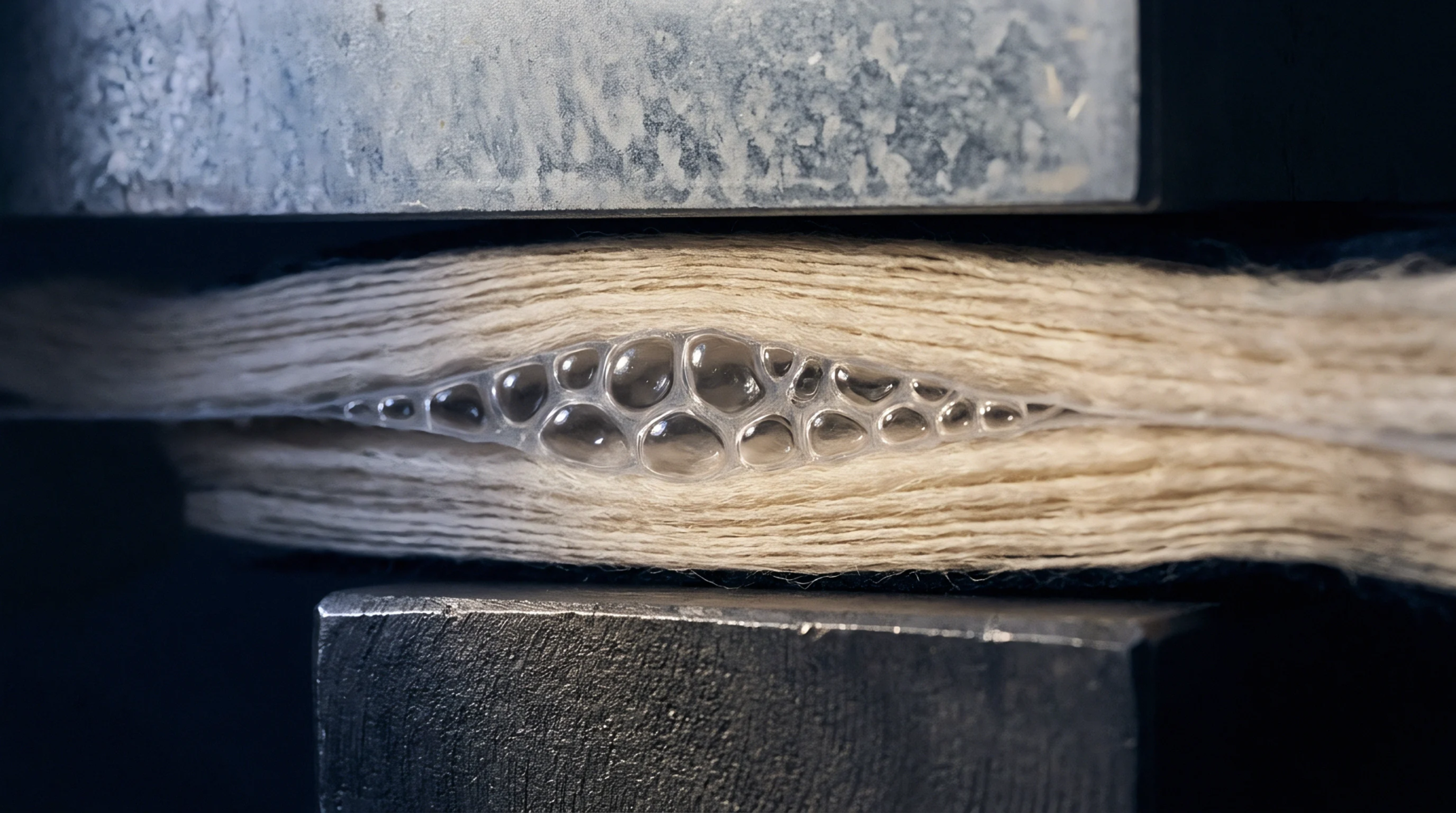
Heat energy forces the liquid phase of water trapped within the cellulose or keratin structure to convert into vapour for extraction. Once the sample reaches a steady mass, the operator removes the vessel and cools the contents within a sealed desiccator to prevent reabsorption of ambient humidity before the final weighing. Subtracting the dry weight from the initial measurement reveals the exact percentage of water previously occupying the interstitial space of the textile fibres.
Process Requirement
Fabric inspection departments employ this verification to validate the moisture content of synthetic filaments and blended yarns arriving from spinning mills. Production managers verify that moisture levels comply with the specific quality benchmarks established for high speed knitting or weaving operations to prevent breakage under mechanical tension. Excess water accumulation inside the fibre core alters the bending stiffness of the yarn, which results in uneven loop formation during circular knitting.
Low moisture levels create static electricity accumulation that disrupts fibre alignment and causes excessive needle heat during processing. Mills often report the dry weight status on the technical data sheets accompanying every shipment of greige goods to ensure transparency during the transfer of ownership between facilities.
Weight Stability
Analytical accuracy relies upon the complete equilibrium of the specimen inside the controlled environment. Samples showing persistent mass fluctuations after two hours of heating indicate an incorrect temperature setting or the presence of volatile chemical finishes that distort the final result. Operators must adjust the exposure duration according to the density of the textile assembly because thick felts retain more heat and moisture than light weight filament bundles.
Accurate determination of the bone dry mass allows for the correct calculation of commercial weight adjustments without including the variable influence of atmospheric humidity. Reliable moisture quantification remains the primary method for maintaining parity in fibre trades across international jurisdictions.