Moisture Damage
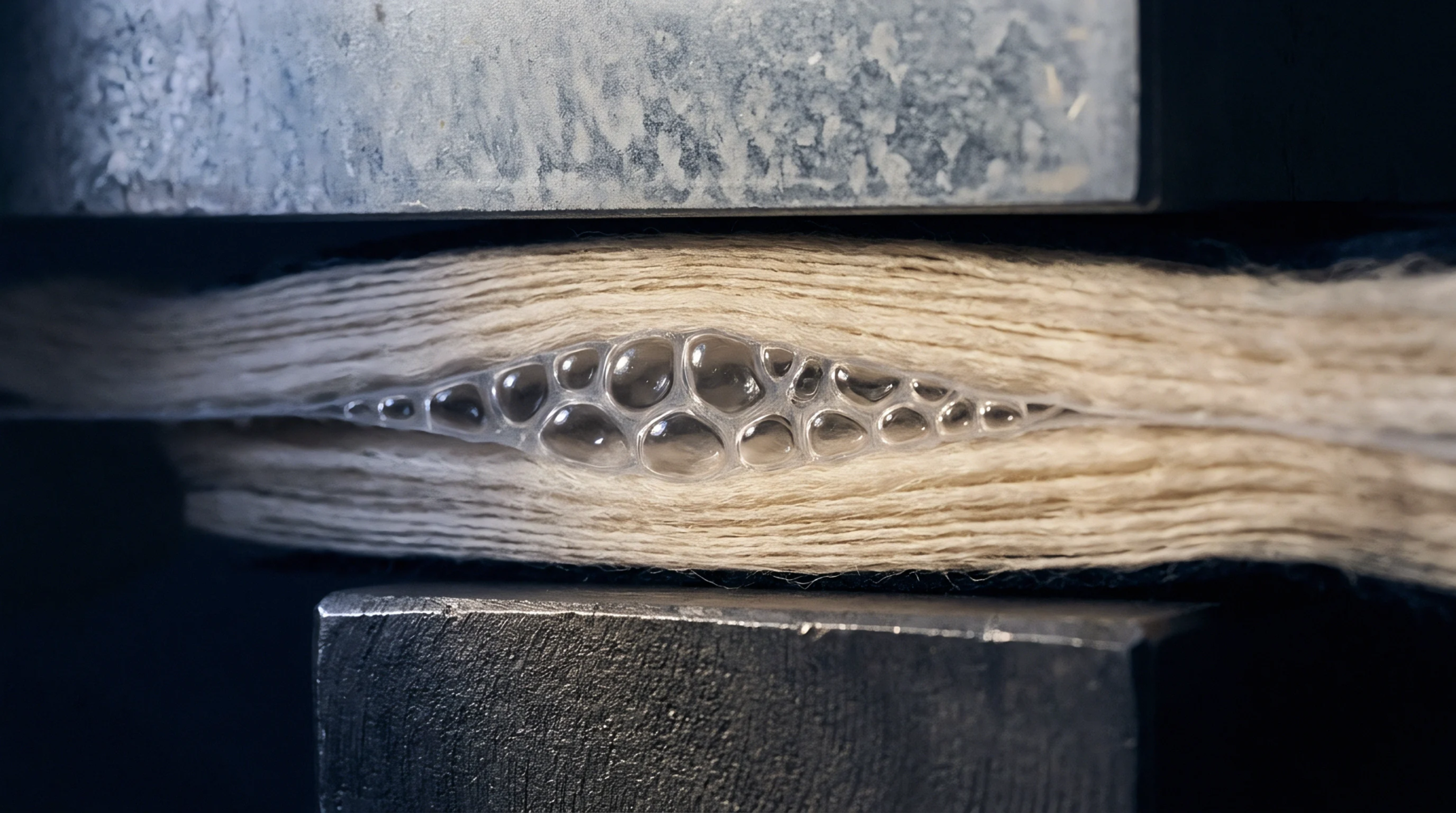
Shipping hazards during maritime transport often involve dramatic temperature changes that release moisture into the sealed environment. In international textile logistics, container sweat occurs when warm, humid air cools rapidly and condenses on the cold metal walls of the cargo unit. This condensation drips directly onto carton boxes and packed garments, promoting mold growth and weakening cardboard packaging.
Thermal Condensation
Temperature fluctuations between day and night during sea transit trigger the transition of vapor into liquid droplets. While container sweat is most severe in equatorial shipping lanes, it can occur whenever high-humidity cargo is loaded in tropical ports before traveling to colder climates. The metal structure acts as a heat exchanger, driving the internal relative humidity past the dew point.
Protective Measure
Preventing this form of damage involves controlling the internal humidity levels before sealing. Exporters use desiccant bags or insulated liners to absorb excess moisture from the air. In addition, moisture content in carton boxes must be verified before loading.
Quality Loss
Textile consignments exposed to localized wetting suffer from fiber degradation and musty odors. Although container sweat itself is a physical process, the biological activity it enables can render entire shipments of apparel unsellable upon arrival. Resolving these insurance claims relies on temperature data loggers that record the exact timing of humidity spikes during the voyage.
Claims adjusters analyze this chronological data to pinpoint whether the damage happened during land storage or ocean transit.