
Determining Standard Moisture Regain Values for Synthetic Filament Yarns
Commercial mass of synthetic filament yarns is determined by adding standard commercial moisture allowances to solvent-extracted oven-dry mass.
Commercial mass of synthetic filament yarns is determined by adding standard commercial moisture allowances to solvent-extracted oven-dry mass.
Dynamic multi-spectral compensation decouples moisture absorption bands from polymer overtones, preventing sorting misclassifications and financial penalties.

Commercial mass calculations convert net delivered fiber weight to dry mass plus official regain, eliminating financial losses from shipping absorbed water.
Dynamic moisture sorption hysteresis shifts blended fabric commercial weights up to three percent depending on preconditioning history and transit humidity.

Commercial mass in ocean freight combed cotton reconciles scale mass to anhydrous dry weight plus official 8.5 percent regain to prevent paying for water.
Thermodynamic sorption corrections convert ambient multi-fiber invoice weights to legal dry commercial mass, eliminating excess water charges and tariff overpayment.
Commercial mass adjustments correct raw cotton delivery weights to an 8.5% standard regain baseline using oven dry core testing to prevent water billing errors.

Mathematical regain corrections adjust raw HVI strength and length to 7.0% moisture targets, preventing misclassification from sorption hysteresis.

Adjusting synthetic cellulose weight for commercial moisture regain prevents customs overvaluation and resolves borderline tariff classification disputes.
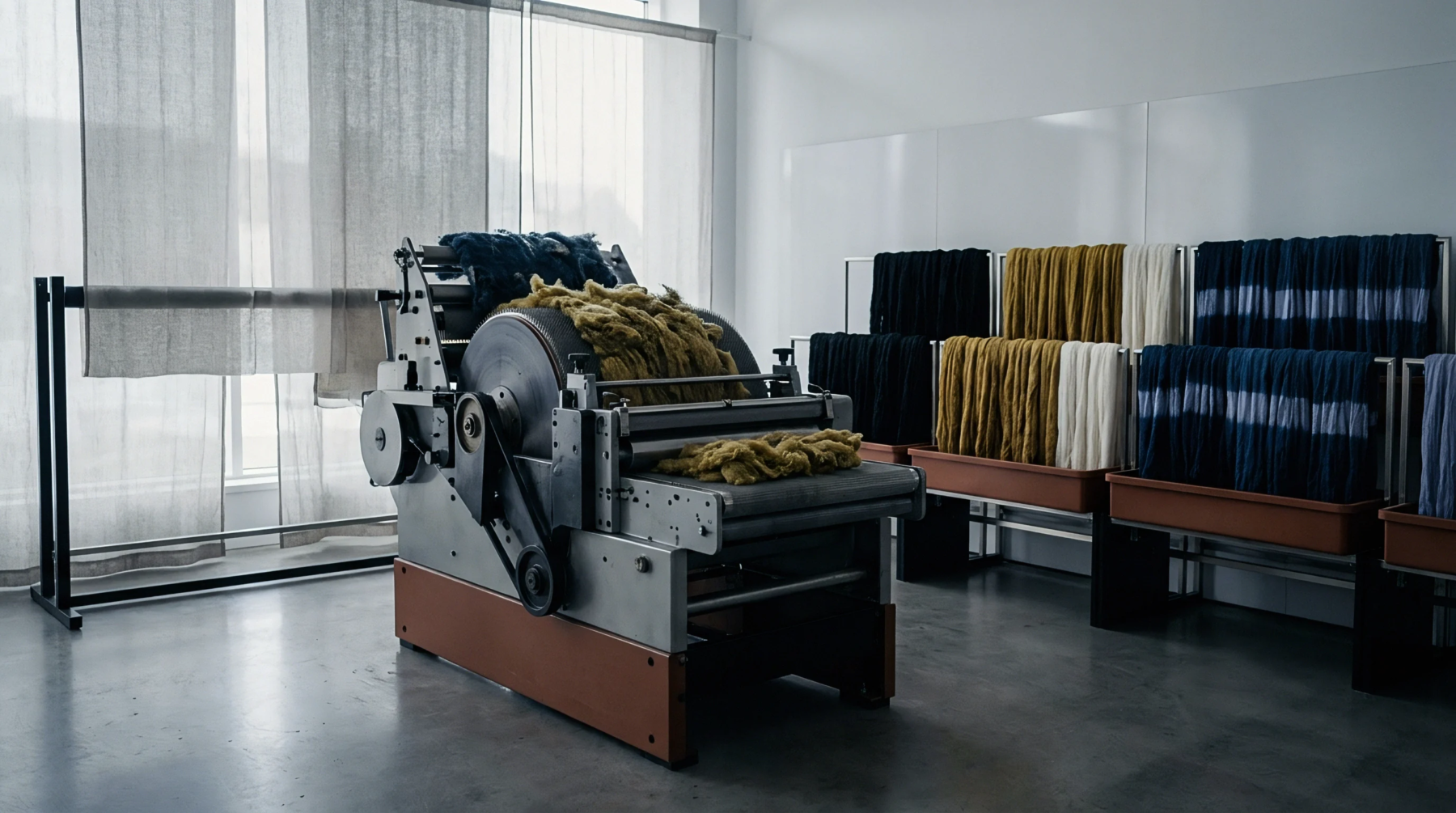
Textile moisture determination requires gravimetric oven drying at 105°C or Karl Fischer titration to calculate commercial weight and prevent invoice mass errors.

Quantitative evaluation of sorption hysteresis and hydrolytic decay in laminate tie-layers establishes real durability and regulatory compliance limits.
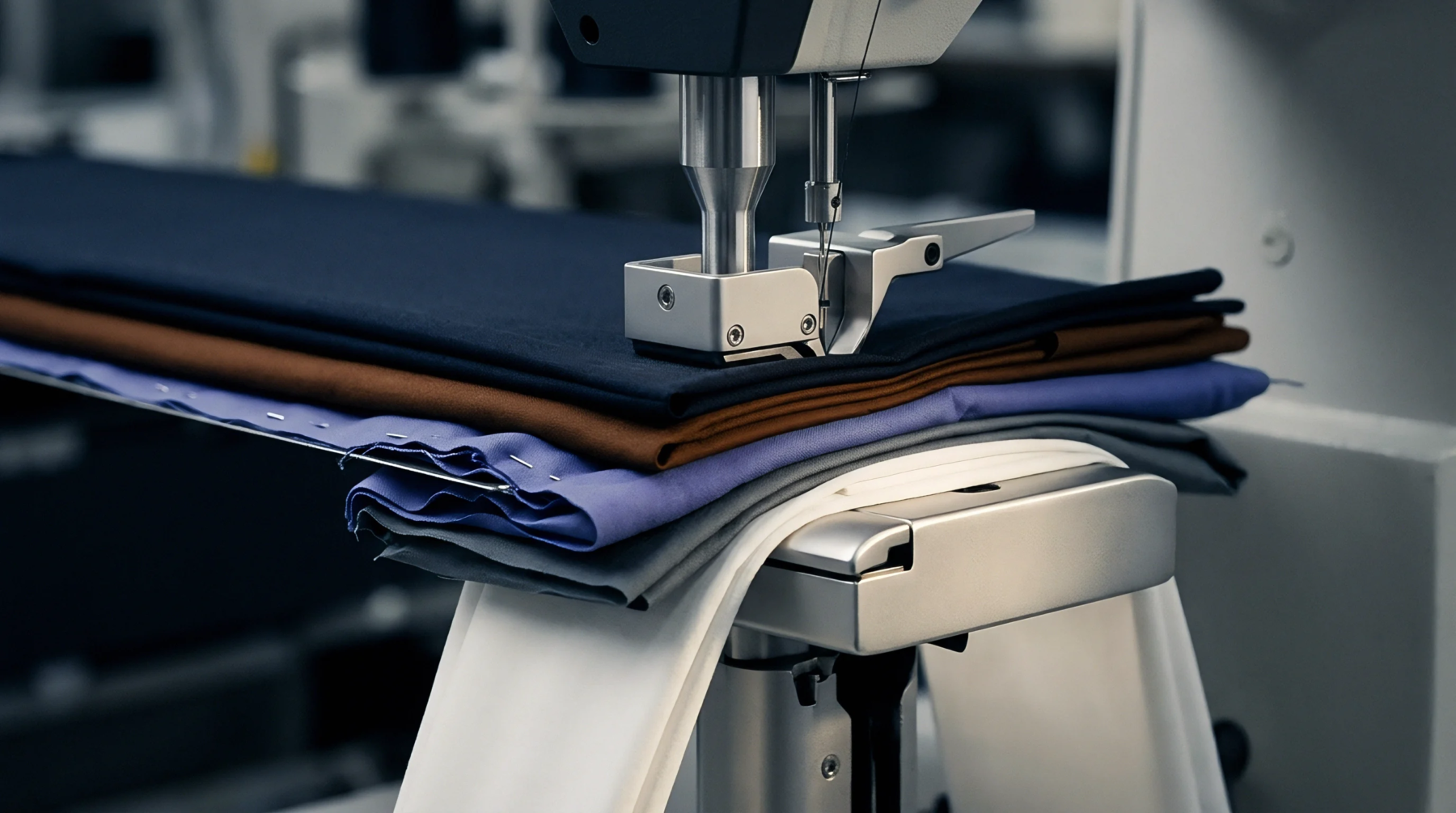
Quantify commercial blend mass through oven desiccation and statutory regain allowances to eliminate hysteresis and condensation errors in customs audits.
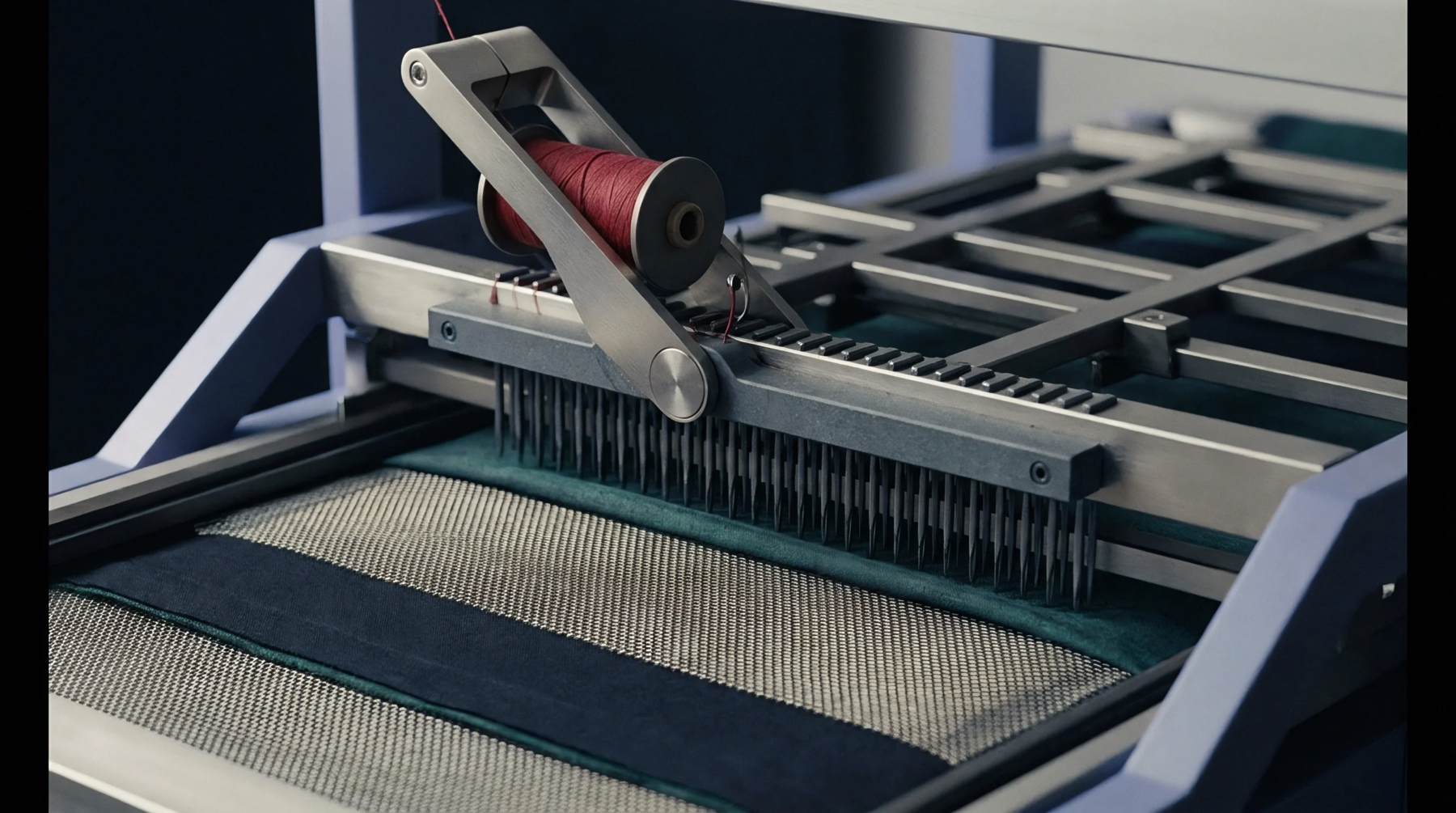
Preconditioning dispute samples at 50°C and 15% RH eliminates sorption hysteresis, ensuring repeatable multi-mill mass and physical testing acceptance.
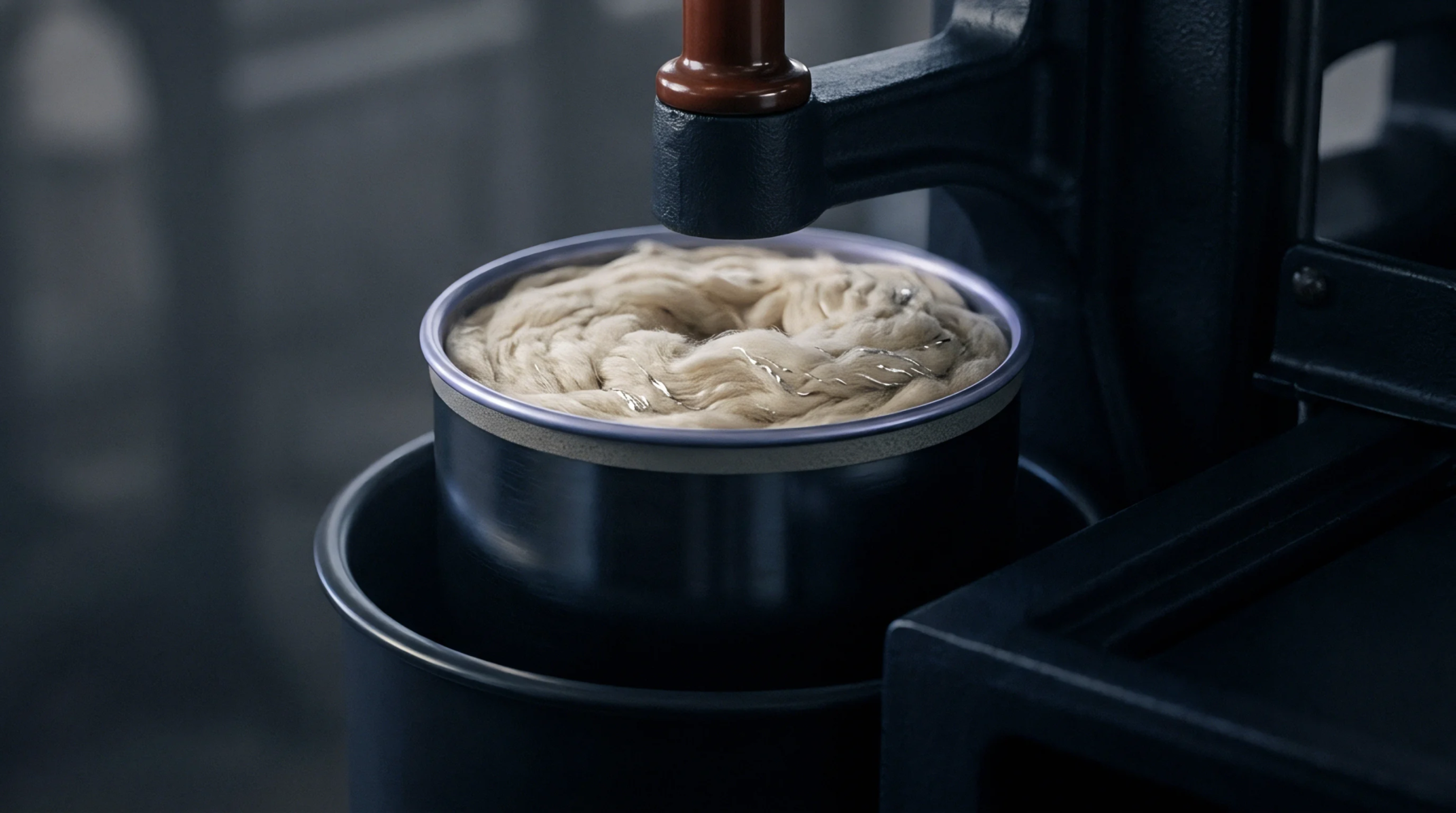
Evaluating staple yarn invoices requires converting gross invoice weight to commercial mass using official fiber regain allowances and oven-dry testing.

Baseline moisture allowances convert raw lot weight into commercial mass using ISO regains to prevent paying yarn prices for ambient water.
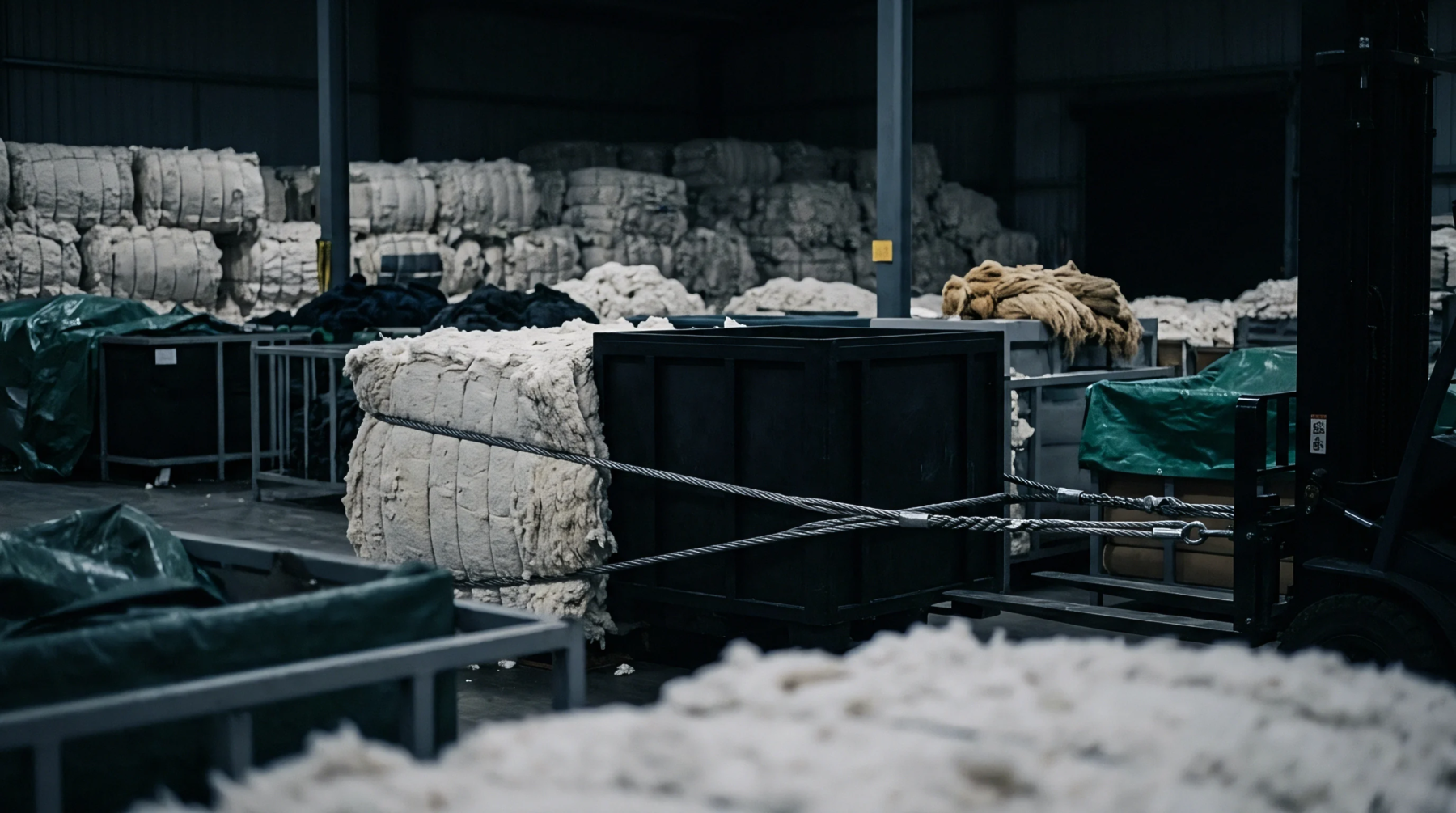
Commercial mass arbitration of maritime viscose transport converts scale weights to oven-dry fiber mass under ISO 6741 using official regain factors.

Standard atmospheric conditioning eliminates sorption hysteresis errors, securing accurate fabric weight, thread density, and commercial mass billing.

Dynamic thermodynamic hysteresis modeling converts volatile landed net scale weight to true dry mass, preventing systematic multi-fiber commercial invoice errors.
Polymer membrane swelling and unmixed boundary layers delay formaldehyde release during ISO 14184-1 testing, causing severe extraction dossier discrepancies.
Commercial mass calculations adjust raw import dock weights to certified oven-dry mass plus standard moisture regain values for exact invoice settlement.

Polymeric fibre desorption hysteresis traps bound water during ocean transit, requiring commercial mass adjustments based on core gravimetric oven testing.
Expertise is a utility, not a secret. sentiention™ publishes its working knowledge as open reference: intelligence layer covering the materials it sources, the markets it enters, and the reference that serves both.